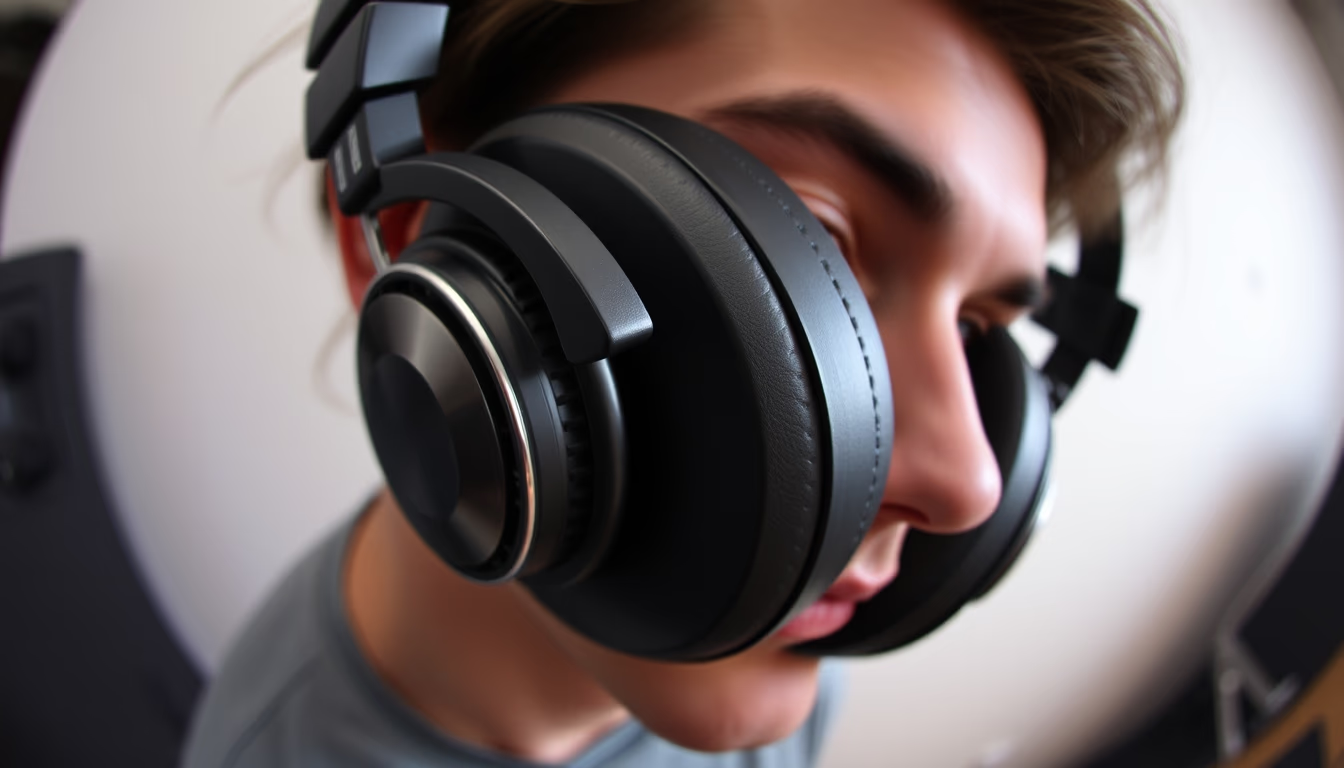
Audiophile headphones planar
1344×768 · AVIF · CC BY 4.0

Fones de ouvido planares magnéticos são referência em áudio de alta fidelidade, combinando baixa distorção e resposta transitória rápida para audiófilos exigentes.
Sobre o tema
Fones de ouvido com drivers planares magnéticos utilizam uma fina membrana condutora suspensa entre ímãs poderosos. Diferentemente dos drivers dinâmicos tradicionais, que usam um cone e bobina móvel, a membrana plana gera som de forma mais linear, resultando em distorção extremamente baixa e resposta transitória quase instantânea. Essa tecnologia permite reproduzir detalhes sutis em toda a faixa de frequência, desde os graves mais profundos, com boa controlabilidade, até agudos cristalinos e sem aspereza.
A história dos fones planares remonta aos anos 1970, quando a empresa britânica Wharfedale desenvolveu os primeiros modelos comerciais, como o Wharfedale Isodynamic. Desde então, marcas como Audeze, Hifiman e Oppo tornaram a tecnologia acessível ao mercado consumidor, com produtos que frequentemente ultrapassam os milhares de dólares. A construção geralmente exige materiais sofisticados, como ímãs de neodímio e diafragmas ultrafinos revestidos com circuitos impressos, o que explica o peso e o preço elevados.
No universo audiófilo, os fones planares são considerados um degrau acima dos dinâmicos em termos de fidelidade, mas exigem amplificação dedicada devido à baixa sensibilidade e alta impedância. Modelos como o Audeze LCD-4 ou o Hifiman Susvara são ícones de desempenho, usados em estúdios de masterização e por entusiastas que buscam a experiência mais próxima possível da gravação original. Apesar do custo, a durabilidade e a qualidade sonora fazem deles um investimento de longo prazo.
Curiosidade: ao contrário de fones eletrostáticos, os planares não precisam de um bias de alta tensão, funcionando com amplificadores de estado sólido ou válvulas convencionais. Essa versatilidade contribui para sua popularidade entre audiófilos que já possuem sistemas de áudio de referência. A tecnologia também encontra aplicações em microfones e alto-falantes, mas é no segmento de headphones que ela realmente brilha.
Perguntas frequentes
Qual a diferença entre fones planares e dinâmicos?
Fones planares usam uma membrana fina com condutores entre ímãs, enquanto dinâmicos usam cone e bobina. Planares oferecem menor distorção, resposta mais rápida e som mais detalhado, mas são mais pesados, caros e exigem amplificação potente.
Preciso de um amplificador especial para fones planares?
Sim, a maioria dos fones planares tem baixa sensibilidade e alta impedância, necessitando de amplificadores de alta corrente. Amplificadores de fone de ouvido comuns podem não fornecer potência suficiente, resultando em volume baixo ou distorção.
Quais são as marcas mais conhecidas de fones planares?
Audeze, Hifiman, Oppo (descontinuado), Monolith e Dan Clark Audio são marcas respeitadas. Modelos como Audeze LCD-X, Hifiman Sundara e Dan Clark Stealth são populares em diferentes faixas de preço.
URL direta
https://pub-c7d6a6ea828543ac903a74a341ccb2e1.r2.dev/imagens/audiophile-headphones-planar-architectural-photography-fresh12.avifComo creditar
Inclua um link visível de volta pro UtilizAí. Copie um dos snippets abaixo:
<a href="https://xn--utiliza-eza.com/midia/imagens/audiophile-headphones-planar-architectural-photography-fresh12">Audiophile headphones planar</a> by <a href="https://xn--utiliza-eza.com">UtilizAí</a>, licensed under <a href="https://creativecommons.org/licenses/by/4.0/">CC BY 4.0</a>.
[Audiophile headphones planar](https://xn--utiliza-eza.com/midia/imagens/audiophile-headphones-planar-architectural-photography-fresh12) by [UtilizAí](https://xn--utiliza-eza.com), CC BY 4.0
Licença: CC-BY-4.0