Archaea extremophile
1344×768 · AVIF · CC BY 4.0
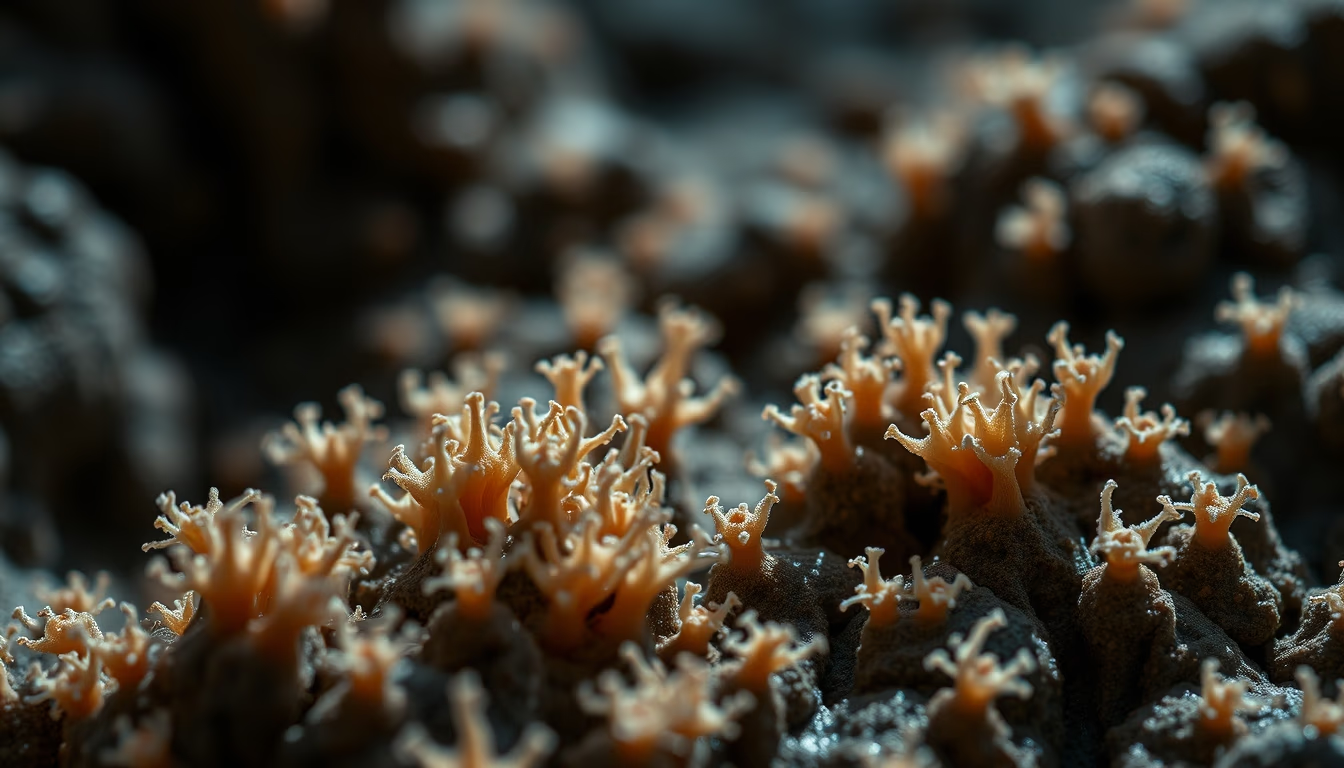
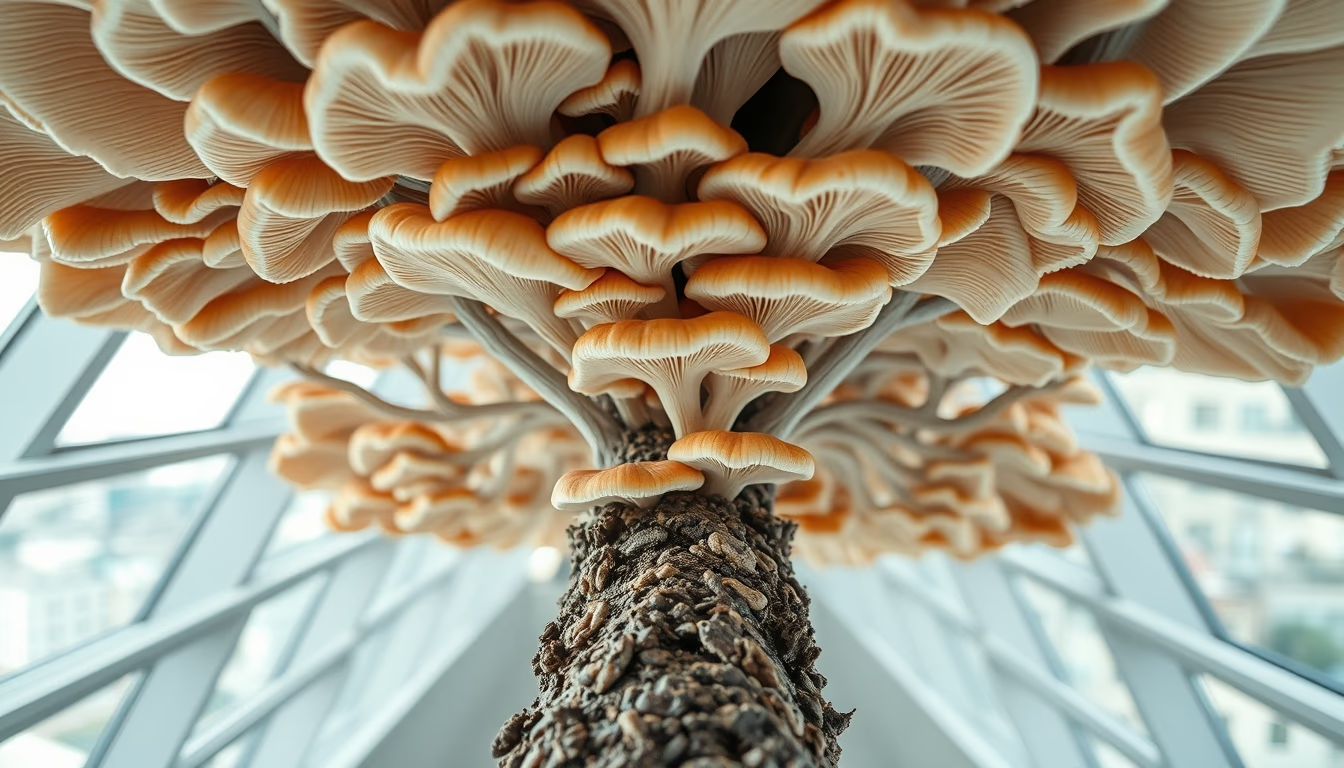
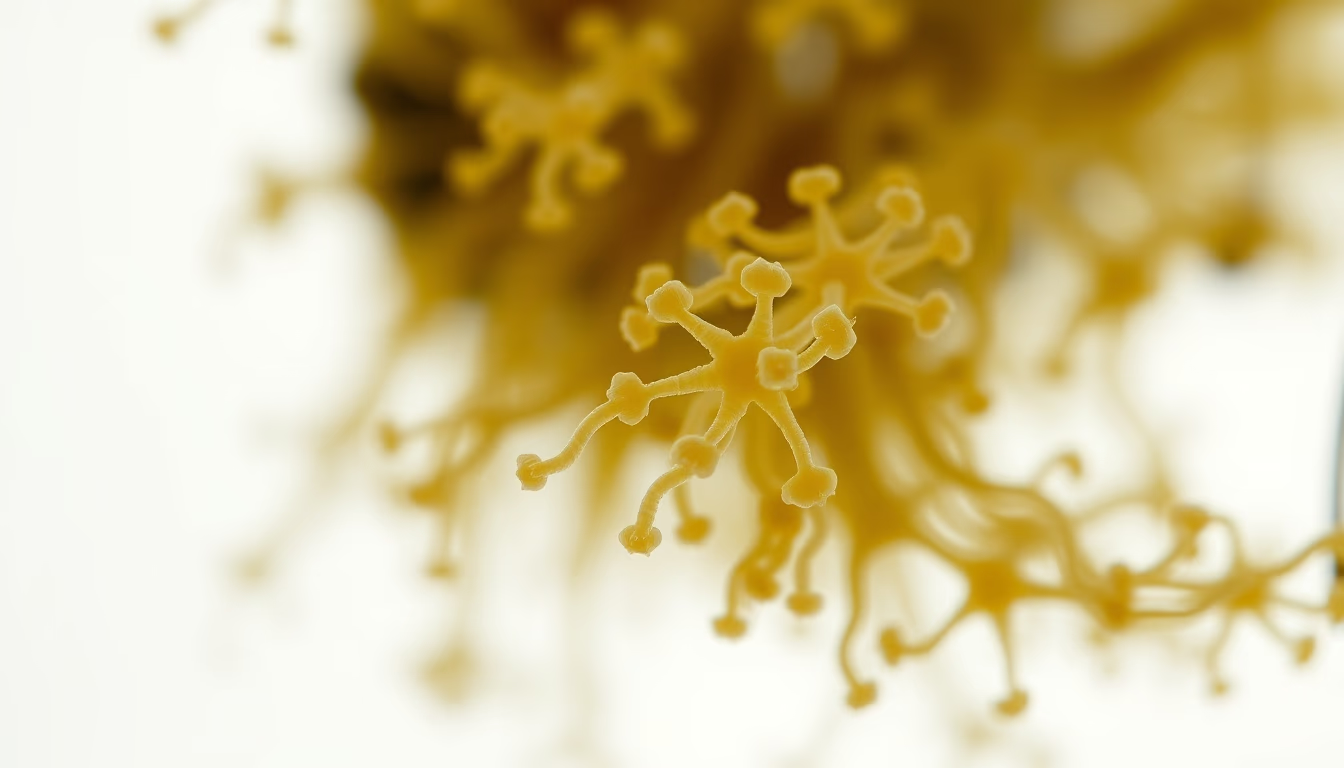
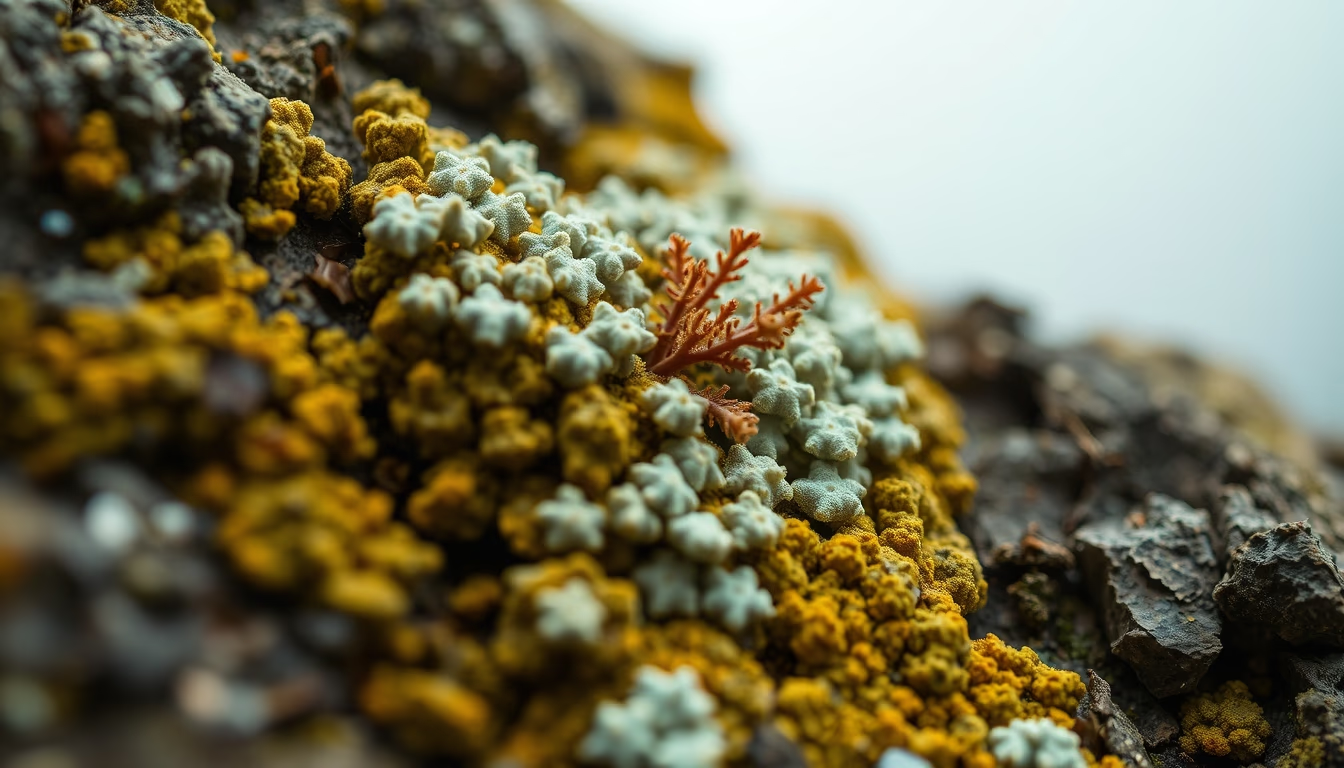
Extremophilic Archaea are single-celled microorganisms that thrive in extreme environments such as hot springs, glaciers, and volcanoes, pushing the boundaries of life on Earth.
About this subject
Archaea constitute one of the three domains of life, alongside Bacteria and Eukarya. Extremophiles, a fascinating subgroup, have developed unique biochemical and metabolic adaptations that enable them to survive in conditions considered lethal for most living beings. They are found in environments such as oceanic hydrothermal vents, where temperatures exceed 100°C, hypersaline lakes like the Great Salt Lake, and extremely acidic or alkaline regions, such as acid mine drainage.
These organisms possess stable enzymes at high temperatures and pressures, the so-called extremozymes, which are widely used in biotechnology, for example in PCR (polymerase chain reaction) which employs Taq polymerase from Thermus aquaticus, a thermophilic bacterium, but other Archaea like Pyrococcus furiosus provide even more resistant enzymes. Moreover, extremophiles are important models for astrobiology, as they suggest that life could exist in extraterrestrial environments such as Mars or icy moons.
An iconic example is the genus Thermococcus, which lives in hydrothermal vents on the ocean floor, using sulfur as an electron acceptor. Another is Halobacterium, which inhabits salt-saturated environments and possesses pigments like bacteriorhodopsin, which converts light into energy without photosynthesis. The discovery of these organisms has revolutionized our understanding of life and cellular evolution, showing that the boundaries of the biosphere are much broader than previously imagined.
Frequently Asked Questions
What are extremophilic Archaea?
They are microorganisms from the domain Archaea that live in extreme environments, such as high temperatures, high salinity, acidic or alkaline pH, or intense pressure. They have special adaptations that allow them to survive where most living things cannot.
Where are extremophilic Archaea found?
They are found in places like submarine hydrothermal vents, volcanoes, salt deserts, alkaline lakes, glaciers, and even deep within rocks. Each type of extremophile occupies a specific niche.
Why are extremophilic Archaea important to science?
They provide stable enzymes for biotechnology (like Taq polymerase), help understand the limits of life on Earth, and serve as models for searching for life on other planets. They also reveal insights into cellular evolution.
Direct URL
https://pub-c7d6a6ea828543ac903a74a341ccb2e1.r2.dev/imagens/archaea-extremophile-magazine-editorial-fresh16.avifHow to credit
Include a visible link back to UtilizAí. Copy one of the snippets below:
<a href="https://xn--utiliza-eza.com/en/midia/imagens/archaea-extremophile-magazine-editorial-fresh16">Archaea extremophile</a> by <a href="https://xn--utiliza-eza.com">UtilizAí</a>, licensed under <a href="https://creativecommons.org/licenses/by/4.0/">CC BY 4.0</a>.
[Archaea extremophile](https://xn--utiliza-eza.com/en/midia/imagens/archaea-extremophile-magazine-editorial-fresh16) by [UtilizAí](https://xn--utiliza-eza.com), CC BY 4.0
License: CC-BY-4.0