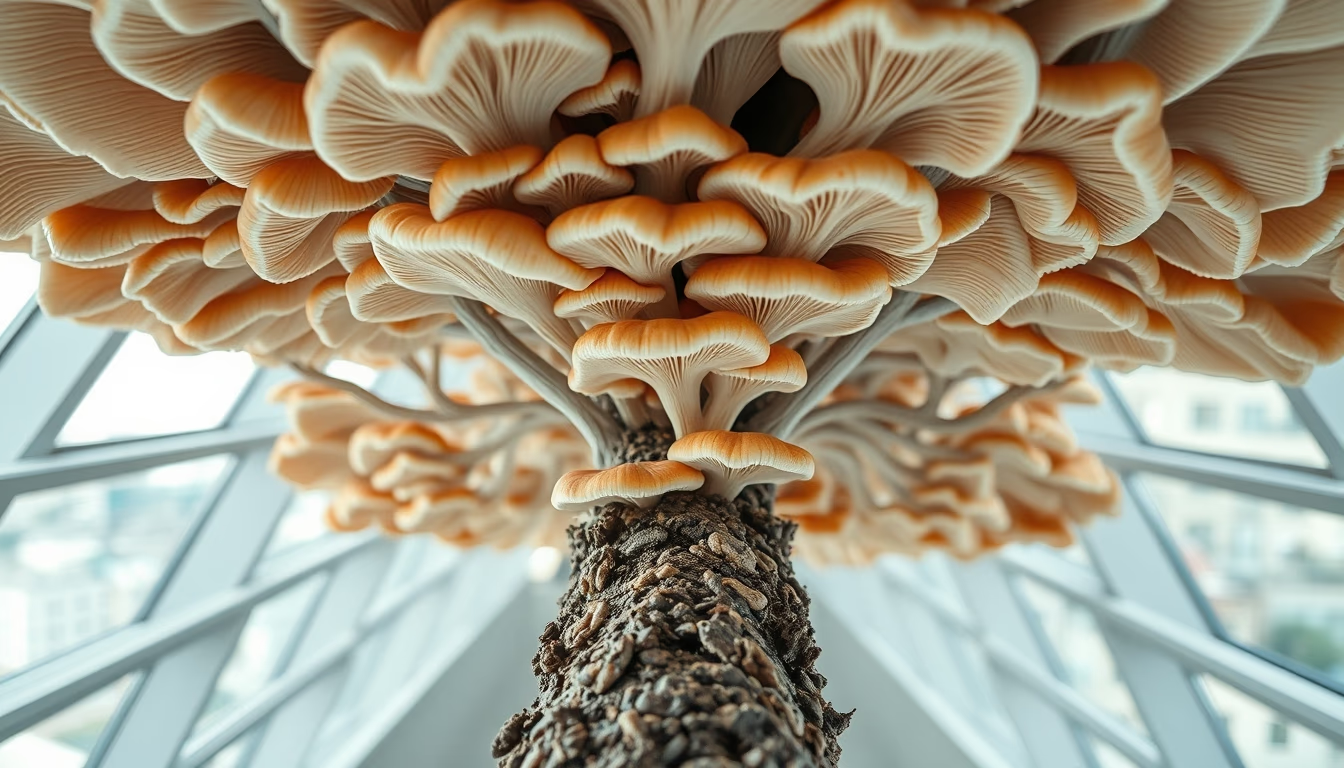
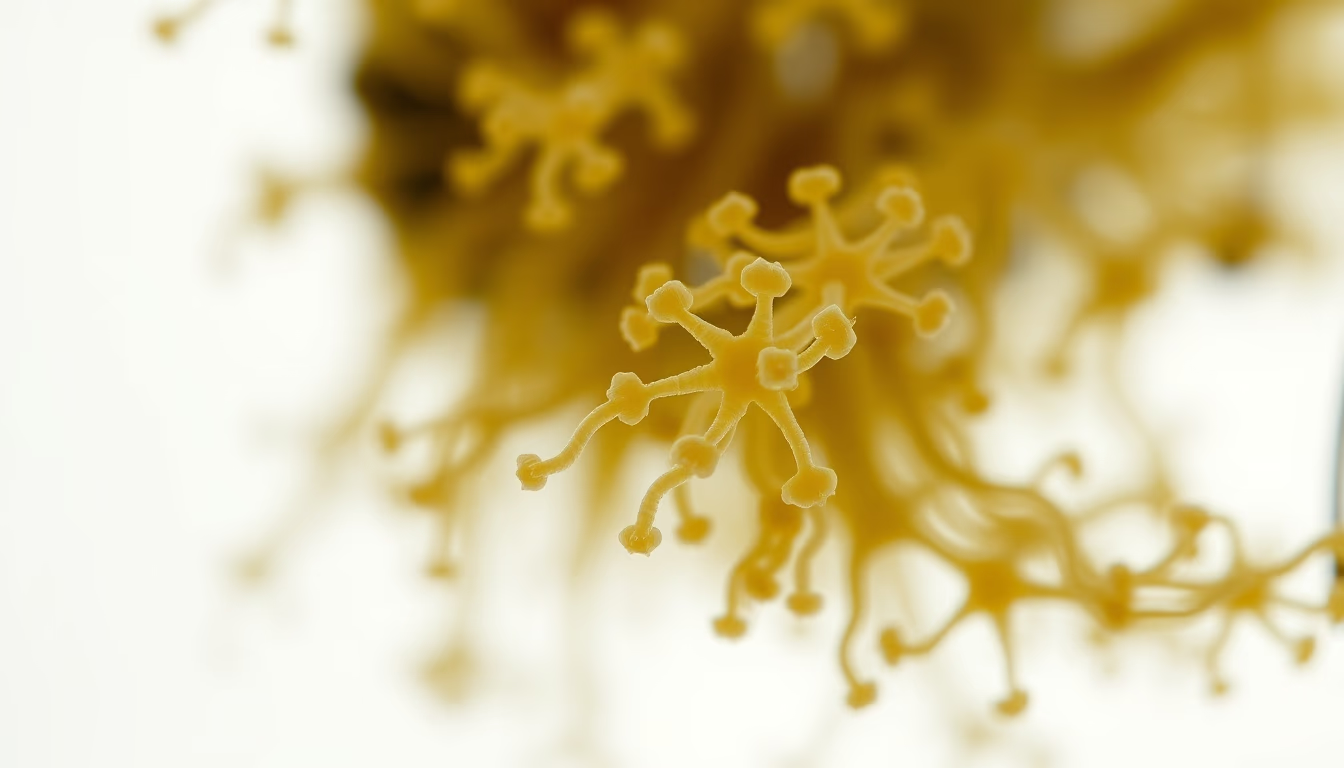
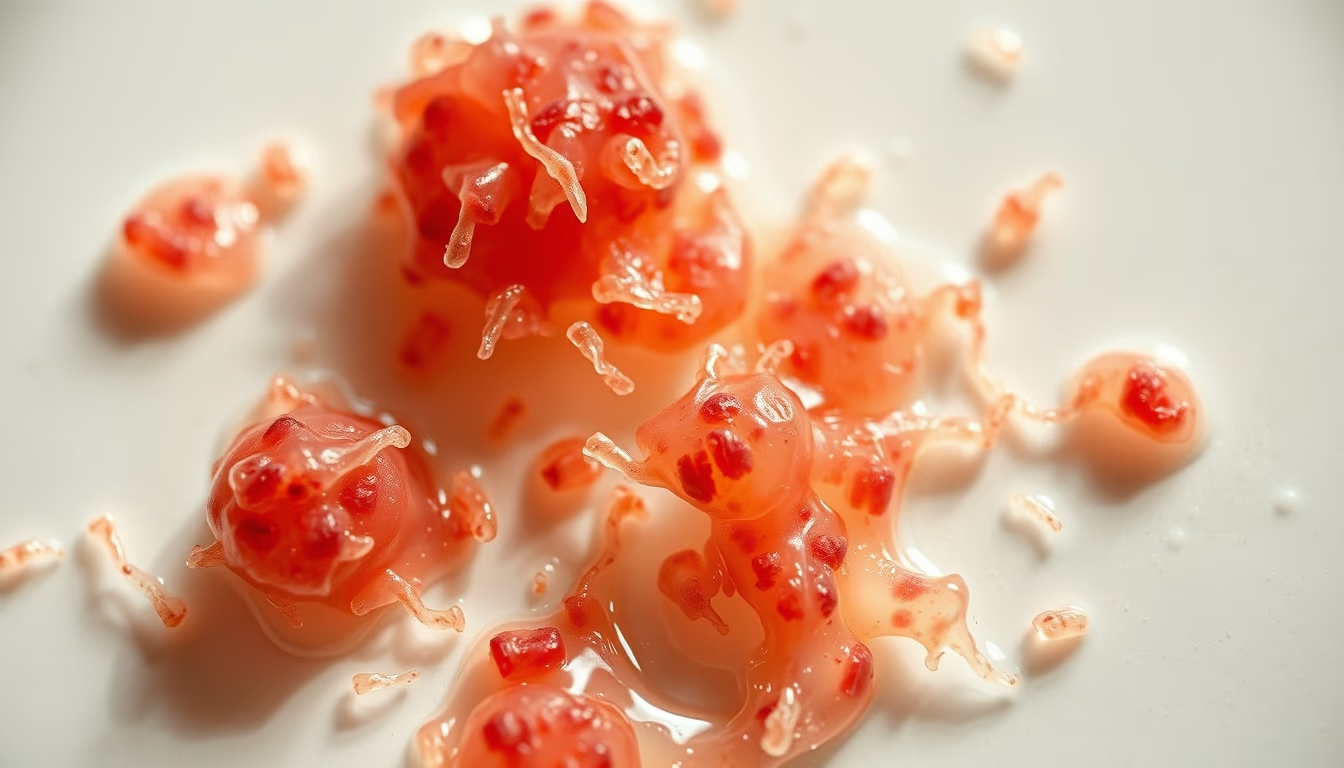
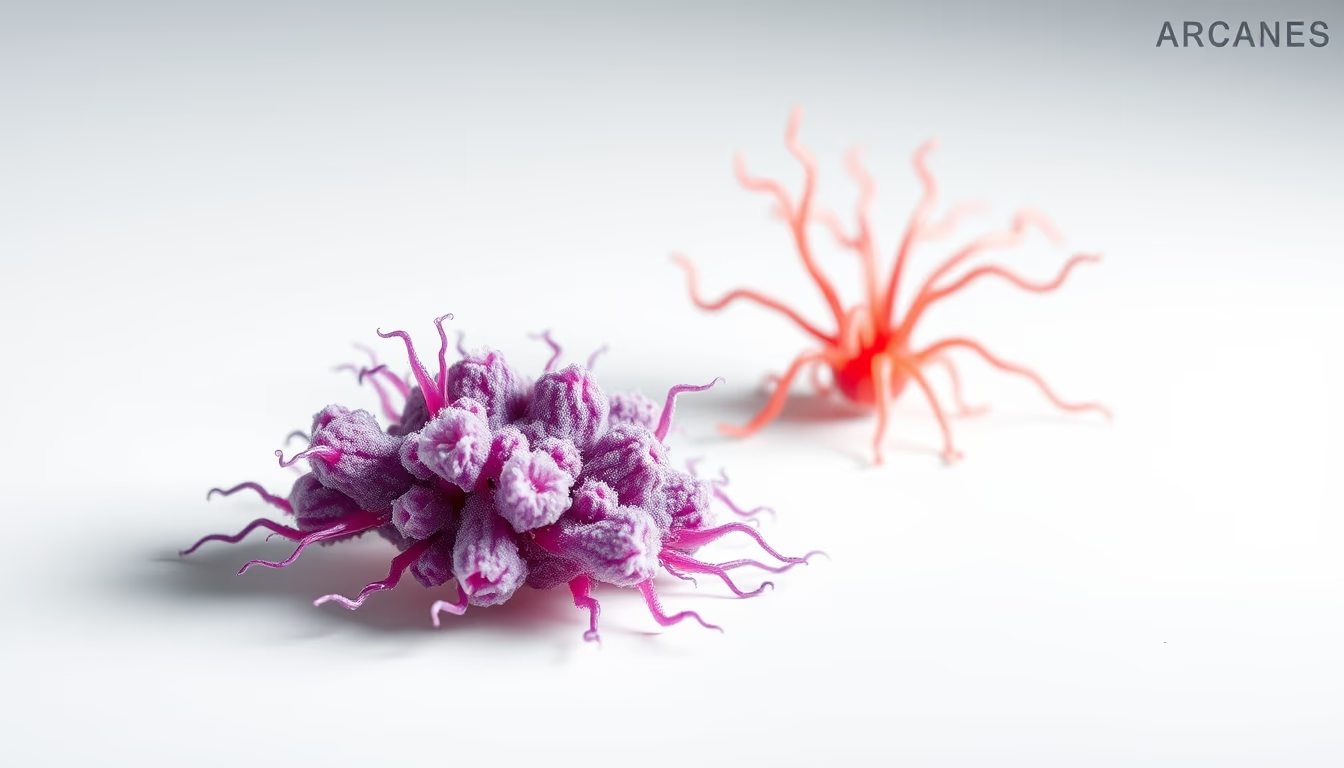
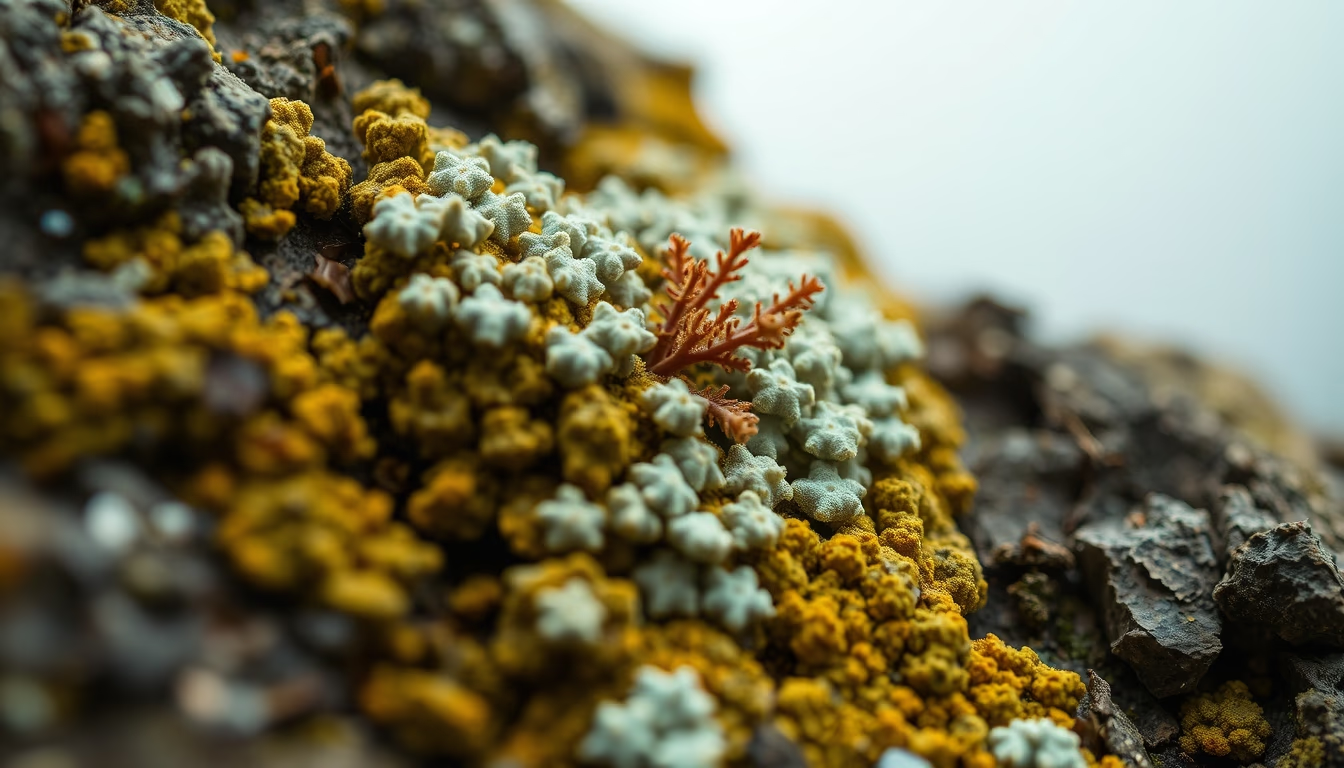
Archaea extremophile
1344×768 · AVIF · CC BY 4.0
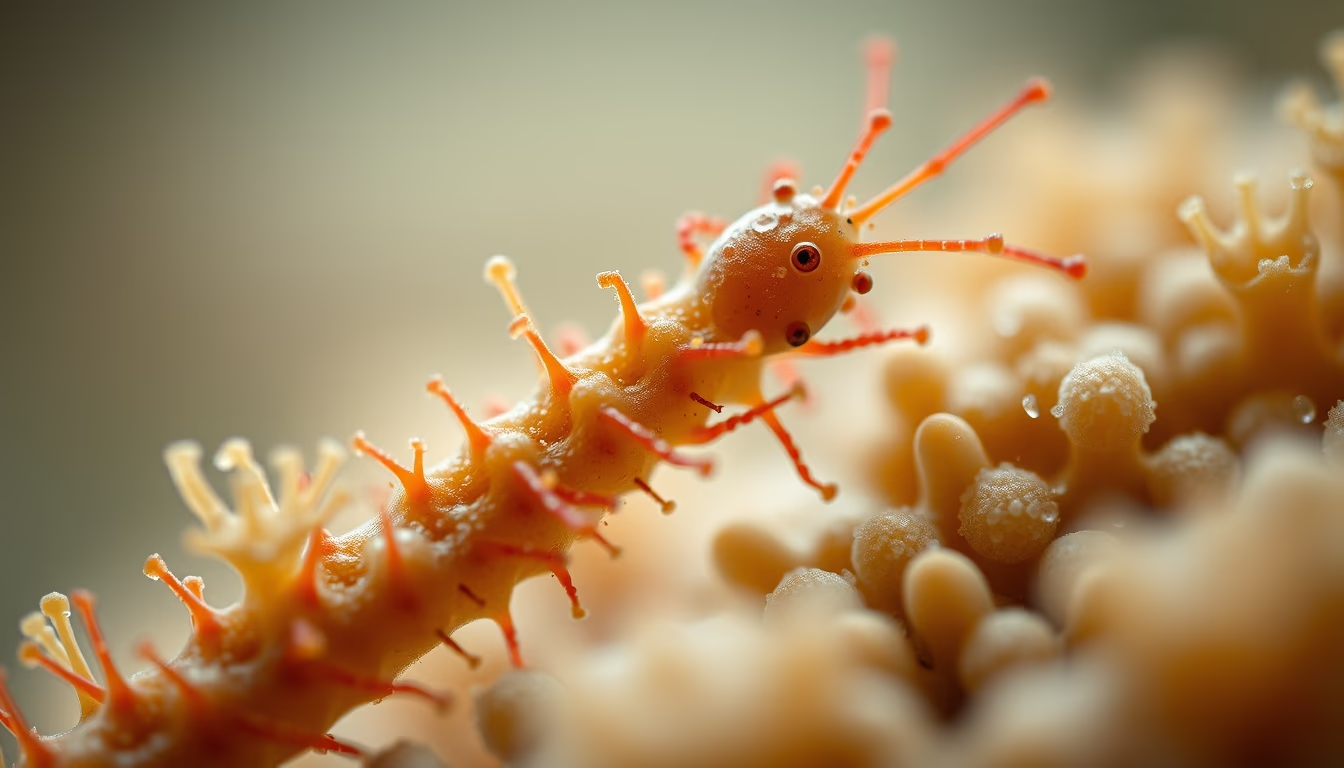
Extremophilic archaea are single-celled microorganisms that thrive in extreme environments such as hydrothermal vents, salt lakes, and volcanoes.
About this subject
Extremophilic archaea are a fascinating group of microorganisms that inhabit environments considered hostile to most life forms. Distinct from bacteria and eukaryotes, these organisms possess unique membrane lipids, often based on ethers, which provide stability under extreme conditions. They can be found in hot springs with temperatures above 100°C, such as those in Yellowstone National Park, or in hypersaline lakes like the Dead Sea, where salt concentrations reach 30%. Some species are acidophiles, living in environments with pH near zero, such as acid mine drainage; others are barophiles, tolerating abyssal pressures in ocean trenches.
The discovery of archaea as a separate domain of life, proposed by Carl Woese in the 1970s, revolutionized microbiology and phylogeny. Genetic studies have revealed that many archaea possess unique metabolic pathways, such as methanogenesis, the production of methane from carbon dioxide and hydrogen, which is crucial to the global carbon cycle. Moreover, extremophilic archaea are sources of high-value industrial and biotechnological enzymes, such as thermostable polymerases used in polymerase chain reaction (PCR). Understanding these organisms also expands the limits of life on Earth and guides the search for life on other planets, such as Mars or the icy moons of Jupiter and Saturn.
Adaptation of archaea to extremes of temperature, salinity, pH, and pressure involves sophisticated molecular mechanisms. For instance, proteins from thermophilic archaea are stabilized by hydrophobic interactions and salt bridges, while halophiles accumulate compatible solutes like betaine to balance osmotic pressure. These mechanisms have potential applications in harsh industrial processes, such as bioremediation of contaminated soils and biofuel production. The metabolic diversity of archaea, including chemolithoautotrophy, allows them to sustain entire ecosystems in previously thought sterile habitats, revealing the resilience of life under extreme conditions.
Frequently Asked Questions
What are extremophilic archaea?
They are single-celled microorganisms of the domain Archaea that thrive in extreme environments such as high temperatures, high salinity, extreme pH, or high pressure.
Where are extremophilic archaea found?
In hot springs, underwater volcanoes, salt lakes, deserts, glaciers, acid mines, and deep ocean trenches.
Why are extremophilic archaea important?
They provide enzymes for biotechnology (e.g., PCR), help understand the limits of life, and serve as models for astrobiology in the search for extraterrestrial life.
Direct URL
https://pub-c7d6a6ea828543ac903a74a341ccb2e1.r2.dev/imagens/archaea-extremophile-macro-closeup-fresh13.avifHow to credit
Include a visible link back to UtilizAí. Copy one of the snippets below:
<a href="https://xn--utiliza-eza.com/en/midia/imagens/archaea-extremophile-macro-closeup-fresh13">Archaea extremophile</a> by <a href="https://xn--utiliza-eza.com">UtilizAí</a>, licensed under <a href="https://creativecommons.org/licenses/by/4.0/">CC BY 4.0</a>.
[Archaea extremophile](https://xn--utiliza-eza.com/en/midia/imagens/archaea-extremophile-macro-closeup-fresh13) by [UtilizAí](https://xn--utiliza-eza.com), CC BY 4.0
License: CC-BY-4.0