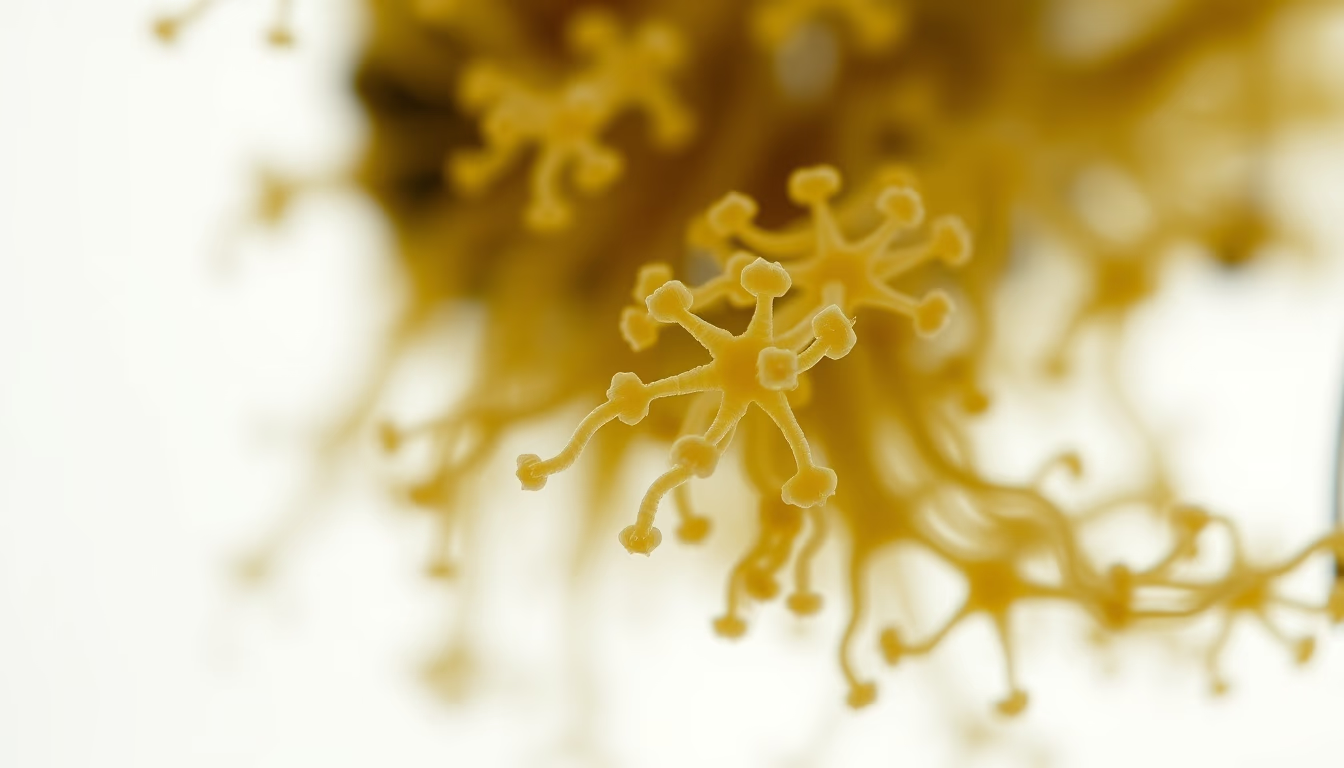
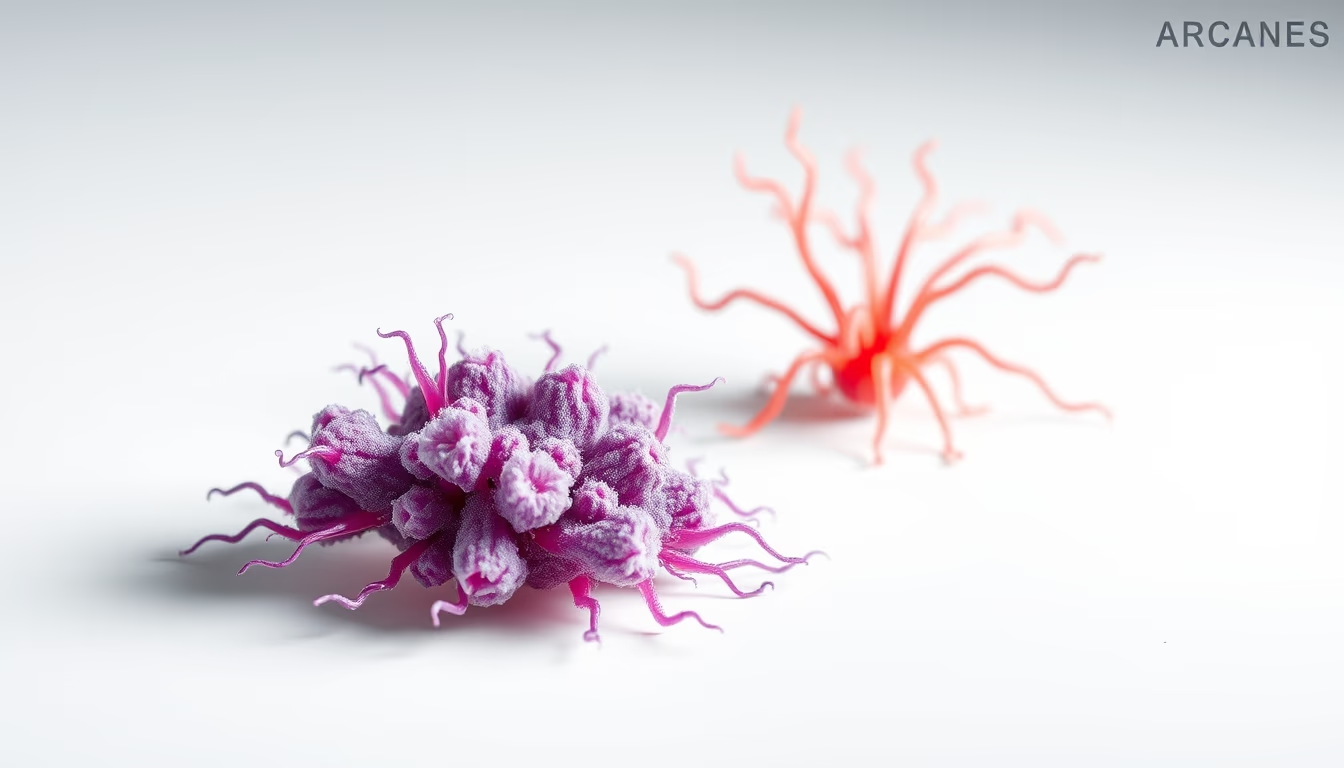
Archaea extremophile
1344×768 · AVIF · CC BY 4.0

Extremophilic archaea are microorganisms that thrive in extreme conditions, such as hot springs and saline environments, revealing the limits of life on Earth.
About this subject
Archaea constitute one of the three domains of life, alongside Bacteria and Eukaryotes. Although morphologically similar to bacteria, they possess significant genetic and metabolic differences. Extremophilic archaea are specialists in environments considered inhospitable for most living beings. They include thermophiles, which thrive in hot springs with temperatures above 80°C, such as those found in Yellowstone National Park in the United States. Extreme halophiles inhabit hypersaline lakes like the Dead Sea, tolerating salt concentrations that would kill other cells. Some archaea are acidophiles, living in environments with pH near zero, such as acid mine drainages.
The discovery of archaea in the 1970s revolutionized biology. Microbiologist Carl Woese classified them as a separate domain based on ribosomal RNA analysis. These organisms use unique metabolic pathways, such as methanogenesis, a process that produces methane and is carried out only by certain archaea in swamps and the digestive tracts of ruminants. The resistance of extremophiles to high temperatures, radiation, and lack of oxygen makes them models for studying the origin of life and the possibility of life on other planets, such as Mars or Jupiter's moons.
In biotechnology, enzymes from extremophilic archaea, called extremozymes, are valuable for their stability. The Taq polymerase used in polymerase chain reaction (PCR) came from a thermophile, Thermus aquaticus, which is a bacterium, not an archaeon; however, thermophilic archaea provide other heat-resistant enzymes for industrial processes. Additionally, atypical membrane lipids of archaea have applications in nanotechnology. Extremophilic archaea continue to surprise scientists with their ability to survive in environments once thought sterile, expanding our understanding of life's limits.
Frequently Asked Questions
Where are extremophilic archaea found?
They inhabit places such as hot springs, submarine volcanoes, salt lakes, frozen deserts, and acid mine drainages, i.e., environments with extreme temperatures, high salinity, very low pH, or high pressure.
How do extremophilic archaea survive high temperatures?
They possess heat-stable enzymes and proteins, cell membranes composed of special lipids that maintain fluidity, and efficient DNA repair mechanisms to prevent heat-induced damage.
Why are extremophilic archaea important for astrobiology?
Because they survive extreme conditions on Earth, they serve as analogs for possible life forms on other planets or moons, such as Mars or Europa, helping to define the limits of habitability.
Direct URL
https://pub-c7d6a6ea828543ac903a74a341ccb2e1.r2.dev/imagens/archaea-extremophile-documentary-photography-fresh9.avifHow to credit
Include a visible link back to UtilizAí. Copy one of the snippets below:
<a href="https://xn--utiliza-eza.com/en/midia/imagens/archaea-extremophile-documentary-photography-fresh9">Archaea extremophile</a> by <a href="https://xn--utiliza-eza.com">UtilizAí</a>, licensed under <a href="https://creativecommons.org/licenses/by/4.0/">CC BY 4.0</a>.
[Archaea extremophile](https://xn--utiliza-eza.com/en/midia/imagens/archaea-extremophile-documentary-photography-fresh9) by [UtilizAí](https://xn--utiliza-eza.com), CC BY 4.0
License: CC-BY-4.0