Antarctic ozone hole
1344×768 · AVIF · CC BY 4.0
The Antarctic ozone hole is a seasonal depletion of stratospheric ozone over Antarctica, with global impacts on UV radiation.
About this subject
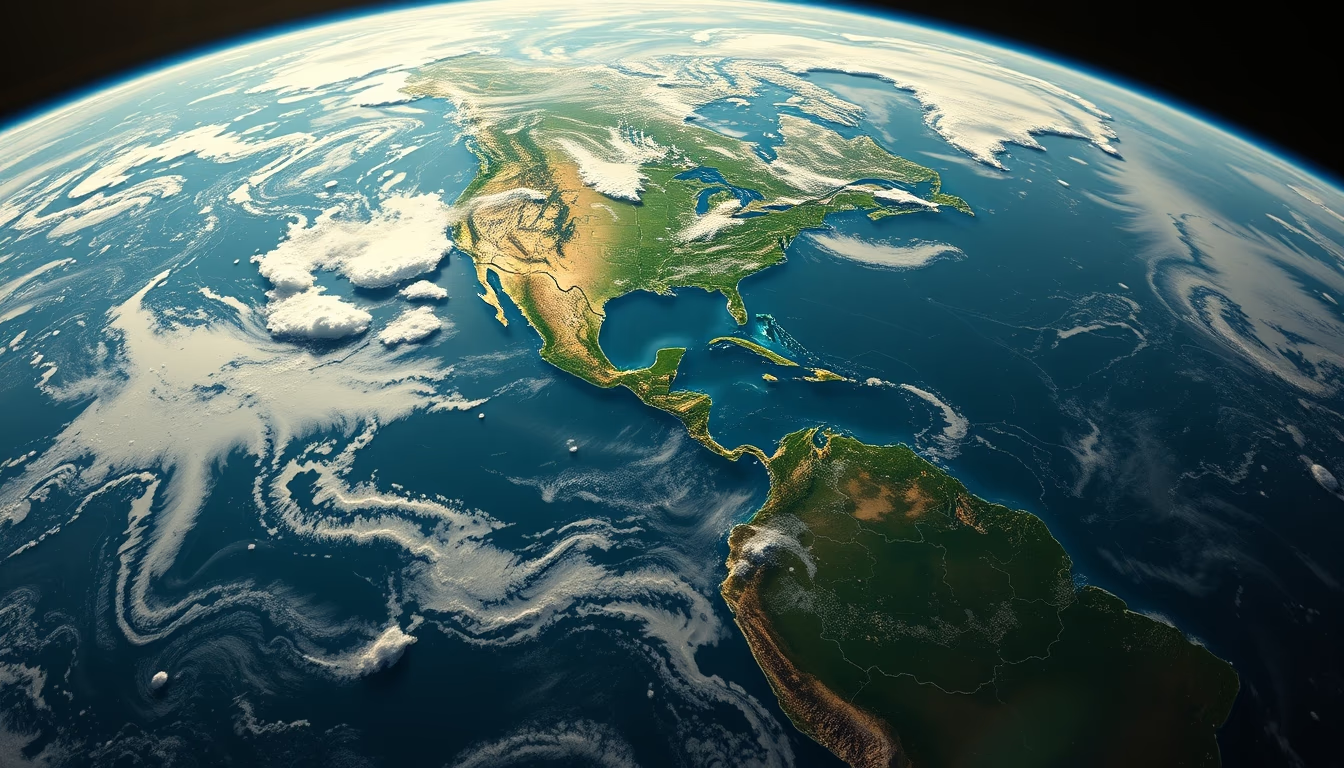
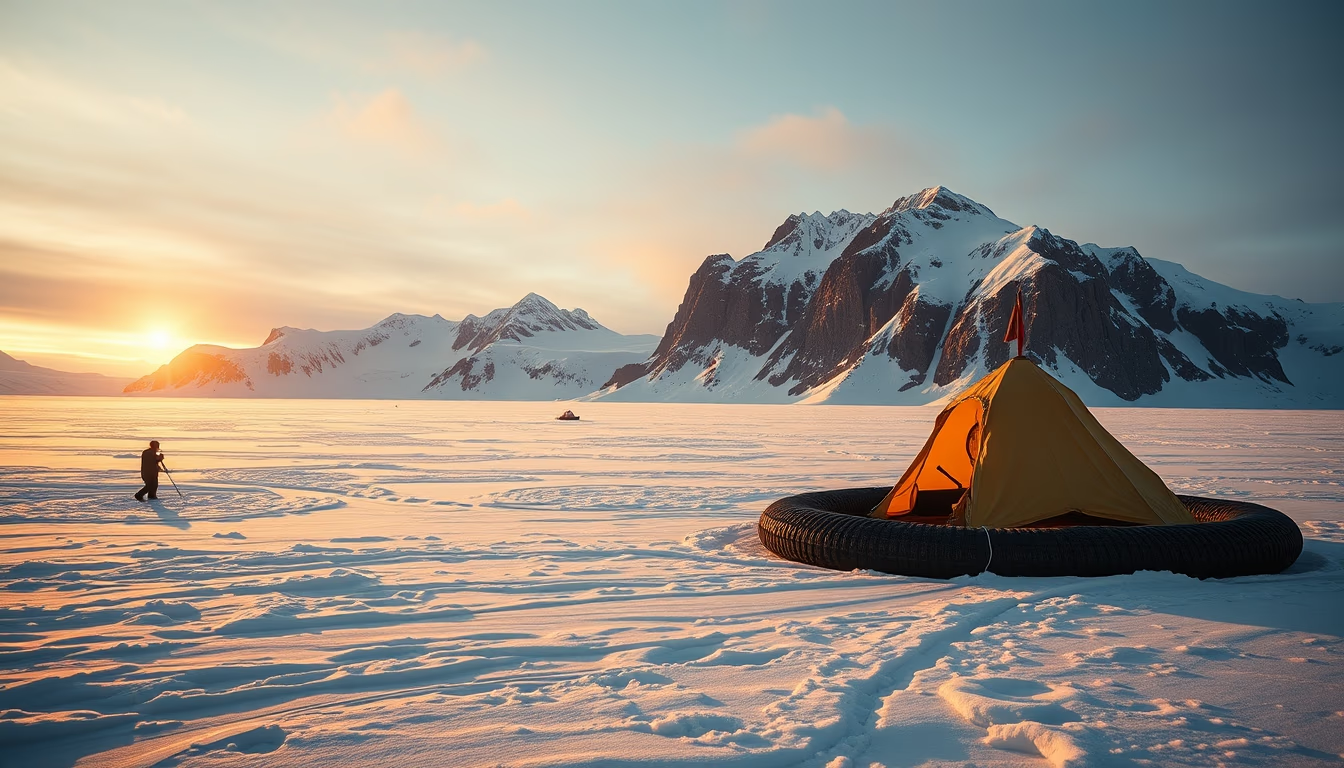
The Antarctic ozone hole is a severe depletion of ozone in the stratosphere over Antarctica, observed primarily during the austral spring (September to November). Discovered in 1985 by British Antarctic Survey scientists, it is caused by chlorofluorocarbons (CFCs) and other ozone-depleting substances that react with ozone under specific conditions of cold temperature and sunlight. The hole forms due to extremely low temperatures in the Antarctic stratosphere, which create polar stratospheric clouds where ozone-destroying chemical reactions occur intensively.
The Montreal Protocol, signed in 1987, banned the production of CFCs and is considered one of the most successful international environmental agreements. Since then, ozone levels over Antarctica have shown signs of gradual recovery, with projections of the hole closing completely by mid-century. However, annual variability is influenced by meteorological patterns, such as the Antarctic polar vortex, which can strengthen or weaken ozone depletion in a given year.
The ozone hole has direct impacts on human health and ecosystems. Increased ultraviolet (UV-B) radiation reaching the surface is linked to higher rates of skin cancer, cataracts, and damage to marine phytoplankton, the base of the Antarctic food web. Regions like Australia, New Zealand, and southern South America experience elevated UV levels during spring when the hole extends to lower latitudes.
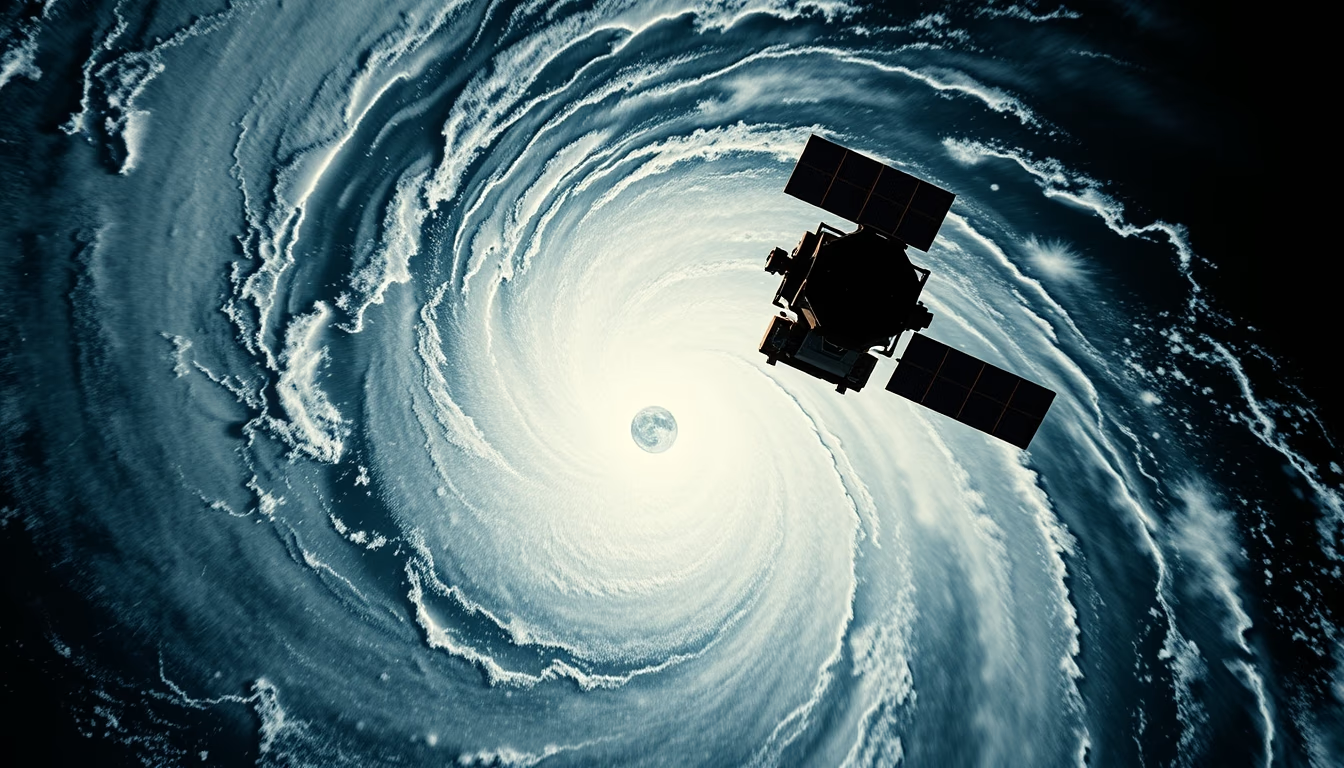
Despite recovery, global warming may interfere with ozone layer regeneration. Increased greenhouse gases alter stratospheric dynamics, potentially delaying the hole's closure. Continuous monitoring by satellites and ground stations, such as NASA's OMI instrument, is essential to track this evolution and ensure compliance with environmental goals.
Frequently Asked Questions
What causes the Antarctic ozone hole?
The ozone hole is primarily caused by chlorofluorocarbons (CFCs) and other ozone-depleting substances released by human activities. In the presence of sunlight and low temperatures in the Antarctic stratosphere, these compounds chemically destroy ozone molecules.
When is the Antarctic ozone hole expected to close completely?
According to scientific projections, the hole is expected to fully close by 2060 to 2080, thanks to the Montreal Protocol. However, recovery may be influenced by climate change.
What are the health effects of the ozone hole?
The ozone hole allows higher levels of ultraviolet (UV-B) radiation to reach the surface, increasing risks of skin cancer, cataracts, and immune system suppression in exposed populations.
Direct URL
https://pub-c7d6a6ea828543ac903a74a341ccb2e1.r2.dev/imagens/antarctic-ozone-hole-macro-closeup-fresh0.avifHow to credit
Include a visible link back to UtilizAí. Copy one of the snippets below:
<a href="https://xn--utiliza-eza.com/en/midia/imagens/antarctic-ozone-hole-macro-closeup-fresh0">Antarctic ozone hole</a> by <a href="https://xn--utiliza-eza.com">UtilizAí</a>, licensed under <a href="https://creativecommons.org/licenses/by/4.0/">CC BY 4.0</a>.
[Antarctic ozone hole](https://xn--utiliza-eza.com/en/midia/imagens/antarctic-ozone-hole-macro-closeup-fresh0) by [UtilizAí](https://xn--utiliza-eza.com), CC BY 4.0
License: CC-BY-4.0