Antarctic ozone hole
1344×768 · AVIF · CC BY 4.0
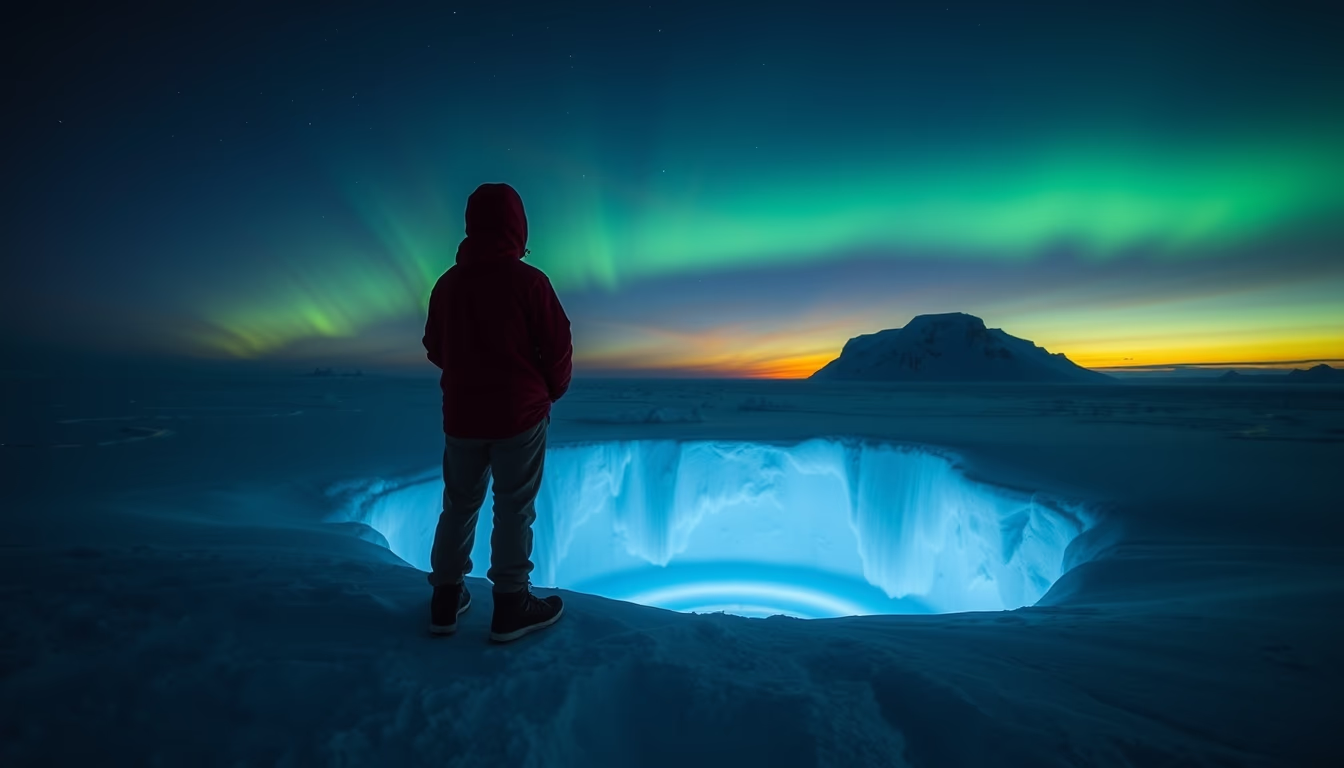
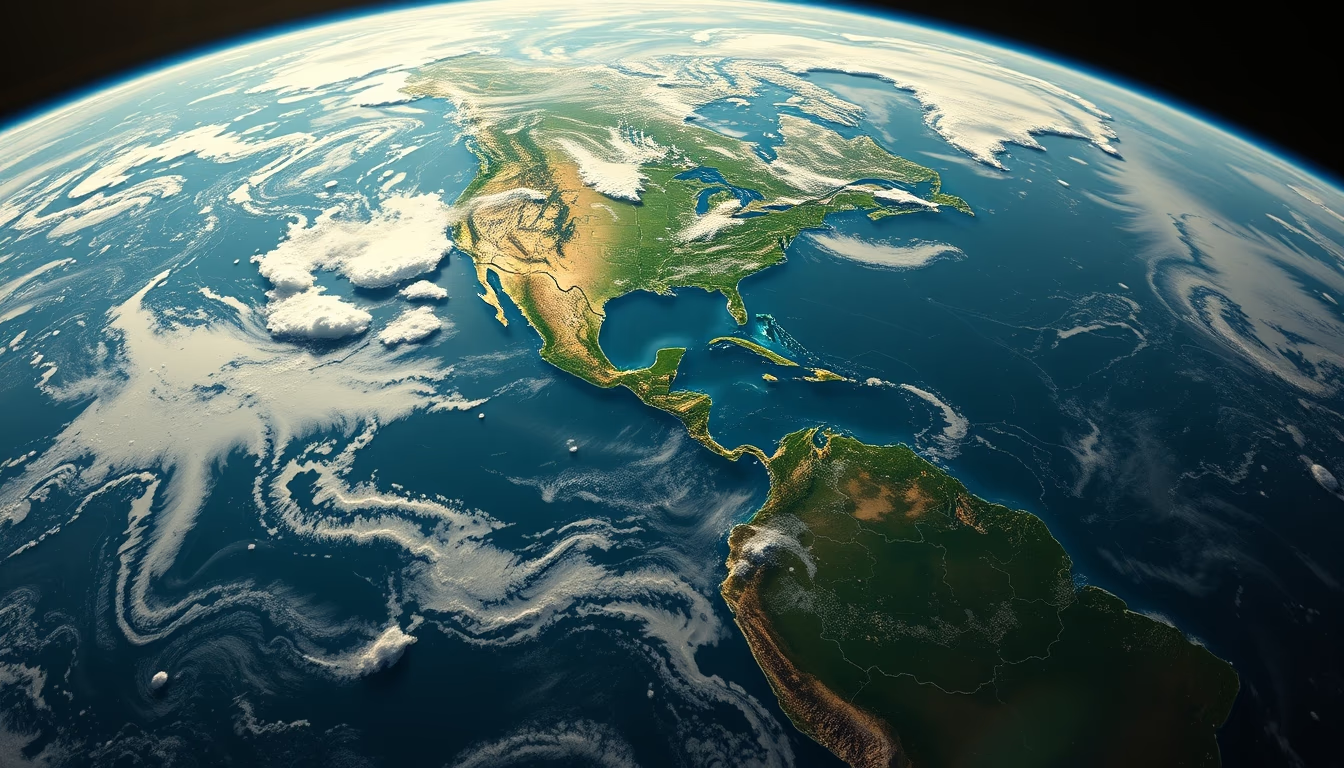
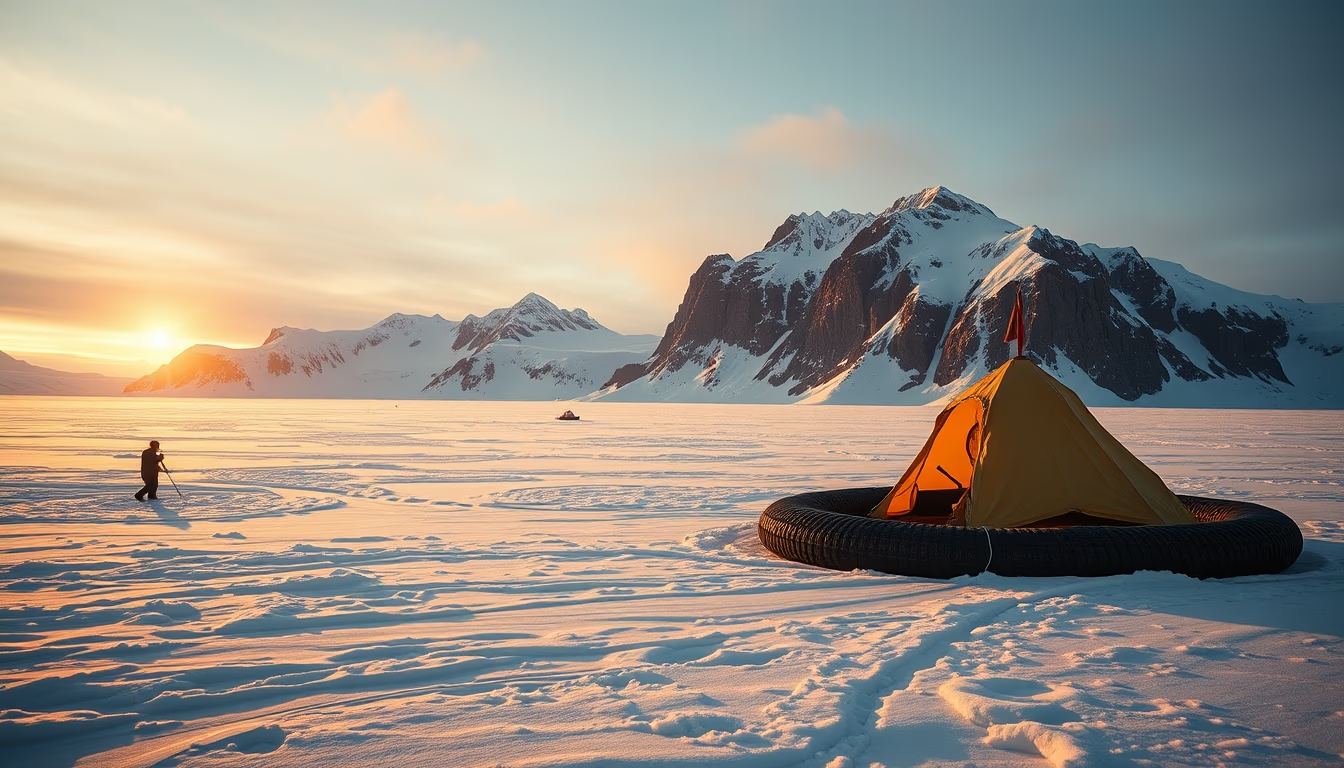
The Antarctic ozone hole is a seasonal phenomenon monitored by satellites since the 1980s, showing gradual recovery after the Montreal Protocol.
About this subject
The Antarctic ozone hole was discovered in 1985 by British scientists from the British Antarctic Survey. They observed a drastic reduction in stratospheric ozone levels during the Antarctic spring. The main cause is the release of chlorofluorocarbons (CFCs), compounds used in aerosols and refrigeration, which react in the cold Antarctic stratosphere, catalyzing ozone destruction.
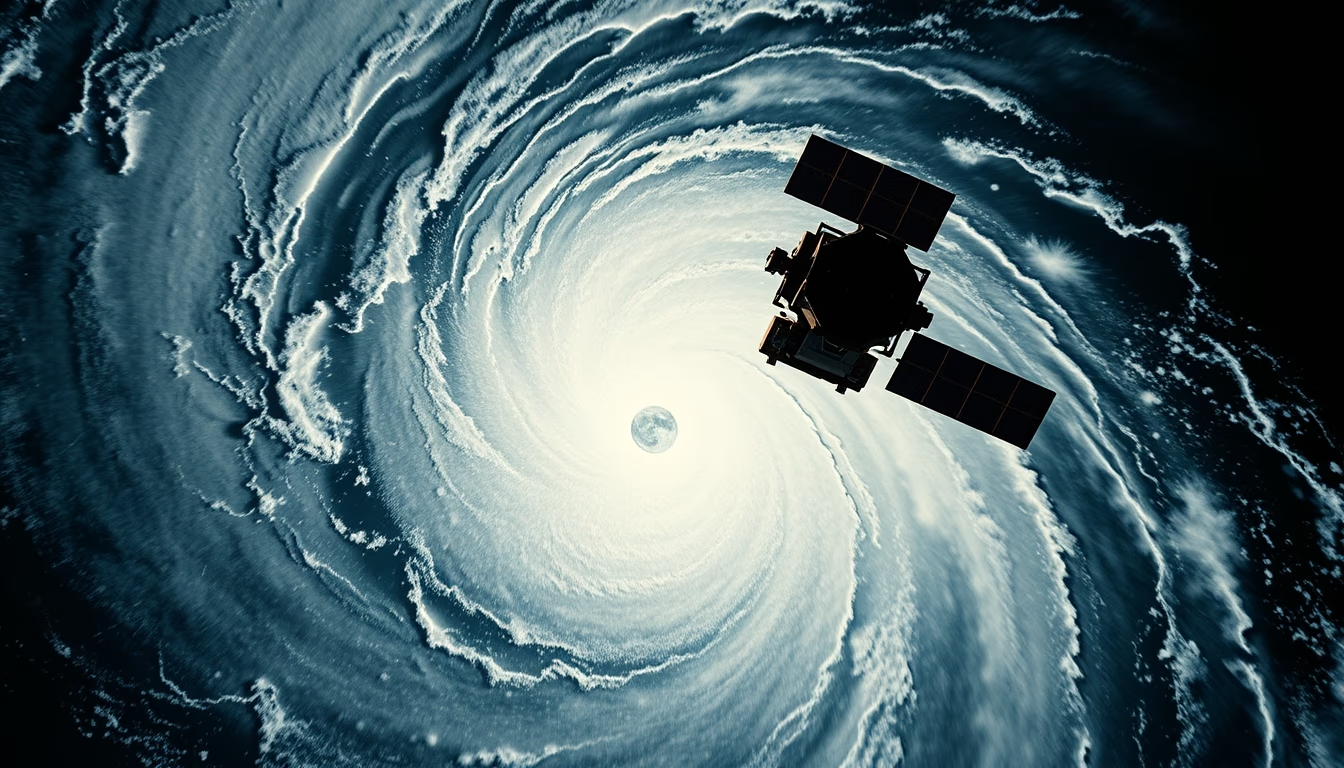
The global response came with the 1987 Montreal Protocol, which banned CFC production. Since then, atmospheric concentrations of these gases have begun to decline. The ozone hole peaks between September and November, when stratospheric temperatures are lowest and polar stratospheric clouds form, accelerating reactions. Satellites such as NASA's Aura and ESA's Sentinel-5P continuously monitor the extent and thickness of the ozone layer.
Recent data show the ozone hole is slowly recovering. In 2023, the maximum area was about 26 million km², still large but smaller than peaks in the 1990s and 2000s. According to the World Meteorological Organization, the ozone layer is expected to return to 1980 levels over Antarctica by around 2066. The recovery is a rare success story of international environmental cooperation.
Interestingly, the ozone hole is not a literal hole but a region where ozone concentration drops below 220 Dobson units. Phenomena like volcanic eruptions can temporarily worsen ozone destruction, but the effect is secondary compared to CFCs.
Frequently Asked Questions
What causes the Antarctic ozone hole?
The main cause is chlorofluorocarbons (CFCs), chemicals released from aerosols and refrigeration systems. During the Antarctic spring, low temperatures form clouds that accelerate the reaction of CFCs with ozone, destroying it.
Is the ozone hole recovering?
Yes, since the Montreal Protocol in 1987, CFC emissions have dropped. The ozone hole has been gradually shrinking, and the ozone layer is expected to return to 1980 levels over Antarctica by around 2066.
How do satellites monitor the ozone hole?
Satellites like NASA's Aura and ESA's Sentinel-5P measure stratospheric ozone concentration using spectrometers. They provide daily global maps of ozone layer thickness, allowing tracking of the ozone hole's evolution.
Direct URL
https://pub-c7d6a6ea828543ac903a74a341ccb2e1.r2.dev/imagens/antarctic-ozone-hole-long-exposure-fresh11.avifHow to credit
Include a visible link back to UtilizAí. Copy one of the snippets below:
<a href="https://xn--utiliza-eza.com/en/midia/imagens/antarctic-ozone-hole-long-exposure-fresh11">Antarctic ozone hole</a> by <a href="https://xn--utiliza-eza.com">UtilizAí</a>, licensed under <a href="https://creativecommons.org/licenses/by/4.0/">CC BY 4.0</a>.
[Antarctic ozone hole](https://xn--utiliza-eza.com/en/midia/imagens/antarctic-ozone-hole-long-exposure-fresh11) by [UtilizAí](https://xn--utiliza-eza.com), CC BY 4.0
License: CC-BY-4.0