Antarctic ozone hole
1344×768 · AVIF · CC BY 4.0
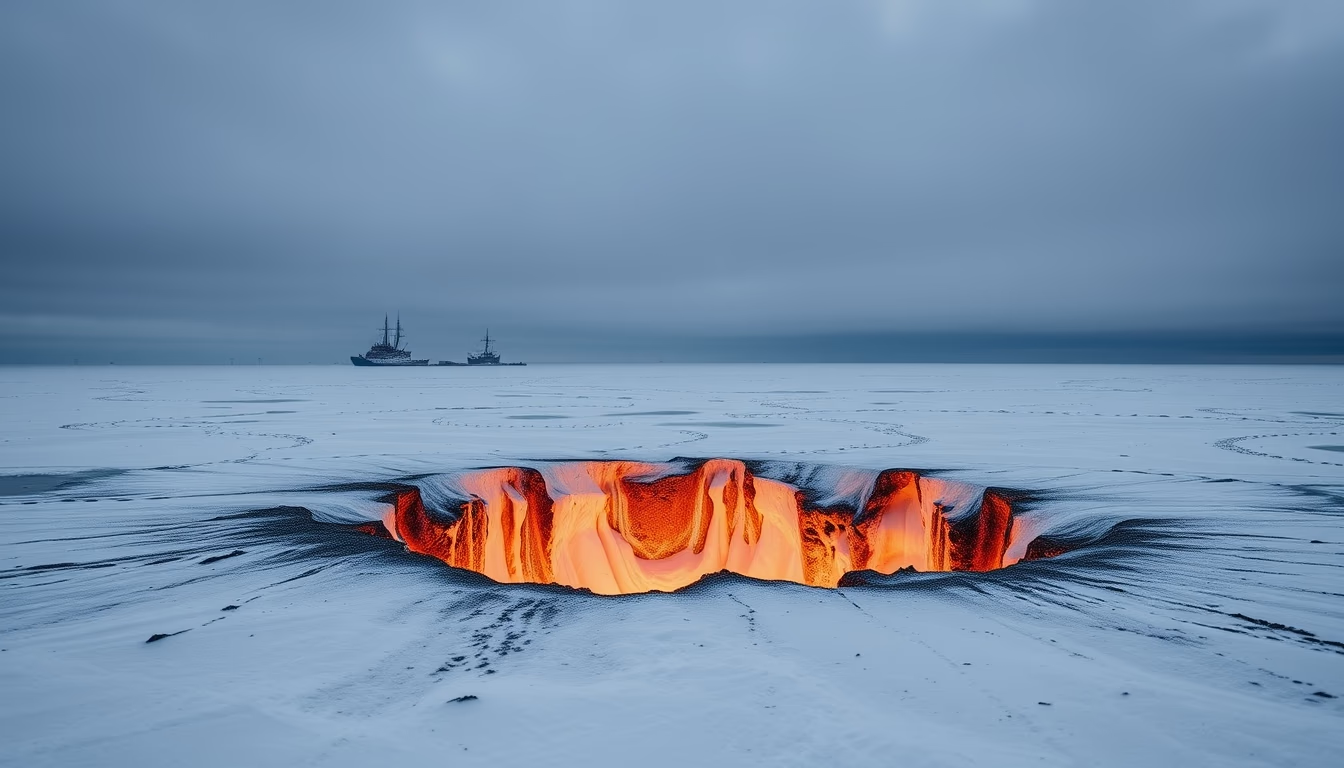
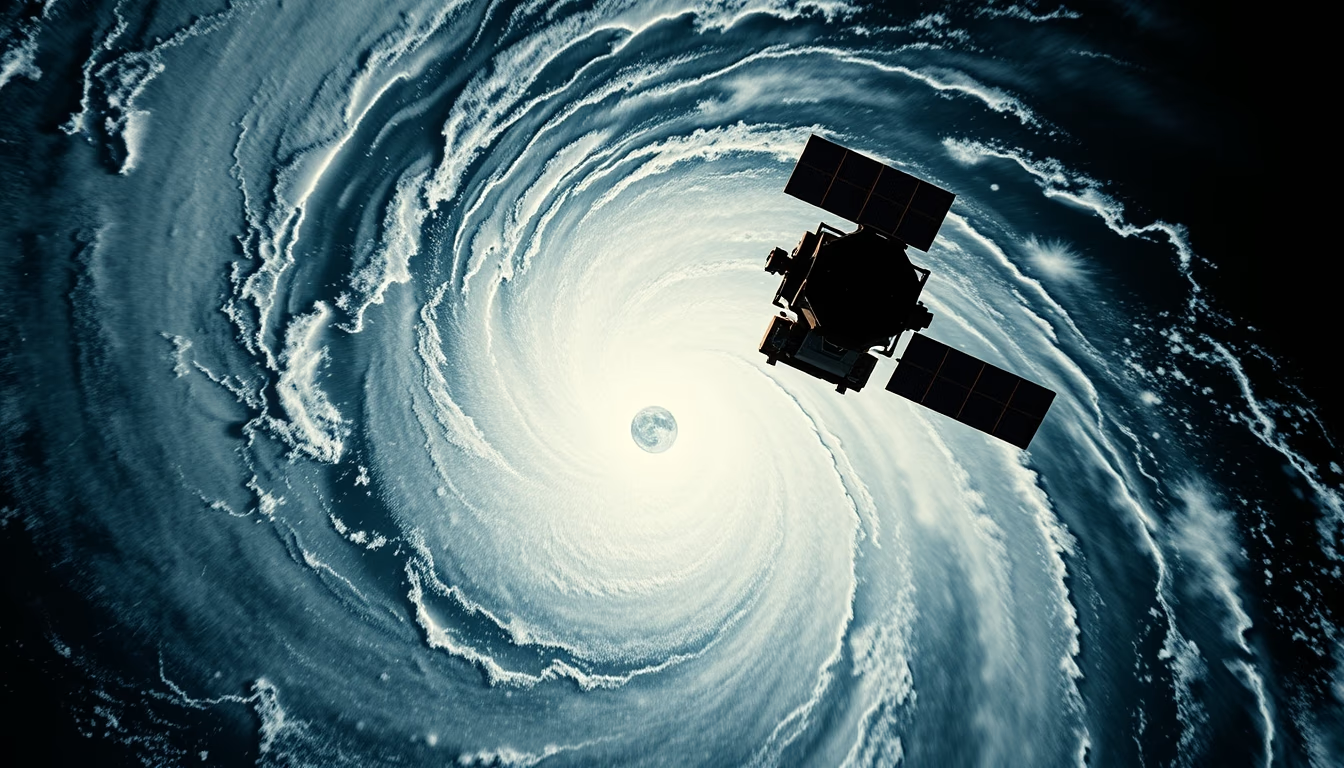
The Antarctic ozone hole is a seasonal phenomenon that spurred the Montreal Protocol and is now showing signs of slow recovery.
About this subject
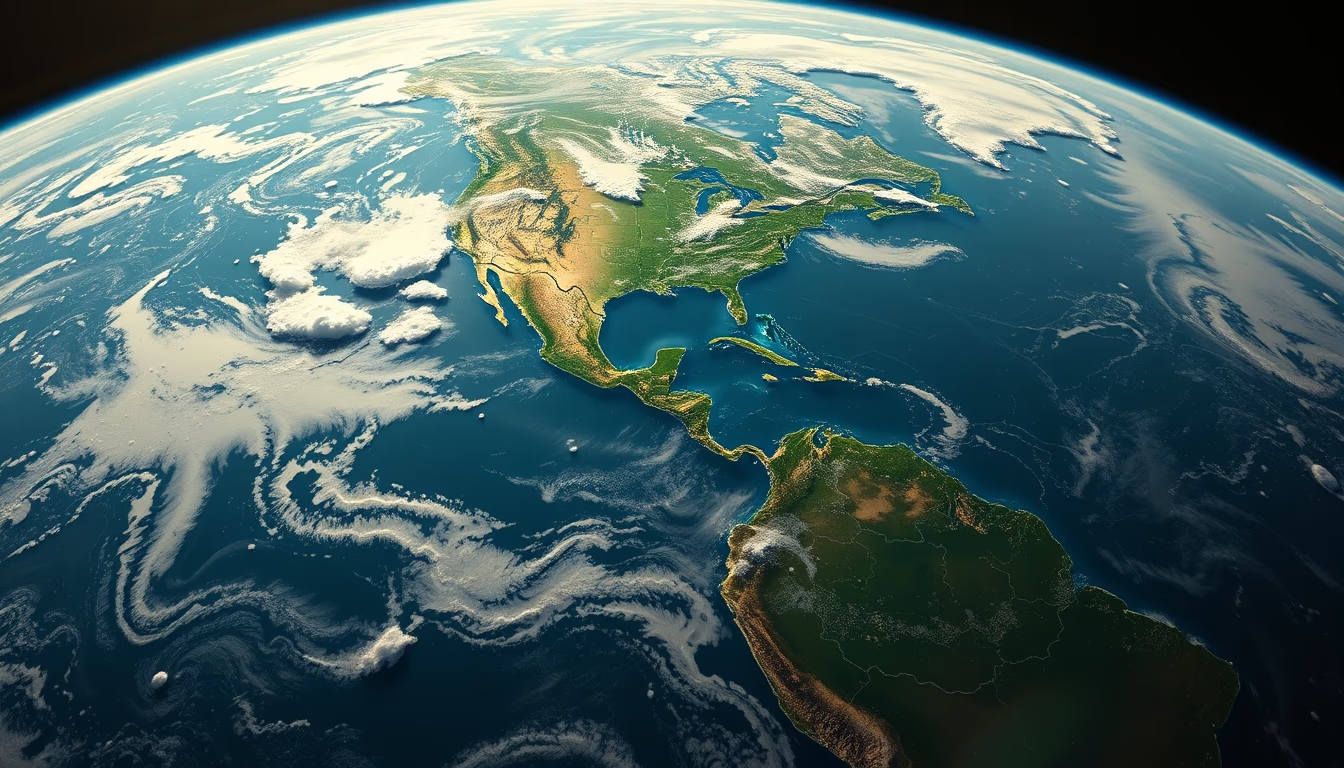
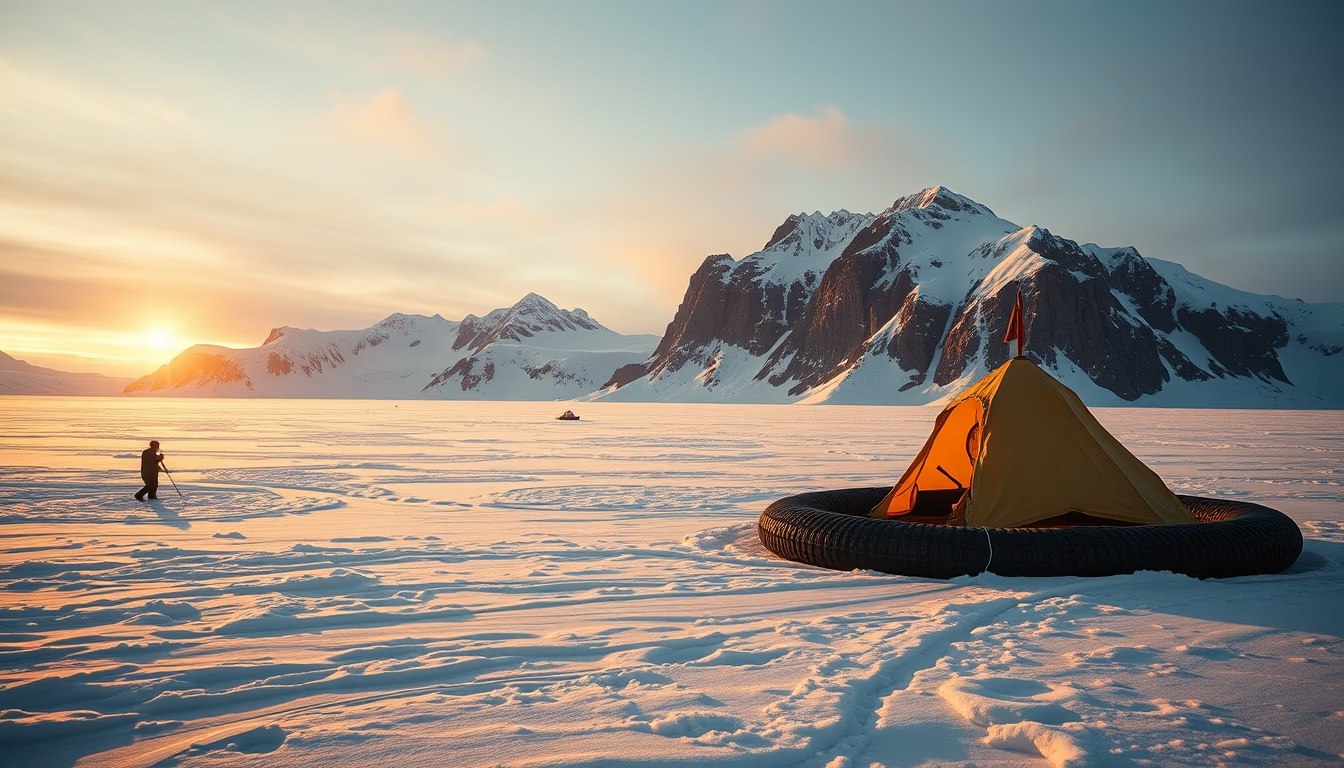
The Antarctic ozone hole is an area of severe thinning of the ozone layer in the stratosphere, occurring primarily during the austral spring (September to November). It was discovered in 1985 by scientists from the British Antarctic Survey, who observed drastic drops in ozone concentrations above the Halley station. The main cause is the release of chlorofluorocarbons (CFCs) and other halogenated compounds, used in aerosols, refrigeration, and solvents. These gases rise to the stratosphere, where they are broken down by ultraviolet radiation, releasing chlorine and bromine that catalytically destroy ozone molecules.
The phenomenon is exacerbated by polar conditions: during the Antarctic winter, polar vortices isolate the region, allowing polar stratospheric clouds to form. These clouds facilitate reactions that activate chlorine. With the return of sunlight in spring, active chlorine rapidly destroys ozone, creating the hole. The hole's size varies yearly, influenced by weather patterns and stratospheric temperatures.
In response, the international community adopted the Montreal Protocol in 1987, which phased out the production of CFCs and other depleters. This treaty is considered one of the most successful environmental agreements. Since the peak in the 1990s, ozone concentrations over Antarctica have shown gradual signs of recovery, with projections of full closure around 2060 to 2070, though year-to-year variability persists. In 2023, the hole reached its seventh largest size on record, reminding that recovery is not linear.
Frequently Asked Questions
What exactly is the ozone hole?
It is a region in the stratosphere over Antarctica where ozone concentration drops drastically, below 220 Dobson units, during the austral spring. It is not a literal hole but extreme thinning.
How did the Montreal Protocol help reduce the ozone hole?
The protocol banned the production of CFCs and other ozone-depleting substances. Over time, the release of these gases decreased, allowing the ozone layer to slowly recover.
Is the ozone hole fully recovered yet?
No. A seasonal ozone hole still forms over Antarctica, but the trend is gradual reduction. Full recovery is expected by mid-21st century, subject to weather conditions.
Direct URL
https://pub-c7d6a6ea828543ac903a74a341ccb2e1.r2.dev/imagens/antarctic-ozone-hole-fine-art-photography-fresh2.avifHow to credit
Include a visible link back to UtilizAí. Copy one of the snippets below:
<a href="https://xn--utiliza-eza.com/en/midia/imagens/antarctic-ozone-hole-fine-art-photography-fresh2">Antarctic ozone hole</a> by <a href="https://xn--utiliza-eza.com">UtilizAí</a>, licensed under <a href="https://creativecommons.org/licenses/by/4.0/">CC BY 4.0</a>.
[Antarctic ozone hole](https://xn--utiliza-eza.com/en/midia/imagens/antarctic-ozone-hole-fine-art-photography-fresh2) by [UtilizAí](https://xn--utiliza-eza.com), CC BY 4.0
License: CC-BY-4.0