Antarctic ozone hole
1344×768 · AVIF · CC BY 4.0
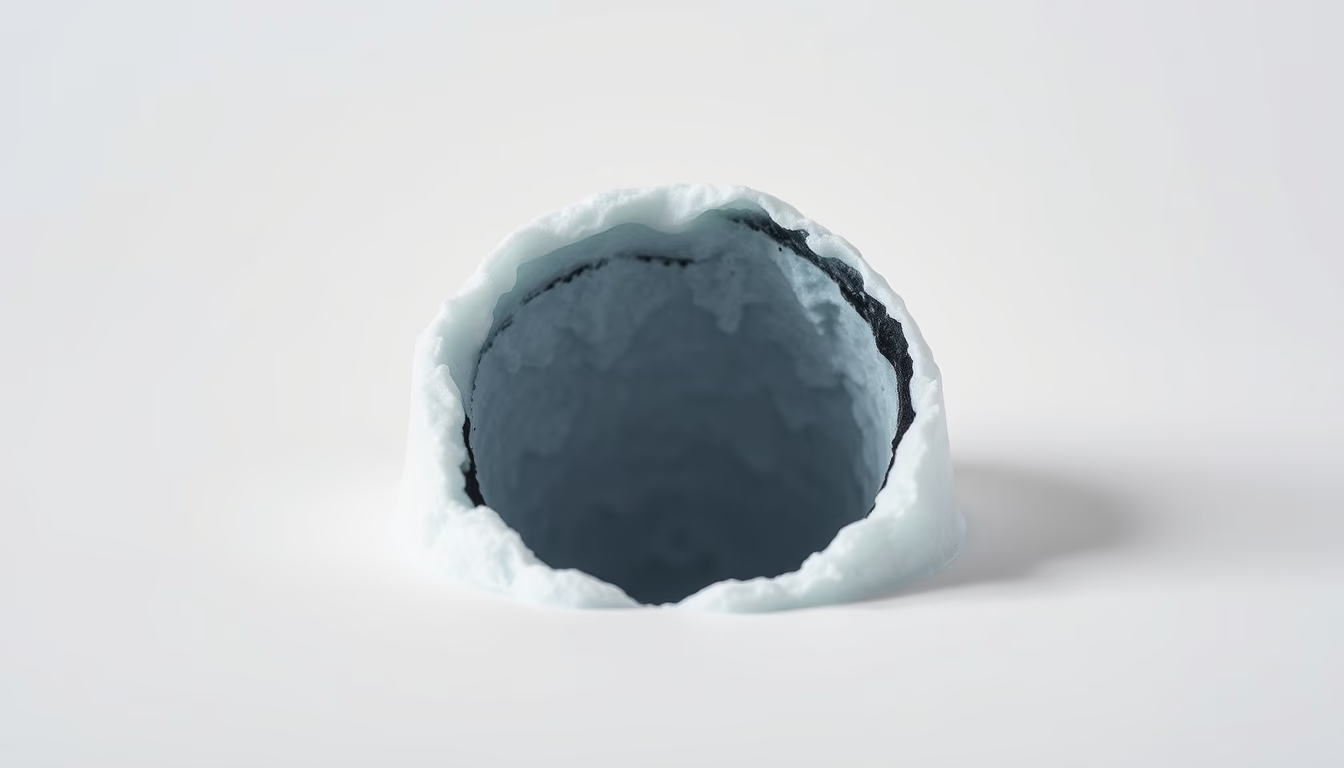
The Antarctic ozone hole is a seasonal phenomenon monitored by satellites since the 1970s. Learn about its causes and evolution.
About this subject
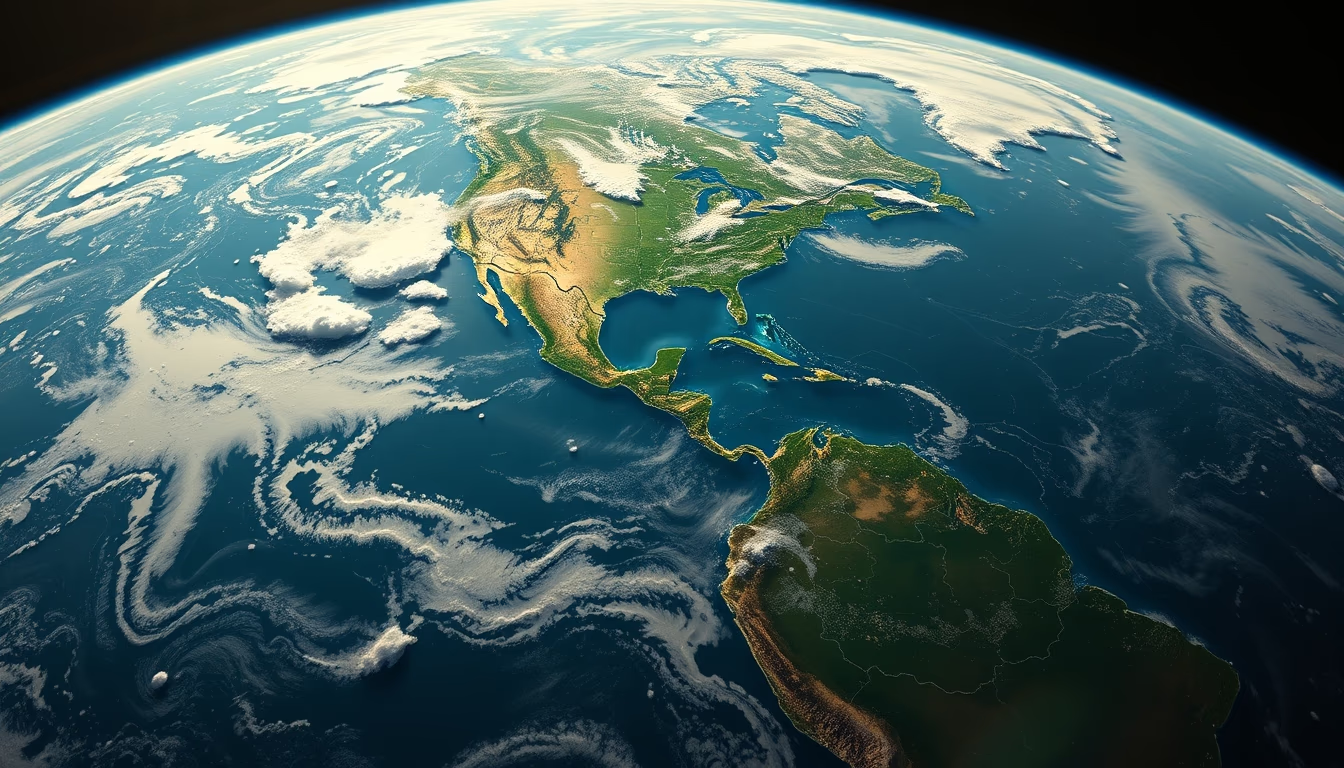
The Antarctic ozone hole is a drastic reduction in stratospheric ozone concentration that occurs during the austral spring (September to November). Discovered in 1985 by scientists at the British Antarctic Survey, the phenomenon is primarily caused by the emission of chlorofluorocarbons (CFCs) and other halogenated compounds used in aerosols, refrigeration, and foams. These gases rise to the stratosphere and, under extremely low temperatures and the presence of polar stratospheric clouds, release chlorine and bromine that catalytically destroy ozone.
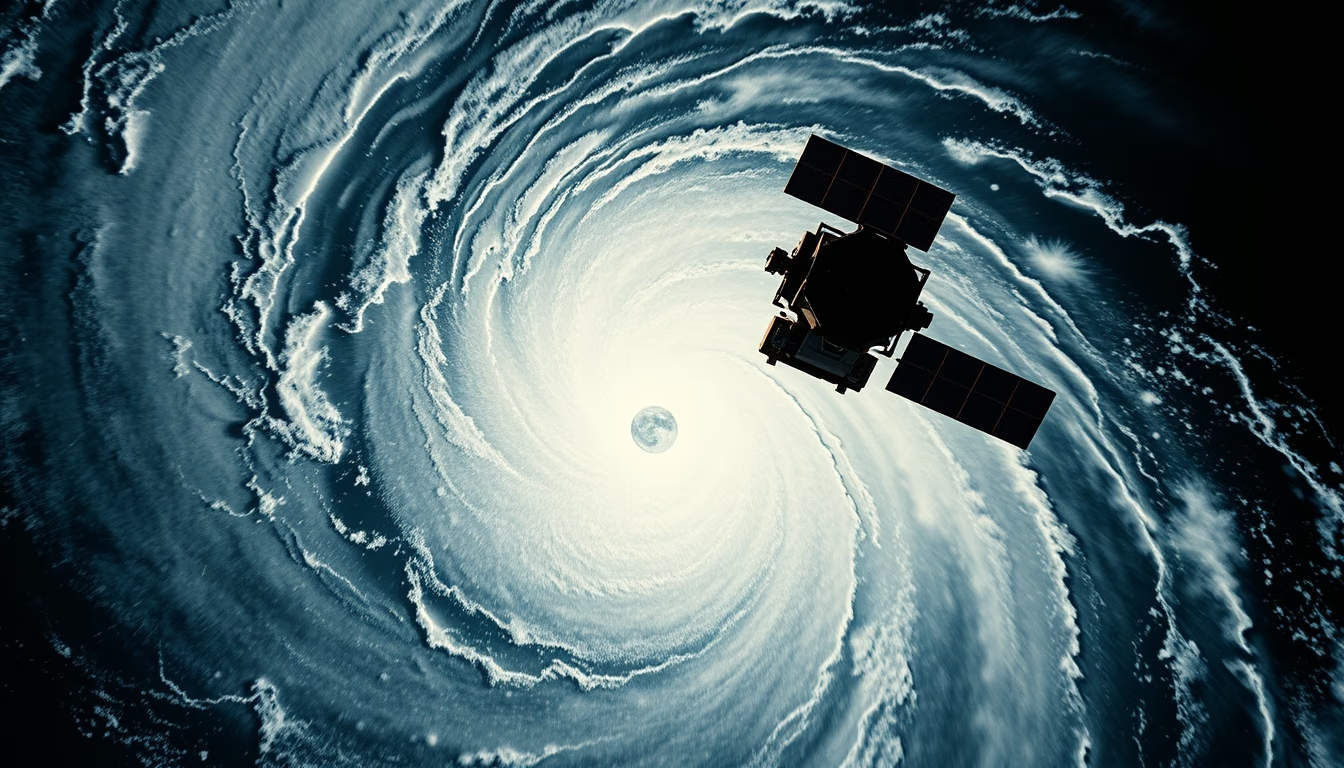
Satellite monitoring, such as by the Total Ozone Mapping Spectrometer (TOMS) and the Ozone Monitoring Instrument (OMI), allows measurement of the hole's extent and thickness. The largest recorded area was approximately 28 million km² in September 2000, roughly three times the size of Brazil. The adoption of the Montreal Protocol in 1987, which banned CFC production, has led to a slow recovery: since 2000, the hole's area has gradually decreased, albeit with year-to-year variations due to meteorological factors.
The importance of stratospheric ozone lies in its absorption of ultraviolet B (UV-B) radiation, which causes skin cancer and damages ecosystems. Without the ozone layer, life on Earth's surface would be unsustainable. Full recovery of the Antarctic hole is expected around 2060-2080, according to the World Meteorological Organization. Interestingly, the hole also influences polar climate and wind patterns, and its dynamics are a key indicator of global atmospheric health.
Frequently Asked Questions
What causes the Antarctic ozone hole?
The ozone hole is caused by chemicals like chlorofluorocarbons (CFCs), which release chlorine and bromine in the stratosphere, destroying ozone, particularly over Antarctica during spring due to cold temperatures and polar stratospheric clouds.
Is the ozone hole shrinking?
Yes, since the adoption of the Montreal Protocol in 1987, the hole's area has gradually decreased. Full recovery is expected between 2060 and 2080, though with year-to-year variations.
How do satellites monitor the ozone hole?
Satellites like the Ozone Monitoring Instrument (OMI) measure total column ozone, mapping the hole's extent and thickness, providing critical data for tracking the health of the ozone layer.
Direct URL
https://pub-c7d6a6ea828543ac903a74a341ccb2e1.r2.dev/imagens/antarctic-ozone-hole-commercial-product-photography-fresh4.avifHow to credit
Include a visible link back to UtilizAí. Copy one of the snippets below:
<a href="https://xn--utiliza-eza.com/en/midia/imagens/antarctic-ozone-hole-commercial-product-photography-fresh4">Antarctic ozone hole</a> by <a href="https://xn--utiliza-eza.com">UtilizAí</a>, licensed under <a href="https://creativecommons.org/licenses/by/4.0/">CC BY 4.0</a>.
[Antarctic ozone hole](https://xn--utiliza-eza.com/en/midia/imagens/antarctic-ozone-hole-commercial-product-photography-fresh4) by [UtilizAí](https://xn--utiliza-eza.com), CC BY 4.0
License: CC-BY-4.0