Air plants tillandsia
1344×768 · AVIF · CC BY 4.0
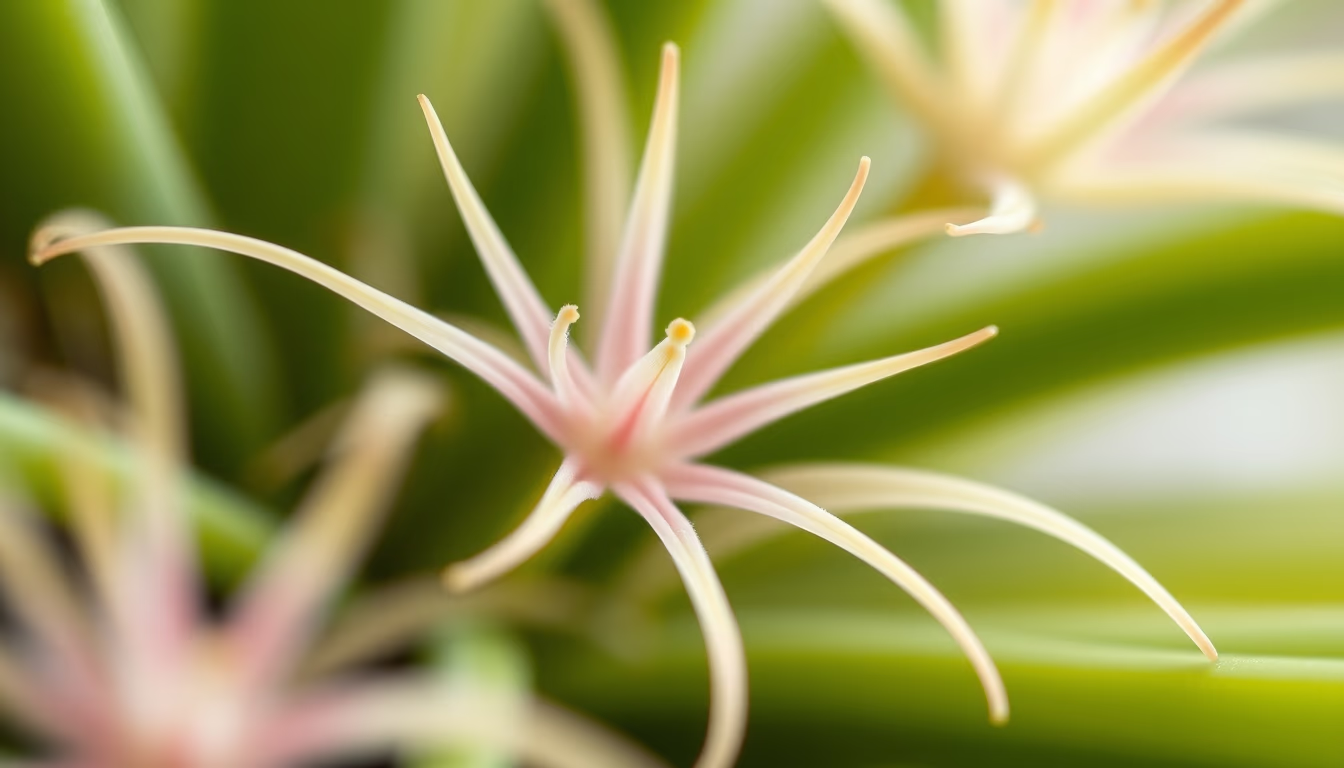
Tillandsia, known as air plants, are epiphytes that need no soil and absorb nutrients through their leaves, native to the Americas.
About this subject
Tillandsia is a genus of bromeliads comprising over 650 species, all epiphytic or lithophytic. They grow on other plants, branches, or rocks without parasitizing them, obtaining moisture and nutrients from the air, rain, and accumulated organic matter. Their natural range extends from the southern United States to Argentina, with the highest diversity in Mexico, Central America, and the Andes. Unlike traditional plants, Tillandsia roots serve only for attachment, not absorption.
The key adaptation of these plants is the trichomes, scale-like structures on leaves that capture water and minerals. These trichomes give them a silvery or grayish appearance, especially in species from drier regions. In humid environments like rainforests, leaves tend to be greener and smoother. Flowers are vibrant, lasting from days to months, and the mother plant dies after flowering but produces offsets (pups) to continue the colony.
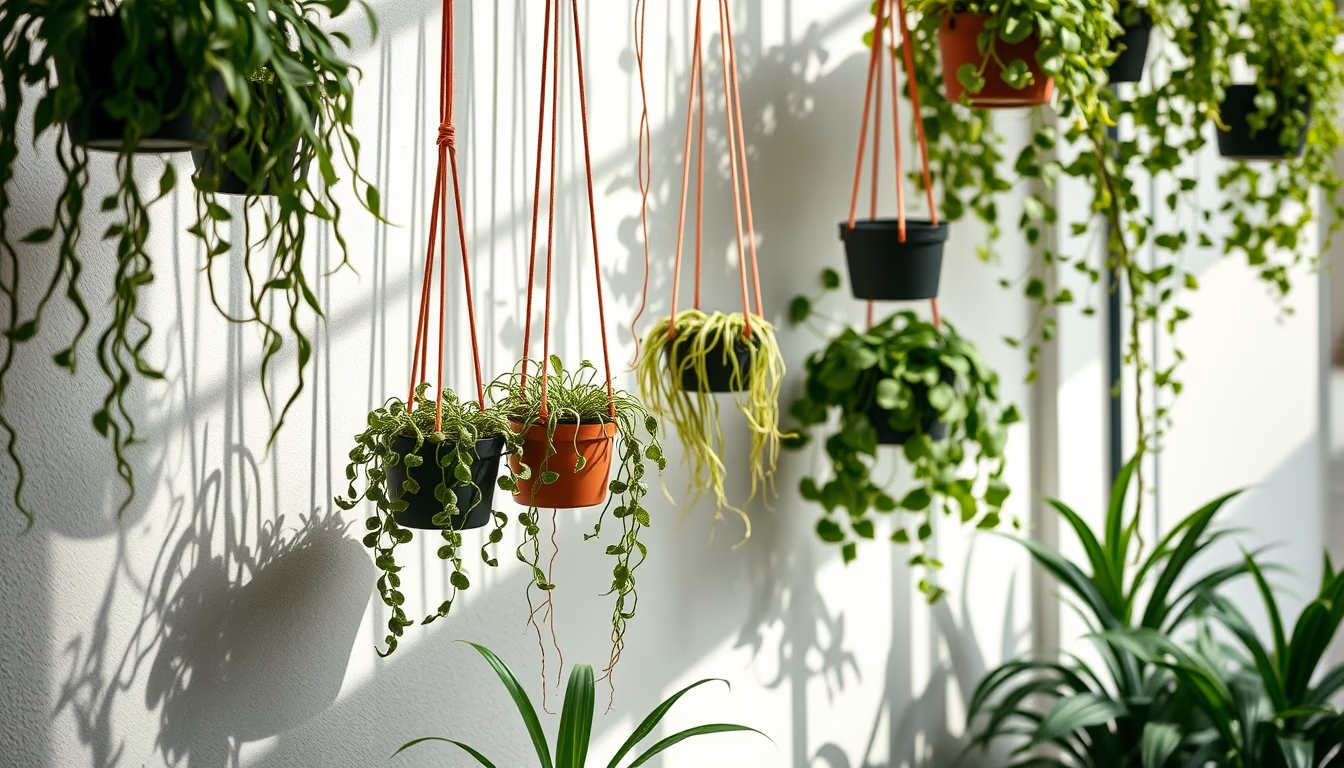
In home cultivation, Tillandsia have gained popularity for their low maintenance and decorative versatility. They need no soil, being mounted on driftwood, rocks, or metal frames. Watering is done by soaking or misting, one to three times a week depending on humidity. Popular species include Tillandsia ionantha, Tillandsia xerographica, and Tillandsia usneoides (Spanish moss). They are sensitive to overwatering and poor air circulation, requiring bright indirect light to thrive.
Frequently Asked Questions
How should I water a Tillandsia properly?
The best method is soaking: submerge the plant in filtered or rainwater for 20 to 30 minutes once a week (every two weeks in humid climates). After soaking, shake off excess water and place it upside down in a well-ventilated area to dry completely within 4 hours.
Does Tillandsia need soil to grow?
No. Tillandsias are epiphytes and do not require soil. Their roots are only for attachment to supports like bark, rocks, or driftwood. Planting them in regular potting mix can cause rot due to excess moisture.
How do I mount a Tillandsia onto a support?
Use plant-safe glue (such as hot glue or aquarium silicone), coated wire, or nylon thread. Attach firmly without damaging the leaves. Ensure the base of the plant contacts the support so roots can grasp naturally.
Direct URL
https://pub-c7d6a6ea828543ac903a74a341ccb2e1.r2.dev/imagens/air-plants-tillandsia-macro-closeup-fresh12.avifHow to credit
Include a visible link back to UtilizAí. Copy one of the snippets below:
<a href="https://xn--utiliza-eza.com/en/midia/imagens/air-plants-tillandsia-macro-closeup-fresh12">Air plants tillandsia</a> by <a href="https://xn--utiliza-eza.com">UtilizAí</a>, licensed under <a href="https://creativecommons.org/licenses/by/4.0/">CC BY 4.0</a>.
[Air plants tillandsia](https://xn--utiliza-eza.com/en/midia/imagens/air-plants-tillandsia-macro-closeup-fresh12) by [UtilizAí](https://xn--utiliza-eza.com), CC BY 4.0
License: CC-BY-4.0