Accordion bellows old
1344×768 · AVIF · CC BY 4.0
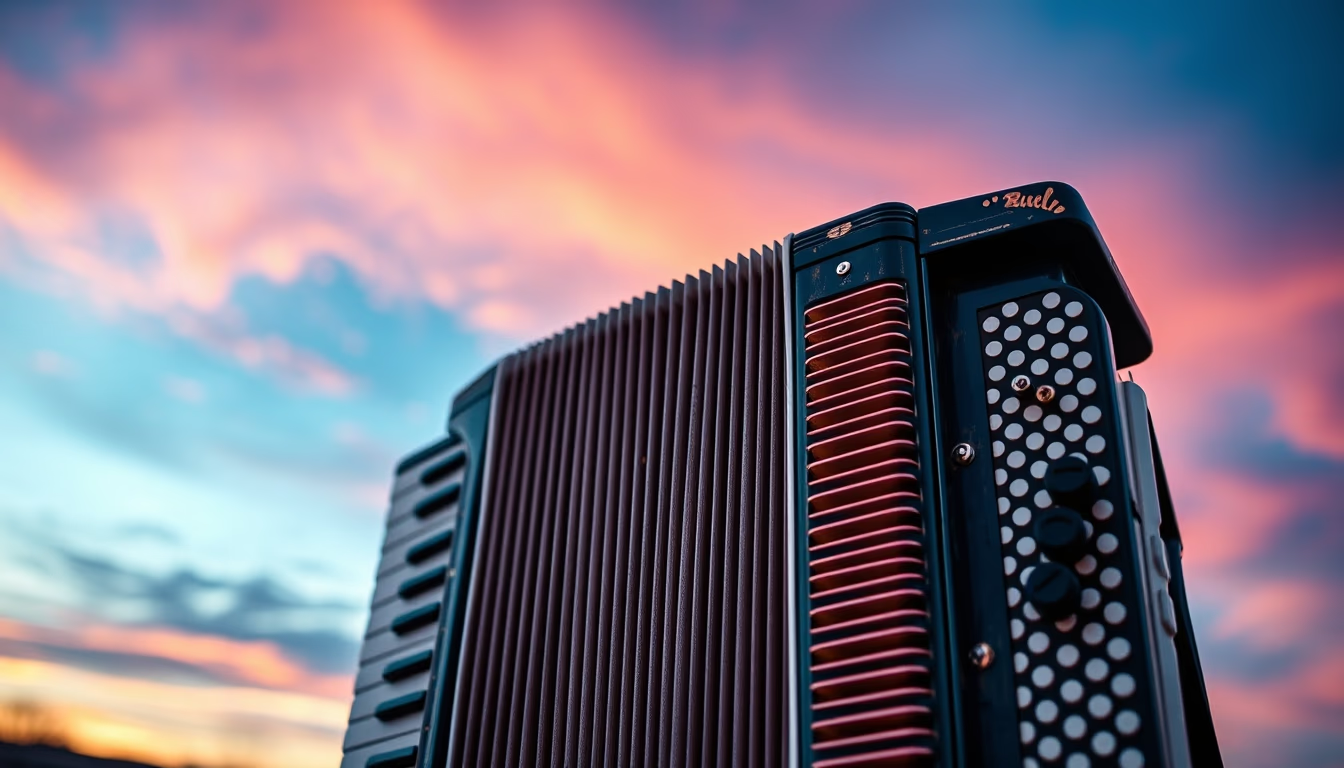
The bellows of an old accordion are an essential component that produces the instrument's characteristic sound, combining craftsmanship and musical tradition.
About this subject
The bellows are the heart of the accordion, responsible for generating the airflow that vibrates the metal reeds. Crafted manually, they consist of multiple layers of cardboard, fabric, and leather, reinforced with metal corners. The number of folds varies by model: concert accordions may have up to 24 folds, while regional instruments use fewer. Perfect sealing is crucial; any leak compromises the sound.
Historically, the modern accordion was patented in 1829 by Cyrill Demian in Vienna. Bellows evolved from rudimentary single-action designs to double-action systems that produce sound both when opening and closing. This innovation made the instrument suitable for fast dances and folk music.
Culturally, the accordion is a symbol of popular celebrations in Brazil, such as forró in the Northeast, polca in the South, and traditional sertanejo music. In Europe, it is associated with Argentine tango and Cajun music. The longevity of old bellows attests to the quality of traditional materials, such as goatskin and waxed cardboard. Accordions from the first half of the 20th century are highly valued by collectors and musicians, as their bellows, though stiff with age, produce a rich, nostalgic tone.
Frequently Asked Questions
How do accordion bellows work?
The bellows are compressed and expanded manually, forcing air over metal reeds that vibrate to produce sound. The controlled motion of the bellows, combined with pressing buttons or keys, determines the note and intensity.
What materials are used to make accordion bellows?
Traditionally, special cardboard, linen or cotton fabric, goatskin for the flaps, and aluminum or brass corner protectors are used. Vintage models employ animal glue and waxing for waterproofing.
Why are old accordions especially valuable?
Beyond historical value, old bellows are crafted with premium materials and handwork that impart a unique tone. The patina from years of use and the scarcity of repairs increase their appreciation among restorers and musicians.
Direct URL
https://pub-c7d6a6ea828543ac903a74a341ccb2e1.r2.dev/imagens/accordion-bellows-old-long-exposure-p5.avifHow to credit
Include a visible link back to UtilizAí. Copy one of the snippets below:
<a href="https://xn--utiliza-eza.com/en/midia/imagens/accordion-bellows-old-long-exposure-p5">Accordion bellows old</a> by <a href="https://xn--utiliza-eza.com">UtilizAí</a>, licensed under <a href="https://creativecommons.org/licenses/by/4.0/">CC BY 4.0</a>.
[Accordion bellows old](https://xn--utiliza-eza.com/en/midia/imagens/accordion-bellows-old-long-exposure-p5) by [UtilizAí](https://xn--utiliza-eza.com), CC BY 4.0
License: CC-BY-4.0