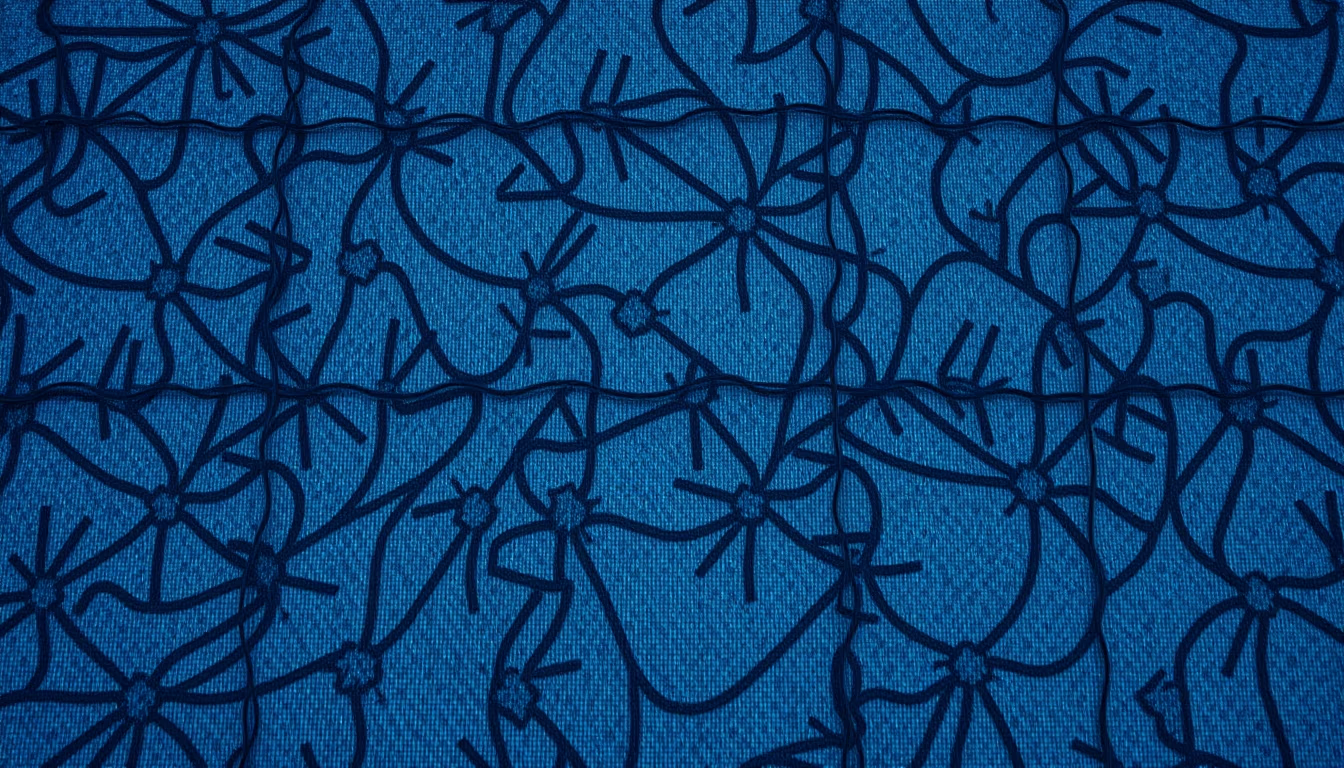
Tapestry medieval flemish
1344×768 · AVIF · CC BY 4.0
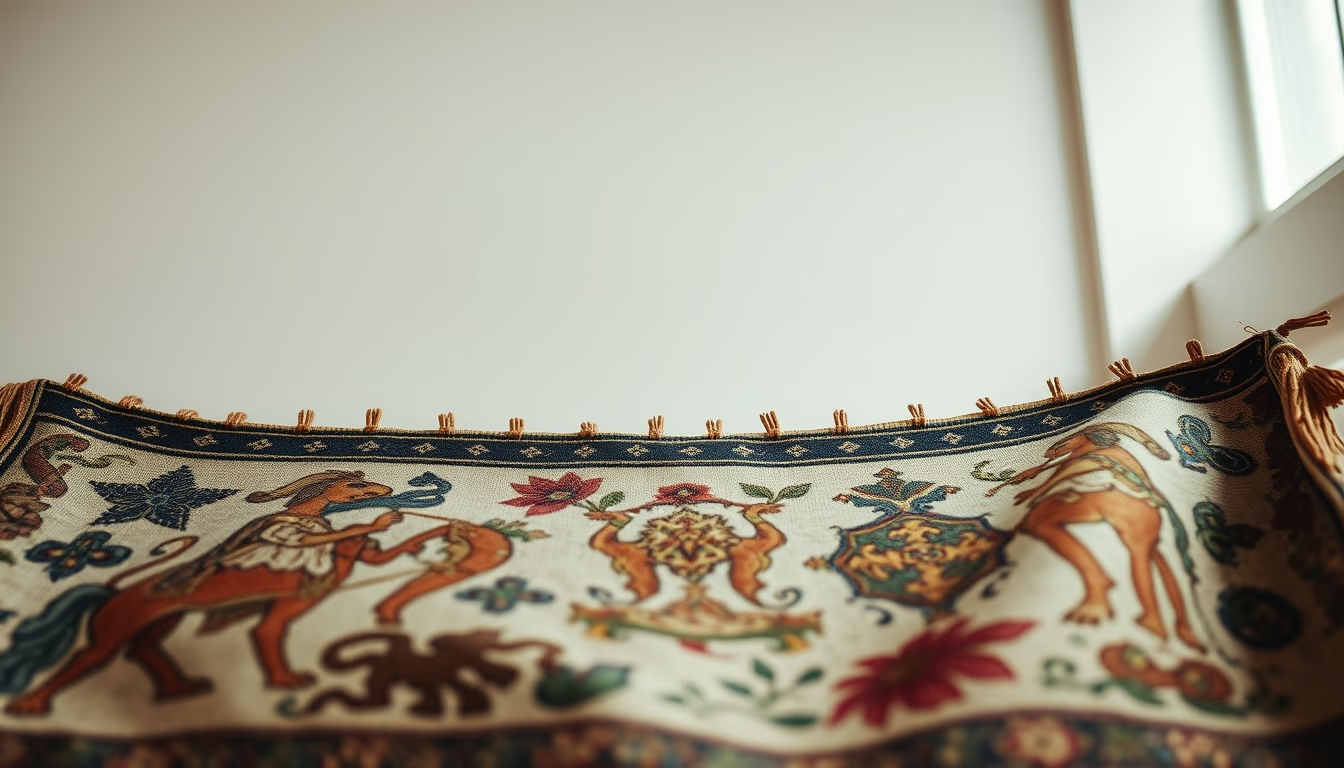
Medieval Flemish tapestries are textile masterpieces depicting historical and mythological scenes, produced in the 15th and 16th centuries in the Flanders region.
About this subject
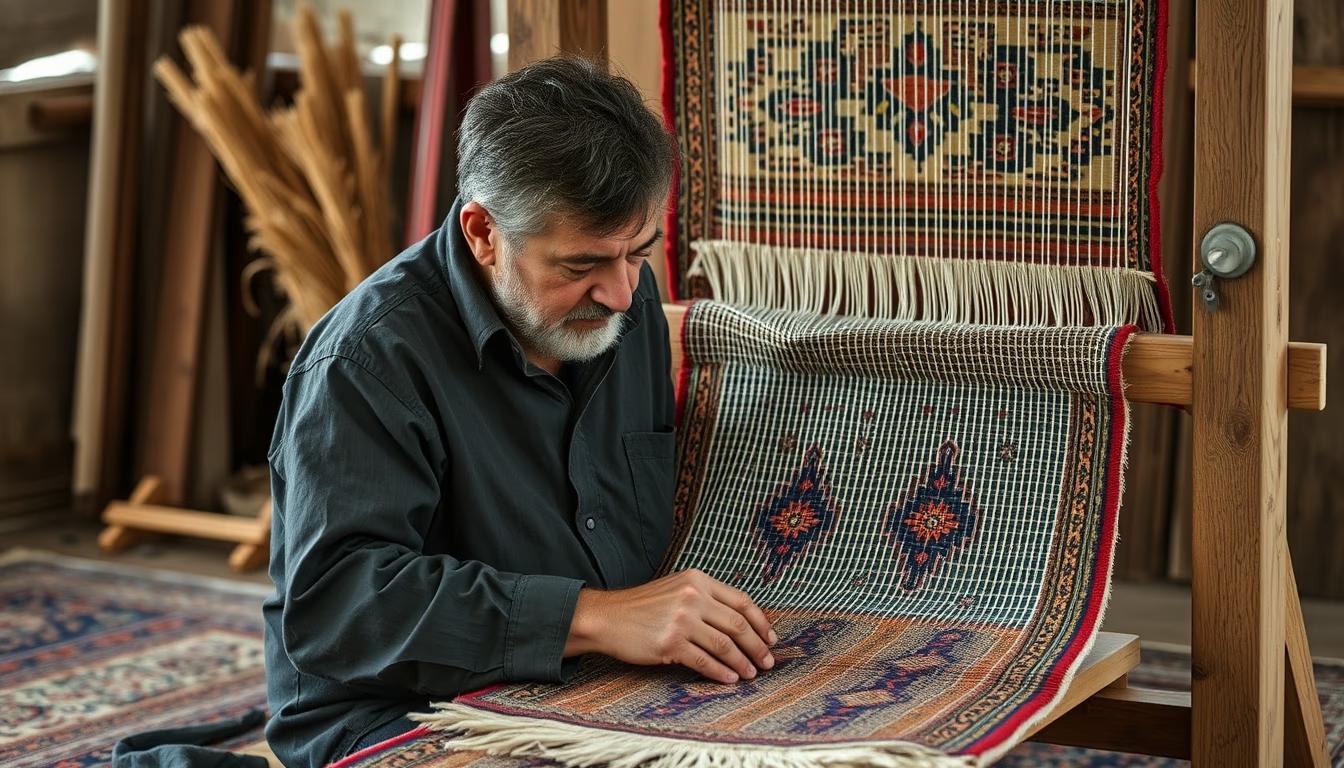
Medieval Flemish tapestries are among the most refined artistic expressions of the late Gothic and Renaissance periods. Produced in the textile centers of Bruges, Brussels, Ghent, and Tournai, these pieces were handwoven on looms using wool and silk, with gold and silver threads for opulent details. The designs were often based on cartoons created by renowned painters such as Bernard van Orley and Pieter Coecke van Aelst, which were then interpreted by skilled weavers.
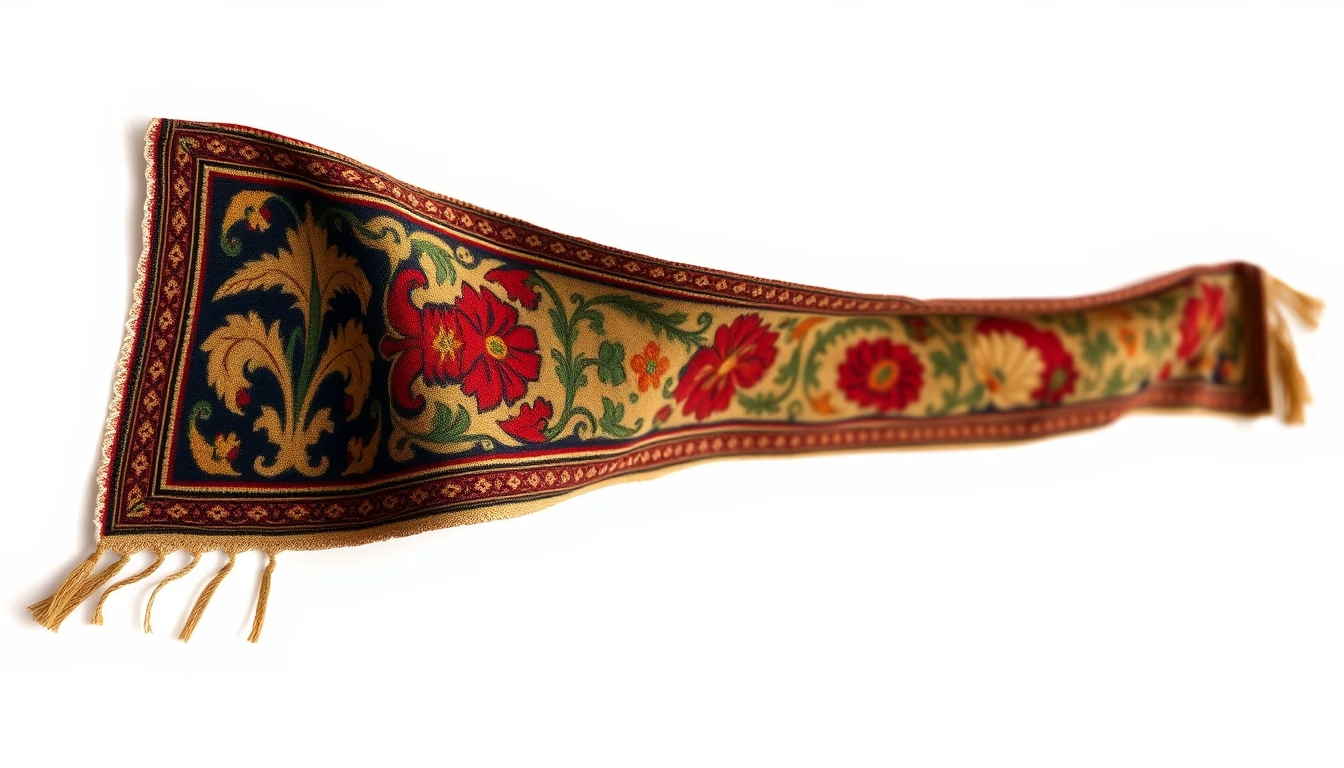
Themes ranged from biblical scenes and moral allegories to episodes of classical history and chivalric romances. A distinctive feature was the "millefleurs" (thousand flowers) background, with small flowers and foliage creating a naturalistic setting. These tapestries served not only to insulate and decorate castle rooms but also as symbols of power and wealth, frequently displayed at ceremonial occasions and carried during travels.
The production of a single tapestry could take years and involve dozens of artisans. The famous "Hunt of the Unicorn" series, now at the Metropolitan Museum of Art, is an emblematic example of the Flemish style, with its rich symbolism and technical detail. As the feudal nobility declined and demand shifted toward lighter tapestries in the 17th century, the Flemish style evolved, but its legacy endures as a testament to medieval textile ingenuity.
Frequently Asked Questions
How were medieval Flemish tapestries made?
They were handwoven on high-warp or low-warp looms using wool, silk, and metallic threads. Weavers followed cartoons (full-scale drawings) provided by painters.
What themes were most common in Flemish tapestries?
Biblical scenes, moral allegories, mythological and historical episodes, and chivalric romances. The millefleurs background was a distinctive feature.
Where can I see original Flemish tapestries today?
Major collections are at the Metropolitan Museum of Art (New York), the Musée de Cluny (Paris), the Rijksmuseum (Amsterdam), and museums in Brussels and Bern.
Direct URL
https://pub-c7d6a6ea828543ac903a74a341ccb2e1.r2.dev/imagens/tapestry-medieval-flemish-minimalist-composition-fresh15.avifHow to credit
Include a visible link back to UtilizAí. Copy one of the snippets below:
<a href="https://xn--utiliza-eza.com/en/midia/imagens/tapestry-medieval-flemish-minimalist-composition-fresh15">Tapestry medieval flemish</a> by <a href="https://xn--utiliza-eza.com">UtilizAí</a>, licensed under <a href="https://creativecommons.org/licenses/by/4.0/">CC BY 4.0</a>.
[Tapestry medieval flemish](https://xn--utiliza-eza.com/en/midia/imagens/tapestry-medieval-flemish-minimalist-composition-fresh15) by [UtilizAí](https://xn--utiliza-eza.com), CC BY 4.0
License: CC-BY-4.0