Tapestry medieval flemish
1344×768 · AVIF · CC BY 4.0
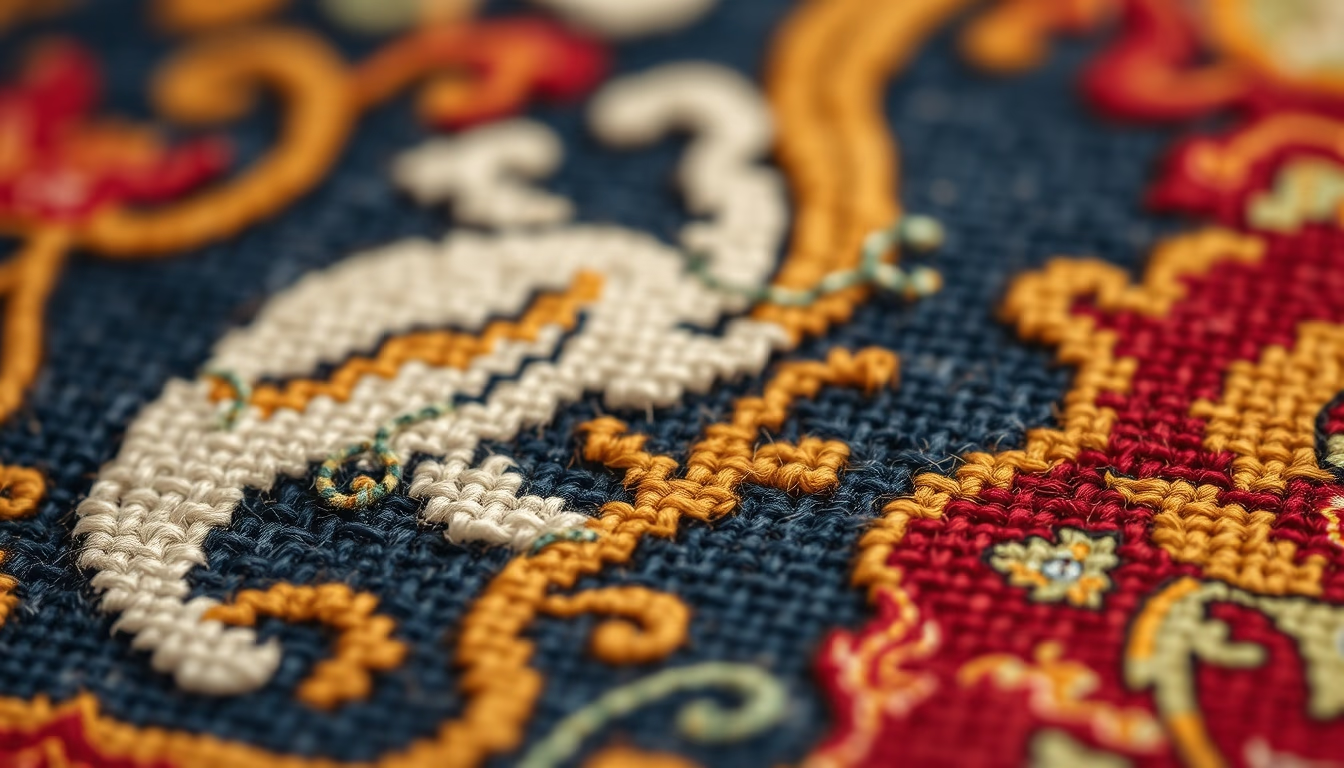
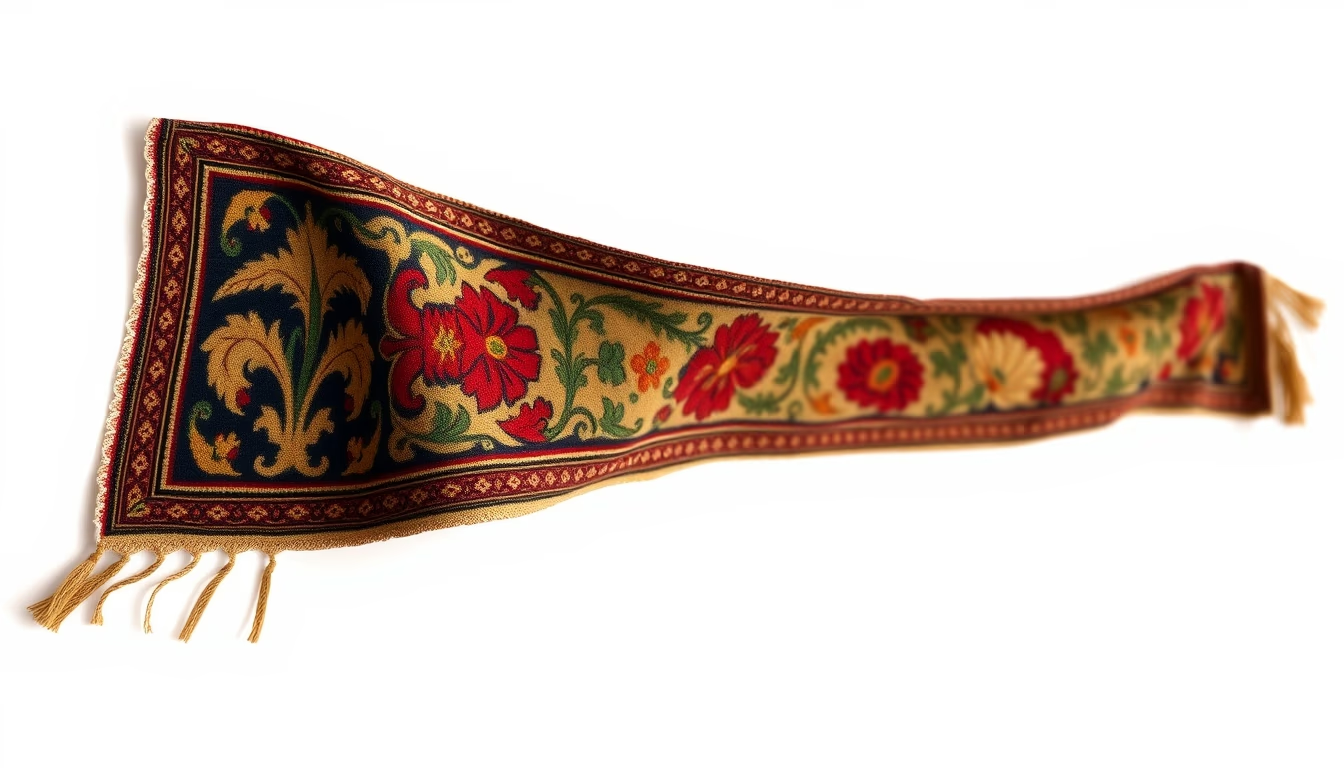
Intricate details of a medieval Flemish tapestry, woven with wool and silk threads, reveal scenes of courtly life and mythology.
About this subject
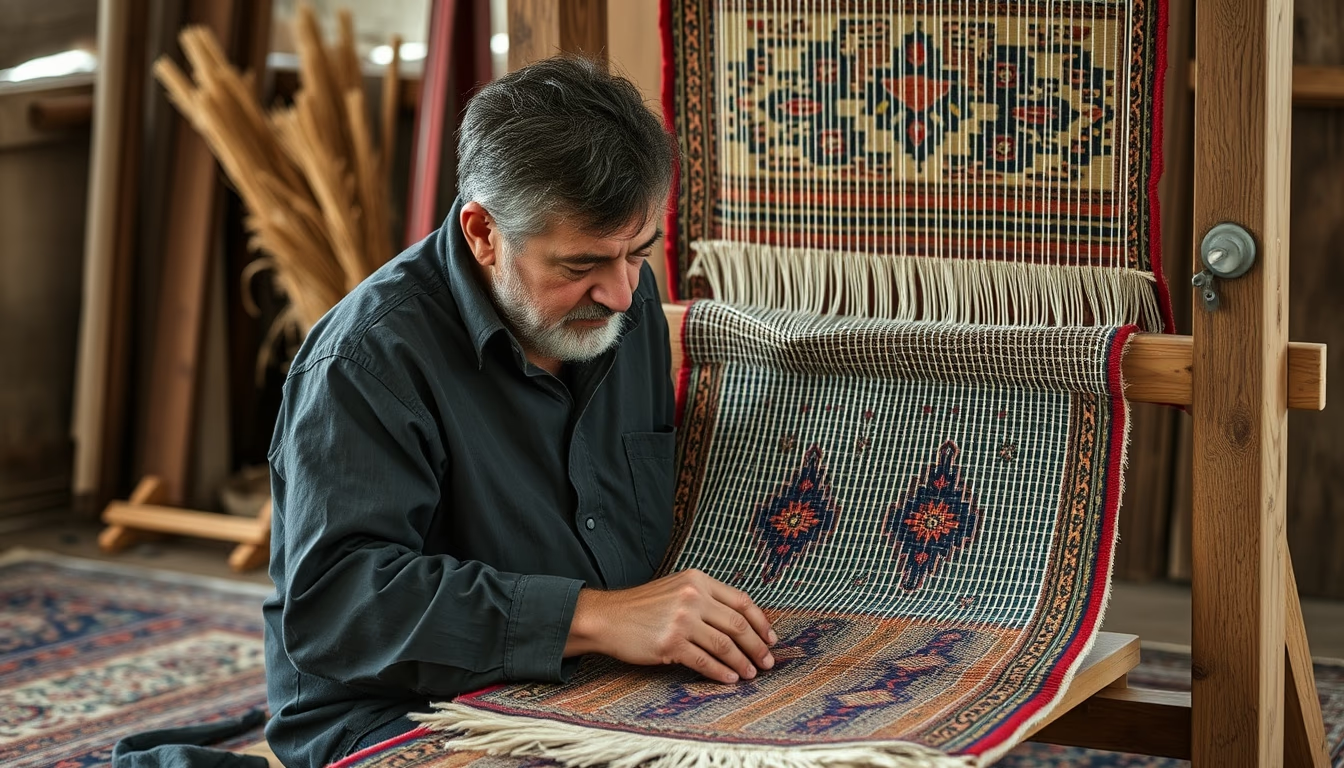
Flemish tapestries reached their peak in the 15th and 16th centuries, especially in centers like Brussels, Tournai, and Arras. These works were symbols of power and wealth, commissioned by kings, nobles, and churches to adorn walls and insulate against cold. Production involved highly specialized weavers working on high-warp looms, following designs by renowned artists.
The technique used wool threads dyed with natural colorants such as madder (red), woad (blue), and saffron (yellow), along with silk and metallic threads of gold and silver for shimmering details. The process was slow: one square meter of tapestry could take months to complete, with up to 20 warp threads per centimeter.
Themes ranged from biblical and mythological scenes to allegories of virtue and courtly love. Famous series, such as "The Hunt of the Unicorn" (now at the Metropolitan Museum) and the Pastrana tapestries, depict battles and historical feats. Each tapestry told a story, functioning as a visual book for a largely illiterate population.
Today, these works are treasures in museums worldwide, such as the Rijksmuseum, the Louvre, and the Musées Royaux d'Art et d'Histoire. The high level of detail and preservation allows appreciation of the artisanal skill and cultural richness of the medieval Low Countries.
Frequently Asked Questions
What makes Flemish tapestries unique?
The combination of refined technique, complex designs inspired by renowned painters, and the use of noble materials like silk and metallic threads created works of high artistic and economic value.
What were the most common themes?
Mythological, biblical, and hunting scenes, along with allegories of virtue and courtly love, reflecting the values of the nobility and the Church.
Where can I see original Flemish tapestries?
In museums such as the Rijksmuseum (Amsterdam), the Metropolitan Museum of Art (New York), the Louvre (Paris), and the Musées Royaux d'Art et d'Histoire (Brussels).
Direct URL
https://pub-c7d6a6ea828543ac903a74a341ccb2e1.r2.dev/imagens/tapestry-medieval-flemish-macro-closeup-fresh14.avifHow to credit
Include a visible link back to UtilizAí. Copy one of the snippets below:
<a href="https://xn--utiliza-eza.com/en/midia/imagens/tapestry-medieval-flemish-macro-closeup-fresh14">Tapestry medieval flemish</a> by <a href="https://xn--utiliza-eza.com">UtilizAí</a>, licensed under <a href="https://creativecommons.org/licenses/by/4.0/">CC BY 4.0</a>.
[Tapestry medieval flemish](https://xn--utiliza-eza.com/en/midia/imagens/tapestry-medieval-flemish-macro-closeup-fresh14) by [UtilizAí](https://xn--utiliza-eza.com), CC BY 4.0
License: CC-BY-4.0