Taiko drum japanese
1344×768 · AVIF · CC BY 4.0
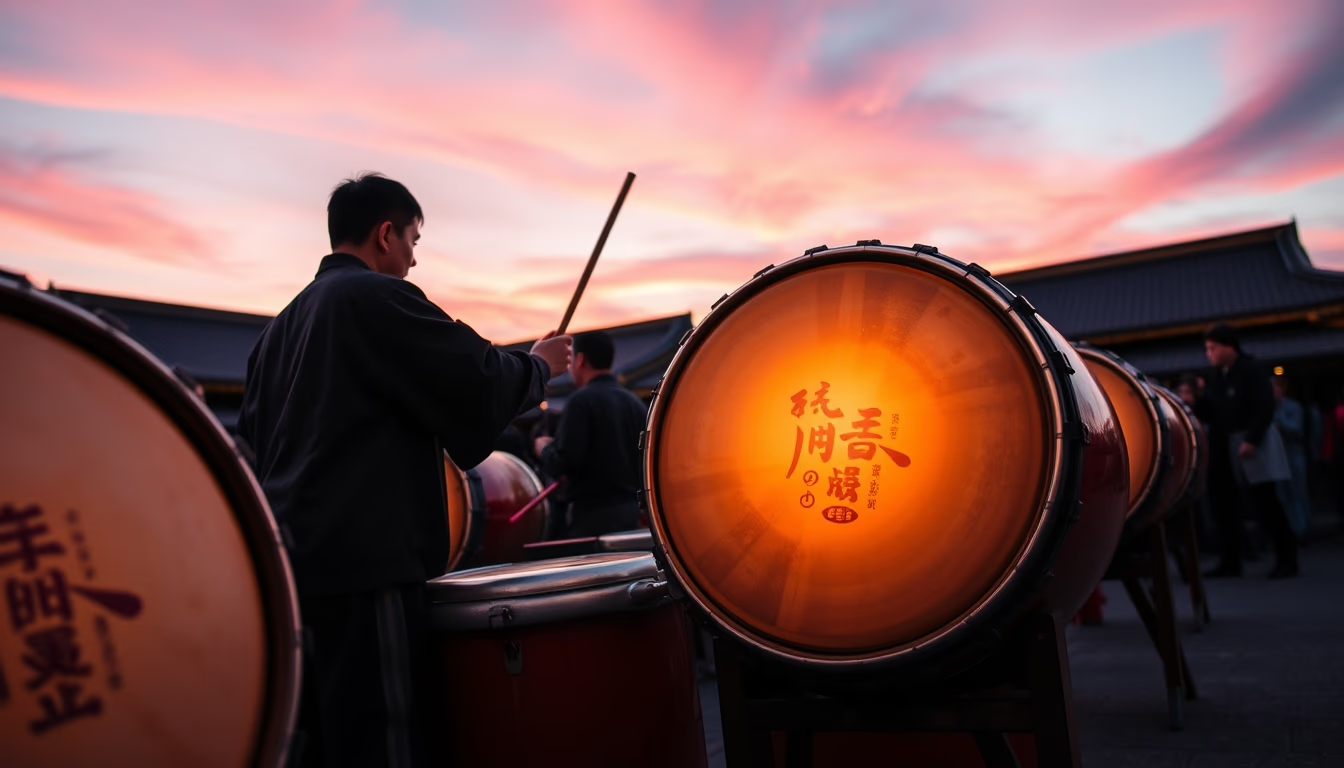
Japanese Taiko drums, ancient percussion instruments that mark festivals and theatrical performances in Japan and worldwide.
About this subject
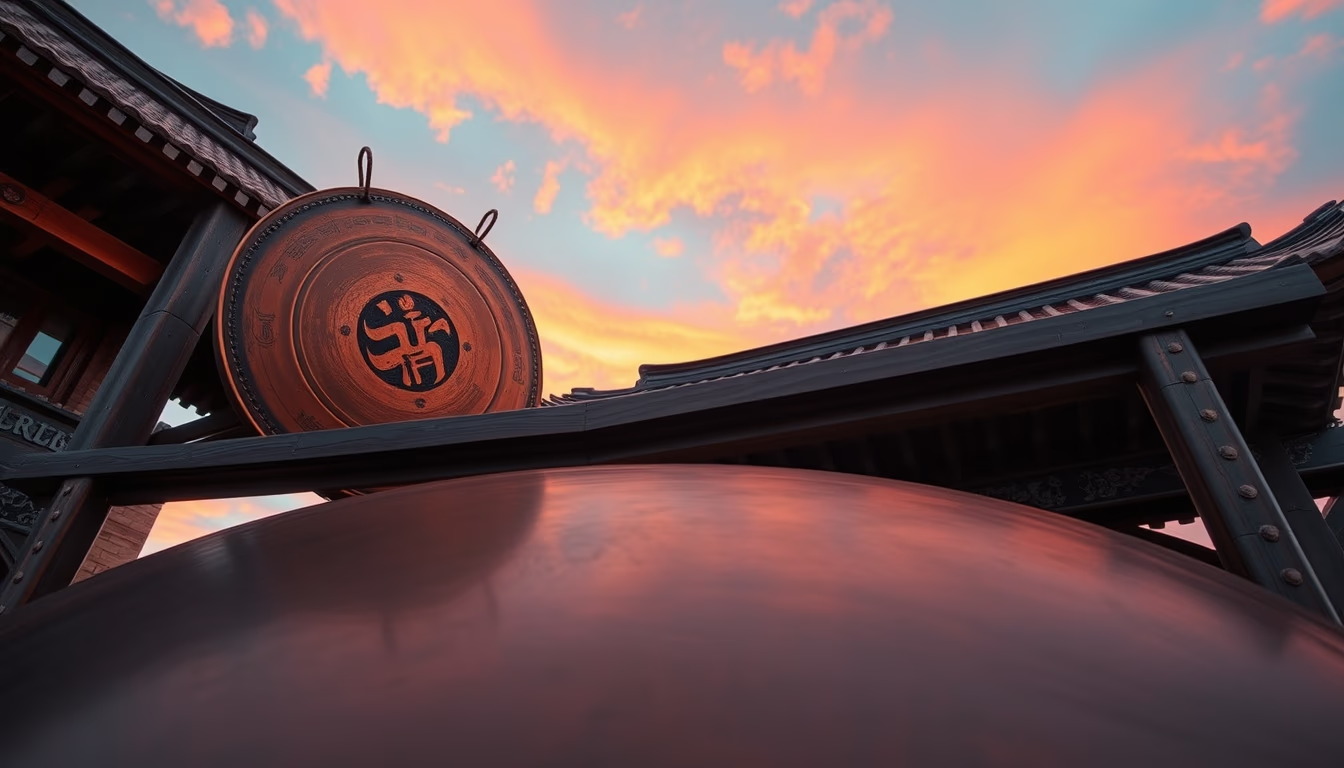
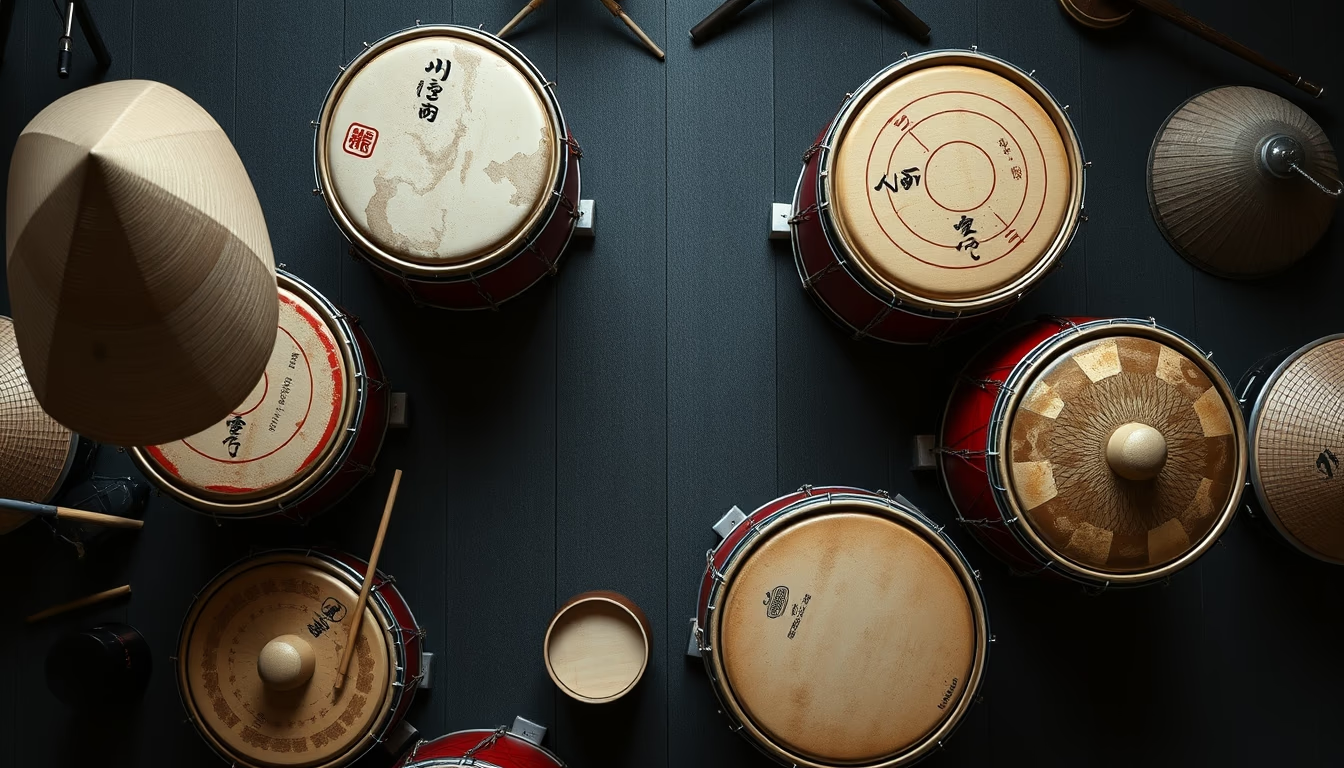
Taiko are Japanese drums with a history dating back to the Kofun period (300-538 AD), influenced by Chinese and Korean ritual music. Originally used in Buddhist and Shinto ceremonies, taiko evolved into various forms such as nagado-daiko (long drum), shime-daiko (cord-tightened drum), and the massive odaiko, which can exceed 2 meters in diameter. The most traditional wood for construction is Keyaki (zelkova), while drumheads are typically made from cow or horse hide.
During the Edo period (1603-1868), taiko became essential to local festivals (matsuri) and kabuki theater, as well as accompanying Bon Odori, the annual dance to welcome ancestral spirits. Playing techniques vary by style: hayashi (instrumental ensemble) or kumi-daiko (drum ensemble), popularized in the 1950s by groups like Kodo, which brought taiko to global stages.
Today, taiko is practiced in Japanese communities and by enthusiasts worldwide, including Brazil, where groups such as Wadaiko Sho in Rio de Janeiro and Kumo no Morro in São Paulo exist. Each drum produces a distinct sound, and rhythms often mimic natural elements like thunder and waves. Performance requires strength, coordination, and teamwork, making it an artistic expression that bridges tradition and modernity.
Frequently Asked Questions
What does the word "taiko" mean?
Taiko literally means "big drum" or "fat drum" in Japanese. It refers to any type of Japanese drum, though the term is most commonly used for traditional percussion instruments.
What are the main types of taiko?
The main types include nagado-daiko (long drum), shime-daiko (cord-tightened drum), odaiko (huge drum), and hira-daiko (flat drum). Each varies in size and sound.
Where can I watch taiko performances in Brazil?
Active groups exist in states like São Paulo, Rio de Janeiro, Paraná, and Bahia. The annual Taiko no Kai festival in São Paulo and events at Buddhist temples are good opportunities to see live performances.
Direct URL
https://pub-c7d6a6ea828543ac903a74a341ccb2e1.r2.dev/imagens/taiko-drum-japanese-long-exposure-p11.avifHow to credit
Include a visible link back to UtilizAí. Copy one of the snippets below:
<a href="https://xn--utiliza-eza.com/en/midia/imagens/taiko-drum-japanese-long-exposure-p11">Taiko drum japanese</a> by <a href="https://xn--utiliza-eza.com">UtilizAí</a>, licensed under <a href="https://creativecommons.org/licenses/by/4.0/">CC BY 4.0</a>.
[Taiko drum japanese](https://xn--utiliza-eza.com/en/midia/imagens/taiko-drum-japanese-long-exposure-p11) by [UtilizAí](https://xn--utiliza-eza.com), CC BY 4.0
License: CC-BY-4.0