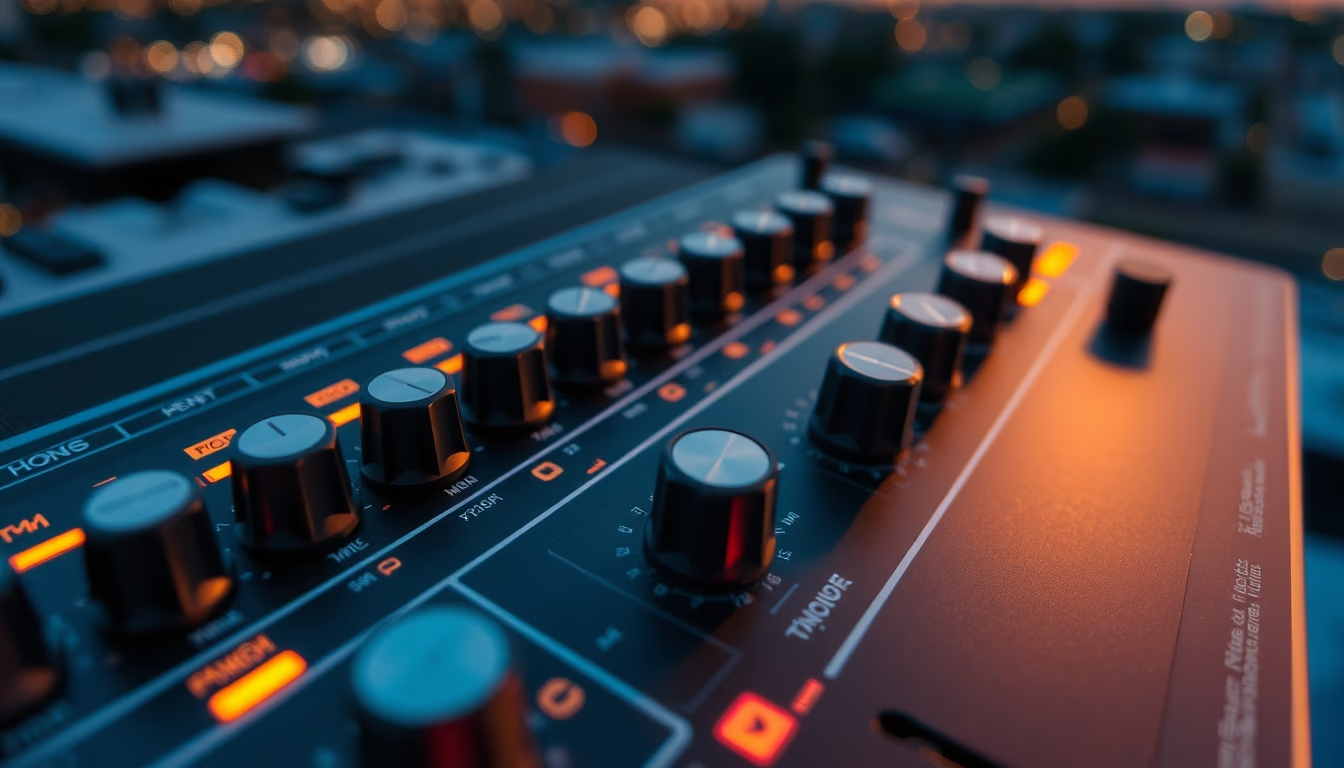
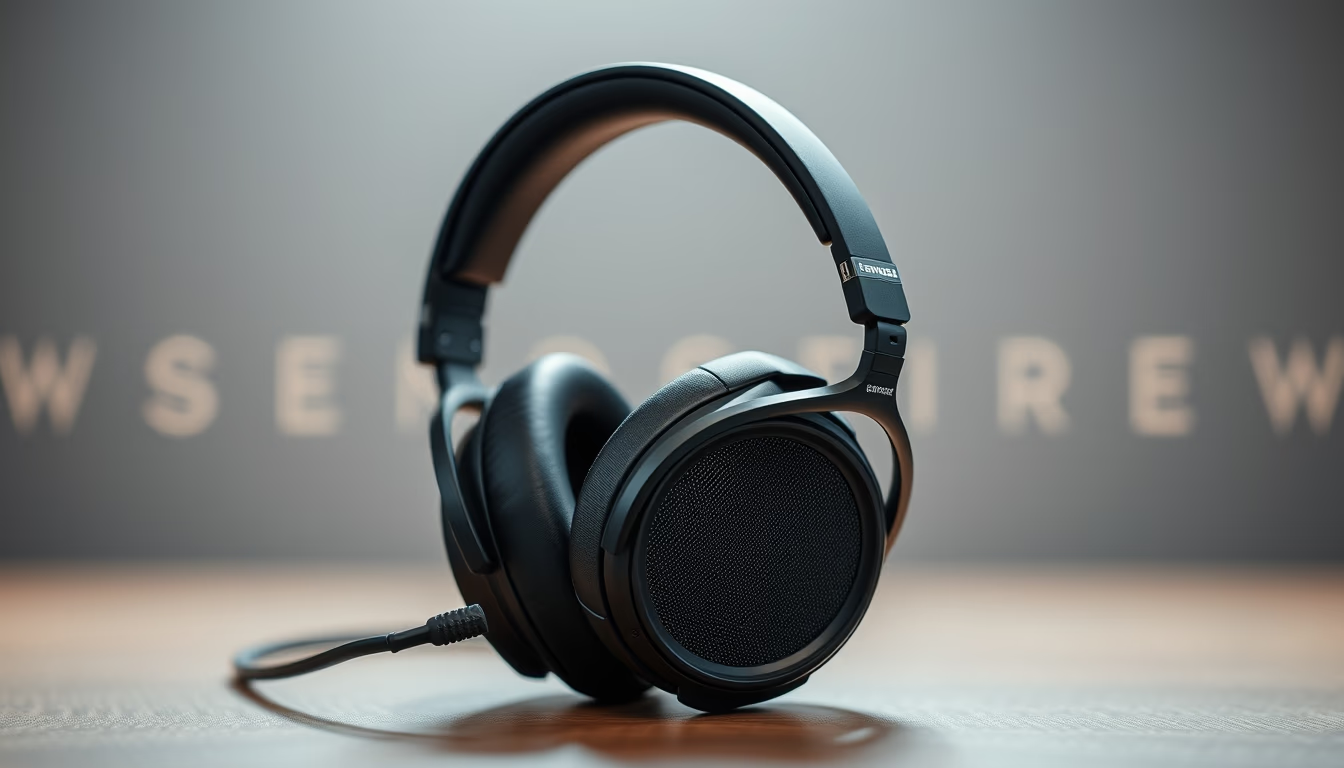
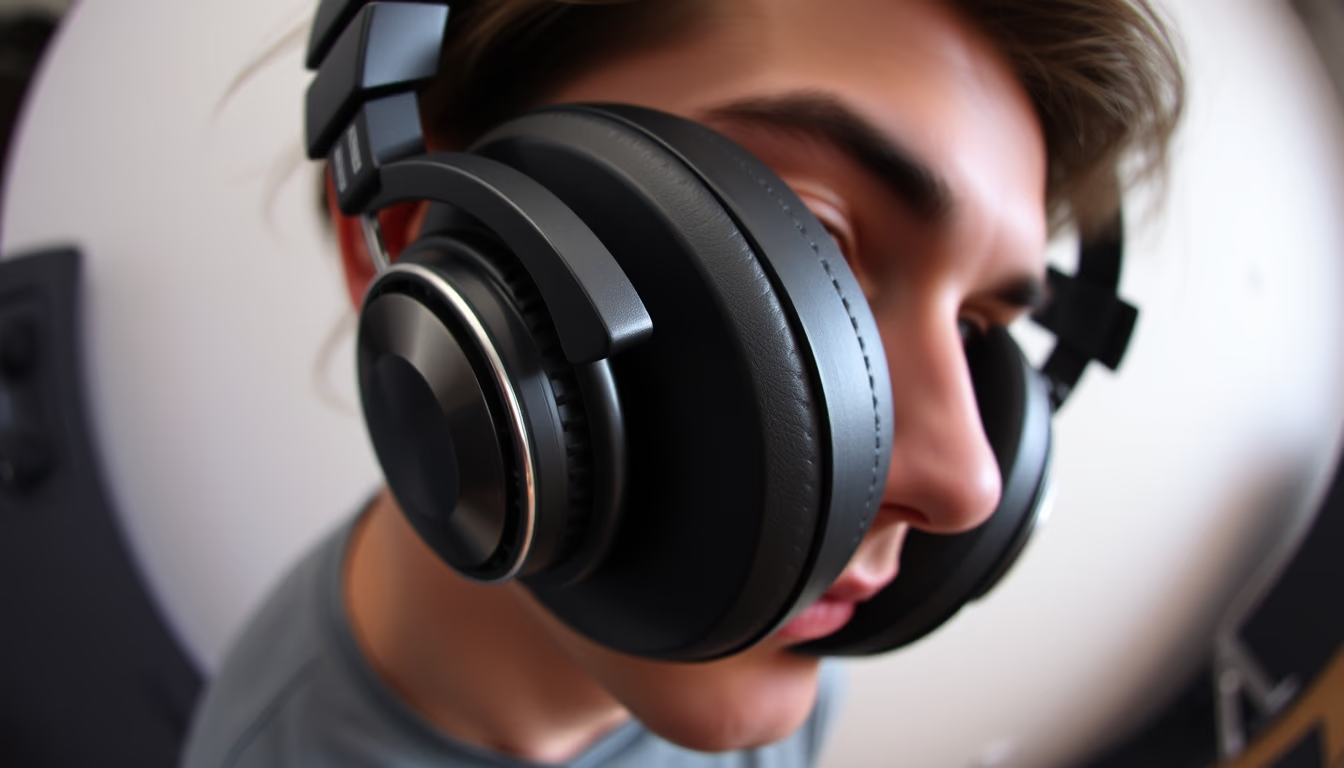
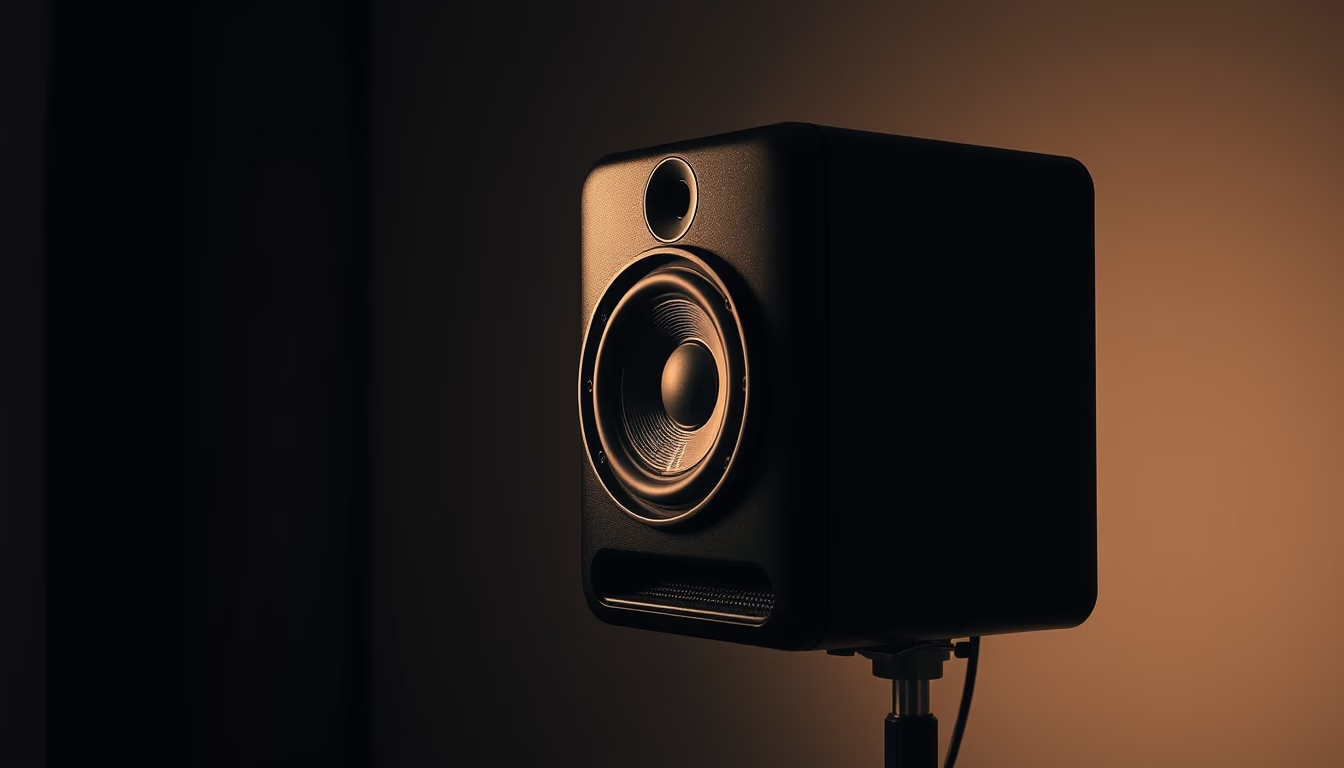
Studio monitor speaker
1344×768 · AVIF · CC BY 4.0
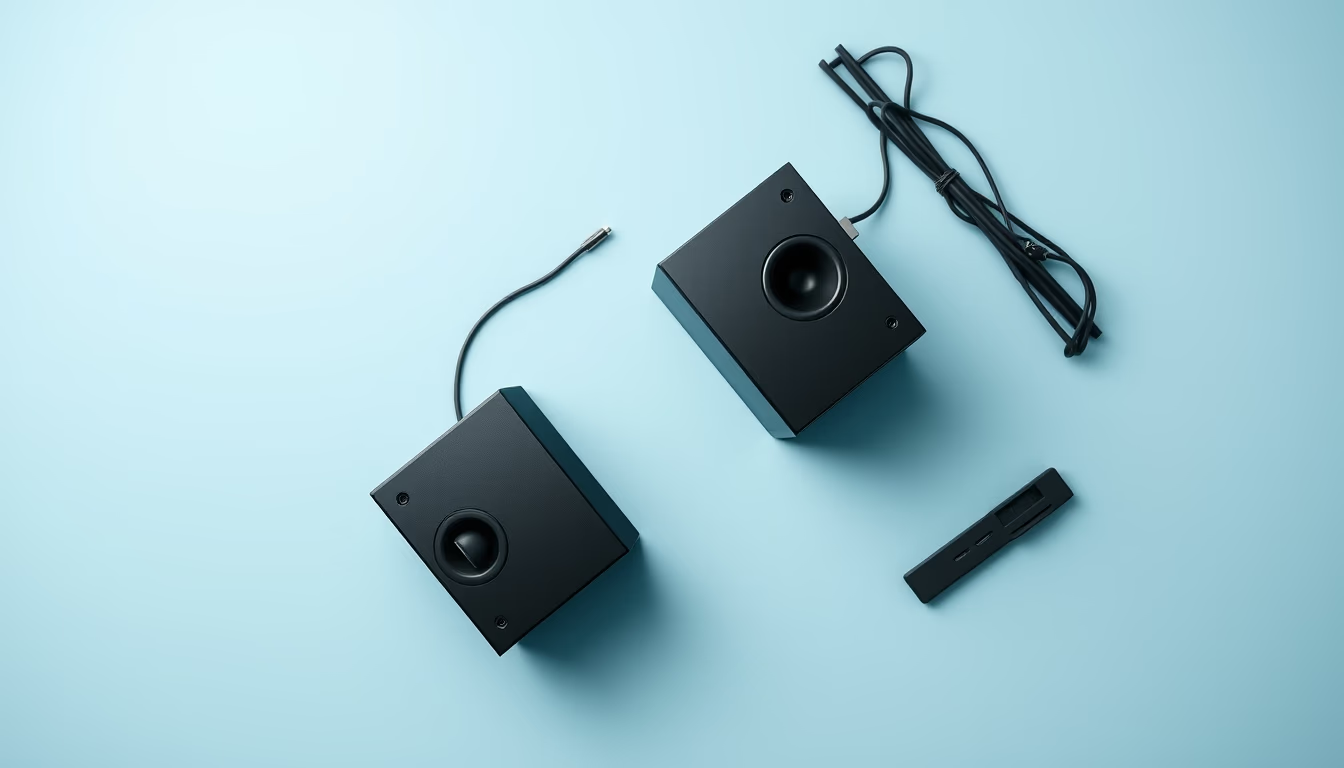
Professional loudspeakers with flat frequency response, used in recording studios for accurate audio monitoring during mixing and mastering.
About this subject
Studio monitors are loudspeakers designed to reproduce audio with minimal sonic coloration. Unlike consumer hi-fi speakers, which often emphasize certain frequencies to please listeners, monitors aim for a flat frequency response, allowing sound engineers to hear the material exactly as it is. This characteristic is critical for making accurate mixing and mastering decisions, ensuring that the music translates well across different playback systems.
There are two main types: active monitors, with built-in amplifiers, and passive monitors, which require an external amplifier. Most modern studios use active monitors for convenience and precision. The most common are nearfield monitors, designed to be placed close to the listener (about 1 to 2 meters), reducing the impact of room acoustics. Proper positioning is crucial: tweeters should be at ear level, forming an equilateral triangle with the listening position.
Traditional brands include Yamaha (NS-10 series, iconic in the 80s and 90s), Genelec, KRK, Adam Audio, and JBL. Each has its own sonic signature but they all aim for neutrality. The choice of monitor depends on the music genre and the engineer's preferences. Interestingly, the term "monitor" originated from radio and TV studios, where they were used to monitor audio being recorded or broadcast. Today, they are indispensable tools in any professional studio or home studio setup.
Frequently Asked Questions
What is the difference between a regular speaker and a studio monitor?
Regular hi-fi speakers have a colored frequency response to please listeners, while studio monitors have a flat response for faithful reproduction, essential for mixing and mastering.
Do I need a subwoofer with studio monitors?
It depends on the monitors' frequency range. Mid-sized monitors (6.5 inches or larger) usually cover bass well. A subwoofer is recommended for productions requiring extended low-end, like electronic music or film.
How should I position studio monitors correctly?
Place tweeters at ear level, forming an equilateral triangle with the listening position. Avoid proximity to walls to reduce reflections, and use acoustic treatment if needed.
Direct URL
https://pub-c7d6a6ea828543ac903a74a341ccb2e1.r2.dev/imagens/studio-monitor-speaker-isometric-flat-lay-fresh15.avifHow to credit
Include a visible link back to UtilizAí. Copy one of the snippets below:
<a href="https://xn--utiliza-eza.com/en/midia/imagens/studio-monitor-speaker-isometric-flat-lay-fresh15">Studio monitor speaker</a> by <a href="https://xn--utiliza-eza.com">UtilizAí</a>, licensed under <a href="https://creativecommons.org/licenses/by/4.0/">CC BY 4.0</a>.
[Studio monitor speaker](https://xn--utiliza-eza.com/en/midia/imagens/studio-monitor-speaker-isometric-flat-lay-fresh15) by [UtilizAí](https://xn--utiliza-eza.com), CC BY 4.0
License: CC-BY-4.0