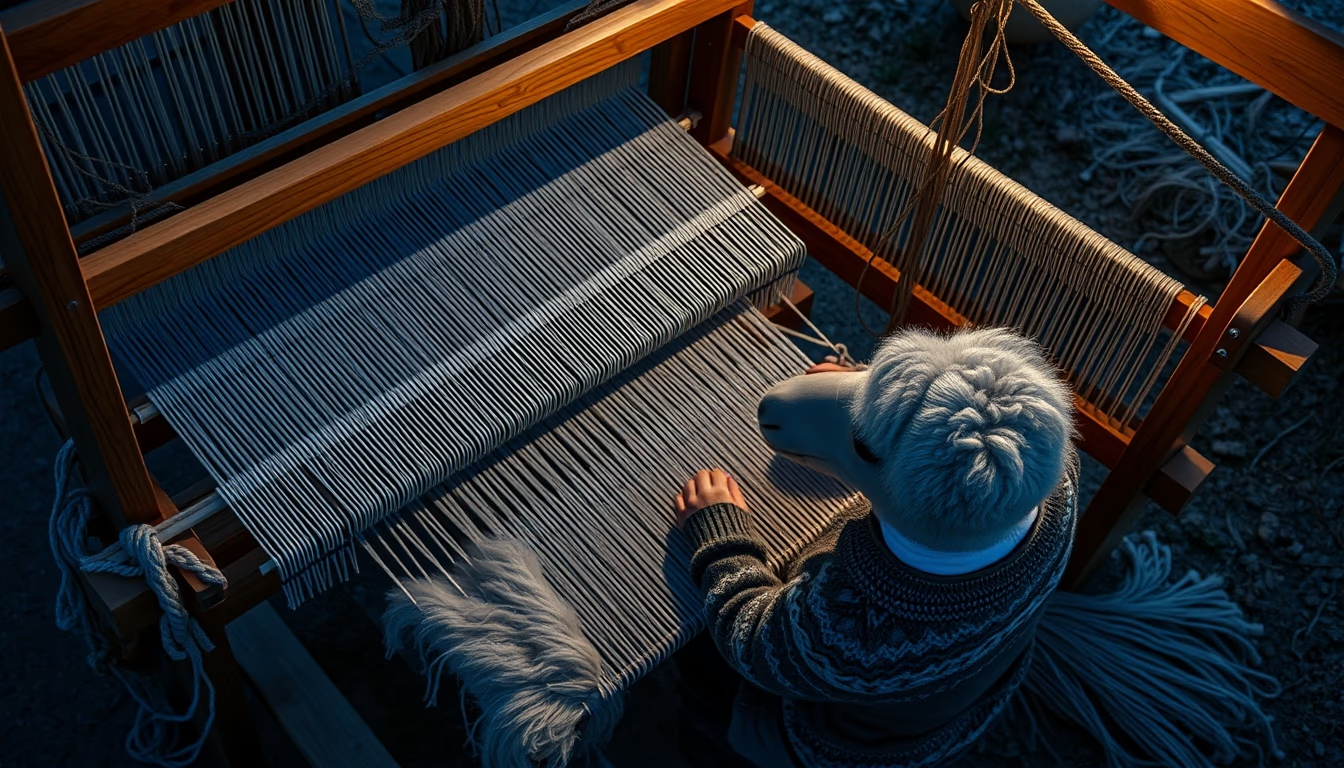
Spinning wheel antique
1344×768 · AVIF · CC BY 4.0

The antique spinning wheel, a symbol of handmade textile production, turned fibers into yarn for centuries before the Industrial Revolution.
About this subject
The spinning wheel is an ancient invention, with origins dating back to India around 500 AD. It became popular in Europe during the Middle Ages, essential equipment in homes and workshops. The large wheel, hand- or foot-powered, rotates the spindle while the spinner controls fiber tension and twist. This process, called spinning, produces continuous yarn suitable for weaving or knitting.
Before mechanization, spinning was a common domestic activity, primarily done by women. In 18th-century England, the spinning jenny and other machines replaced the hand wheel, sparking the Textile Industrial Revolution. Antique spinning wheels, often carved from fine woods like oak or walnut, are now collector's items and rustic décor.
In Brazil, the spinning wheel was introduced by Portuguese colonizers and used on farms and rural communities to produce linen and cotton. Today, artisans and DIY enthusiasts seek vintage models to preserve traditional techniques. The spinning wheel is not just a tool: it represents textile autonomy and the material culture of bygone eras.
Fun fact: the famous fairy tale "Sleeping Beauty" features a spinning wheel as a central plot element, symbolizing fate and the passage of time. In practice, an experienced spinner could produce about 200 meters of yarn per hour with a well-calibrated wheel.
Frequently Asked Questions
What is the difference between a spinning wheel and a spindle?
A spindle is an older hand tool that twists fiber using the weight of a whorl. A spinning wheel mechanizes this process with a rotating wheel to speed up twisting and allow greater yarn production.
How to identify an original antique spinning wheel?
Look for solid carved wood, hand tool marks, and natural wear. Original wheels often have hand-forged metal parts and wooden axles. Check for signs of recent restoration.
Is the spinning wheel still used today?
Yes, by artisans, weavers, and slow fashion enthusiasts. Many seek antique wheels or replicas to spin wool, alpaca, cotton, and synthetic fibers, preserving traditional techniques.
Direct URL
https://pub-c7d6a6ea828543ac903a74a341ccb2e1.r2.dev/imagens/spinning-wheel-antique-aerial-drone-shot-fresh17.avifHow to credit
Include a visible link back to UtilizAí. Copy one of the snippets below:
<a href="https://xn--utiliza-eza.com/en/midia/imagens/spinning-wheel-antique-aerial-drone-shot-fresh17">Spinning wheel antique</a> by <a href="https://xn--utiliza-eza.com">UtilizAí</a>, licensed under <a href="https://creativecommons.org/licenses/by/4.0/">CC BY 4.0</a>.
[Spinning wheel antique](https://xn--utiliza-eza.com/en/midia/imagens/spinning-wheel-antique-aerial-drone-shot-fresh17) by [UtilizAí](https://xn--utiliza-eza.com), CC BY 4.0
License: CC-BY-4.0