Shamisen japanese
1344×768 · AVIF · CC BY 4.0
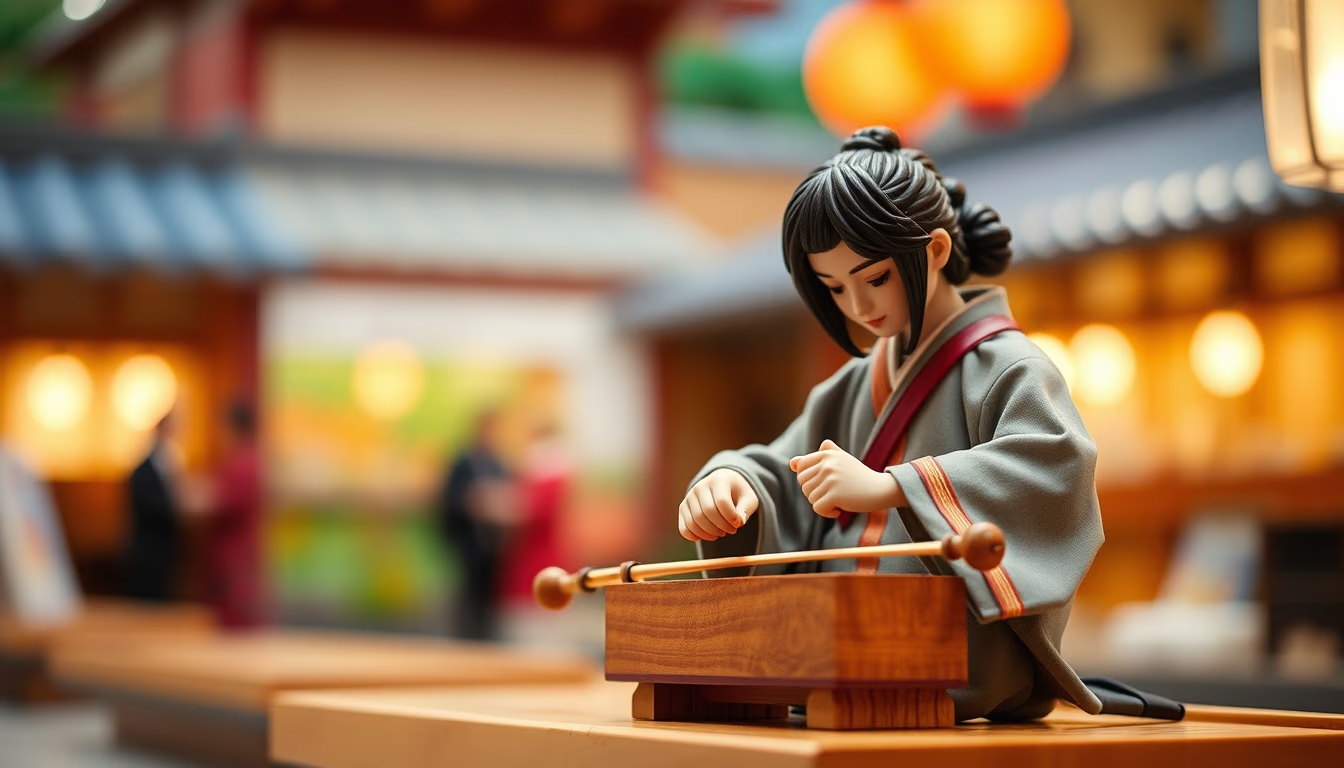
The shamisen is a traditional Japanese plucked string instrument of Chinese origin, deeply connected to kabuki theater and Japanese folk music.
About this subject
The shamisen, also known as sangen, is a three-stringed traditional Japanese instrument that originated from the Chinese sanxian and was introduced to Japan during the Edo period (1603-1868). It features a rectangular body covered with cat or dog skin (now often synthetic) and a long, fretless neck that enables characteristic vibrato and glissandi.
The instrument is played with a plectrum called bachi, traditionally made of ivory or wood, producing a percussive, metallic sound. Different types include the hosozao (thin neck, used in kabuki), chuzao (medium neck, common in folk music), and futozao (thick neck, associated with tsugaru-jamisen). The tsugaru-jamisen style has gained global recognition for its virtuosic techniques and even influenced Japanese rock music.
Culturally, the shamisen is integral to kabuki theater, bunraku puppet theater, and folk min'yo songs, as well as classical genres like nagauta and jiuta. Standard tunings involve fourth and fifth intervals, varying by style. Notable modern players such as the Yoshida Brothers have fused shamisen with contemporary music.
During the Meiji period, the shamisen became linked with geishas and tea houses but later reclaimed its status as a symbol of Japanese heritage. Artisan workshops in Tokyo and Kyoto still produce high-quality shamisen using centuries-old luthier techniques.
Frequently Asked Questions
What are the different types of shamisen?
The main types are hosozao (thin neck, used in kabuki), chuzao (medium neck, for folk music), and futozao (thick neck, typical of tsugaru-jamisen). Each has a distinct sound and purpose.
Is the shamisen difficult to learn?
Yes, it requires practice to master the bachi technique, vibrato, and glissando. However, beginner courses exist, and the tsugaru-jamisen particularly has an active international community.
What is the origin of the shamisen?
The shamisen descends from the Chinese sanxian, which reached Japan via Ryukyu (now Okinawa) around the 16th century. It was adapted and refined during the Edo period, becoming one of Japan's most emblematic instruments.
Direct URL
https://pub-c7d6a6ea828543ac903a74a341ccb2e1.r2.dev/imagens/shamisen-japanese-tilt-shift-miniature-p11.avifHow to credit
Include a visible link back to UtilizAí. Copy one of the snippets below:
<a href="https://xn--utiliza-eza.com/en/midia/imagens/shamisen-japanese-tilt-shift-miniature-p11">Shamisen japanese</a> by <a href="https://xn--utiliza-eza.com">UtilizAí</a>, licensed under <a href="https://creativecommons.org/licenses/by/4.0/">CC BY 4.0</a>.
[Shamisen japanese](https://xn--utiliza-eza.com/en/midia/imagens/shamisen-japanese-tilt-shift-miniature-p11) by [UtilizAí](https://xn--utiliza-eza.com), CC BY 4.0
License: CC-BY-4.0