Rare stamp magnifying
1344×768 · AVIF · CC BY 4.0

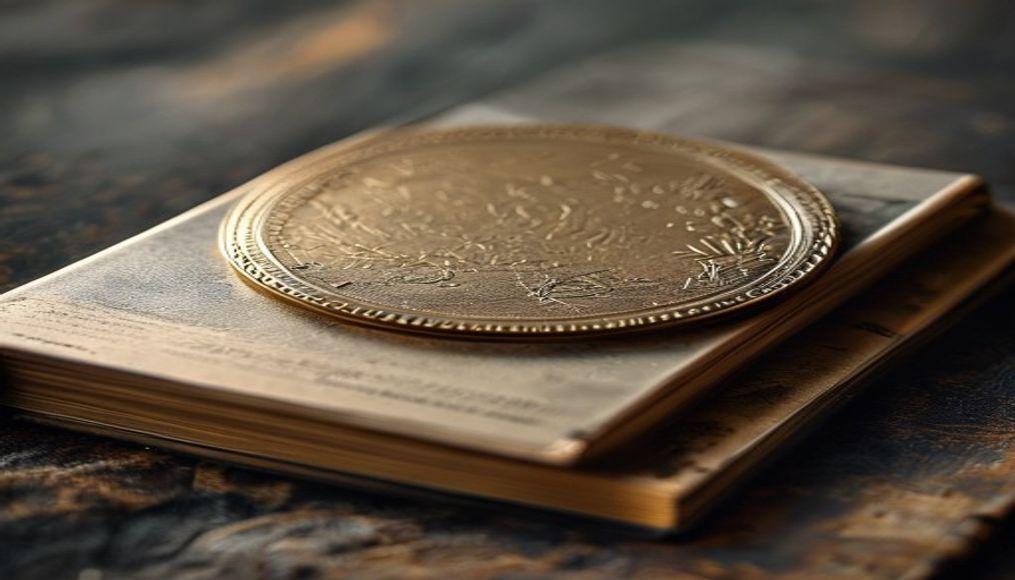
A rare postage stamp examined under a magnifying glass reveals print details and global philatelic history.
About this subject
Philately, the study of postage stamps, combines history, art, and investment. Rare stamps are those with limited print runs, printing errors, or historical significance, such as the legendary British 'Penny Black' from 1840, the world's first adhesive stamp, or Brazil's 'Olho-de-Boi' (Ox-Eye) from 1843, featuring Empress D. Teresa Cristina. The magnifying glass is indispensable for collectors: it allows inspection of watermarks, perforations (teething), colors, and print details that distinguish valuable varieties from common ones. In Brazil, stamps like the 1913 'Boiadeiro' series and the 1843 'Horizontal Cipher' are highly sought after. Reference catalogs such as Scott, Michel, and RHM classify these items, whose value can reach millions of dollars.
Identifying rare stamps requires technical knowledge and equipment like LED-illuminated loupes, which reveal nuances invisible to the naked eye. For instance, the 'Zébrão' (nickname for the Olho-de-Boi) 30 réis stamp with inverted face is one of the most valuable in Brazil, appraised at hundreds of thousands of reais. The magnifying glass also helps detect forgeries, common among high-value stamps. Additionally, proper preservation (in albums with UV protection) is crucial to maintain condition, which directly affects price.
Interestingly, the most expensive stamp ever sold is the 1856 'British Guiana 1c magenta', auctioned for $9.5 million in 2014. Its rarity stems from being the only known specimen. The magnifying glass not only aids authentication but also reveals the story behind each stamp, such as color or perforation errors that recount production mistakes or historical events.
Globally, philately moves millions and connects cultures. Rare stamps are often displayed in museums or specialized auctions. The image of a stamp being examined under a magnifying glass symbolizes the passion of philatelists and the importance of detail in this hobby that blends science and art.
Frequently Asked Questions
What makes a stamp rare?
Rare stamps have limited print runs, printing errors (e.g., inverted color or perforation), special history (e.g., first issues), or high demand in the philatelic market. Examples include the 'Penny Black' and Brazil's 'Olho-de-Boi'.
How to use a magnifying glass in philately?
The magnifying glass is used to inspect watermarks (holding the stamp against light), perforations (counting teeth), color nuances, and print details. Built-in LED illumination helps identify features that determine authenticity and variety.
What is the most valuable Brazilian stamp?
The 30 réis 'Olho-de-Boi' stamp with inverted face is among the most valuable in Brazil, fetching over R$ 500,000 at auction. The 1913 'Boiadeiro' series also has rare specimens, such as the 200 réis with color flaw.
Direct URL
https://pub-c7d6a6ea828543ac903a74a341ccb2e1.r2.dev/imagens/rare-stamp-magnifying-commercial-product-photography-p0.avifHow to credit
Include a visible link back to UtilizAí. Copy one of the snippets below:
<a href="https://xn--utiliza-eza.com/en/midia/imagens/rare-stamp-magnifying-commercial-product-photography-p0">Rare stamp magnifying</a> by <a href="https://xn--utiliza-eza.com">UtilizAí</a>, licensed under <a href="https://creativecommons.org/licenses/by/4.0/">CC BY 4.0</a>.
[Rare stamp magnifying](https://xn--utiliza-eza.com/en/midia/imagens/rare-stamp-magnifying-commercial-product-photography-p0) by [UtilizAí](https://xn--utiliza-eza.com), CC BY 4.0
License: CC-BY-4.0