Pyramid of giza sunset silhouette
1344×768 · AVIF · CC BY 4.0
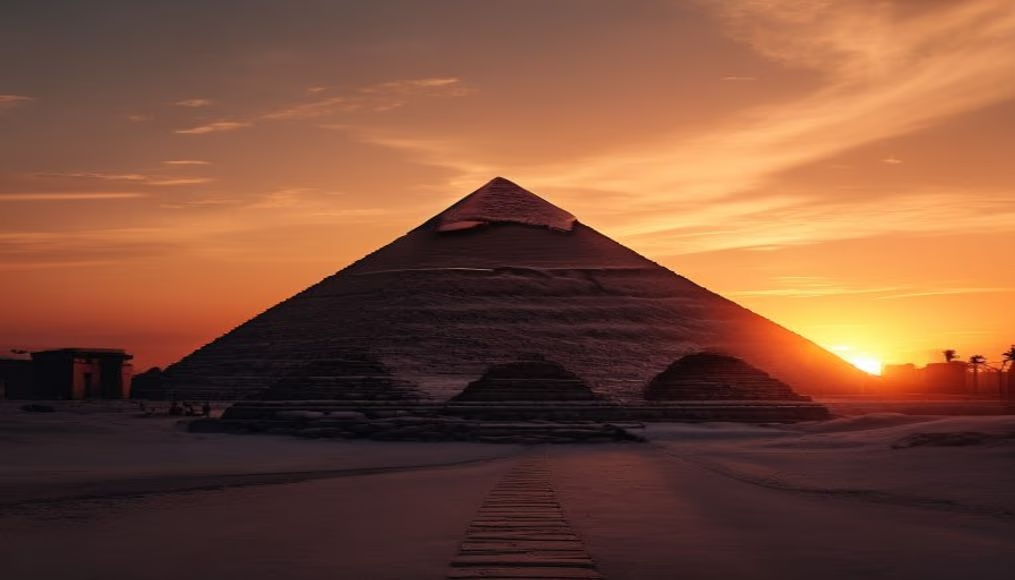
The Great Pyramid of Giza at sunset reveals ancient silhouettes that fascinate travelers and historians alike.
About this subject
The Great Pyramid of Giza, also known as the Pyramid of Khufu or Cheops, is the oldest and largest of the three pyramids in the Giza pyramid complex, located on the outskirts of Cairo, Egypt. Built around 2560 BCE during the Fourth Dynasty of the Old Kingdom of Egypt, it was the tallest man-made structure in the world for over 3,800 years, originally standing 146.6 meters (481 feet) tall, now 138.8 m. It is believed to have been constructed as a tomb for Pharaoh Khufu (Cheops), using approximately 2.3 million stone blocks, each weighing on average 2.5 tons, with some reaching up to 80 tons.
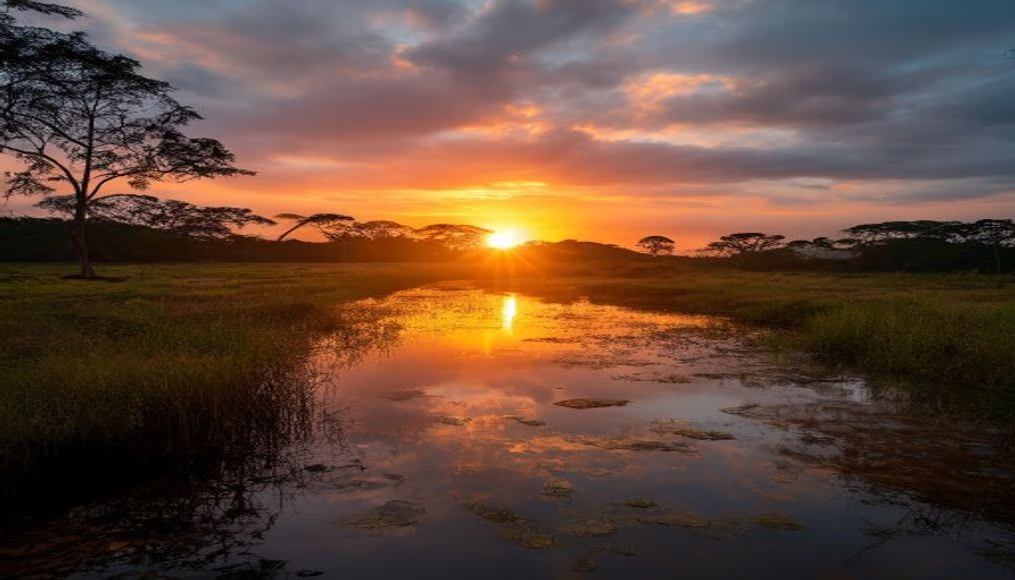
The sunset at Giza is a spectacle that attracts tourists from all over the world. The golden light of the setting sun cuts the pyramids against the orange sky, creating an iconic silhouette that evokes the power and engineering of the ancient Egyptians. This time of day is particularly sought after by photographers, as it enhances the contours and shadows of the pyramids, emphasizing their precise geometry. The Great Sphinx, carved from limestone, also integrates into the landscape, guarding the funerary complex.
Interestingly, the orientation of the pyramids is aligned with astronomical precision: the sides of the Great Pyramid are almost perfectly aligned with the cardinal points, with an error of only 0.05 degrees. This extraordinary feat of engineering and mathematics continues to intrigue modern archaeologists and engineers. Visiting the Giza plateau at dusk also allows one to observe how the light changes the color of the limestone blocks, which were once covered by a smooth white casing stone, now largely lost.
From a cultural standpoint, the Pyramid of Giza is the only surviving remnant of the Seven Wonders of the Ancient World still in existence, reinforcing its historical and touristic value. The Giza region has been a UNESCO World Heritage Site since 1979, protecting not only the pyramids but also tombs, temples, and the Sphinx itself. The sunset symbolizes both the end of the day and the eternity of the constructions, a contrast that moves visitors.
Frequently Asked Questions
What is the current height of the Great Pyramid of Giza?
Currently, the Great Pyramid stands about 138.8 meters (455 feet) tall, originally it was 146.6 meters (481 feet). The reduction is due to the loss of the limestone casing and wear over millennia.
Why were the Giza pyramids built exactly where they are?
The Giza plateau was chosen for its solid bedrock foundation and proximity to the Nile River, facilitating the transport of stone blocks. Additionally, the location had religious significance and astronomical alignment.
Is it possible to visit the pyramids at sunset?
Yes, the Giza complex is generally open until dusk. Many tourists and photographers take advantage of this time to admire the pyramids with golden light, which enhances their beauty and silhouette.
Direct URL
https://pub-c7d6a6ea828543ac903a74a341ccb2e1.r2.dev/imagens/pyramid-of-giza-sunset-silhouette-street-photography-v11.avifHow to credit
Include a visible link back to UtilizAí. Copy one of the snippets below:
<a href="https://xn--utiliza-eza.com/en/midia/imagens/pyramid-of-giza-sunset-silhouette-street-photography-v11">Pyramid of giza sunset silhouette</a> by <a href="https://xn--utiliza-eza.com">UtilizAí</a>, licensed under <a href="https://creativecommons.org/licenses/by/4.0/">CC BY 4.0</a>.
[Pyramid of giza sunset silhouette](https://xn--utiliza-eza.com/en/midia/imagens/pyramid-of-giza-sunset-silhouette-street-photography-v11) by [UtilizAí](https://xn--utiliza-eza.com), CC BY 4.0
License: CC-BY-4.0