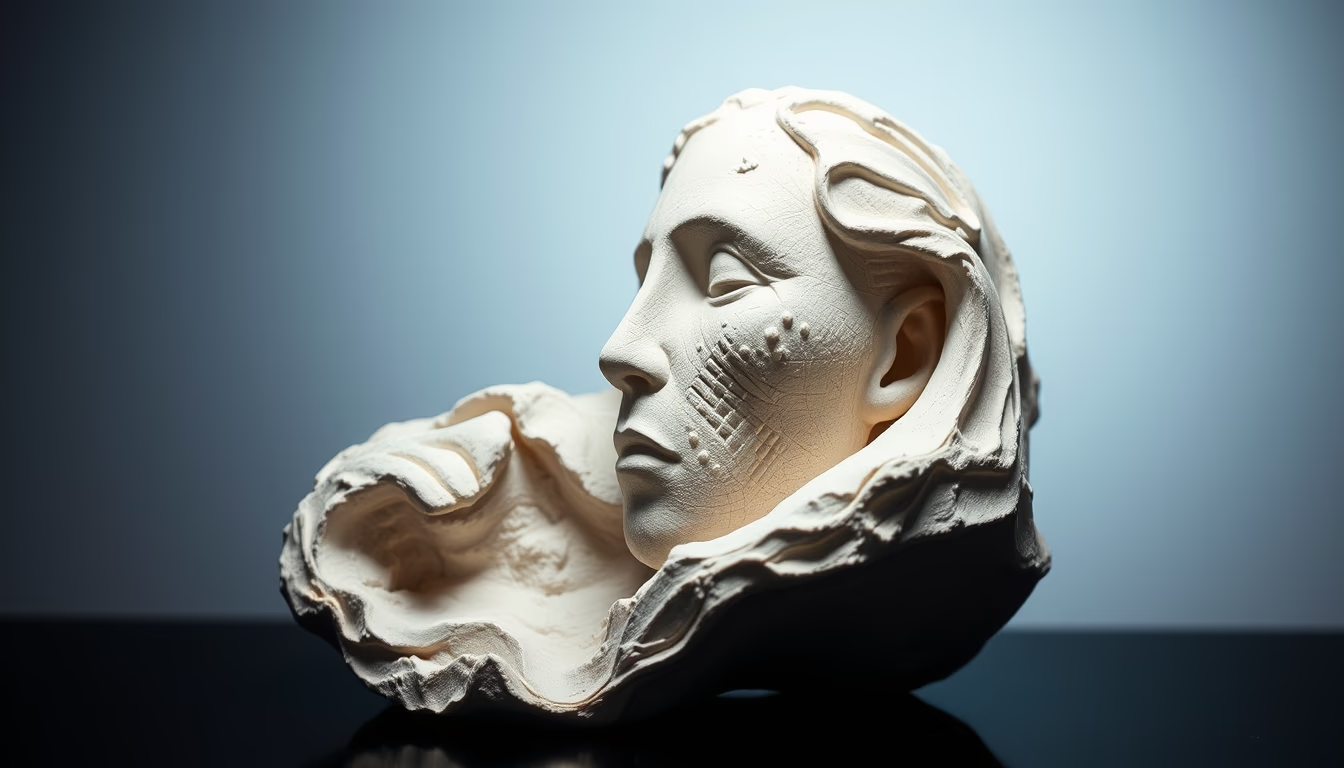
Plaster mold sculpture
1344×768 · AVIF · CC BY 4.0

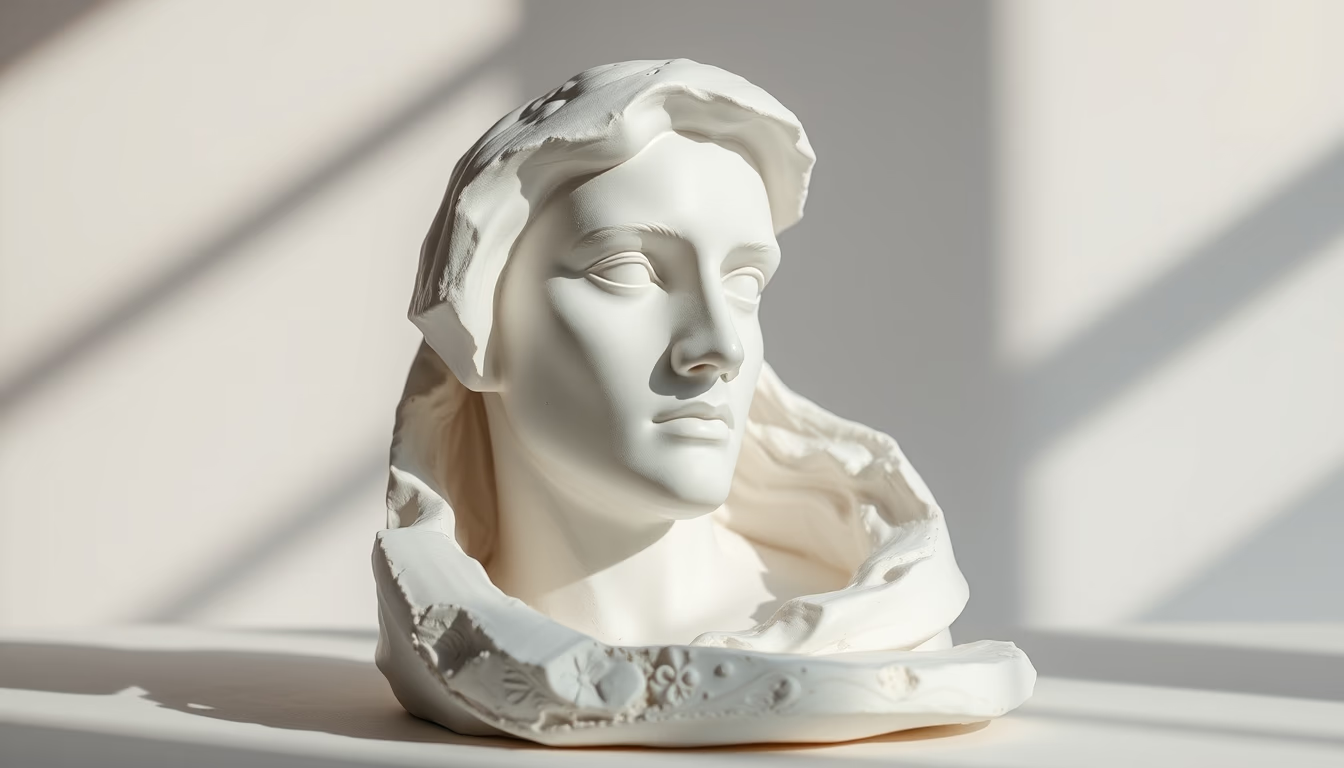
A millennia-old sculpture technique, plaster mold allows precise reproduction of forms, essential in studios and restorations.
About this subject
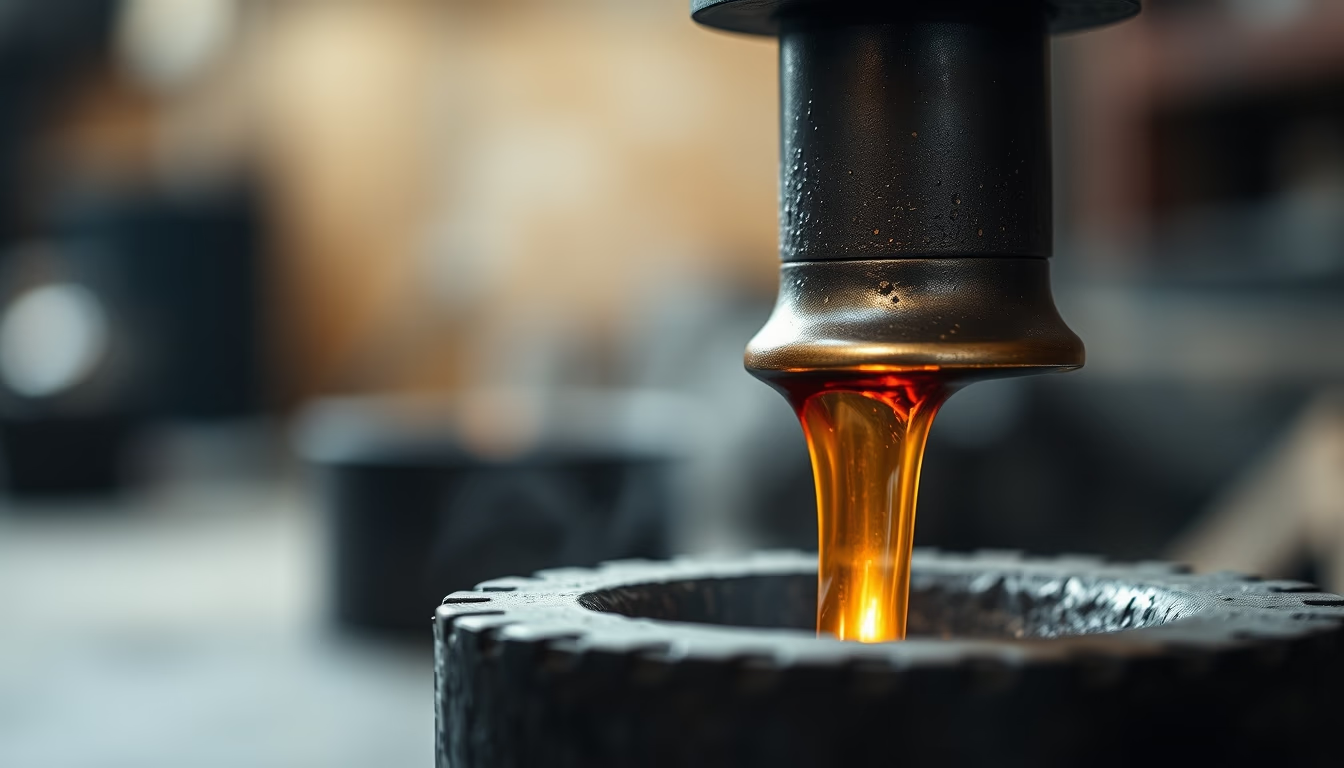
Plaster mold casting is a sculptural technique dating back to antiquity, used by civilizations such as the Egyptians and Greeks to reproduce statues and reliefs. It consists of pouring liquid plaster over an original model (usually clay, wax, or plaster) to create a negative matrix. After drying, the mold is filled again with plaster or other material, producing faithful copies. This process allowed the dissemination of classical works, like Roman sculptures copied from Greek originals.
In modern times, plaster mold casting became standard in fine arts schools, where students learn anatomy and modeling from plaster replicas of famous works. Museums also use the technique to reproduce fragile pieces, enabling study without risk to originals. Additionally, plaster molding is widely employed in cinema special effects, dental and orthopedic prosthetics, and the manufacture of decorative objects.
Interestingly, plaster, a mineral composed of calcium sulfate dihydrate, hardens quickly upon contact with water but releases heat during crystallization. This process requires skill to avoid air bubbles that would compromise the mold. Contemporary artists still explore plaster as a final material, creating textures and volumes reminiscent of marble but with lightness and lower cost. The technique is considered sustainable, as plaster is recyclable and non-toxic.
In Brazil, plaster mold usage was historically important for preserving Baroque works by Aleijadinho and Mestre Valentim, whose original wooden and stone pieces were replicated for study and exhibition. Restoration studios today employ the technique to reconstruct damaged parts of statuary and architectural ornaments, keeping this artisanal tradition alive.
Frequently Asked Questions
What is the origin of the plaster mold technique?
The technique dates back to antiquity, used by Egyptians for funerary masks and by Greeks and Romans to copy bronze and marble sculptures.
Can plaster molds be reused?
Yes, plaster molds are reusable if kept intact. They can produce multiple copies, but may wear out or lose detail over time.
Is plaster a dangerous material?
Plaster powder is harmless, but inhaling particles can irritate the respiratory tract. During handling, wearing a mask and gloves is recommended to avoid skin dryness.
Direct URL
https://pub-c7d6a6ea828543ac903a74a341ccb2e1.r2.dev/imagens/plaster-mold-sculpture-studio-editorial-portrait-fresh13.avifHow to credit
Include a visible link back to UtilizAí. Copy one of the snippets below:
<a href="https://xn--utiliza-eza.com/en/midia/imagens/plaster-mold-sculpture-studio-editorial-portrait-fresh13">Plaster mold sculpture</a> by <a href="https://xn--utiliza-eza.com">UtilizAí</a>, licensed under <a href="https://creativecommons.org/licenses/by/4.0/">CC BY 4.0</a>.
[Plaster mold sculpture](https://xn--utiliza-eza.com/en/midia/imagens/plaster-mold-sculpture-studio-editorial-portrait-fresh13) by [UtilizAí](https://xn--utiliza-eza.com), CC BY 4.0
License: CC-BY-4.0