Plaster mold sculpture
1344×768 · AVIF · CC BY 4.0
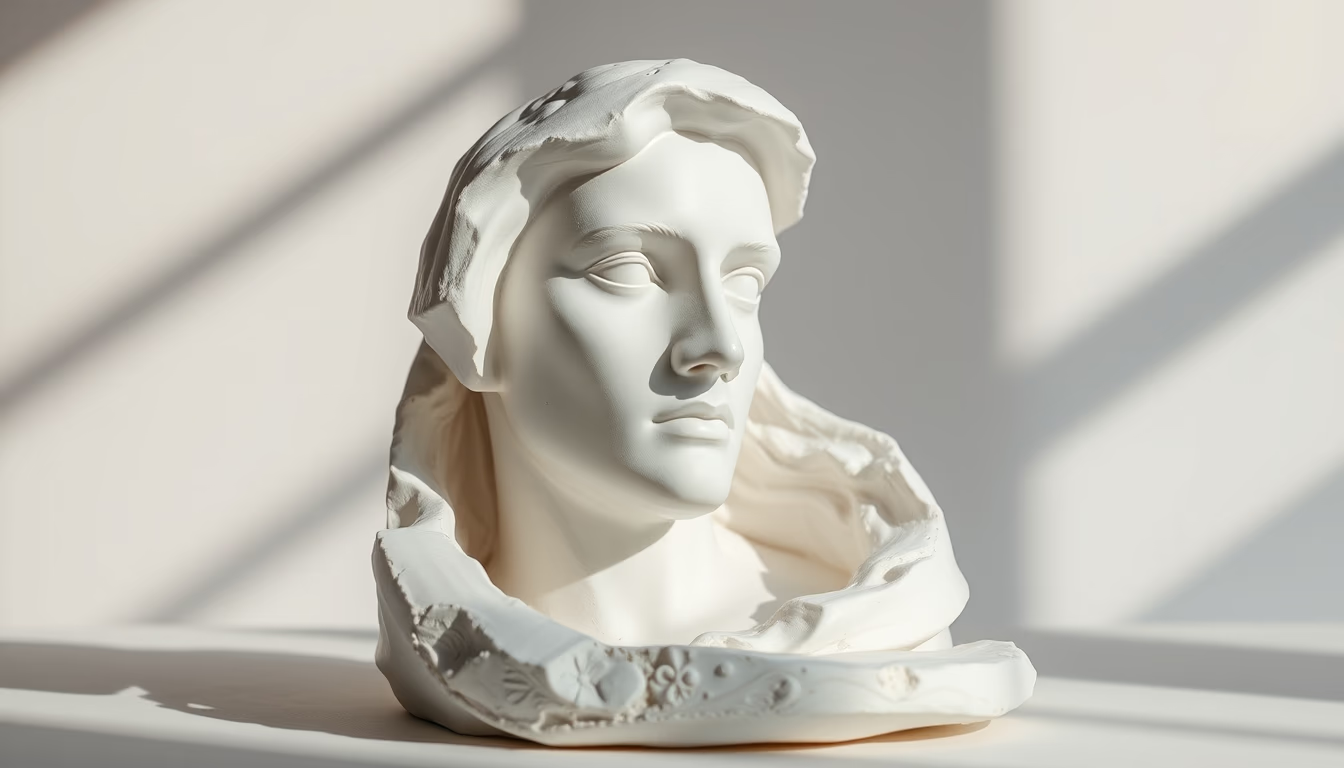
Plaster mold casting is an ancient sculptural reproduction technique combining precision and affordability, used by artists and craftsmen worldwide.
About this subject
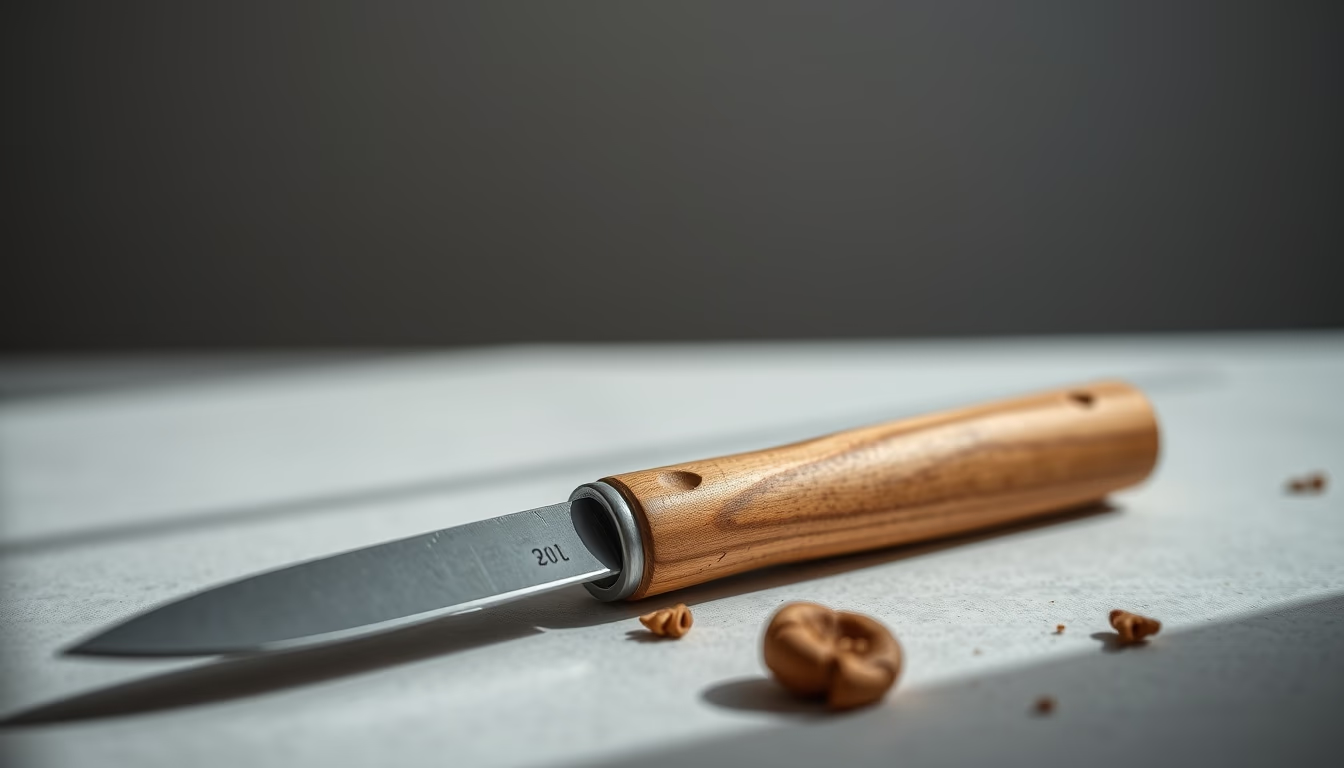
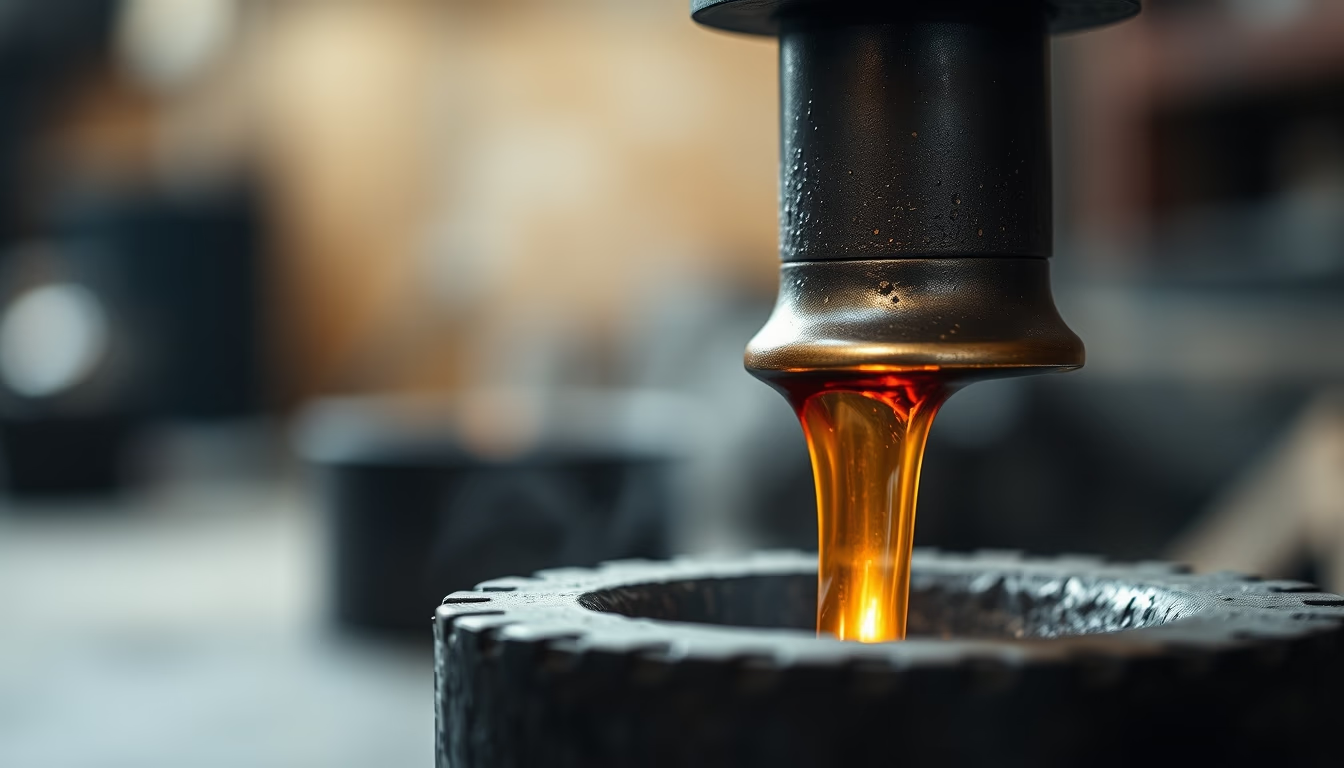
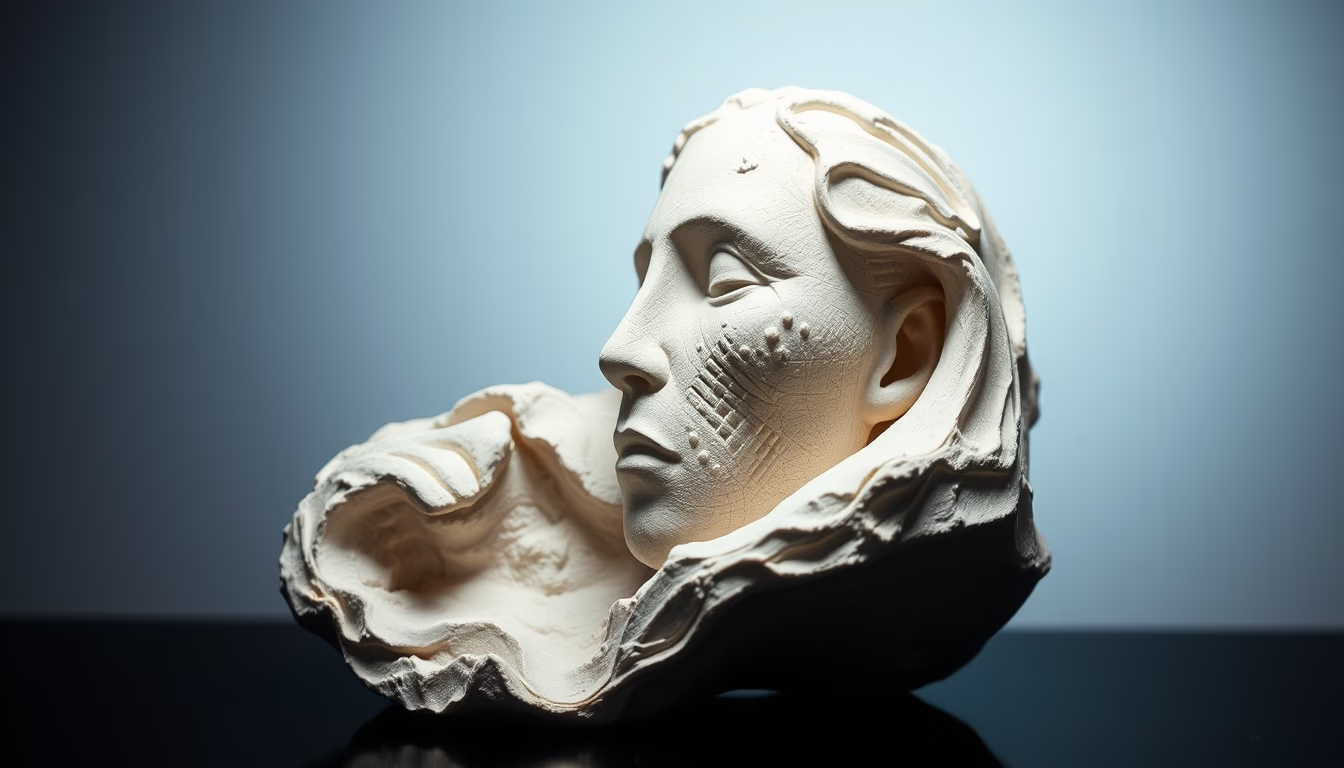
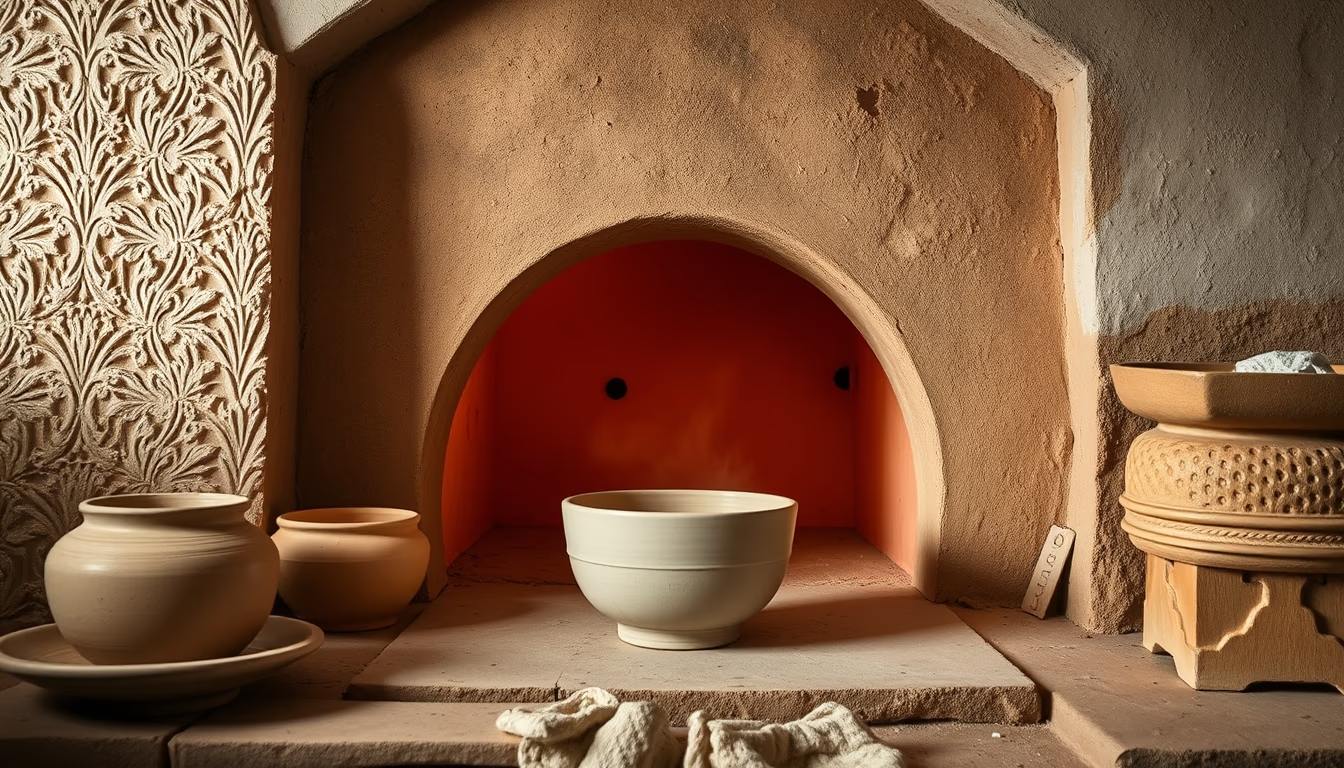
Plaster mold casting is a fundamental technique in sculpture, enabling faithful reproduction of three-dimensional forms. Plaster, a calcium sulfate hemihydrate, when mixed with water forms a paste that hardens quickly. This property makes it ideal for capturing fine details of original models, such as clay or wax. The technique dates back to ancient Egypt, where plaster molds were used to create funerary masks and decorative elements.
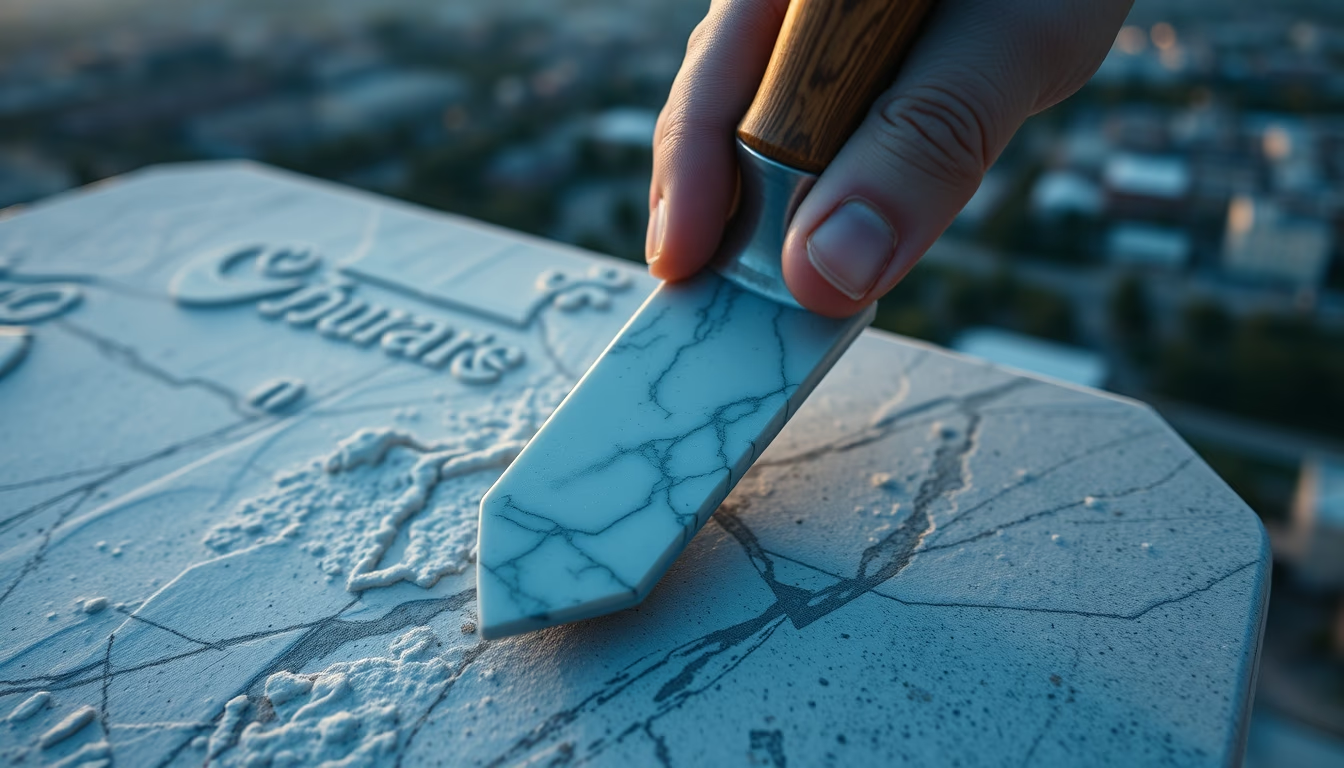
There are two main types of plaster molds: waste molds and piece molds. Waste molds are broken apart after casting, used for a single reproduction, typically in bronze sculpture. Piece molds consist of multiple interlocking sections that can be reassembled, allowing multiple reproductions. This method was refined during the Renaissance, when artists like Donatello and Michelangelo used plaster molds to create copies of their works and to plan marble sculptures.
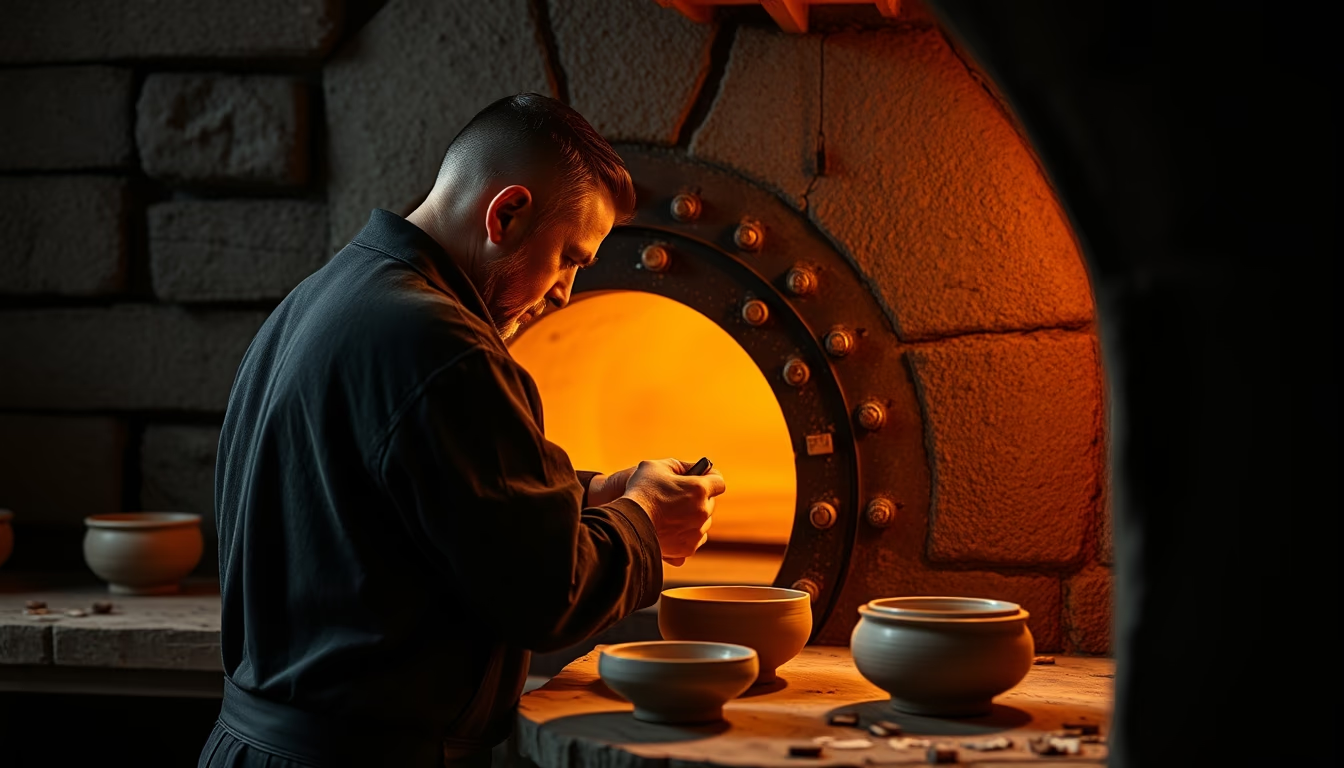
In modern industry, plaster is widely applied in the fabrication of prosthetics, automotive components, and cinematic special effects. In Brazil, plaster molding is common in handicrafts, particularly in producing saints and figures from the Baroque period of Minas Gerais. Wax museums also rely on this technique to create hyper-realistic replicas of historical figures. Plaster's versatility allows it to be combined with reinforcements like fiberglass or jute, increasing strength without losing the ability to reproduce subtle textures.
Proper care of plaster molds requires attention, as the material is porous and sensitive to humidity. Sculptors often use mold release agents, such as soap or petroleum jelly, to prevent plaster from sticking to the original model. Despite the advent of digital technologies like 3D scanning and printing, plaster molds remain relevant due to low cost, simplicity, and the tactile connection they provide between the artist and the artwork.
Frequently Asked Questions
What is the difference between a waste mold and a piece mold?
A waste mold is used for a single casting and is broken apart afterward, ideal for unique bronze pieces. A piece mold consists of multiple sections that can be reassembled, allowing multiple reproductions.
How should plaster molds be preserved?
Plaster molds should be stored in a dry, well-ventilated environment away from moisture, as the material is porous and can deteriorate. Mechanical shocks that could break delicate parts should also be avoided.
Is plaster still used in contemporary sculpture?
Yes, many contemporary sculptors still use plaster for preliminary models, molds, and even final works. Its ease of modeling and low cost make it a versatile tool, even with the advancement of digital technologies.
Direct URL
https://pub-c7d6a6ea828543ac903a74a341ccb2e1.r2.dev/imagens/plaster-mold-sculpture-magazine-editorial-fresh18.avifHow to credit
Include a visible link back to UtilizAí. Copy one of the snippets below:
<a href="https://xn--utiliza-eza.com/en/midia/imagens/plaster-mold-sculpture-magazine-editorial-fresh18">Plaster mold sculpture</a> by <a href="https://xn--utiliza-eza.com">UtilizAí</a>, licensed under <a href="https://creativecommons.org/licenses/by/4.0/">CC BY 4.0</a>.
[Plaster mold sculpture](https://xn--utiliza-eza.com/en/midia/imagens/plaster-mold-sculpture-magazine-editorial-fresh18) by [UtilizAí](https://xn--utiliza-eza.com), CC BY 4.0
License: CC-BY-4.0