Lacework antique tatting
1344×768 · AVIF · CC BY 4.0
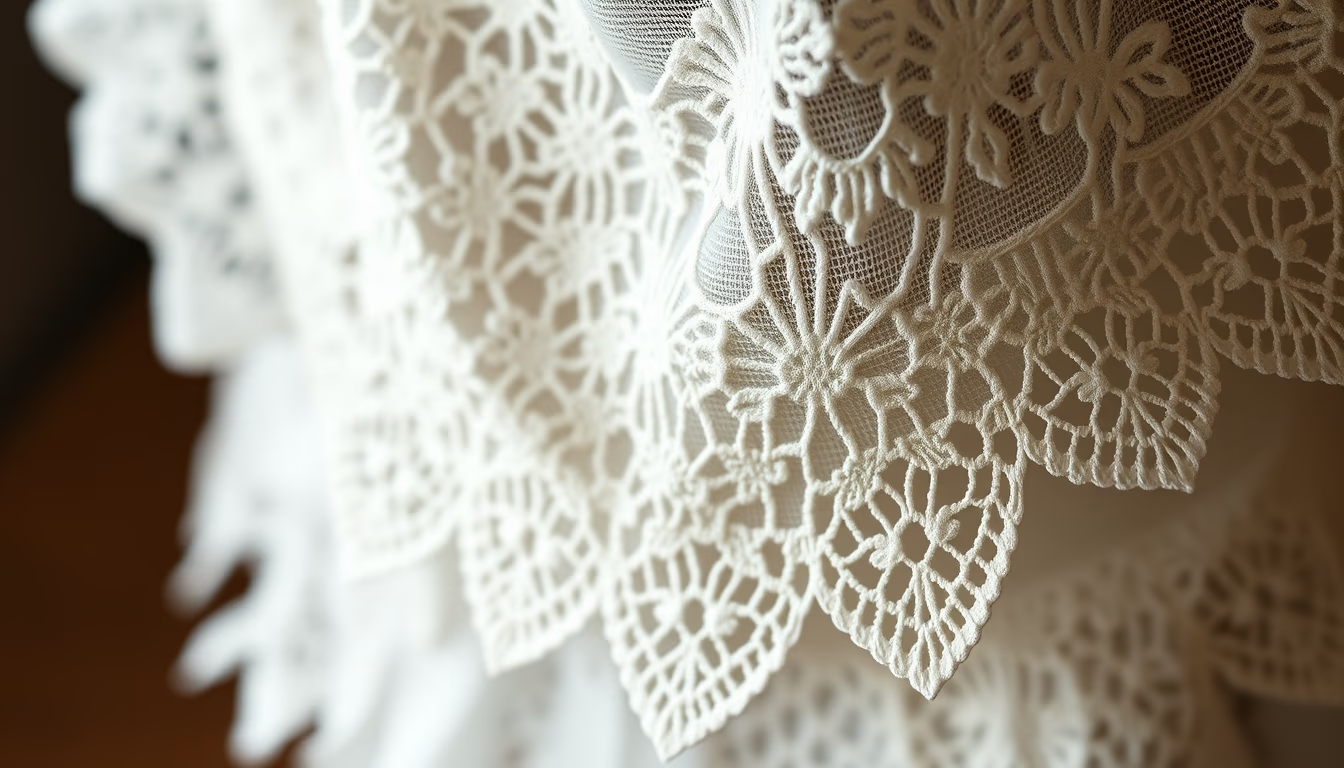
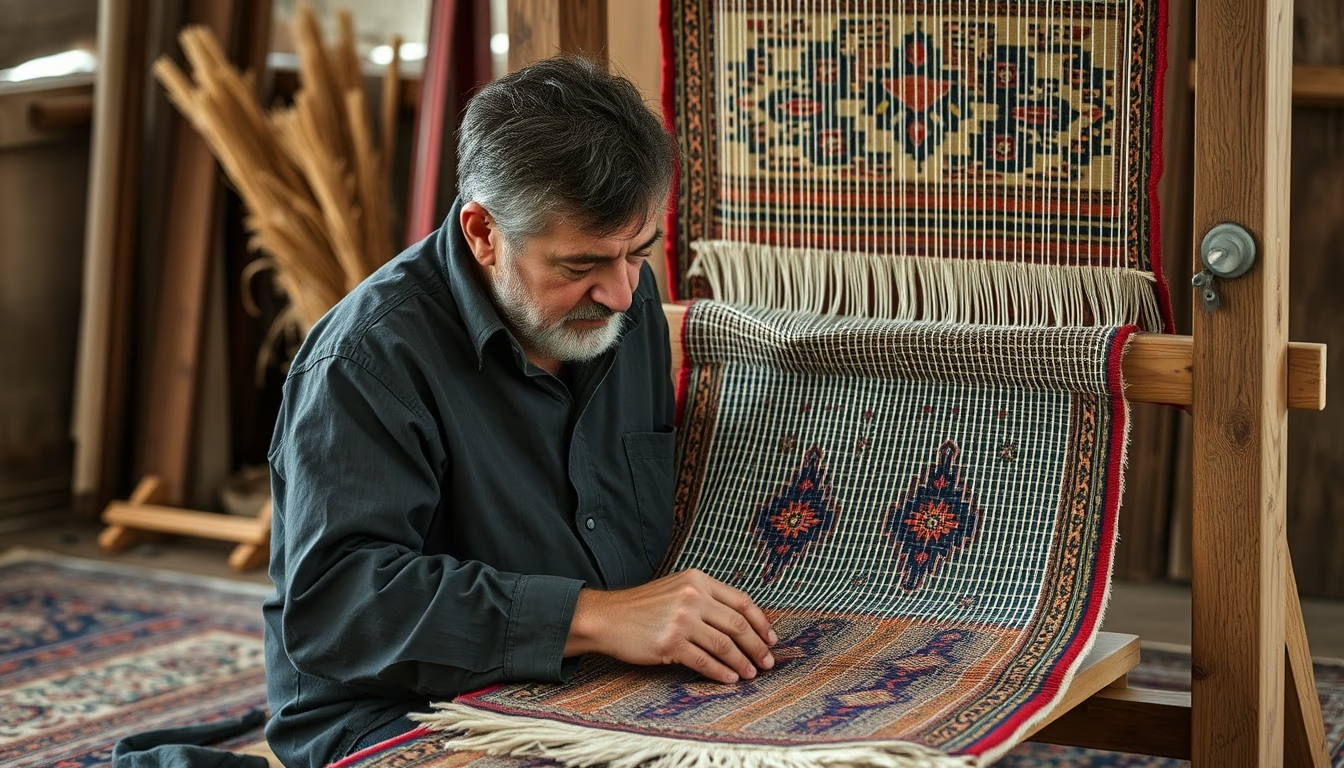
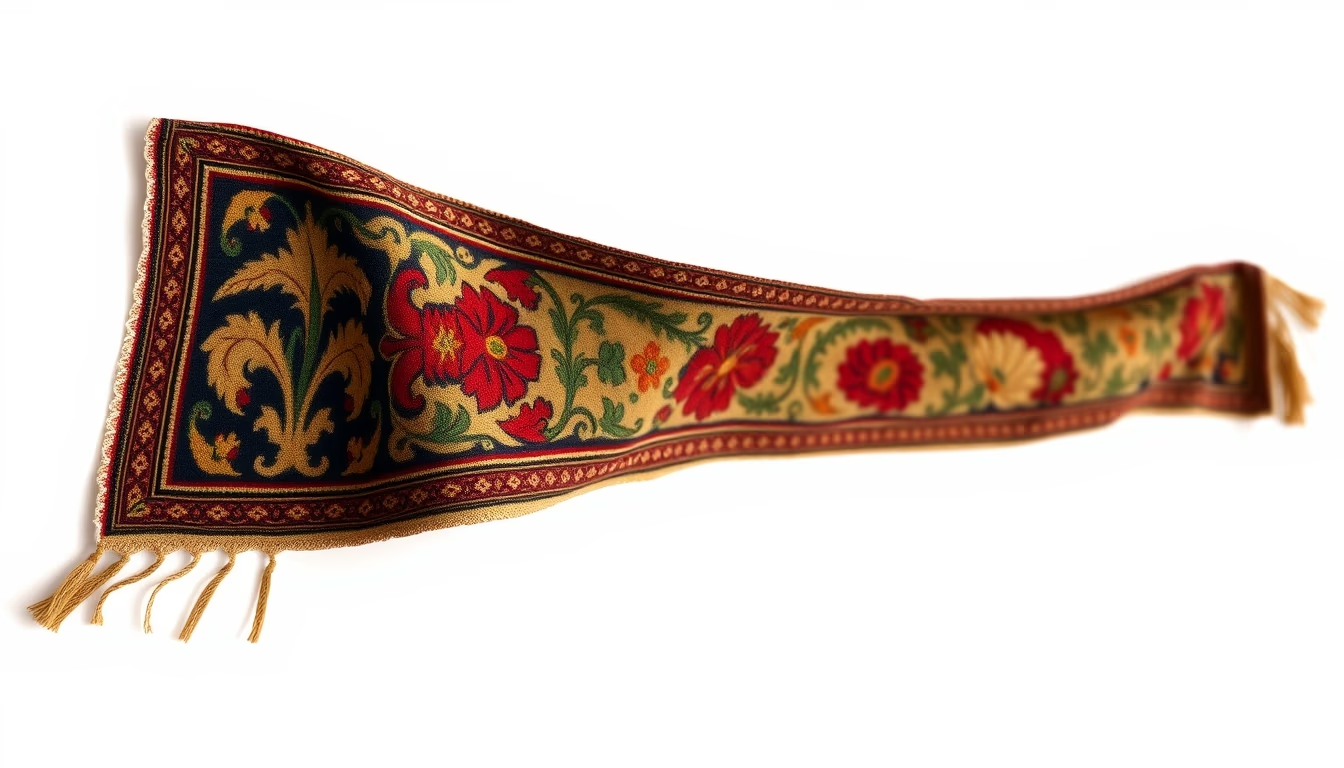
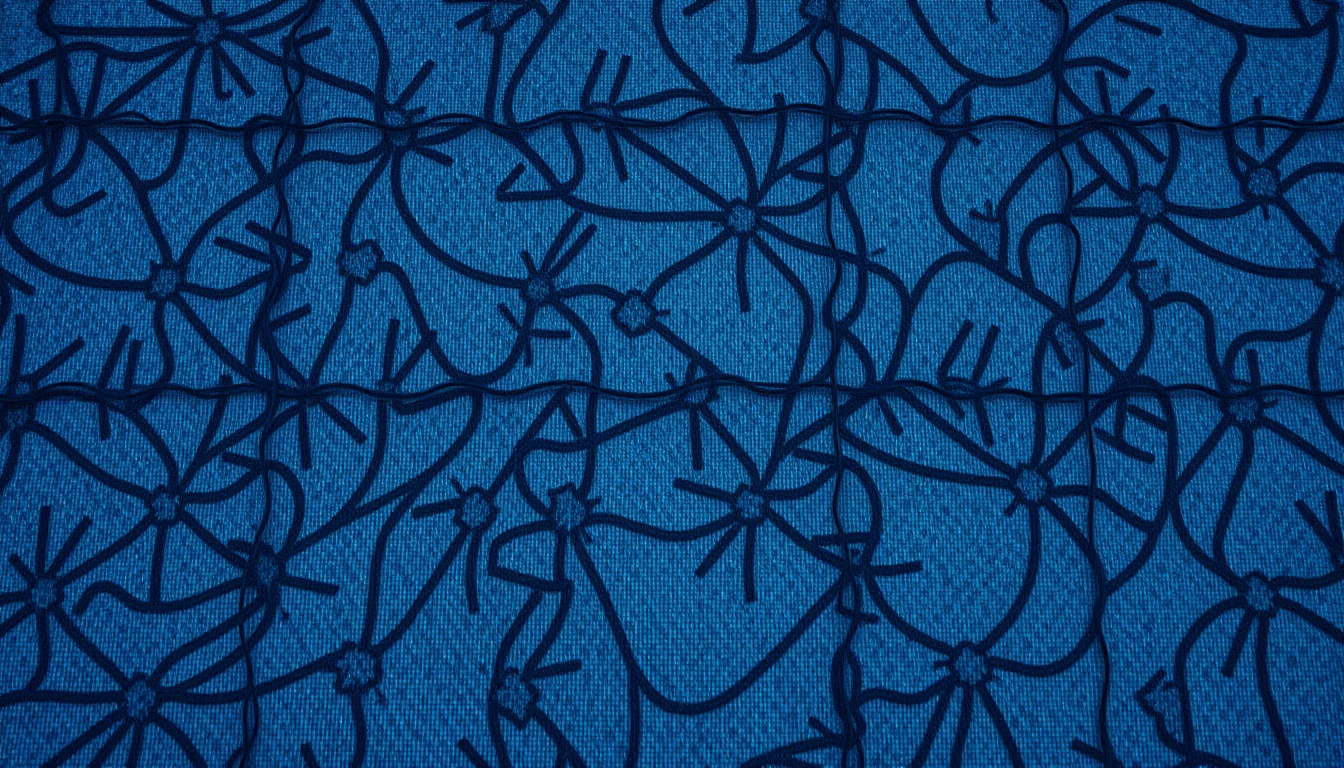
Antique tatting lacework, a delicate and durable technique popular in the 19th century as a feminine pastime and decorative art, now preserved in collections of filigree textiles.
About this subject
Tatting is a handcrafted lace technique using a shuttle or needle to form knots and rings, creating geometric and floral patterns. It emerged in the early 19th century, possibly evolving from French frivolité, and quickly spread across Europe and the Americas. Unlike bobbin lace, which requires a pillow and multiple threads, tatting uses a single thread, making it highly portable and versatile. Antique pieces, such as collars, doilies, and tablecloths, were symbols of refinement and female skill, often passed down as family heirlooms.
Common materials include cotton, linen, and silk, with thicknesses ranging from very fine to robust. Classic patterns called "roses", "stars", and "chains" were published in 19th-century women's magazines like Godey's Lady's Book. The technique demands patience and precision; a single collar may take weeks to complete. Today, tatting is revived by contemporary artisans and antique collectors, exhibited in textile museums and auctions.
In global context, tatting appeared in Victorian England, France, Italy, and the United States, each region developing unique motifs. Antique tatting often features intricate picots (small loops) and joins, creating a delicate, web-like appearance. Preservation is challenging due to thread fragility; proper storage involves acid-free tissue and controlled humidity.
A fun fact: the word "tatting" derives from French "tater" (to touch lightly), referencing the tactile sensation of the knots. Unlike crochet or knitting, tatting creates an airy, springy fabric that mimics tiny beads or pearls.
Frequently Asked Questions
What is the difference between tatting and bobbin lace?
Tatting uses a single shuttle to form knots in one continuous thread, creating rings and chains. Bobbin lace uses multiple threads wound on bobbins over a pillow, producing denser, more complex weaves.
How can I identify an antique tatting piece?
Antique pieces often have aged cotton or silk threads with a yellowish tone, symmetrical patterns of rings and picots, and handmade finishes. Rust marks from pins or irregular tiny knots may also indicate age.
Can tatting be washed?
Yes, but with extreme care. Hand wash in cold water with mild soap, avoid wringing, and dry flat in shade. Very fragile pieces should be dry-cleaned by a textile conservator.
Direct URL
https://pub-c7d6a6ea828543ac903a74a341ccb2e1.r2.dev/imagens/lacework-antique-tatting-fine-art-photography-fresh18.avifHow to credit
Include a visible link back to UtilizAí. Copy one of the snippets below:
<a href="https://xn--utiliza-eza.com/en/midia/imagens/lacework-antique-tatting-fine-art-photography-fresh18">Lacework antique tatting</a> by <a href="https://xn--utiliza-eza.com">UtilizAí</a>, licensed under <a href="https://creativecommons.org/licenses/by/4.0/">CC BY 4.0</a>.
[Lacework antique tatting](https://xn--utiliza-eza.com/en/midia/imagens/lacework-antique-tatting-fine-art-photography-fresh18) by [UtilizAí](https://xn--utiliza-eza.com), CC BY 4.0
License: CC-BY-4.0