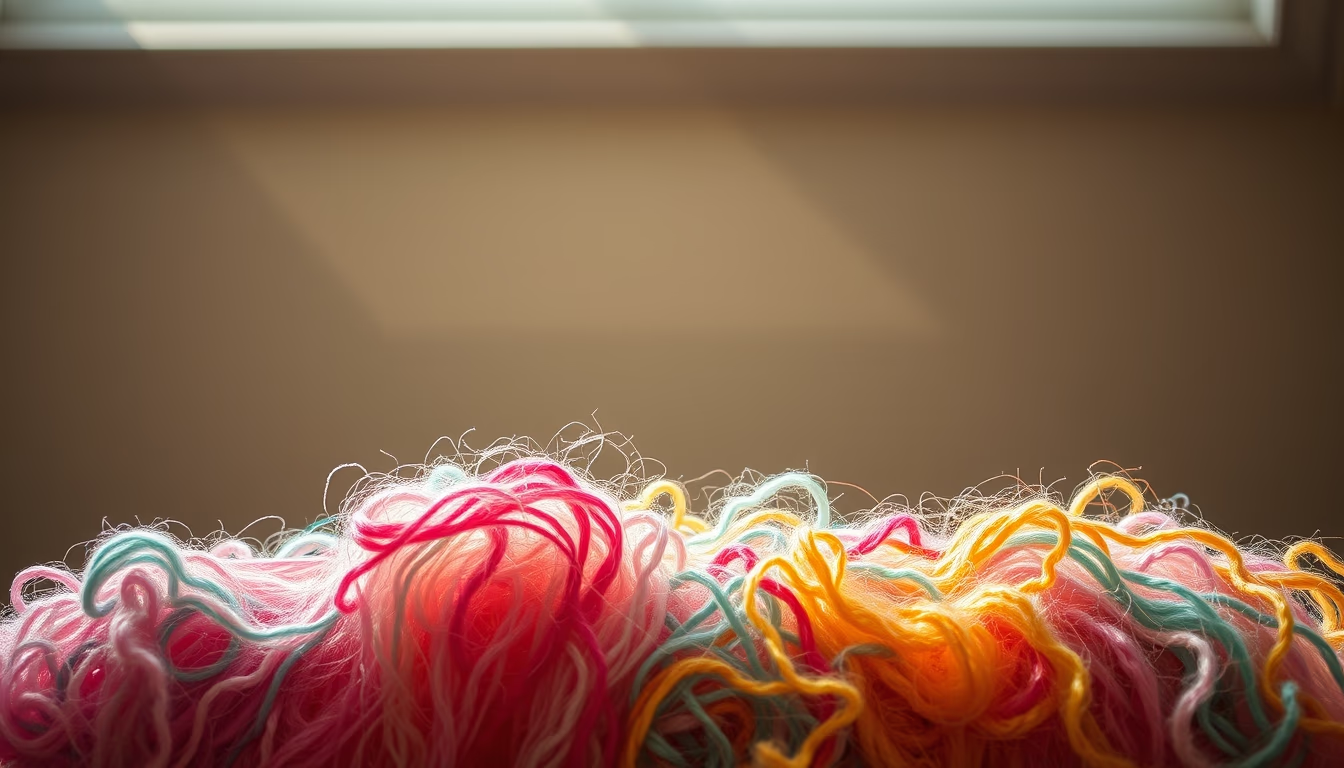
Embroidery floss rainbow
1344×768 · AVIF · CC BY 4.0
Embroidery floss is a versatile textile material used in crafts and fashion, with a rich cultural history in Brazil and worldwide.
About this subject
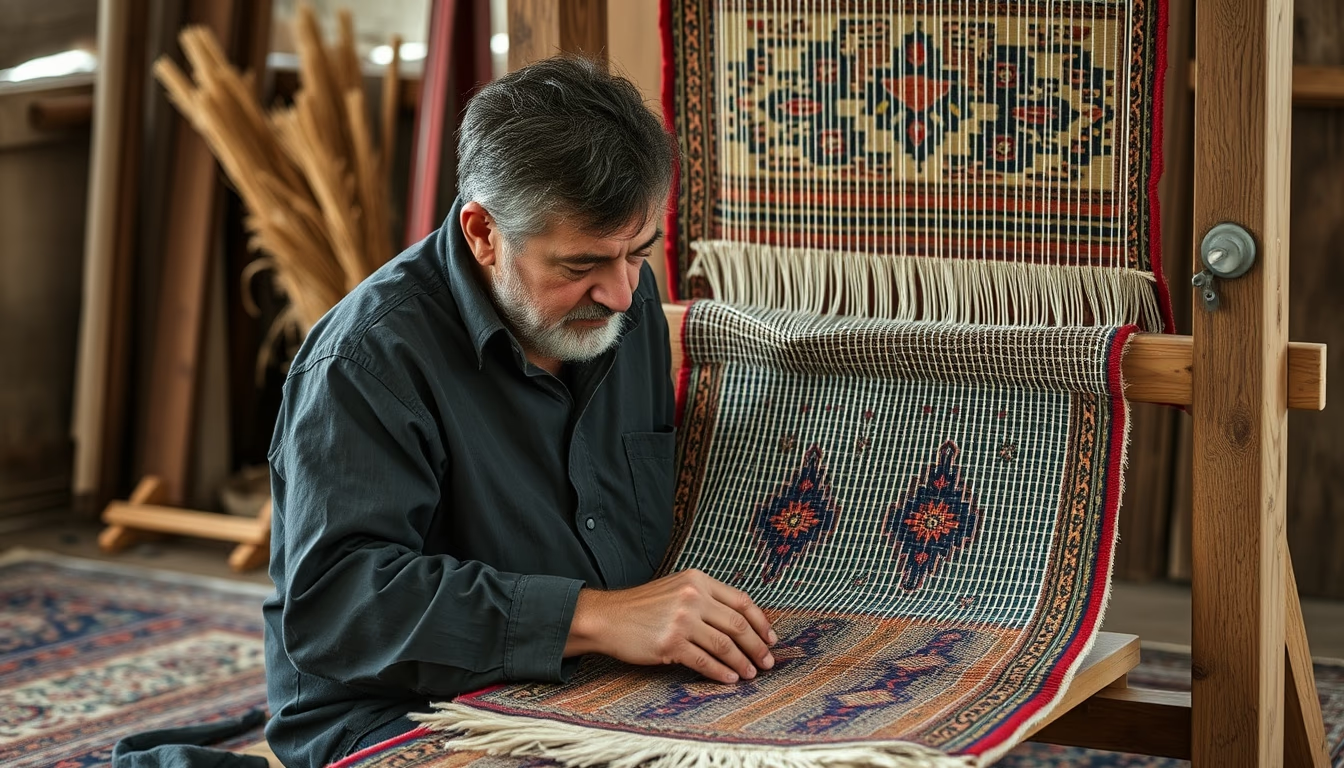
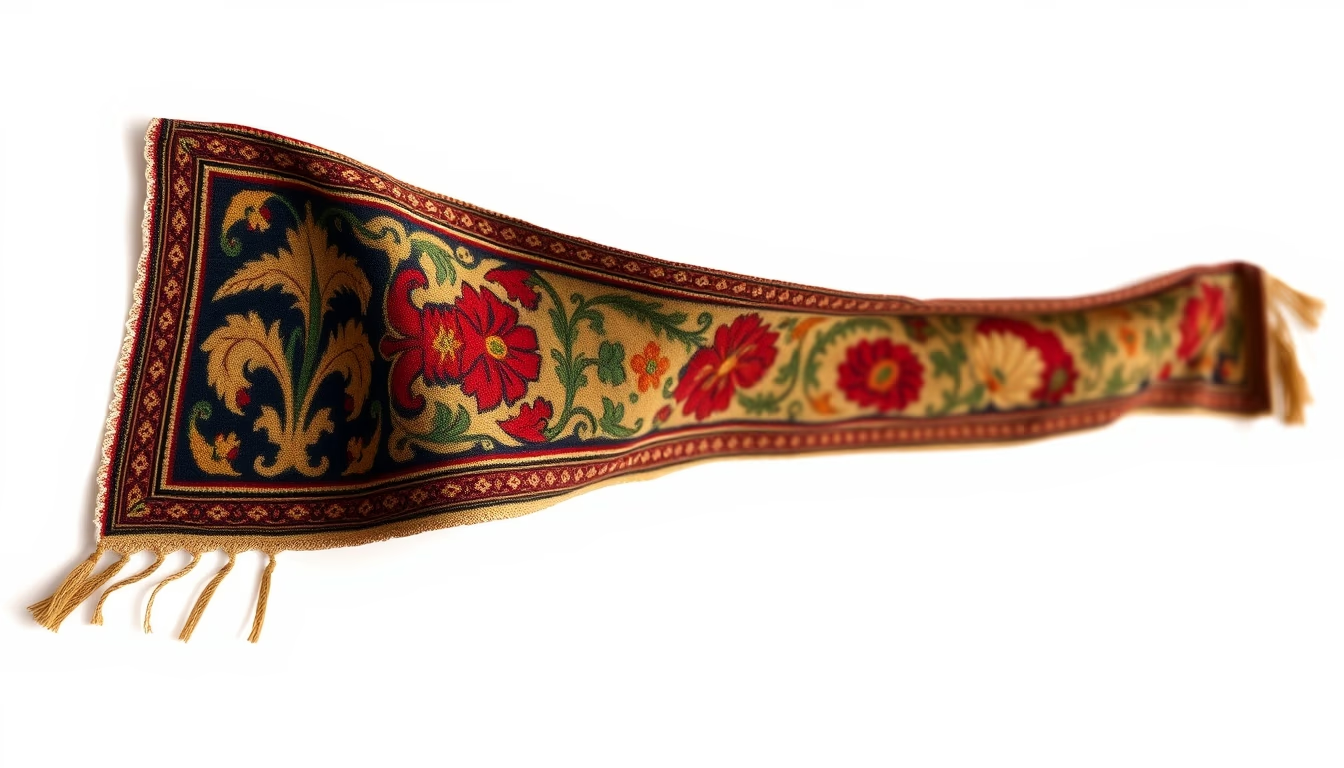
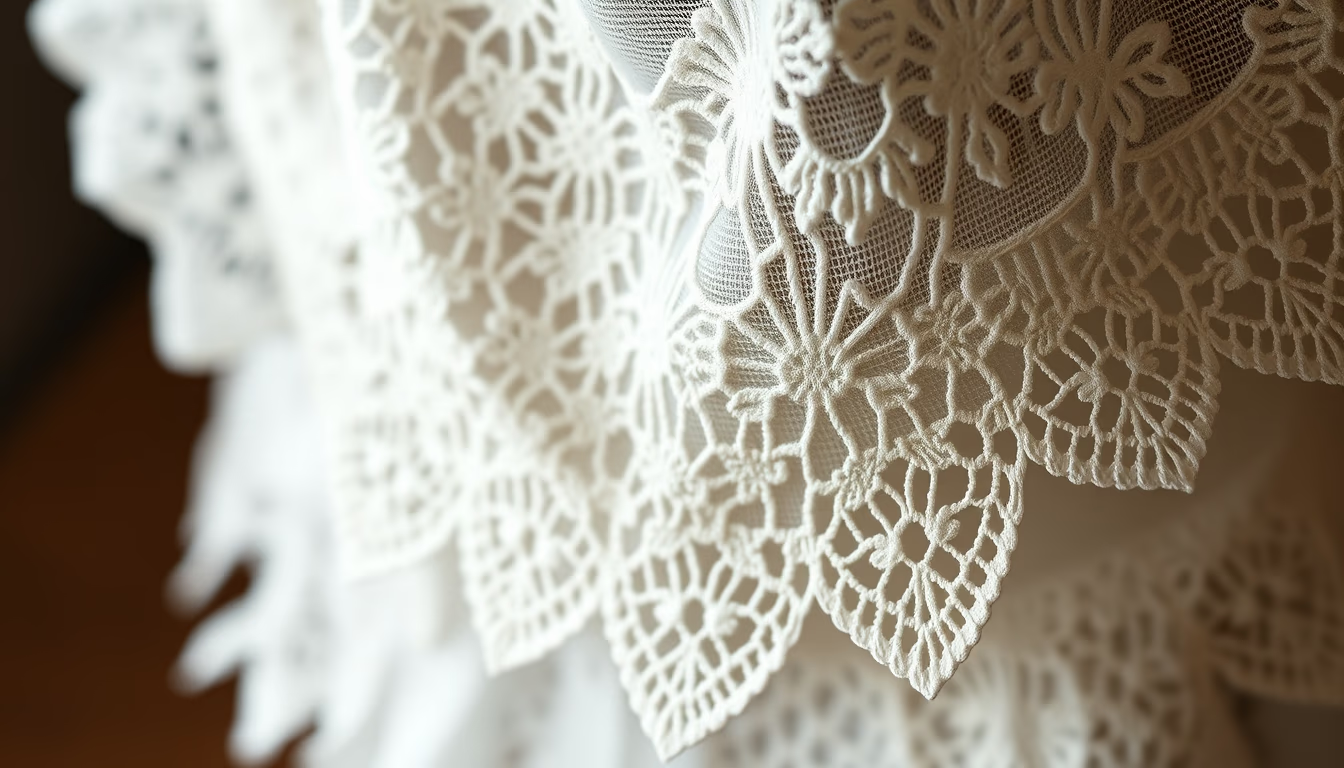
Embroidery floss, typically made of mercerized cotton, is sold in eight-meter skeins and divided into six thin strands. This structure allows crafters to adjust thickness for various techniques, from free embroidery to cross-stitch. In Brazil, embroidery is a deeply rooted cultural practice in regions like the Northeast, where renascence lace and cross-stitch are traditions passed down through generations. The use of vibrant colors, like a rainbow, is common for creating decorative effects on clothing, towels, and dishcloths.
Globally, embroidery has ancient origins: archaeological records show examples in ancient China and India. In medieval Europe, embroideries were symbols of status and wealth, while in the 20th century they became a popular hobby. Embroidery floss is also the foundation of friendship bracelets, a youth practice that gained momentum in the 1980s and continues today. The textile industry offers a vast range of colors, enabling precise gradients and combinations.
Technical curiosities: mercerization, a chemical process that gives cotton luster and strength, was invented by John Mercer in 1844. Mercerized threads absorb dye better, resulting in more vivid colors. Brands like DMC and Anchor dominate the market, but there is a growing trend for artisanal threads and natural dyes. In Brazil, local production of embroidery floss supports cooperatives and small producers, strengthening the creative economy.
From a sustainable perspective, embroidery with cotton threads is an alternative to fast fashion. Reusing scraps and threads to personalize garments extends their lifespan. Additionally, embroidering is therapeutic and promotes focus, recommended as a mindfulness practice. Whether in a traditional or contemporary project, rainbow embroidery floss symbolizes creativity and cultural diversity.
Frequently Asked Questions
How to choose the right color of embroidery floss?
The choice depends on the project: for realistic embroidery, pick colors that contrast with the fabric. In cross-stitch, follow the color chart. Gradients can be created with neighboring shades on the color wheel.
What is the difference between embroidery floss and sewing thread?
Embroidery floss is thicker and shinier, made of mercerized cotton with multiple strands. Sewing thread is finer and stronger, usually polyester or cotton, without strand separation.
Where did embroidery as a textile technique originate?
The oldest known embroidery dates back to around 30,000 BC in Russia, with ivory beads sewn onto clothing. Civilizations like China, India, and Egypt developed refined techniques thousands of years ago.
Direct URL
https://pub-c7d6a6ea828543ac903a74a341ccb2e1.r2.dev/imagens/embroidery-floss-rainbow-documentary-photography-fresh16.avifHow to credit
Include a visible link back to UtilizAí. Copy one of the snippets below:
<a href="https://xn--utiliza-eza.com/en/midia/imagens/embroidery-floss-rainbow-documentary-photography-fresh16">Embroidery floss rainbow</a> by <a href="https://xn--utiliza-eza.com">UtilizAí</a>, licensed under <a href="https://creativecommons.org/licenses/by/4.0/">CC BY 4.0</a>.
[Embroidery floss rainbow](https://xn--utiliza-eza.com/en/midia/imagens/embroidery-floss-rainbow-documentary-photography-fresh16) by [UtilizAí](https://xn--utiliza-eza.com), CC BY 4.0
License: CC-BY-4.0