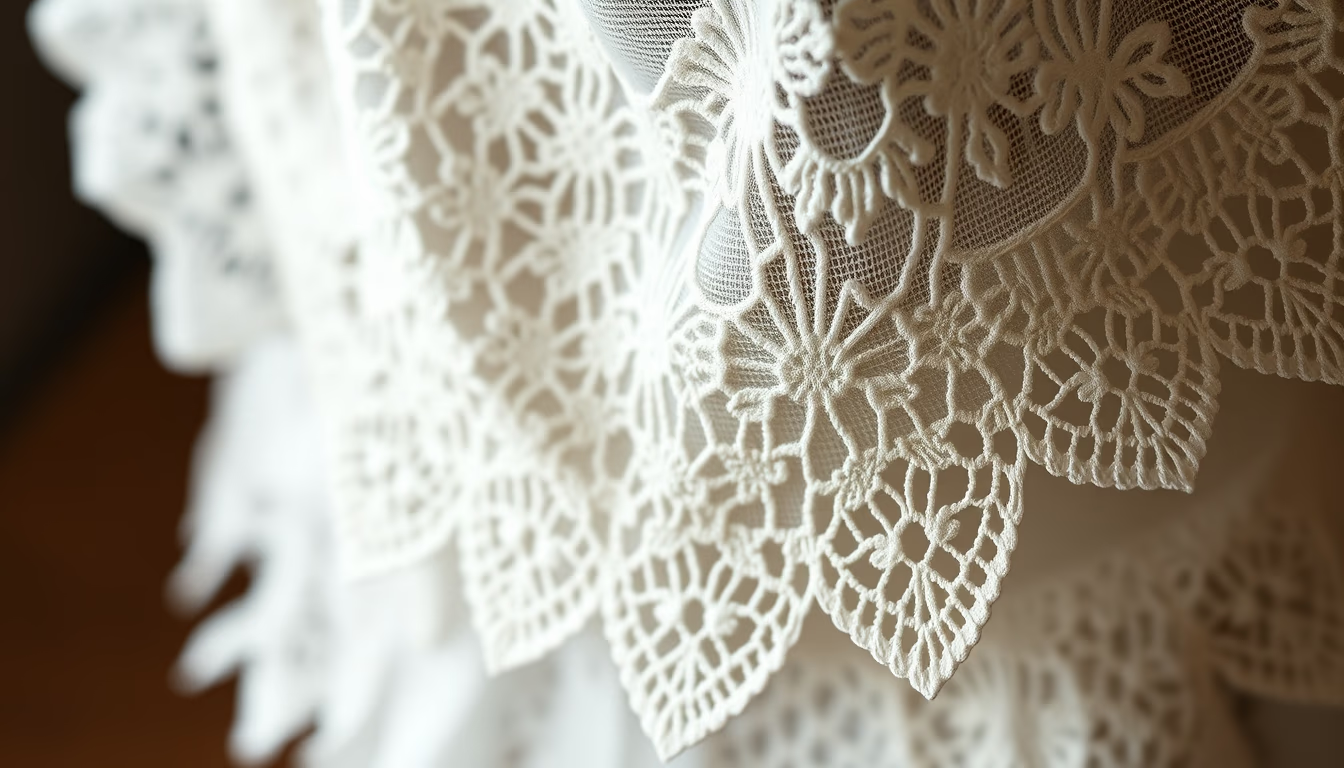
Embroidery floss rainbow
1344×768 · AVIF · CC BY 4.0

A rainbow gradient of embroidery floss spools, a colorful arrangement that inspires crafters and designers worldwide.
About this subject
Embroidery floss, also known as stranded cotton, is a versatile and affordable material for textile crafts. Typically composed of six loosely twisted strands of mercerized cotton, it allows crafters to adjust the thickness by separating or combining strands. Originating in the 19th century with textile industrialization, embroidery floss became widespread especially in freehand embroidery and cross stitch, techniques that require vibrant colors and quality threads.
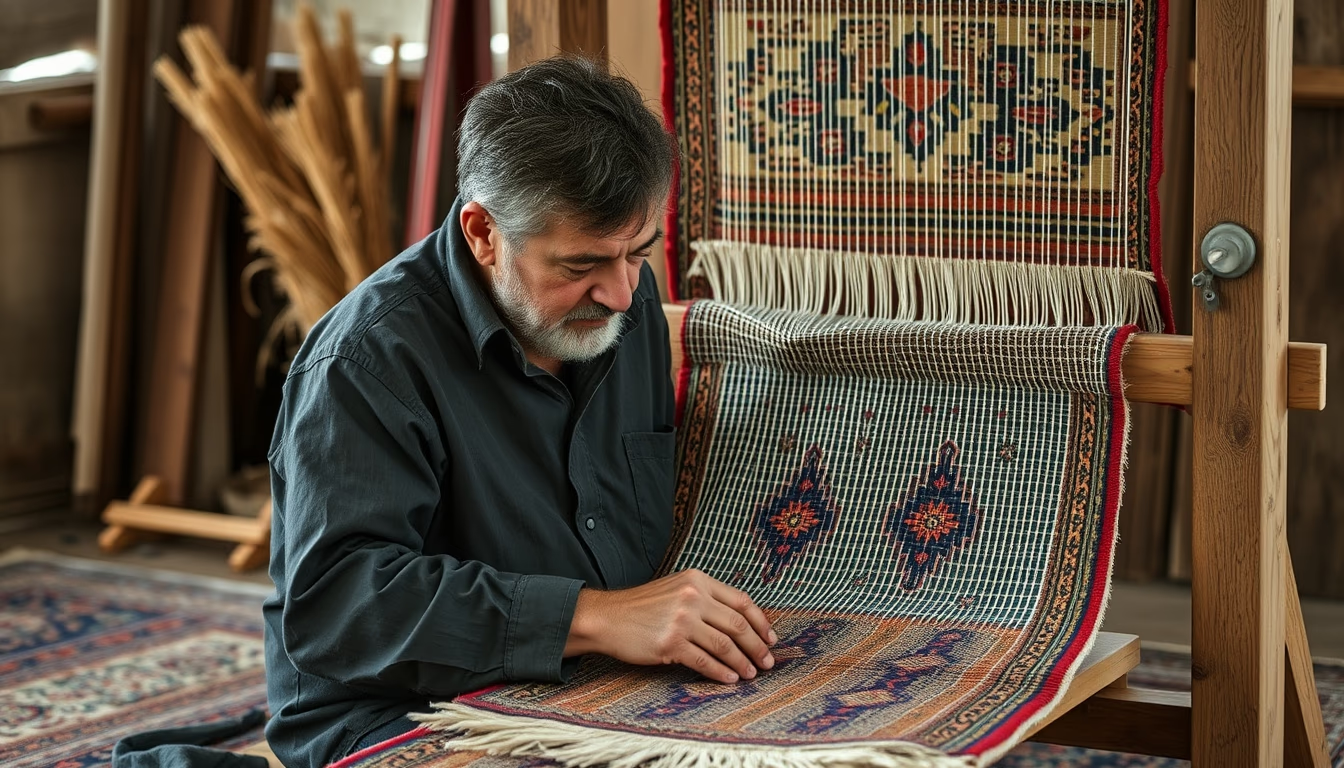
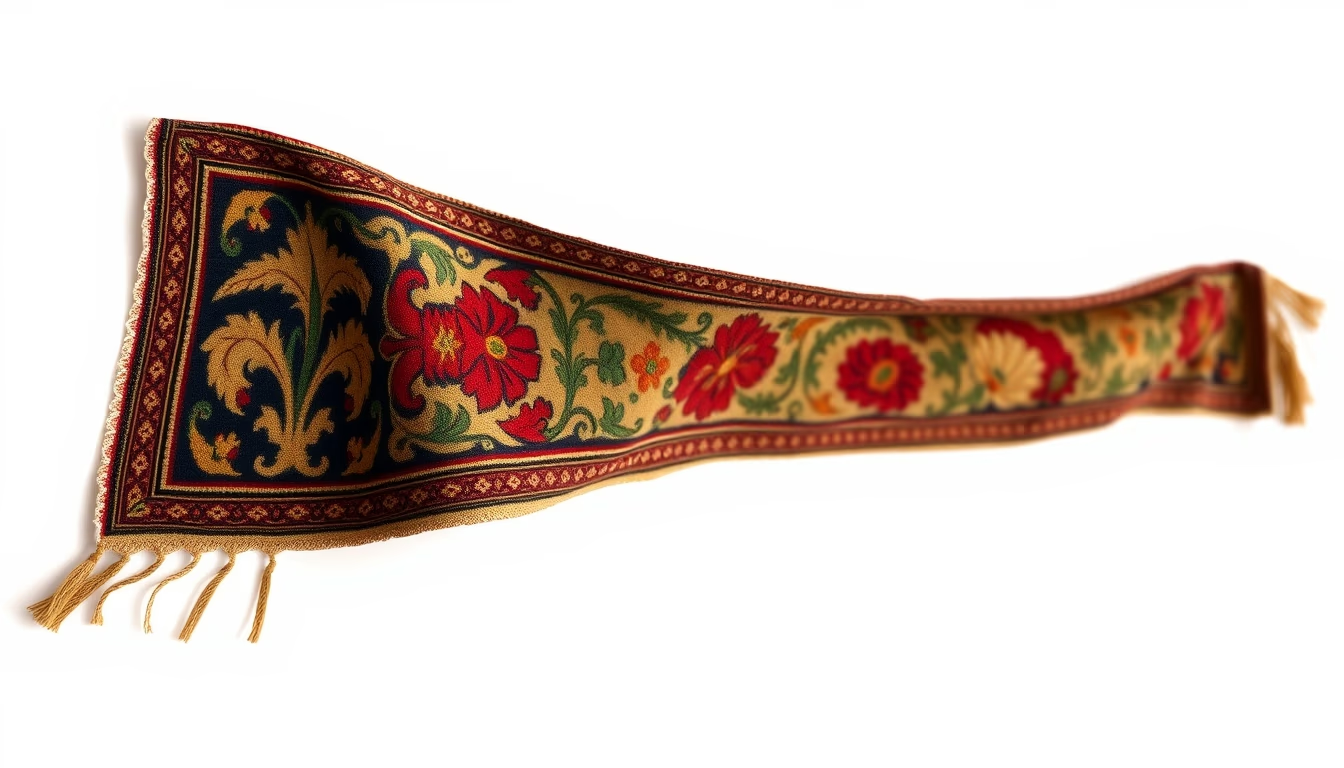
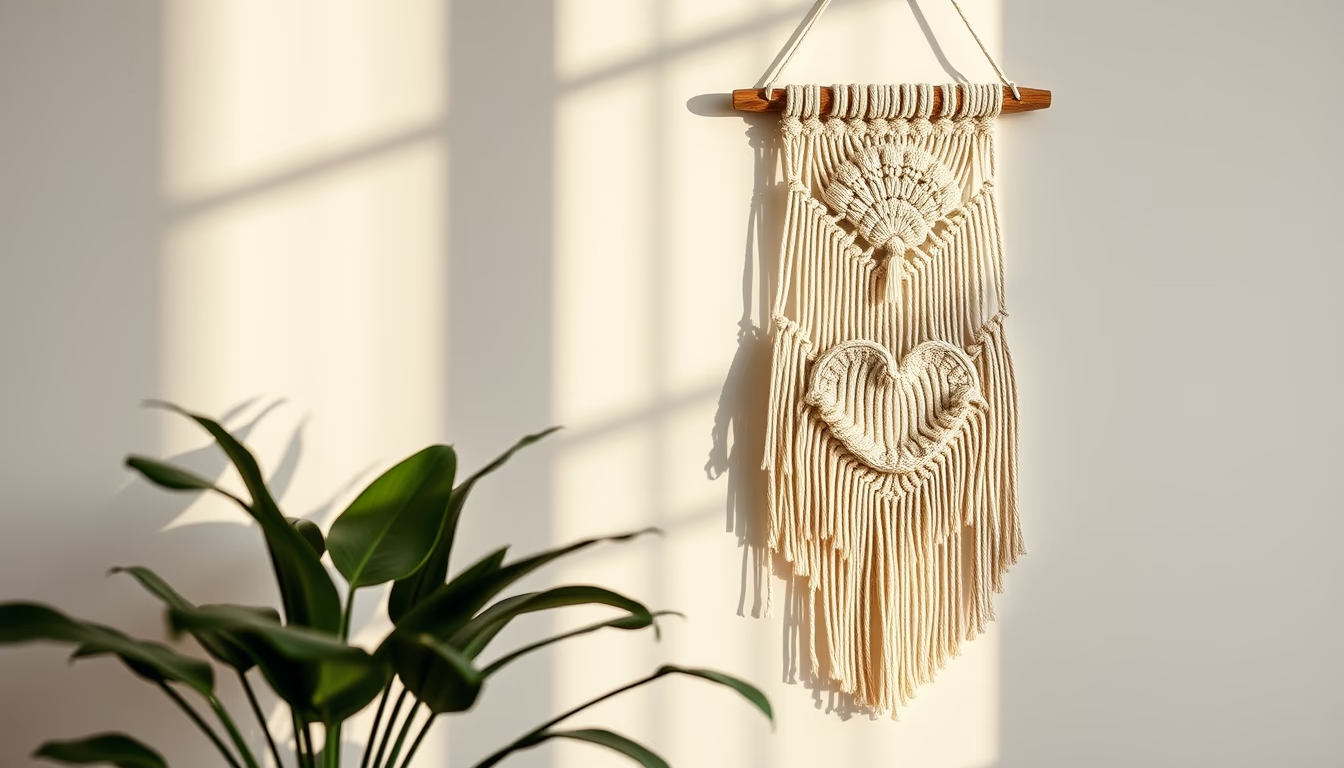
In Brazil, embroidery is a strong cultural tradition, present in regions like the Northeast (Renaissance embroidery, crivo) and the South (hand embroidery on trousseaus). Colorful embroidery floss is used not only for embroidery but also in macrame, tapestry, amigurumi, and even handmade jewelry. Organizing colors in a gradient rainbow is a common practice among collectors to easily choose shades for projects.
Interestingly, embroidery floss is standardized by brands like DMC and Anchor, with a universal numbering system that allows reproducing patterns anywhere in the world. A typical skein is 8 meters long, and one of the most famous projects using many colors is "Mexican Skull Embroidery" or "Mandala Flowers". The range of shades, from vivid red to sky blue, is essential for creating shading and realistic details.
Frequently Asked Questions
What is embroidery floss and what is it used for?
Embroidery floss is a mercerized cotton thread composed of six separable strands. It is mainly used in embroidery like cross stitch and freehand embroidery, but also in macrame, tapestry, and general crafts.
What is the difference between embroidery floss and sewing thread?
Embroidery floss is shinier, softer, and has separable strands for thickness variation. Sewing thread is thinner and stronger, designed for machine stitching fabrics together.
How to choose embroidery floss colors for a project?
For projects like a rainbow or gradient, arrange threads in chromatic order. Use brand numbering (DMC, Anchor) to follow patterns. Test colors on a fabric scrap before stitching.
Direct URL
https://pub-c7d6a6ea828543ac903a74a341ccb2e1.r2.dev/imagens/embroidery-floss-rainbow-cinematic-wide-shot-fresh17.avifHow to credit
Include a visible link back to UtilizAí. Copy one of the snippets below:
<a href="https://xn--utiliza-eza.com/en/midia/imagens/embroidery-floss-rainbow-cinematic-wide-shot-fresh17">Embroidery floss rainbow</a> by <a href="https://xn--utiliza-eza.com">UtilizAí</a>, licensed under <a href="https://creativecommons.org/licenses/by/4.0/">CC BY 4.0</a>.
[Embroidery floss rainbow](https://xn--utiliza-eza.com/en/midia/imagens/embroidery-floss-rainbow-cinematic-wide-shot-fresh17) by [UtilizAí](https://xn--utiliza-eza.com), CC BY 4.0
License: CC-BY-4.0