Bronze foundry pour
1344×768 · AVIF · CC BY 4.0
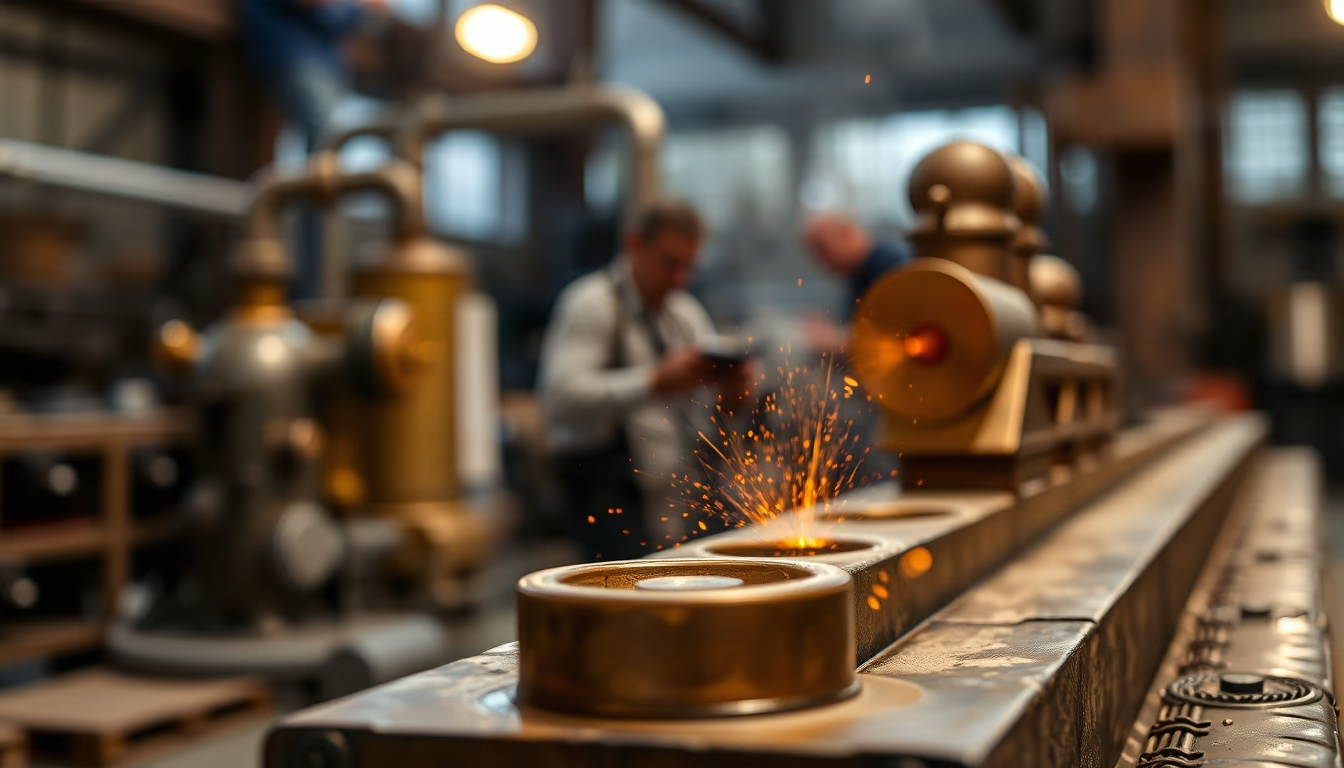
The bronze casting process in foundries is an ancient technique used to create durable sculptures and artistic objects.
About this subject
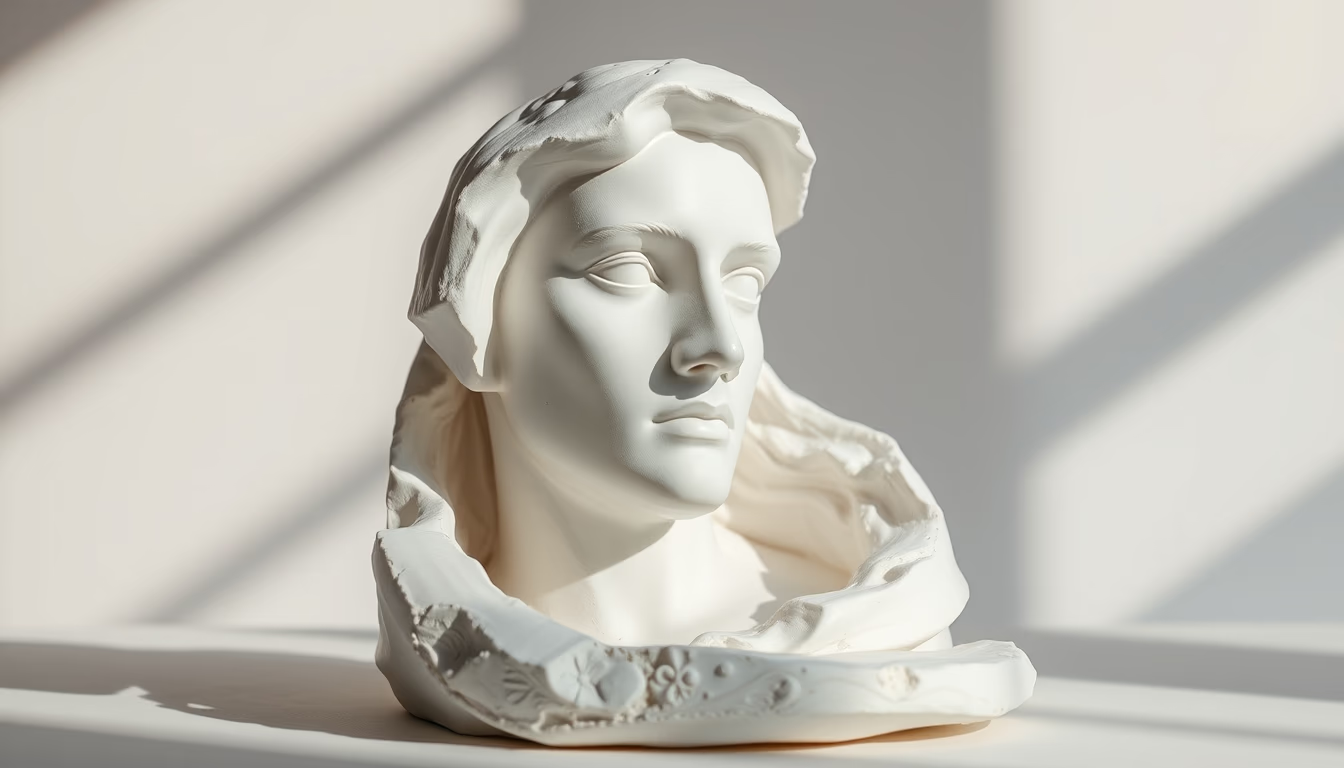
Bronze pouring is a critical step in the casting process, where molten metal is poured into a mold to shape artistic or industrial pieces. This technique dates back over 5,000 years, with archaeological evidence in Mesopotamia and ancient China. Bronze, an alloy of copper and tin, is valued for its corrosion resistance and malleability, allowing fine details in sculptures.
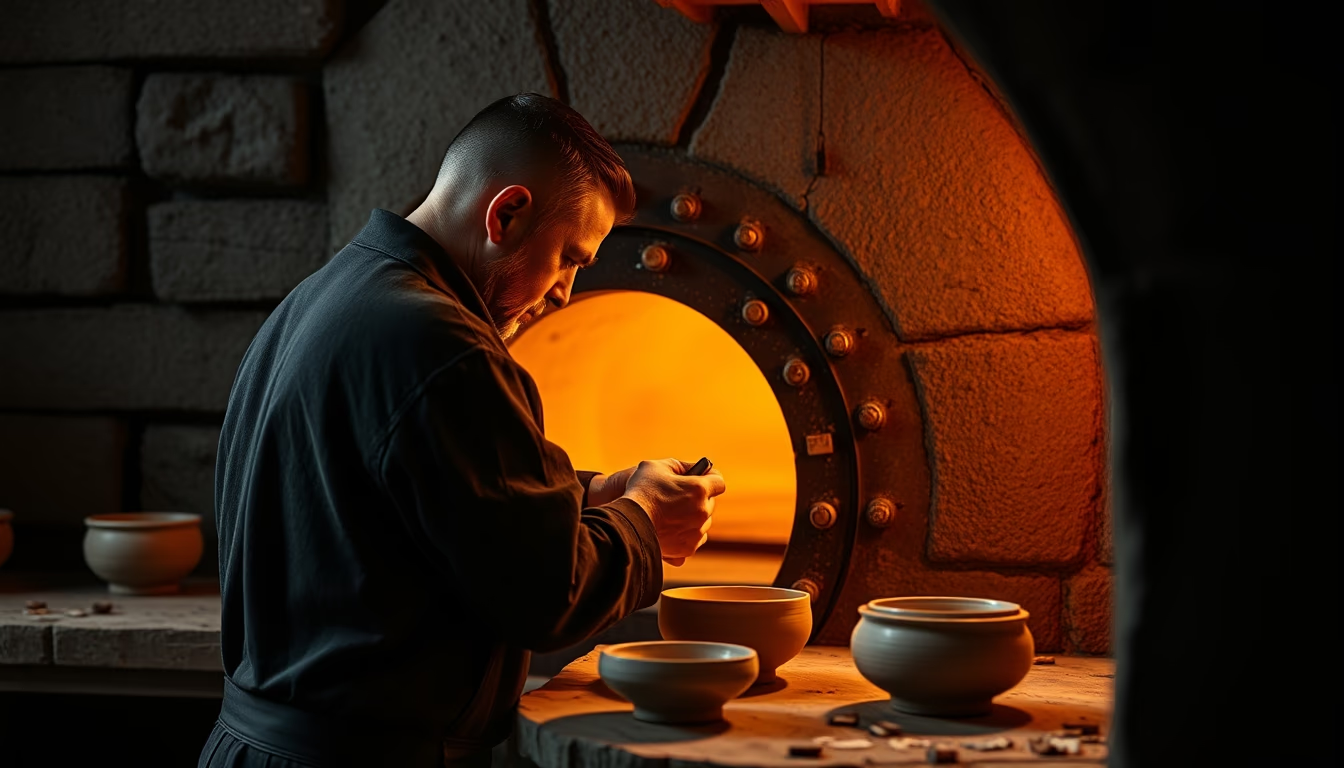
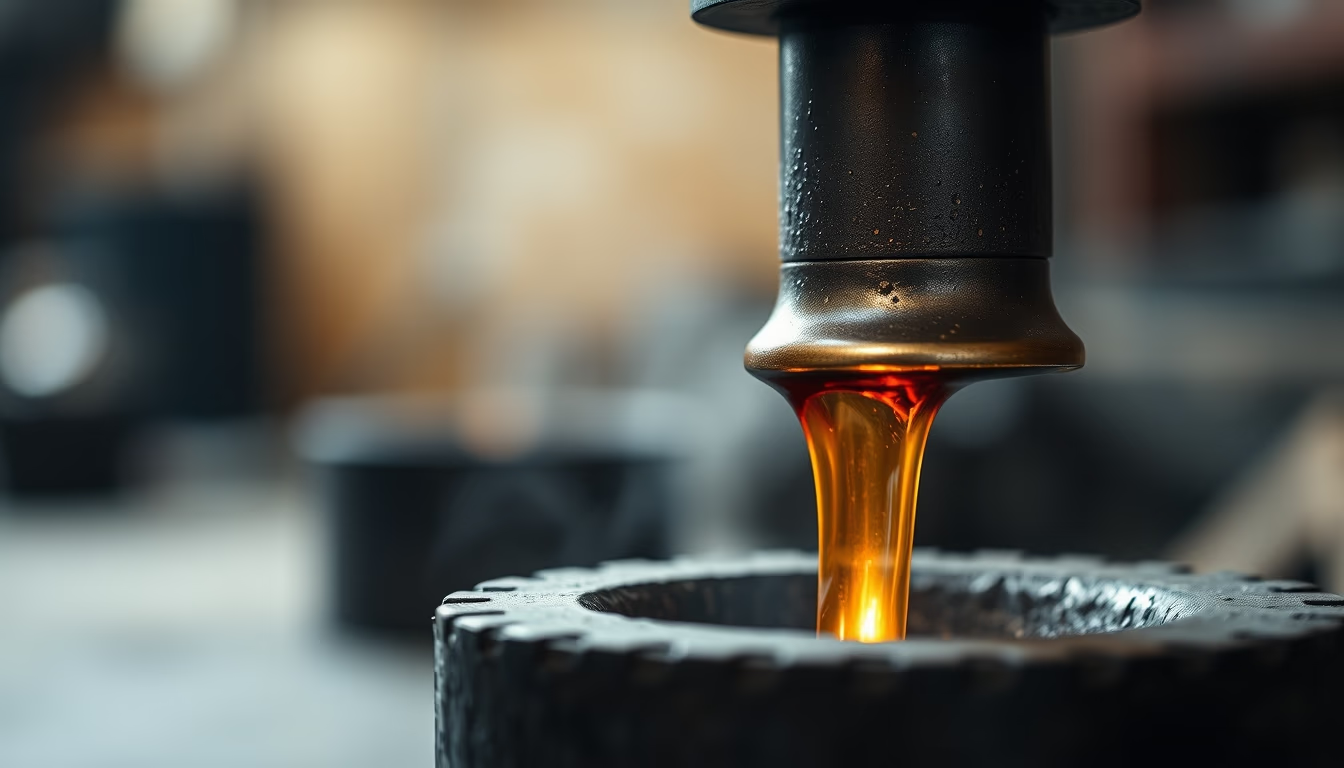
In modern practice, casting begins with a wax or clay model, which is coated with refractory material to form a mold. After wax burnout (lost-wax process), the mold is heated, and bronze melted at around 1,000°C is carefully poured. The pour requires precision: temperature, flow, and speed must be controlled to avoid bubbles or defects.
Major works like the Monumento às Bandeiras in São Paulo or the doors of the Battistero di San Giovanni in Florence were produced using this method. In Brazil, artistic casting gained prominence with sculptors like Victor Brecheret and Aleijadinho, who adapted techniques for the Baroque style in Minas Gerais. Bronze recycling is also common, with scrap pieces being remelted for new projects.
Interestingly, the tilt-shift effect in photography can simulate miniatures, but real bronze pouring involves monumental scale: a single piece may require tons of metal and days of controlled cooling. Safety is paramount, as contact with molten metal can cause severe burns. Today, artisanal foundries coexist with automated industrial processes, keeping alive a tradition that unites art and engineering.
Frequently Asked Questions
What is the temperature of molten bronze during pouring?
Molten bronze reaches about 1,000°C, depending on the alloy composition. This high temperature requires protective equipment and heat-resistant molds.
What is the lost-wax process?
It is an ancient technique where a wax model is coated with refractory material. After the wax is burned out, a hollow mold is obtained to receive the liquid metal. It allows precise details and is still used today.
Which famous Brazilian sculptures are made of bronze?
The Monumento às Bandeiras by Victor Brecheret in São Paulo and the statues by Aleijadinho in Minas Gerais are notable examples. Many Baroque sacred works also use bronze.
Direct URL
https://pub-c7d6a6ea828543ac903a74a341ccb2e1.r2.dev/imagens/bronze-foundry-pour-tilt-shift-miniature-fresh12.avifHow to credit
Include a visible link back to UtilizAí. Copy one of the snippets below:
<a href="https://xn--utiliza-eza.com/en/midia/imagens/bronze-foundry-pour-tilt-shift-miniature-fresh12">Bronze foundry pour</a> by <a href="https://xn--utiliza-eza.com">UtilizAí</a>, licensed under <a href="https://creativecommons.org/licenses/by/4.0/">CC BY 4.0</a>.
[Bronze foundry pour](https://xn--utiliza-eza.com/en/midia/imagens/bronze-foundry-pour-tilt-shift-miniature-fresh12) by [UtilizAí](https://xn--utiliza-eza.com), CC BY 4.0
License: CC-BY-4.0