Bronze foundry pour
1344×768 · AVIF · CC BY 4.0
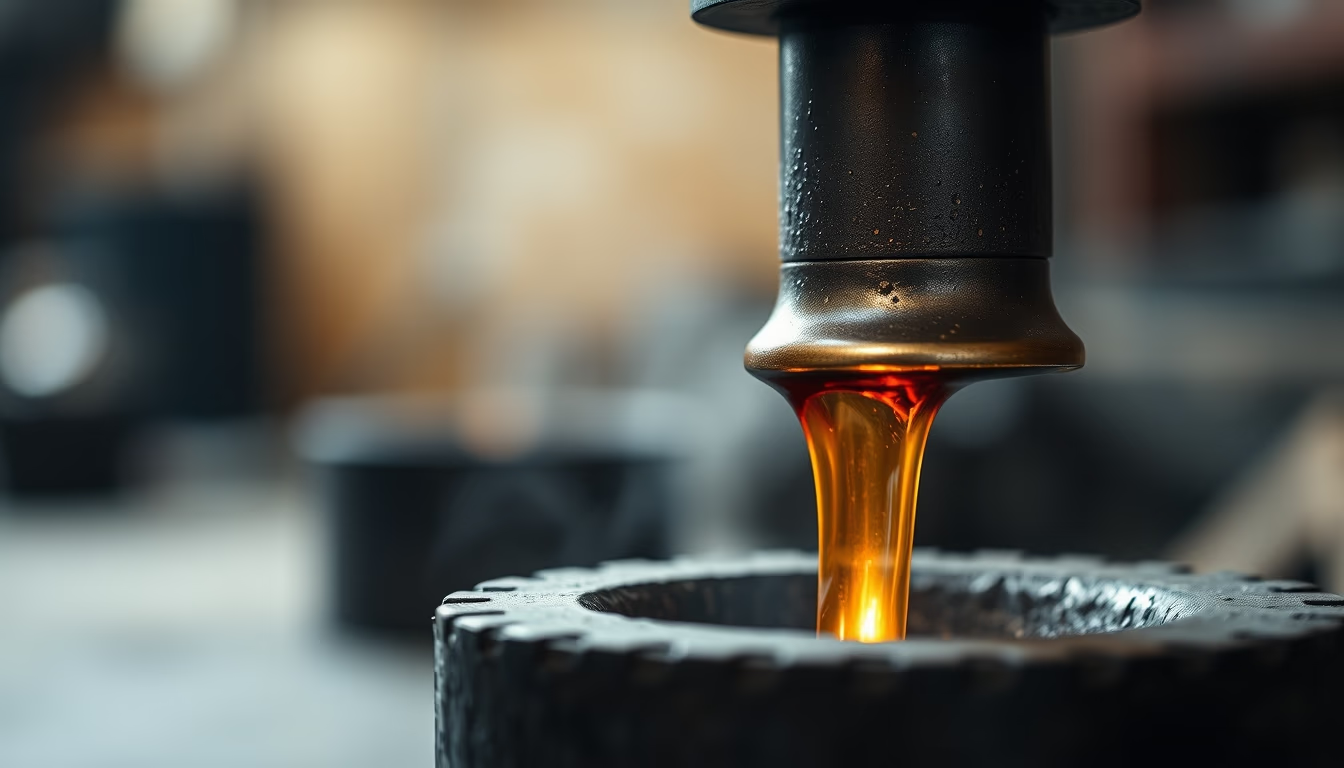
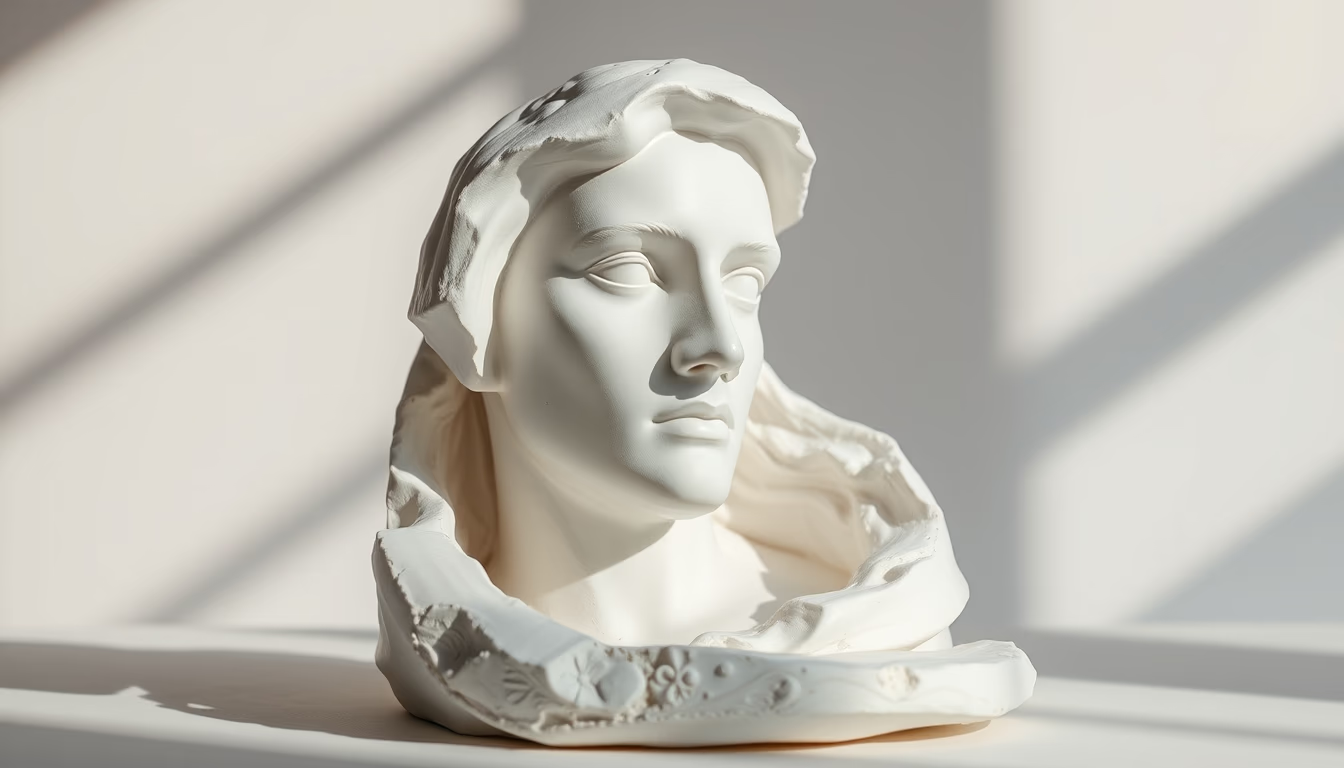
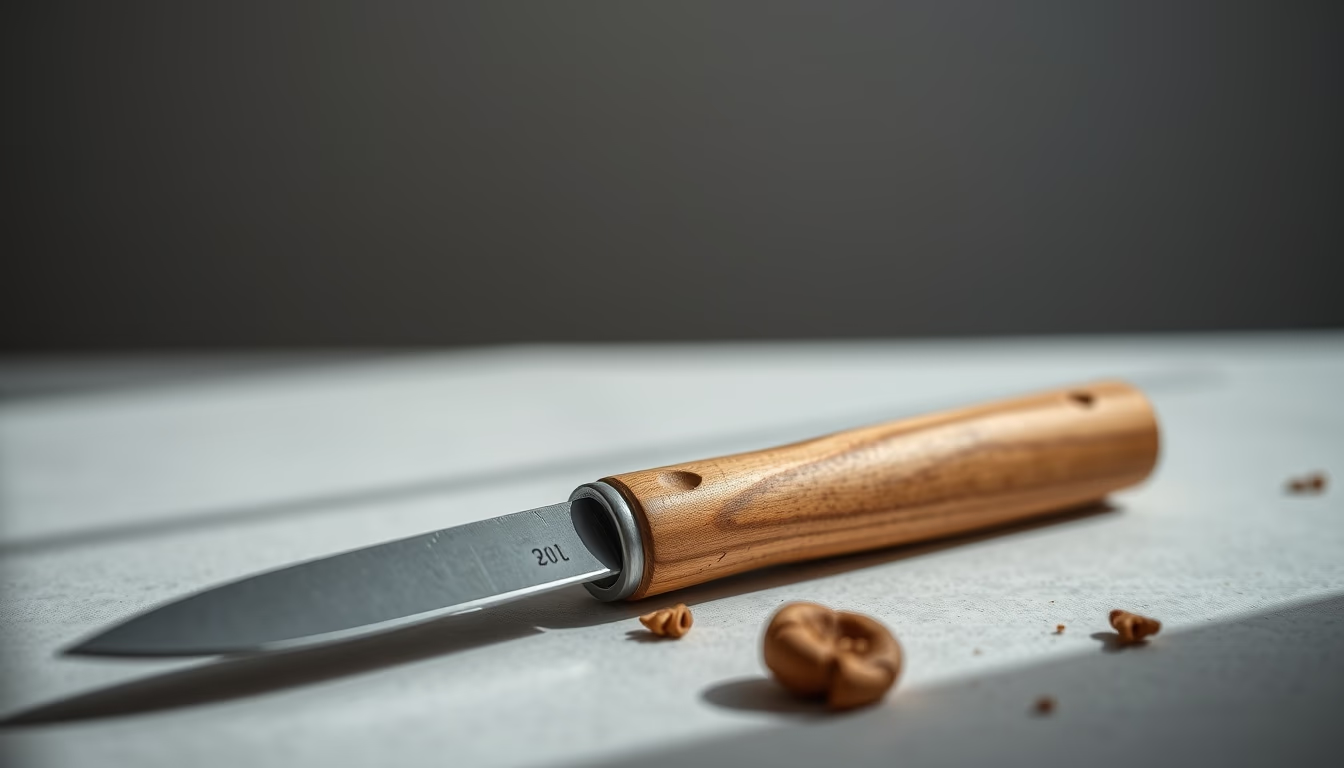
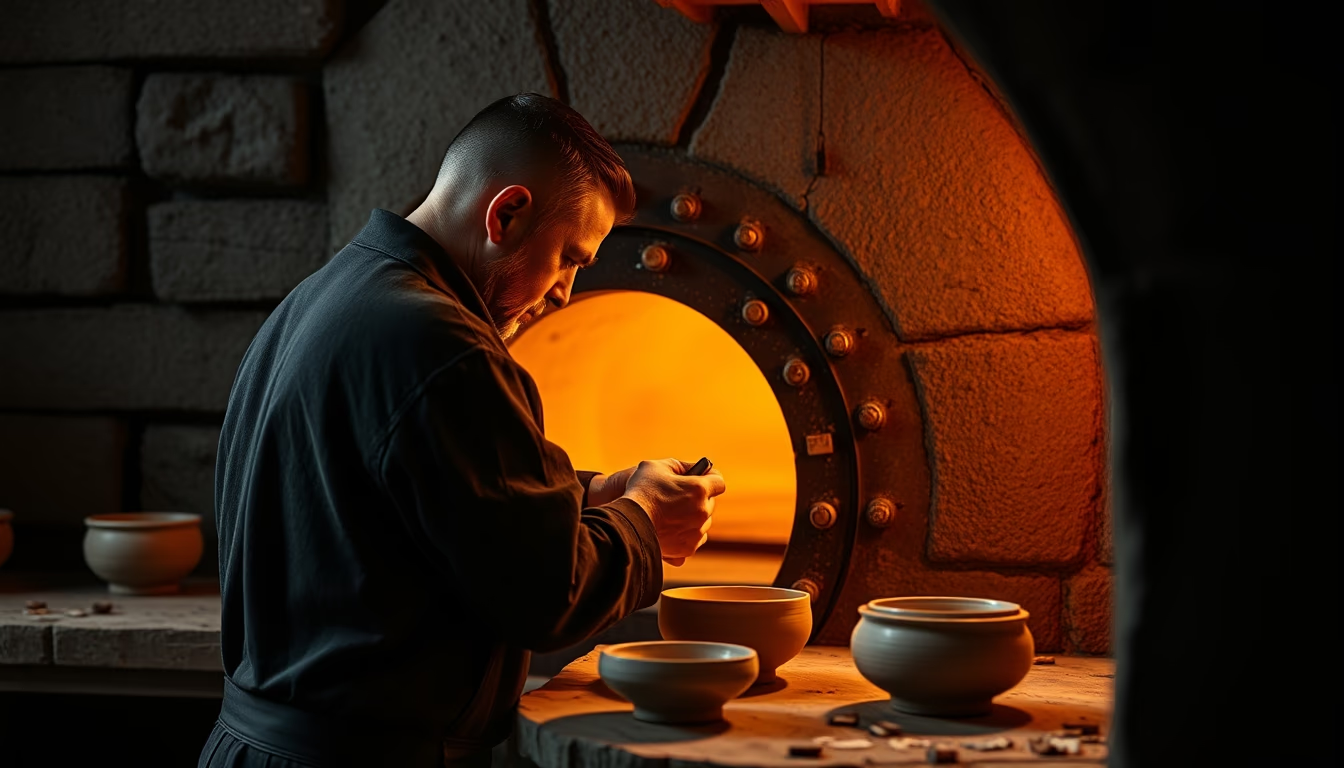
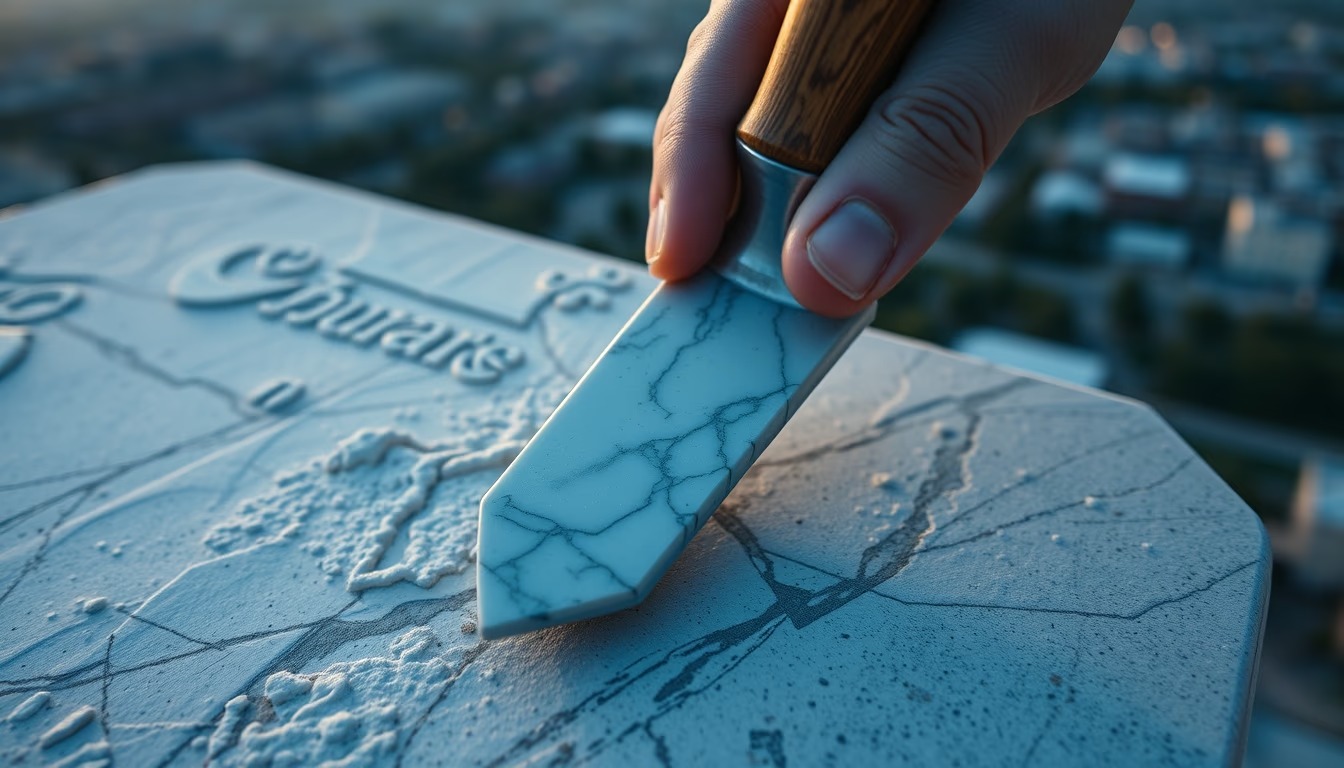
O vazamento de bronze fundido em uma fundição é uma etapa crucial na escultura em metal, combinando técnica milenar e precisão artesanal.
Sobre o tema
A fundição de bronze é uma prática que remonta a milhares de anos, com evidências de objetos de bronze datando de 3500 a.C. na Mesopotâmia. O processo de vazamento do metal líquido, conhecido como 'pour', ocorre após o bronze ser aquecido a temperaturas entre 1000°C e 1200°C em um forno especializado. Esse metal é uma liga composta principalmente de cobre e estanho, embora outros elementos como alumínio ou silício possam ser adicionados para alterar propriedades como dureza ou cor.
Durante o vazamento, o bronze fundido é transferido do cadinho para o molde, que pode ser feito de areia, gesso ou cerâmica, dependendo da técnica de fundição utilizada (como fundição por cera perdida ou fundição em areia). O vazamento deve ser feito com cuidado para evitar turbulência e inclusão de ar, que podem causar defeitos na peça final. A temperatura também precisa ser controlada: se muito quente, o metal pode queimar o molde; se muito frio, pode solidificar antes de preencher todos os detalhes.
No Brasil, a fundição de bronze tem forte tradição, especialmente em cidades como São Paulo, Rio de Janeiro e Belo Horizonte, onde existem ateliês e fundições dedicadas à escultura monumental e arte sacra. Artistas renomados como Victor Brecheret e Aleijadinho (este último usando técnicas de talha direta, mas influenciando a tradição) mostram a importância do bronze na arte brasileira. O processo de vazamento é frequentemente realizado em equipe, com o mestre fundidor supervisionando cada etapa para garantir que a obra final tenha a qualidade desejada.
Curiosidade: durante o vazamento, são comuns faíscas e vapores, exigindo equipamentos de proteção como luvas, aventais de couro e máscaras respiratórias. O bronze solidifica rapidamente após o vazamento, e a peça resultante passa por etapas de acabamento como lixamento, polimento e aplicação de pátina para atingir a coloração final desejada.
Perguntas frequentes
Qual a temperatura necessária para fundir bronze?
O bronze funde entre 1000°C e 1200°C, dependendo da composição exata da liga.
Quais são os principais métodos de fundição de bronze?
Os métodos mais comuns são a fundição por cera perdida e a fundição em areia. Ambos exigem moldes que suportam altas temperaturas.
O vazamento de bronze é perigoso?
Sim, envolve riscos como queimaduras e inalação de vapores tóxicos. Por isso, os fundidores usam equipamentos de proteção como luvas, aventais e respiradores.
URL direta
https://pub-c7d6a6ea828543ac903a74a341ccb2e1.r2.dev/imagens/bronze-foundry-pour-macro-closeup-fresh18.avifComo creditar
Inclua um link visível de volta pro UtilizAí. Copie um dos snippets abaixo:
<a href="https://xn--utiliza-eza.com/midia/imagens/bronze-foundry-pour-macro-closeup-fresh18">Bronze foundry pour</a> by <a href="https://xn--utiliza-eza.com">UtilizAí</a>, licensed under <a href="https://creativecommons.org/licenses/by/4.0/">CC BY 4.0</a>.
[Bronze foundry pour](https://xn--utiliza-eza.com/midia/imagens/bronze-foundry-pour-macro-closeup-fresh18) by [UtilizAí](https://xn--utiliza-eza.com), CC BY 4.0
Licença: CC-BY-4.0