Bronze foundry pour
1344×768 · AVIF · CC BY 4.0
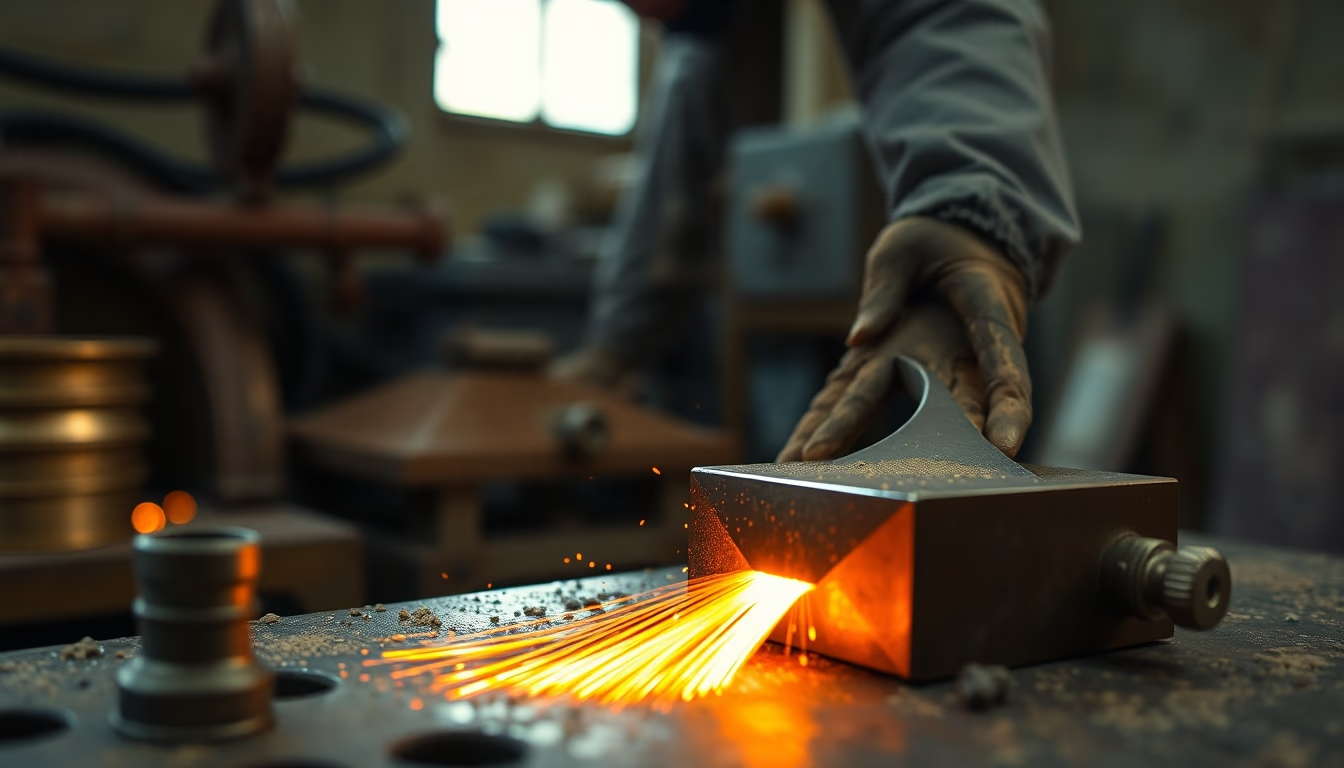
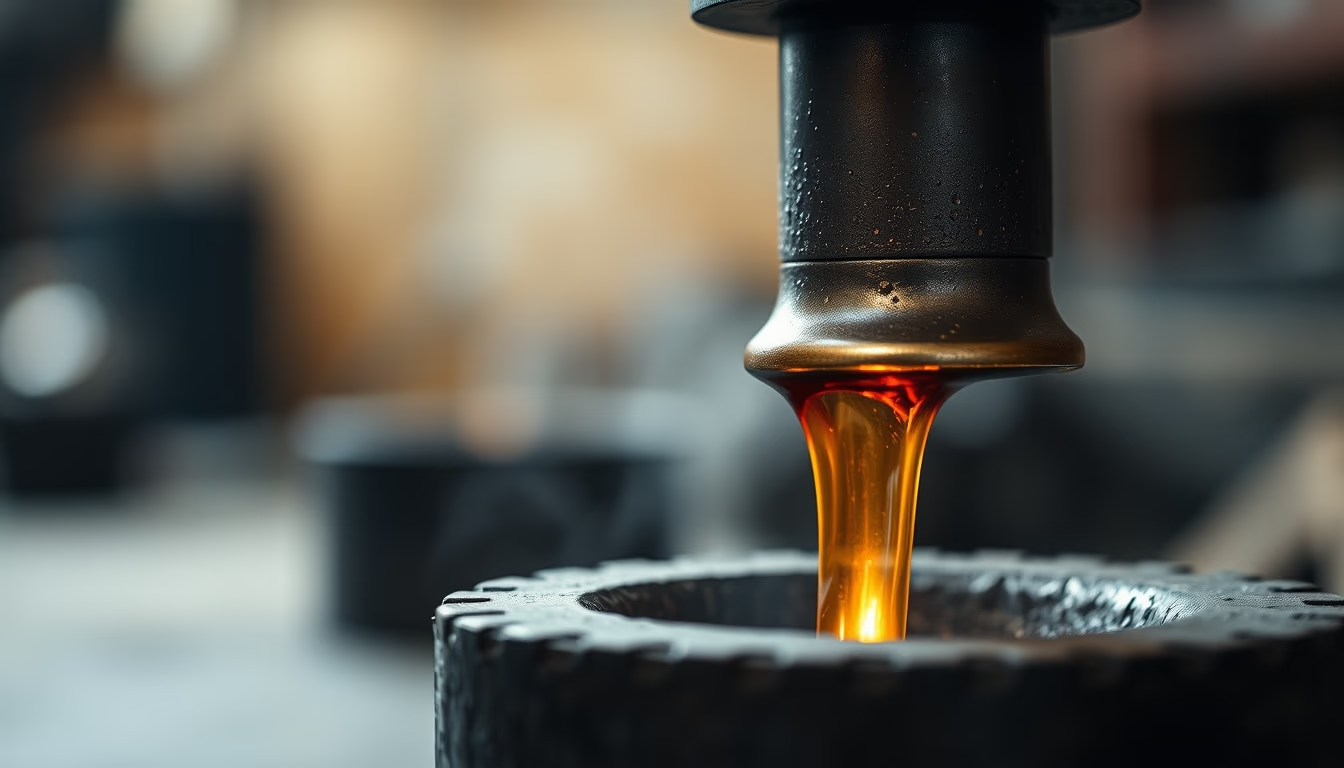
Bronze casting, an ancient technique of pouring molten metal into molds, transforms art and industry with precision and intense heat.
About this subject
The pouring of molten bronze is the central step in the casting process, one of humanity's oldest metallurgical techniques. Bronze, an alloy of copper and tin, has a melting point around 900°C to 1000°C, necessary for the metal to become fluid and fill mold cavities, typically made of sand, ceramic, or plaster. This practice dates back to at least 3500 BCE in the Middle East and was crucial for developing tools, weapons, coins, and artworks.
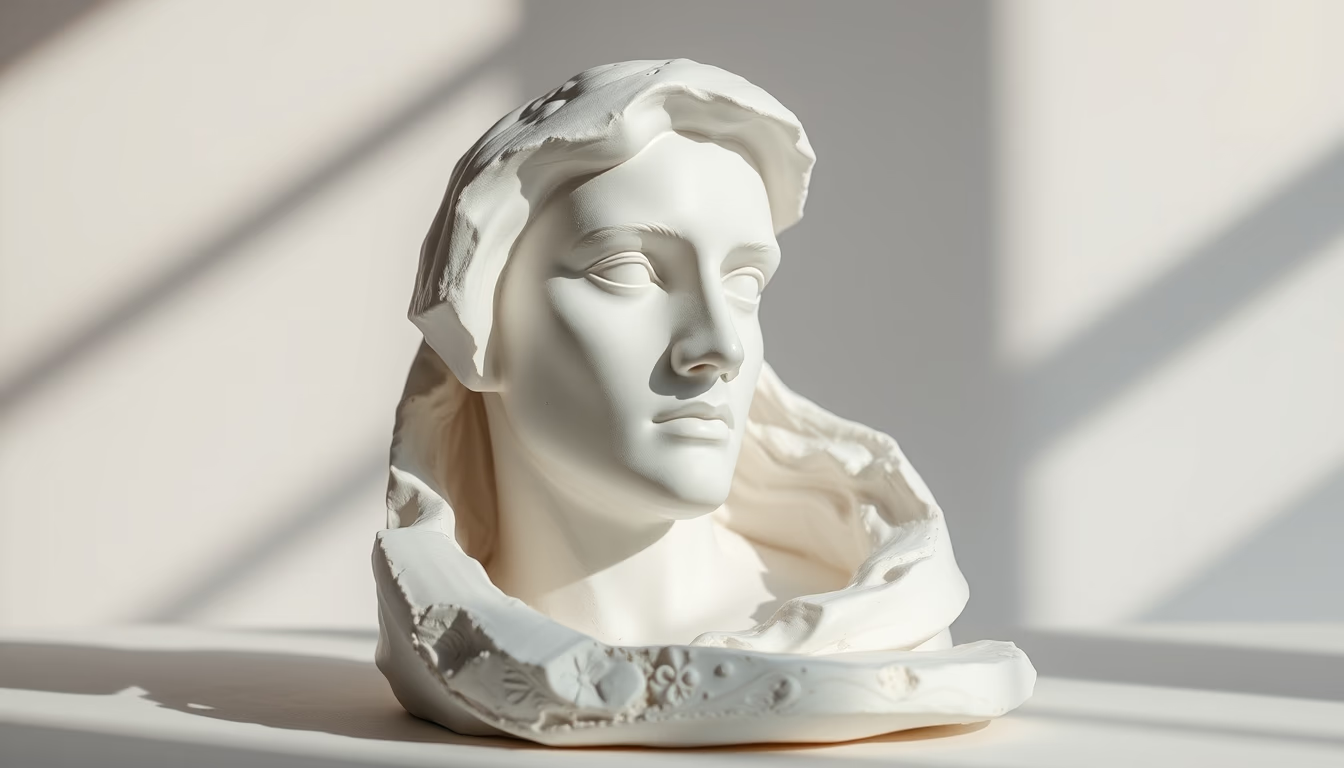
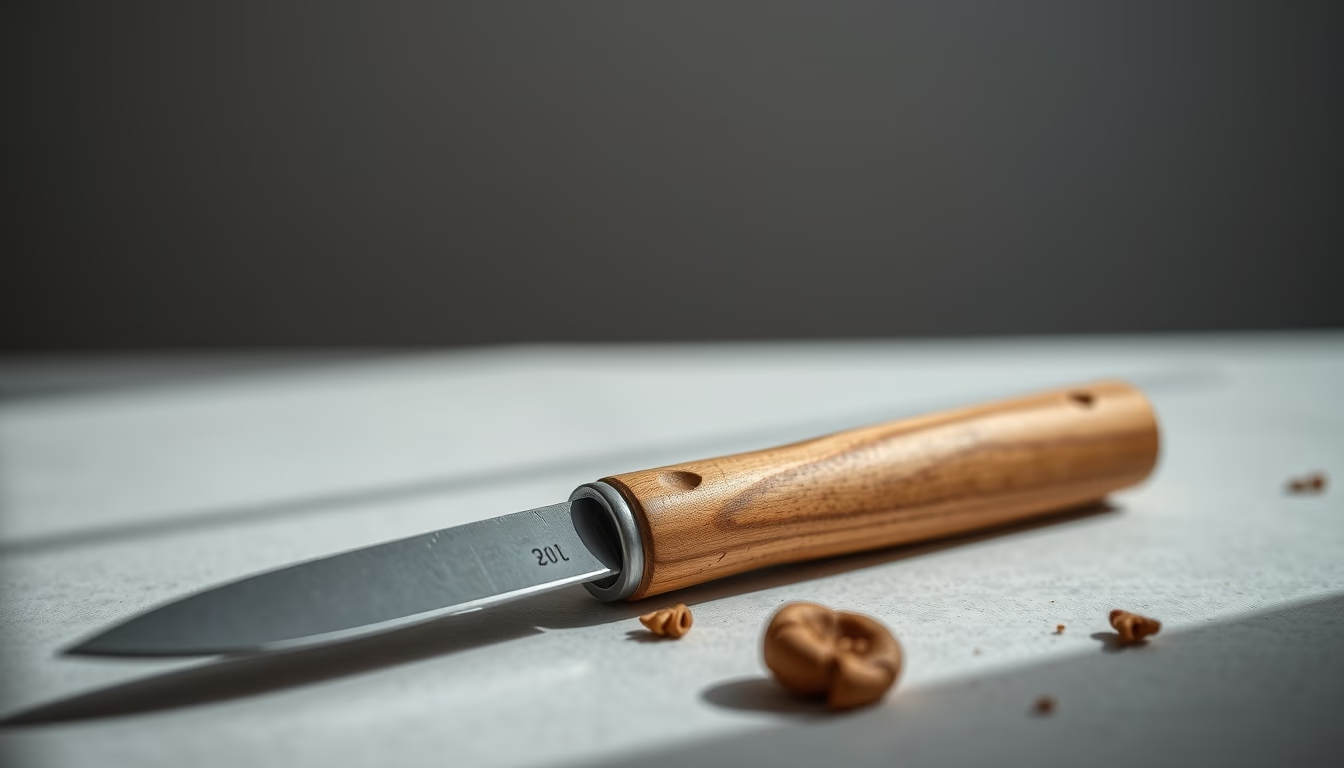
In sculpture, lost-wax casting is the most used method. A wax model is coated with refractory material, heated to remove wax, and liquid bronze is poured into the void. After cooling, the mold is broken to reveal the piece. Major sculptures like Rodin's "The Thinker" or Donatello's "David" were produced this way. In Brazil, artists like Victor Brecheret and Aleijadinho (for sacred pieces) used bronze.
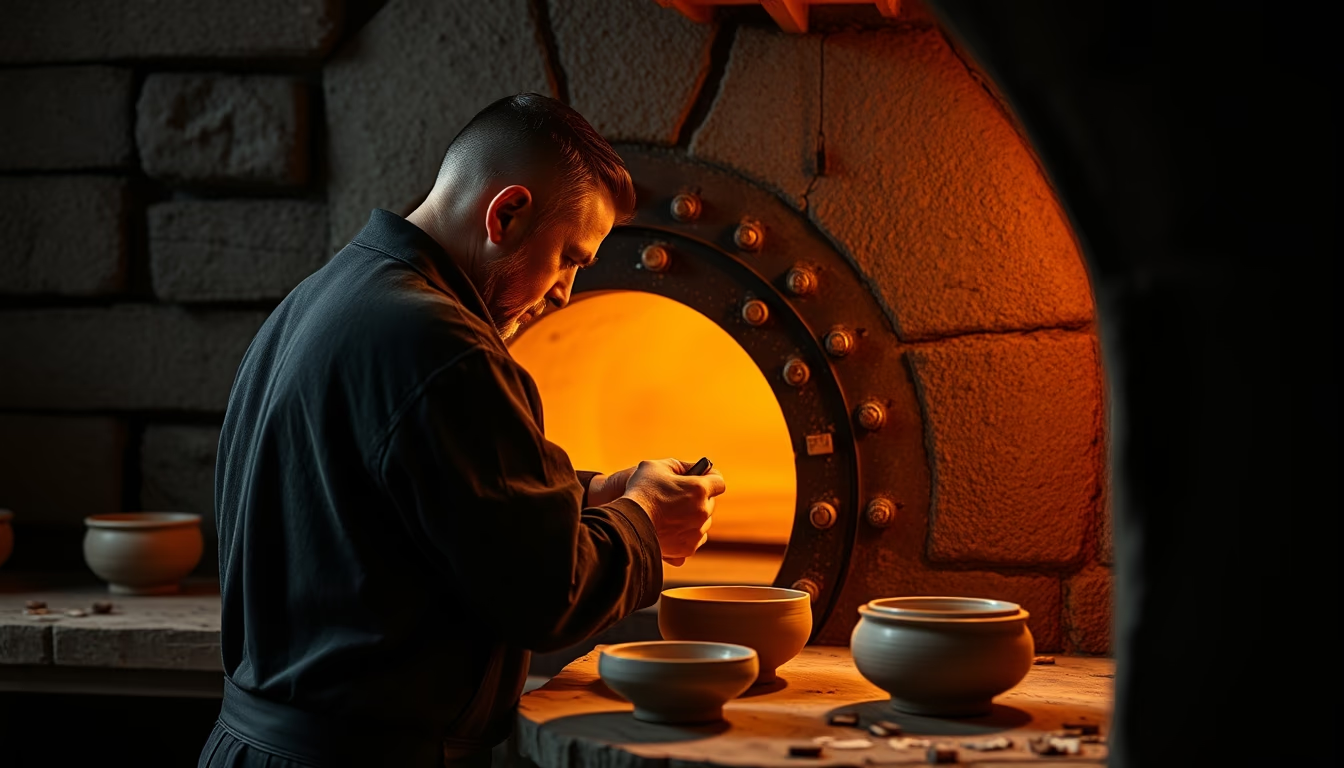
The foundry environment features gas or electric furnaces, graphite crucibles, and personal protective equipment. Liquid metal emits intense orange glow and requires careful handling; splashes can cause severe burns. Molding sand, mixed with binders, is compacted around the pattern. After pouring, the piece undergoes finishing processes like grinding, welding, and chemical patination to create colors and textures.
Interestingly, bronze is not only historical: it is still widely used for bells, statues, ship propellers, and mechanical parts due to corrosion resistance and low friction. Bronze recycling is common, preserving its properties. The term "Bronze Age" designates an entire prehistoric period, showing its transformative impact on civilization.
Frequently Asked Questions
What is the difference between bronze and brass?
Bronze is an alloy of copper and tin, while brass is copper and zinc. Bronze is harder and more corrosion-resistant, used in sculptures and bells; brass is more malleable, common in musical instruments and faucets.
How is patination applied to bronze sculptures?
Patination is chemically applied to the bronze surface using acids, salts, and heat to oxidize the metal and create colors like green (classic patina), brown, or black. It protects against corrosion and adds aesthetic effect.
Can bronze be recycled?
Yes, bronze is 100% recyclable without quality loss. Bronze scrap is remelted and reused in new pieces, reducing ore consumption and energy.
Direct URL
https://pub-c7d6a6ea828543ac903a74a341ccb2e1.r2.dev/imagens/bronze-foundry-pour-lo-fi-disposable-camera-fresh7.avifHow to credit
Include a visible link back to UtilizAí. Copy one of the snippets below:
<a href="https://xn--utiliza-eza.com/en/midia/imagens/bronze-foundry-pour-lo-fi-disposable-camera-fresh7">Bronze foundry pour</a> by <a href="https://xn--utiliza-eza.com">UtilizAí</a>, licensed under <a href="https://creativecommons.org/licenses/by/4.0/">CC BY 4.0</a>.
[Bronze foundry pour](https://xn--utiliza-eza.com/en/midia/imagens/bronze-foundry-pour-lo-fi-disposable-camera-fresh7) by [UtilizAí](https://xn--utiliza-eza.com), CC BY 4.0
License: CC-BY-4.0