Bronze foundry pour
1344×768 · AVIF · CC BY 4.0
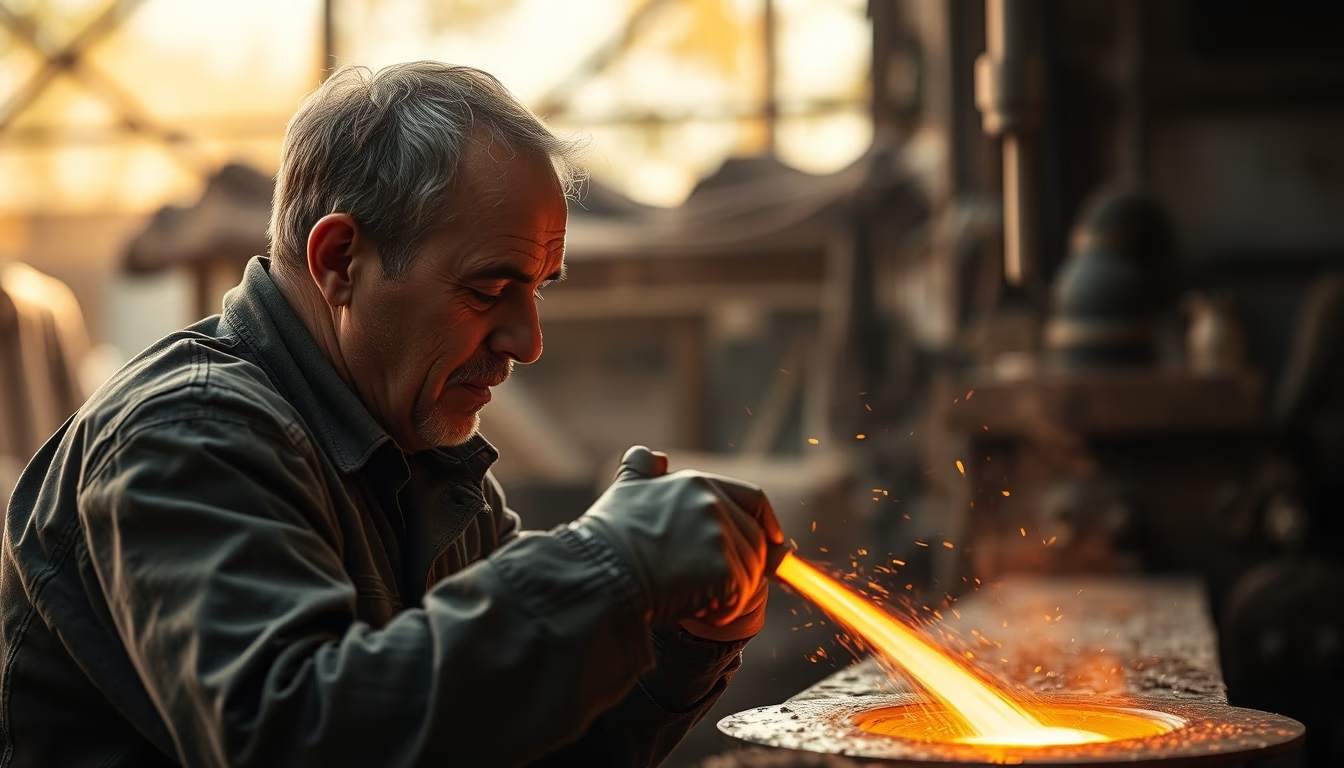
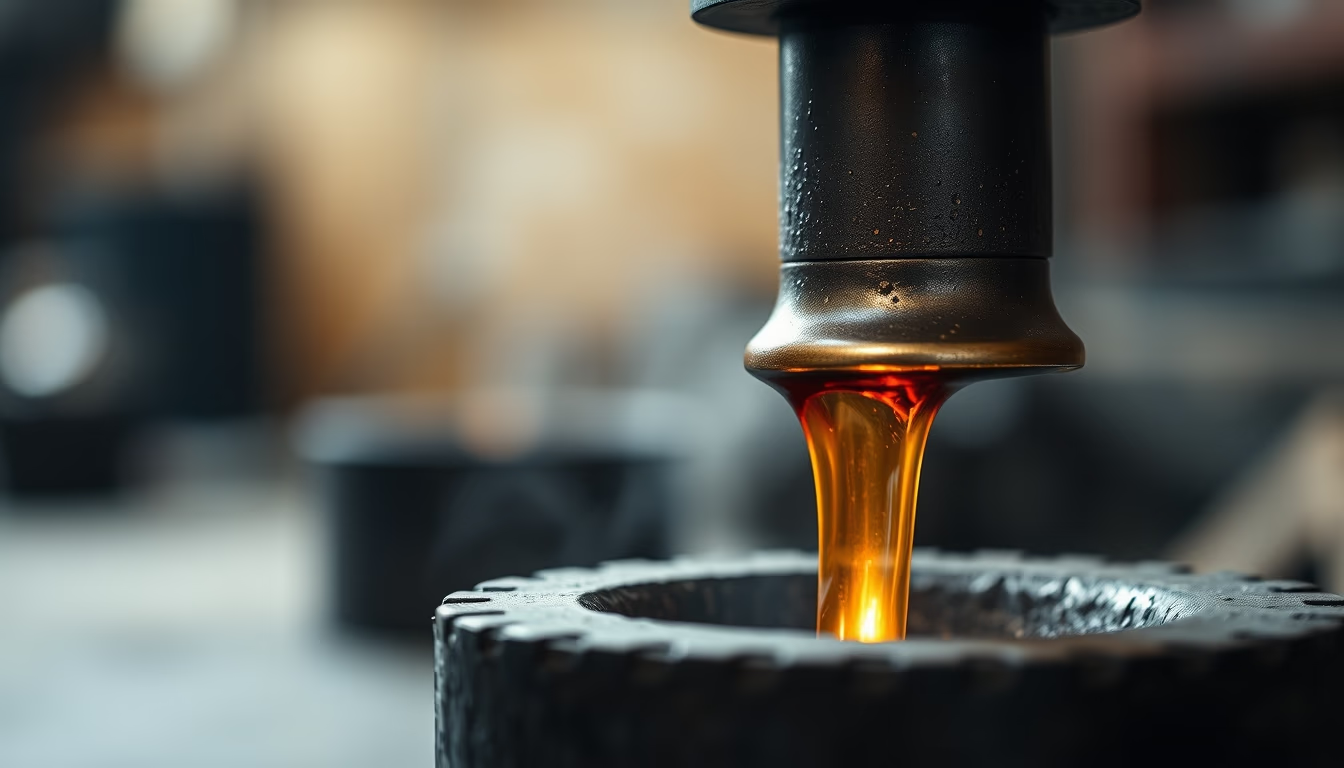
The pouring of molten bronze is a critical step in artistic foundry, combining ancient techniques with modern precision to create durable sculptures and objects.
About this subject
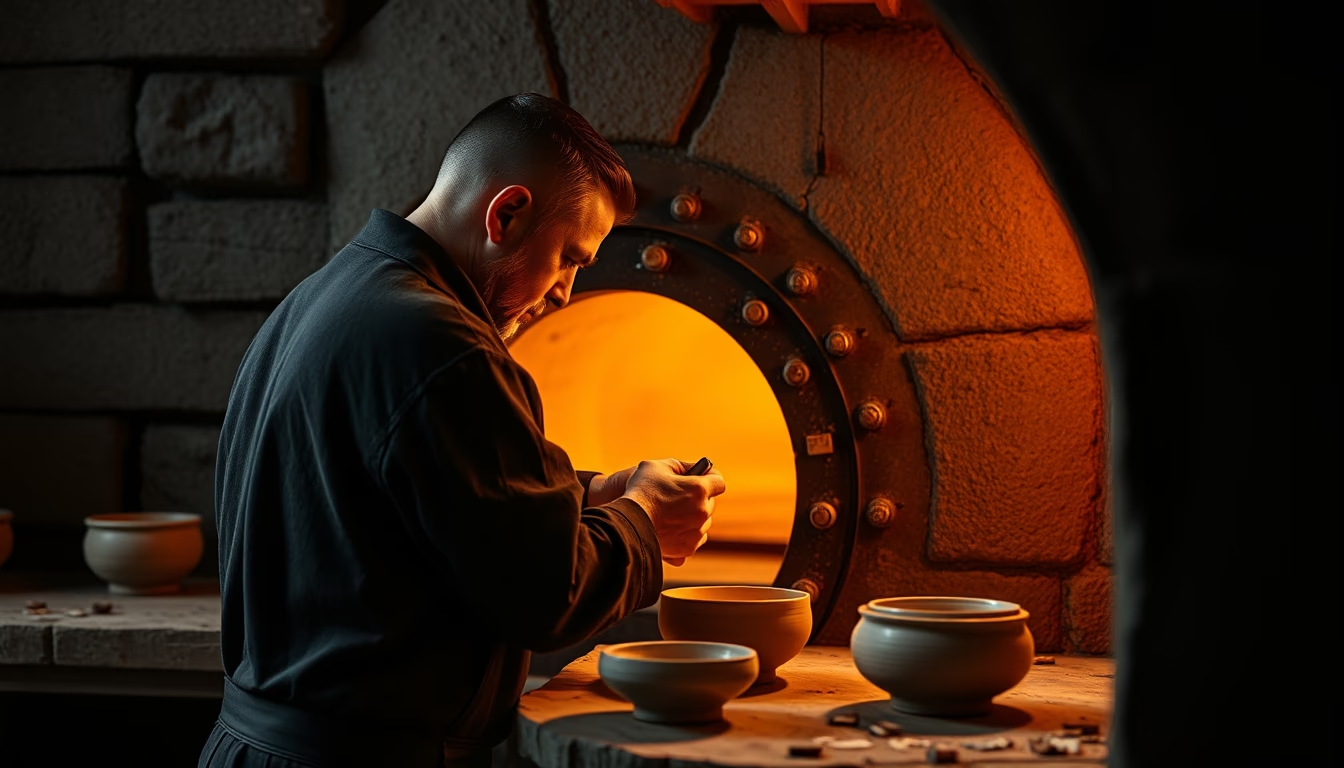
The pouring of molten bronze, also known as a 'bronze pour', is the central moment of the lost wax casting process, a technique used for millennia to create metal pieces. In this stage, bronze is heated in furnaces to temperatures exceeding 1000°C until it becomes an incandescent liquid, ready to be poured into ceramic or sand molds. The temperature and pouring time are strictly controlled to prevent defects such as bubbles or premature solidification.
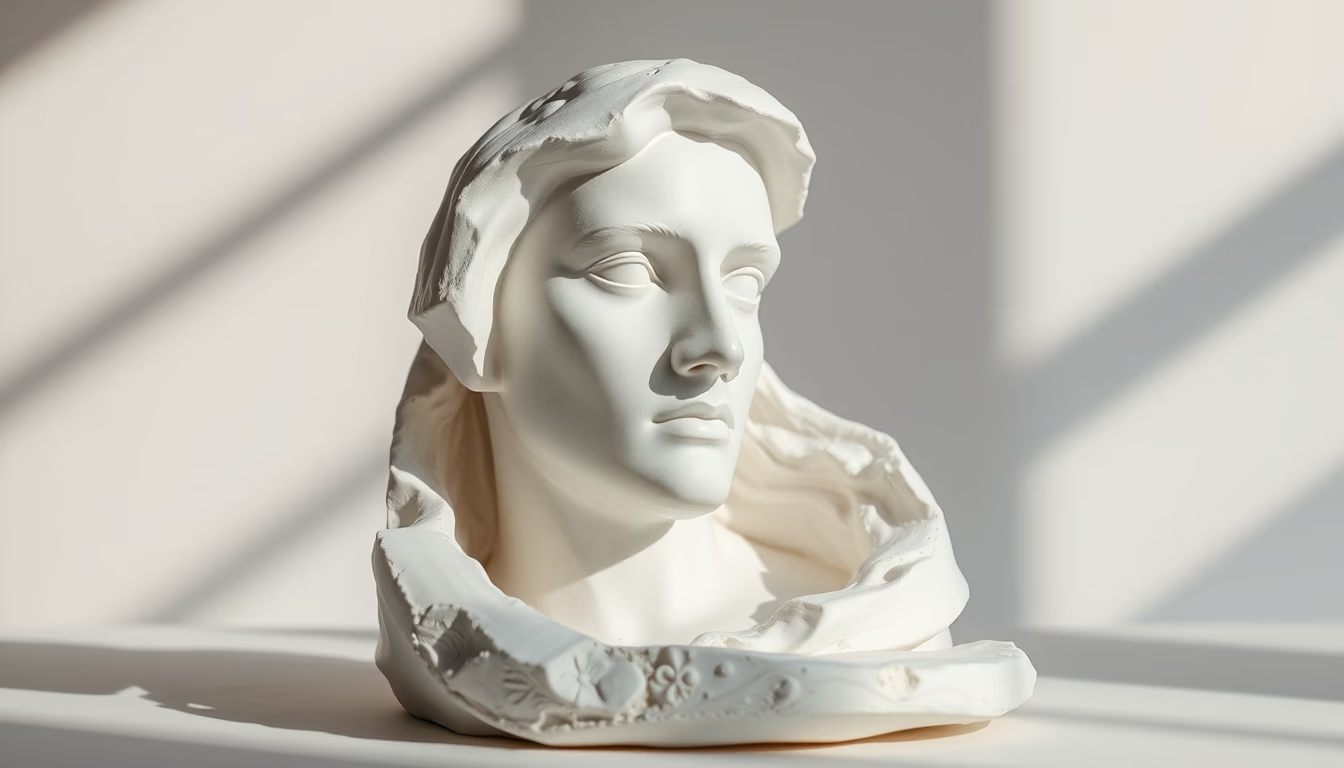
Bronze casting has ancient origins, with notable examples such as the Benin bronzes in Africa and Greco-Roman sculptures. In Brazil, this technique is employed by artists like Aleijadinho and, contemporarily, sculptors such as Tomie Ohtake and Amilcar de Castro. The process involves several steps: wax modeling, mold creation, wax burnout, metal pouring, and final finishing. Each step requires skill and knowledge of metallurgy.
During the pour, the molten metal is transferred from the crucible to the mold through feeding channels. The fluidity of bronze allows it to fill even the finest details of the original shape. After cooling, the mold is broken to reveal the rough piece, which undergoes grinding, polishing, and patina application. Patina is a chemical layer that gives color and protection to the sculpture, ranging from green to brown, depending on the reagents used.
Safety is paramount in this process: foundry workers use protective equipment such as heat-resistant gloves, aprons, and face shields. Molten bronze is poured into preheated molds to avoid thermal shock. The technique continues to evolve with electric furnaces and digital temperature controllers, but many artists still value the manual pour for its artisanal authenticity.
Frequently Asked Questions
What is a bronze foundry pour?
It is the process of pouring molten bronze at high temperatures into molds to create sculptures or objects, a central step in artistic casting.
What are the main risks when pouring bronze?
Risks include severe burns, explosion from contact with moisture, and inhalation of toxic fumes. Therefore, protective gear and dry molds are essential.
How is patina applied to bronze sculptures?
After pouring and cooling, the piece is ground and polished, then treated with chemicals like copper nitrate or potassium sulfide under heat to create colors such as green, brown, or black.
Direct URL
https://pub-c7d6a6ea828543ac903a74a341ccb2e1.r2.dev/imagens/bronze-foundry-pour-documentary-photography-fresh14.avifHow to credit
Include a visible link back to UtilizAí. Copy one of the snippets below:
<a href="https://xn--utiliza-eza.com/en/midia/imagens/bronze-foundry-pour-documentary-photography-fresh14">Bronze foundry pour</a> by <a href="https://xn--utiliza-eza.com">UtilizAí</a>, licensed under <a href="https://creativecommons.org/licenses/by/4.0/">CC BY 4.0</a>.
[Bronze foundry pour](https://xn--utiliza-eza.com/en/midia/imagens/bronze-foundry-pour-documentary-photography-fresh14) by [UtilizAí](https://xn--utiliza-eza.com), CC BY 4.0
License: CC-BY-4.0