Zen rock garden
1344×768 · AVIF · CC BY 4.0

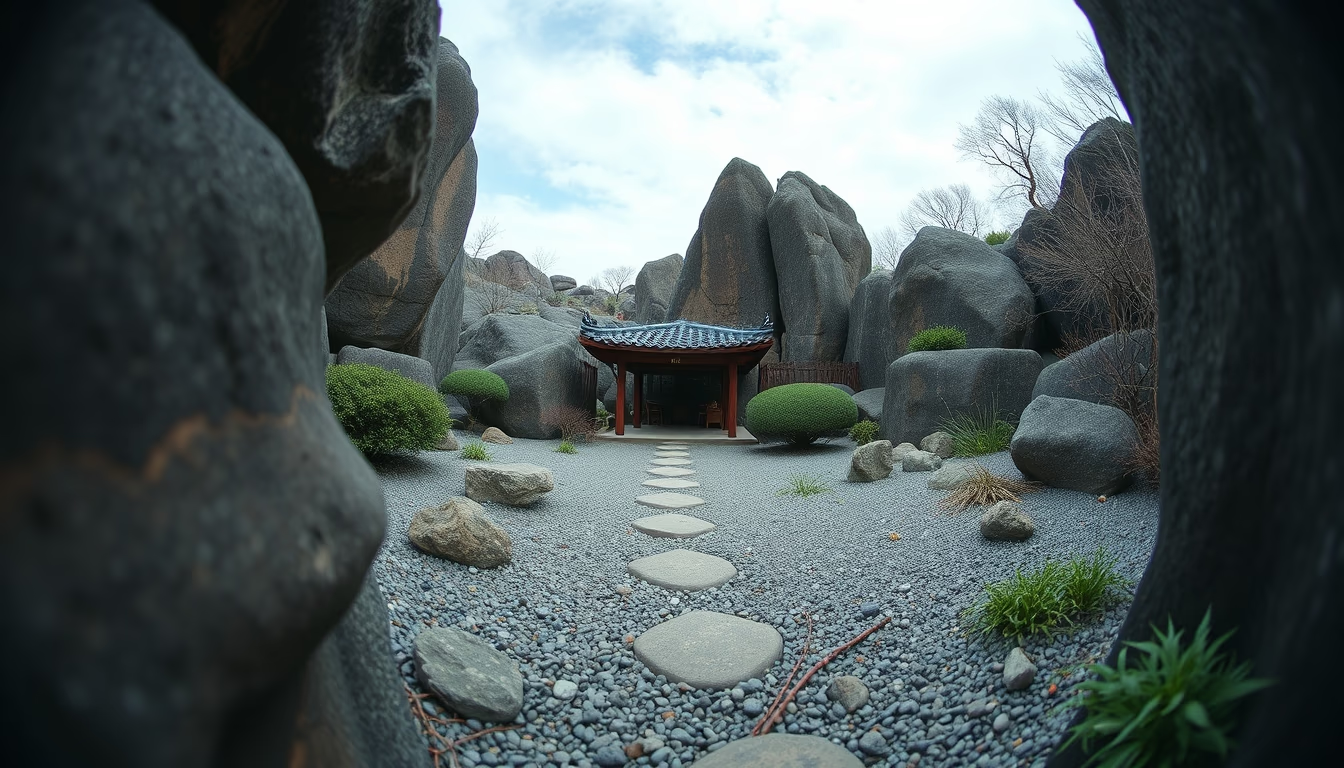
Zen rock gardens are Japanese dry landscapes designed for meditation and contemplation, featuring fine sand, rocks, and moss.
About this subject
A Zen rock garden, known as karesansui (dry landscape), is a Japanese art form that originated in the Muromachi period (1336-1573). Strongly influenced by Zen Buddhism, these gardens were created as spaces for meditation and reflection, abstractly representing the essence of nature. The typical composition includes fine sand or gravel, rake patterns mimicking waves or currents, strategically placed rocks, and sometimes moss. Each element carries symbolism: rocks may represent islands, mountains, or animals; raked sand suggests water or emptiness.
The most iconic example is the garden at Ryoan-ji temple in Kyoto, a UNESCO World Heritage site. It features 15 rocks on raked gravel, arranged so that only 14 are visible from any single viewpoint. This arrangement encourages introspection and the pursuit of enlightenment. Zen gardens are not meant to be walked on; they are viewed from verandas or contemplation rooms (engawa), reinforcing the separation between viewer and landscape.
The tea ceremony, chanoyu, shares Zen roots with rock gardens. Many tea houses have small dry gardens that prepare visitors for the ceremony, fostering a serene mental state. The daily maintenance of the gardens, performed by monks with wooden rakes, is itself a meditative practice, teaching discipline and mindfulness. Today, miniature versions of these gardens are popular in Western homes as relaxation tools.
Frequently Asked Questions
What does each element in a Zen rock garden symbolize?
Rocks symbolize islands, mountains, or living beings; sand or gravel represents water or emptiness; raked patterns mimic waves or currents. Moss suggests age and serenity. The ensemble invites meditation on impermanence and nature's harmony.
What is the most famous Zen rock garden?
The garden at Ryoan-ji temple in Kyoto, Japan. Built in the late 15th century, it is famous for its 15 rocks on raked gravel, of which only 14 are visible from any angle. It is a UNESCO World Heritage site.
Can Zen rock gardens be created at home?
Yes. Miniature versions, called 'mini Zen gardens', are popular for relaxation. Use a tray, fine sand, pebbles, and a small rake. Though they don't replace the authenticity of temple gardens, they help cultivate mindfulness and stress reduction.
Direct URL
https://pub-c7d6a6ea828543ac903a74a341ccb2e1.r2.dev/imagens/zen-rock-garden-studio-still-life-fresh15.avifHow to credit
Include a visible link back to UtilizAí. Copy one of the snippets below:
<a href="https://xn--utiliza-eza.com/en/midia/imagens/zen-rock-garden-studio-still-life-fresh15">Zen rock garden</a> by <a href="https://xn--utiliza-eza.com">UtilizAí</a>, licensed under <a href="https://creativecommons.org/licenses/by/4.0/">CC BY 4.0</a>.
[Zen rock garden](https://xn--utiliza-eza.com/en/midia/imagens/zen-rock-garden-studio-still-life-fresh15) by [UtilizAí](https://xn--utiliza-eza.com), CC BY 4.0
License: CC-BY-4.0