Zen rock garden
1344×768 · AVIF · CC BY 4.0
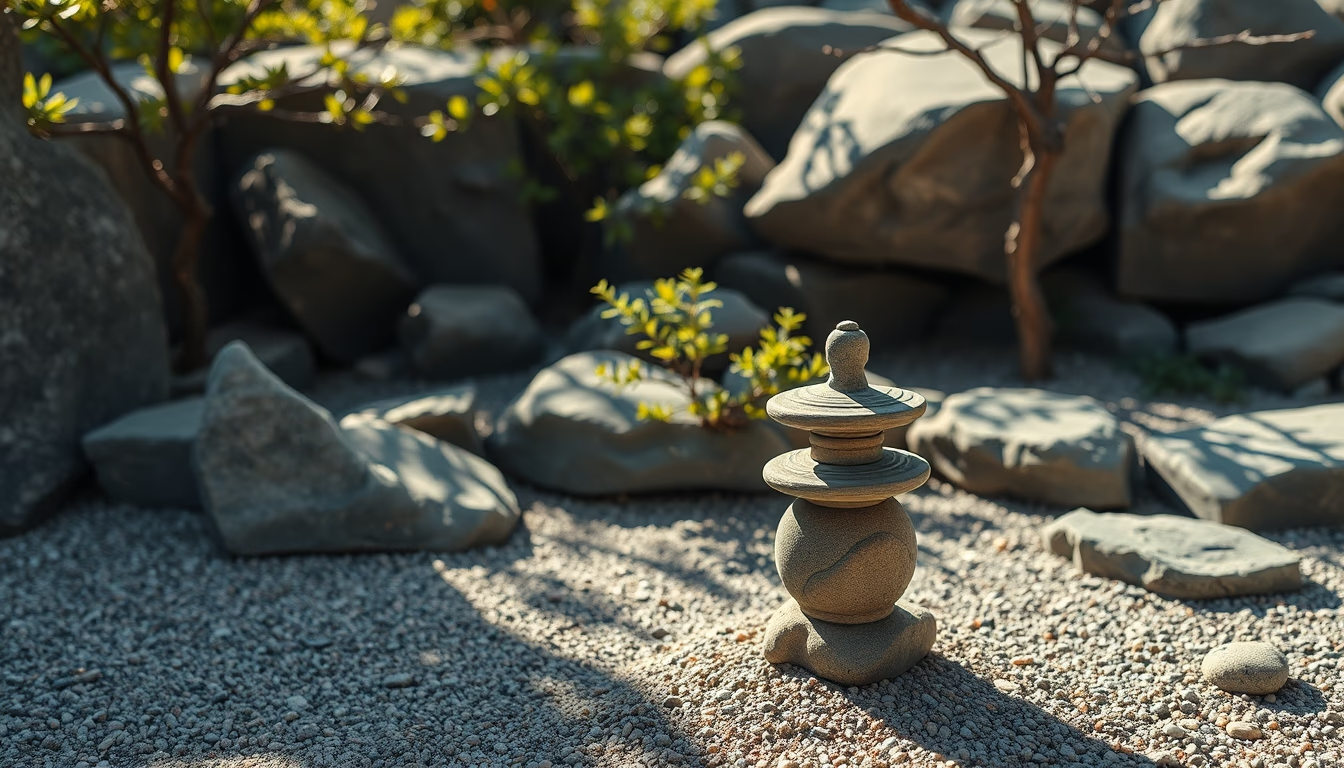
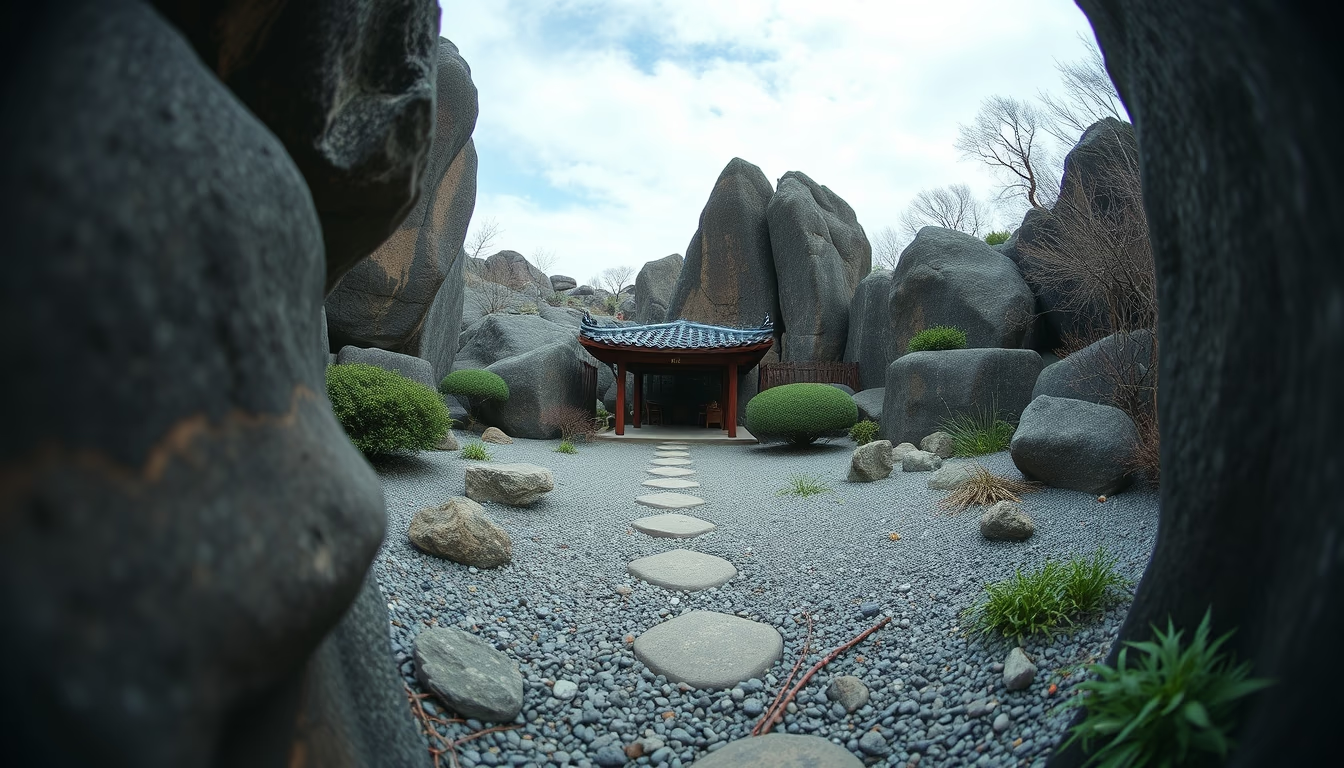
A Zen rock garden, or karesansui, is a type of dry Japanese garden that represents an idealized landscape using rocks, gravel, and sand, used for meditation and contemplation.
About this subject
Zen rock gardens, known as karesansui (dry landscape), are a Japanese art form that emerged during the Muromachi period (1336-1573). Unlike traditional gardens with water and plants, these gardens use only rocks, gravel, sand, and moss to represent natural elements such as mountains, islands, and rivers. The most famous example is the garden at Ryoan-ji temple in Kyoto, built in the late 15th century, consisting of 15 rocks arranged on raked gravel, surrounded by earthen walls. The placement of the stones is such that from any angle, only 14 are visible at once, an enigma that invites reflection.
The creation of a Zen garden follows aesthetic and philosophical principles of Zen Buddhism, such as simplicity, asymmetry, and naturalness. The gravel is often raked into patterns resembling waves or currents, symbolizing water. Maintaining these gardens is a meditative act in itself, performed with patience and precision. Although associated with Zen temples, rock gardens can also be found in homes and public spaces in Japan and around the world.
Interestingly, the term "zen rock garden" is a Western invention; in Japan, they are called karesansui or sekitei. The popularity of these gardens in the West grew from the 20th century onward, influencing landscape design and architecture. Many parks and museums outside Japan, such as the Portland Japanese Garden in the United States, feature versions of these gardens. Despite their simple appearance, each element is carefully chosen and positioned to evoke serenity and introspection.
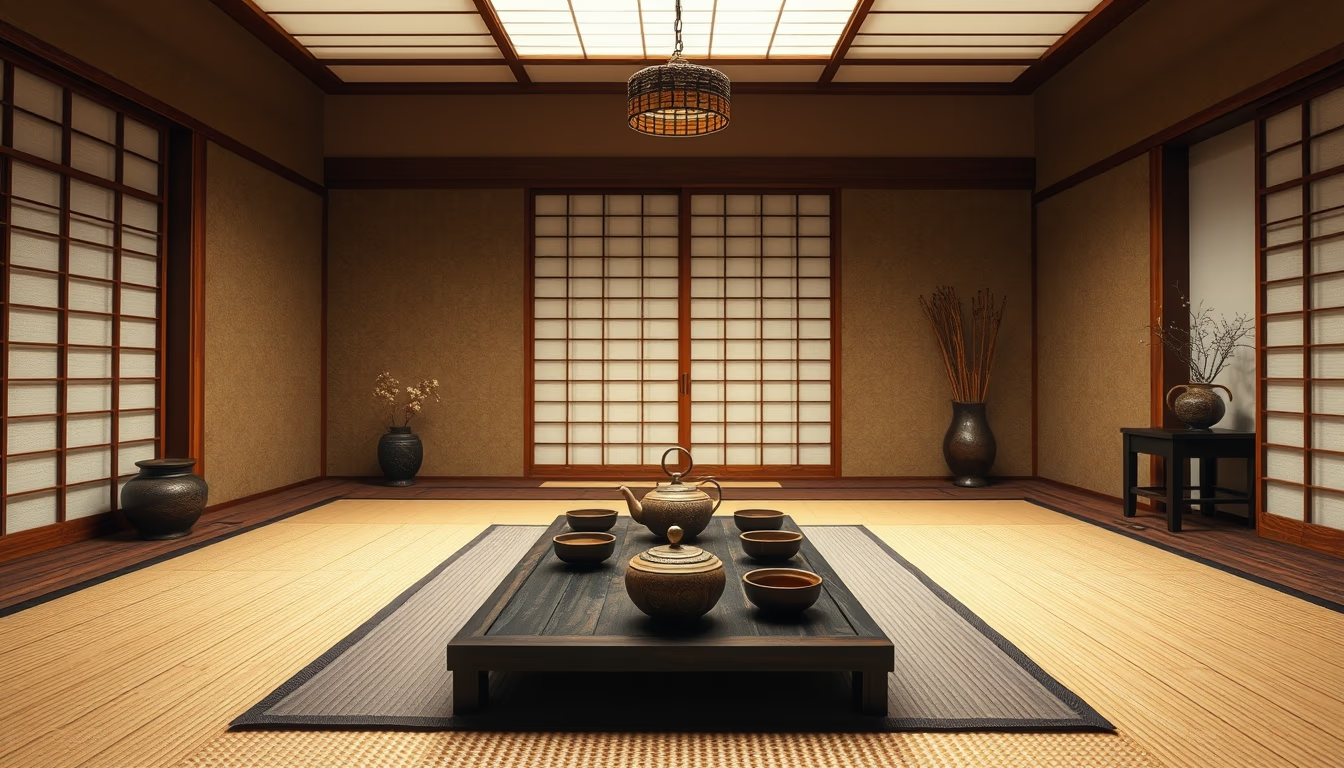
The connection to the tea ceremony (chanoyu) is indirect, but both share roots in Zen Buddhism. Simplicity and focus on the present moment are common values. Some rock gardens are located at temples that also host tea ceremonies, offering a space for contemplation before or after the ritual.
Frequently Asked Questions
What does karesansui mean?
Karesansui is a Japanese term meaning "dry landscape." It refers to gardens that use rocks, gravel, and sand to represent natural elements without living water.
What is the most famous Zen rock garden?
The garden at Ryoan-ji temple in Kyoto, Japan, is the most famous example. It was built in the 15th century and features 15 rocks arranged on gravel.
Why are Zen gardens used for meditation?
The simplicity and order of the garden help calm the mind. Observing or tending the garden can be a meditative practice, focusing on the present moment.
Direct URL
https://pub-c7d6a6ea828543ac903a74a341ccb2e1.r2.dev/imagens/zen-rock-garden-magazine-editorial-fresh8.avifHow to credit
Include a visible link back to UtilizAí. Copy one of the snippets below:
<a href="https://xn--utiliza-eza.com/en/midia/imagens/zen-rock-garden-magazine-editorial-fresh8">Zen rock garden</a> by <a href="https://xn--utiliza-eza.com">UtilizAí</a>, licensed under <a href="https://creativecommons.org/licenses/by/4.0/">CC BY 4.0</a>.
[Zen rock garden](https://xn--utiliza-eza.com/en/midia/imagens/zen-rock-garden-magazine-editorial-fresh8) by [UtilizAí](https://xn--utiliza-eza.com), CC BY 4.0
License: CC-BY-4.0