Zen rock garden
1344×768 · AVIF · CC BY 4.0
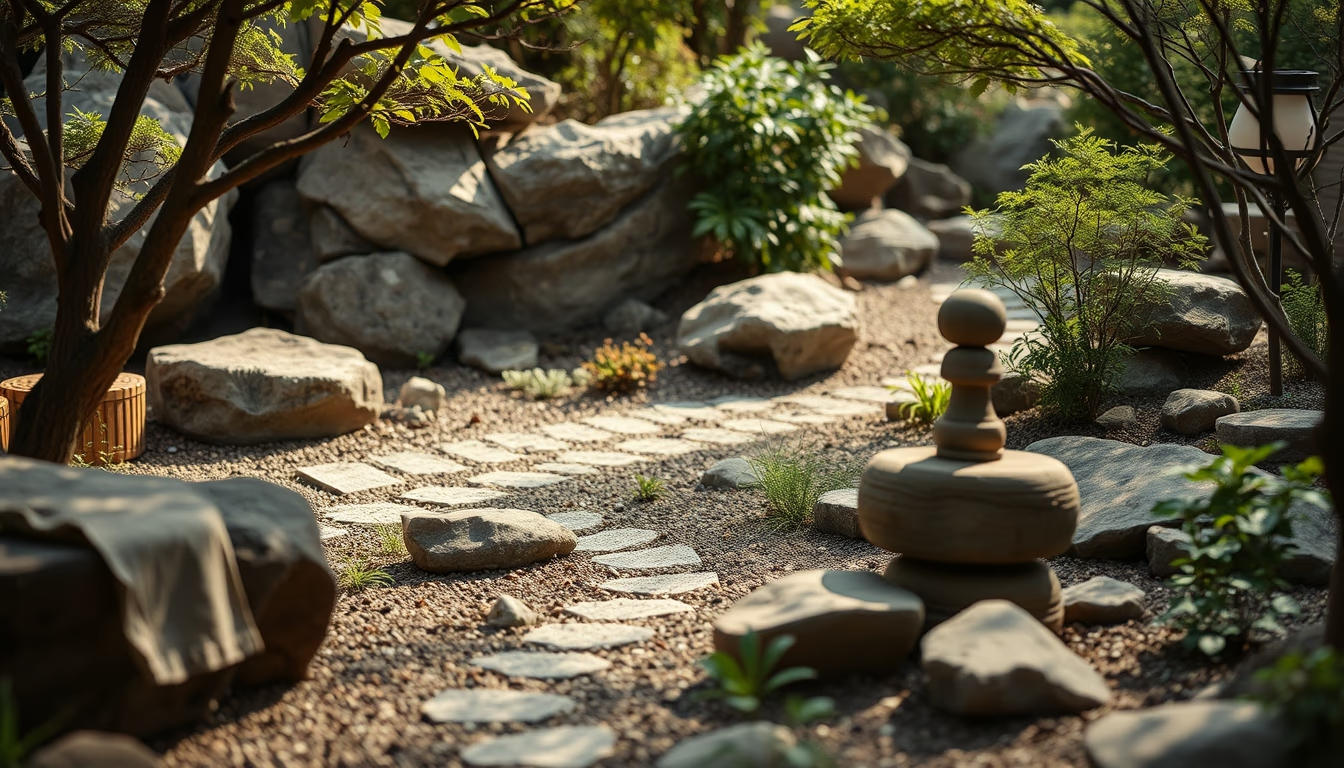
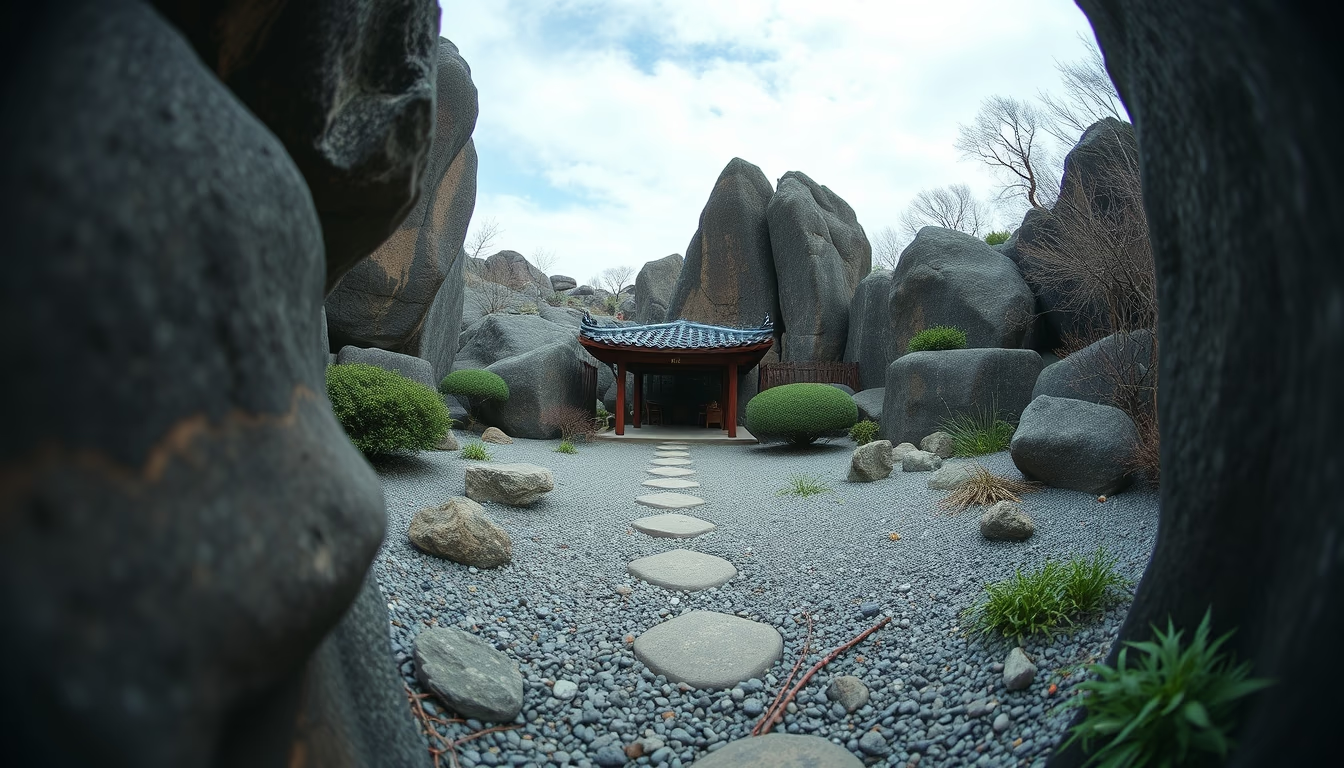
A Zen rock garden, or karesansui, is a dry landscape microcosm designed for meditation and silence, commonly found in Japanese Buddhist temples.
About this subject
The Zen rock garden, or karesansui (dry landscape), is a Japanese art form that originated during the Muromachi period (14th-16th centuries). It uses fine sand or gravel, rocks, moss, and occasionally small plants to represent natural elements such as water, mountains, and islands. The sand is carefully raked into patterns that symbolize waves or currents, while stones are arranged in compositions evoking waterfalls, bridges, or animals.
These gardens are integral to Zen temples, such as the famous Ryoanji in Kyoto, whose garden of fifteen stones placed on white gravel is a global icon. It is said that from any angle, only fourteen stones are visible at once, an invitation to impermanence and contemplation. Another notable example is Daisen-in, whose garden depicts a raging river in stone and sand.
In the context of the tea ceremony, the Zen rock garden often forms part of the roji, the garden path leading to the tea house. This path is designed to purify the mind and prepare guests for the meditative tea experience. Raking patterns may be changed daily by monks, symbolizing constant attention to the present moment.
Interestingly, though typically Japanese, Zen rock gardens have inspired adaptations in the West, from minimalist public spaces to miniature versions for office desks. They represent not just a landscaping style but a philosophy of simplicity and balance that appeals to people worldwide.
Frequently Asked Questions
What is the purpose of raking sand in a Zen rock garden?
Raking sand is a meditative practice that symbolizes ordering the mind and the impermanence of life. The repetitive patterns help focus attention on the present moment, serving as a form of active meditation.
Which are the most famous Zen rock gardens in Japan?
The most renowned are Ryoanji and Daisen-in in Kyoto. Others include the garden of Tofuku-ji Temple, also in Kyoto, and Zuiho-in Temple, known for its modern design.
Can I create a Zen rock garden at home?
Yes, you can create a miniature version using a shallow tray, fine sand, small stones, and a mini rake. The key is the contemplative intention and care in arranging the elements.
Direct URL
https://pub-c7d6a6ea828543ac903a74a341ccb2e1.r2.dev/imagens/zen-rock-garden-documentary-photography-fresh1.avifHow to credit
Include a visible link back to UtilizAí. Copy one of the snippets below:
<a href="https://xn--utiliza-eza.com/en/midia/imagens/zen-rock-garden-documentary-photography-fresh1">Zen rock garden</a> by <a href="https://xn--utiliza-eza.com">UtilizAí</a>, licensed under <a href="https://creativecommons.org/licenses/by/4.0/">CC BY 4.0</a>.
[Zen rock garden](https://xn--utiliza-eza.com/en/midia/imagens/zen-rock-garden-documentary-photography-fresh1) by [UtilizAí](https://xn--utiliza-eza.com), CC BY 4.0
License: CC-BY-4.0