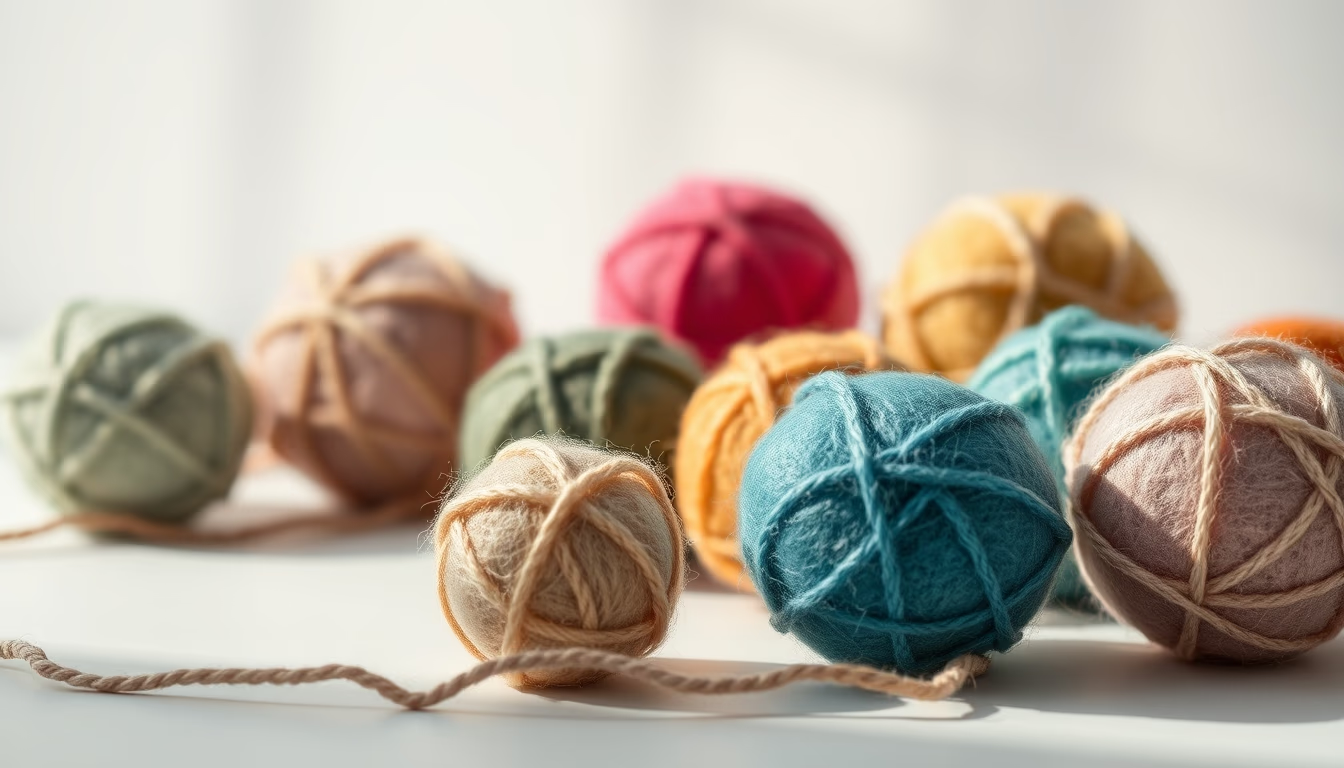
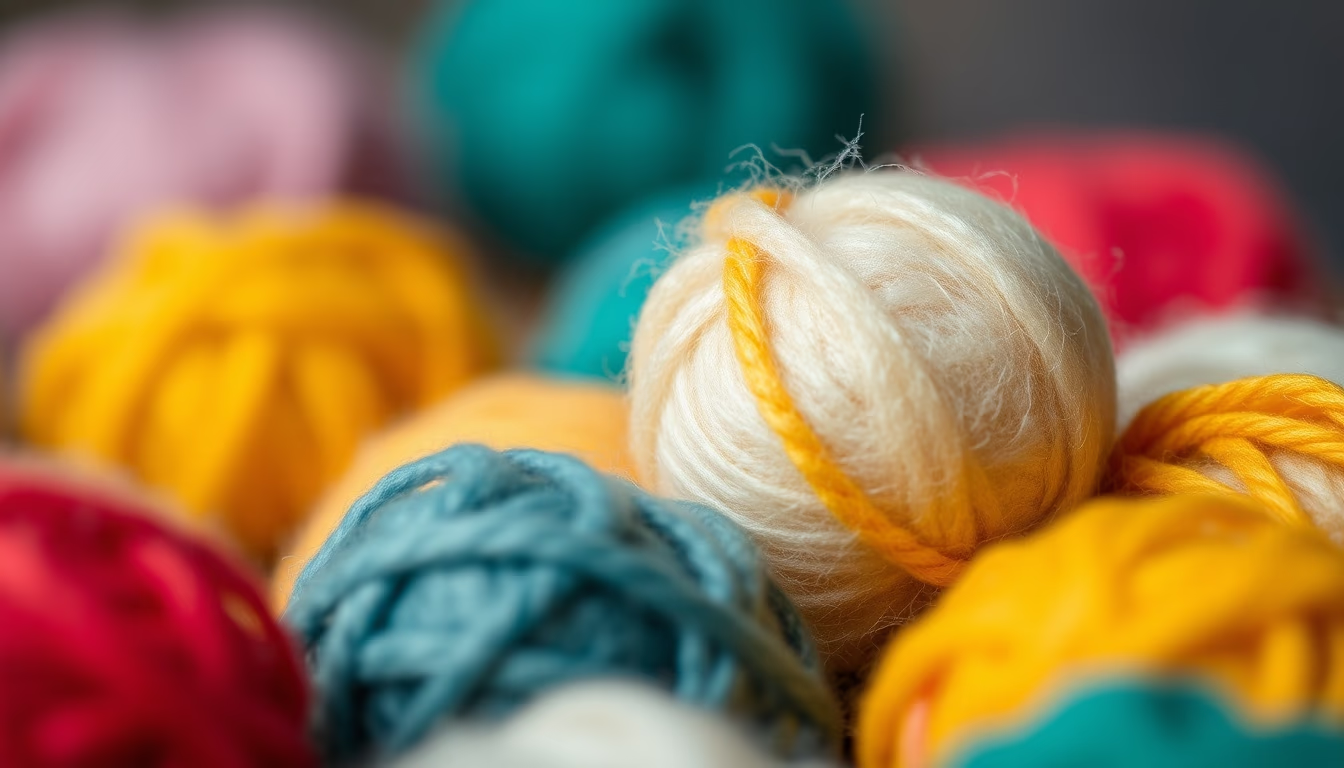
Wool yarn skeins rainbow
1344×768 · AVIF · CC BY 4.0
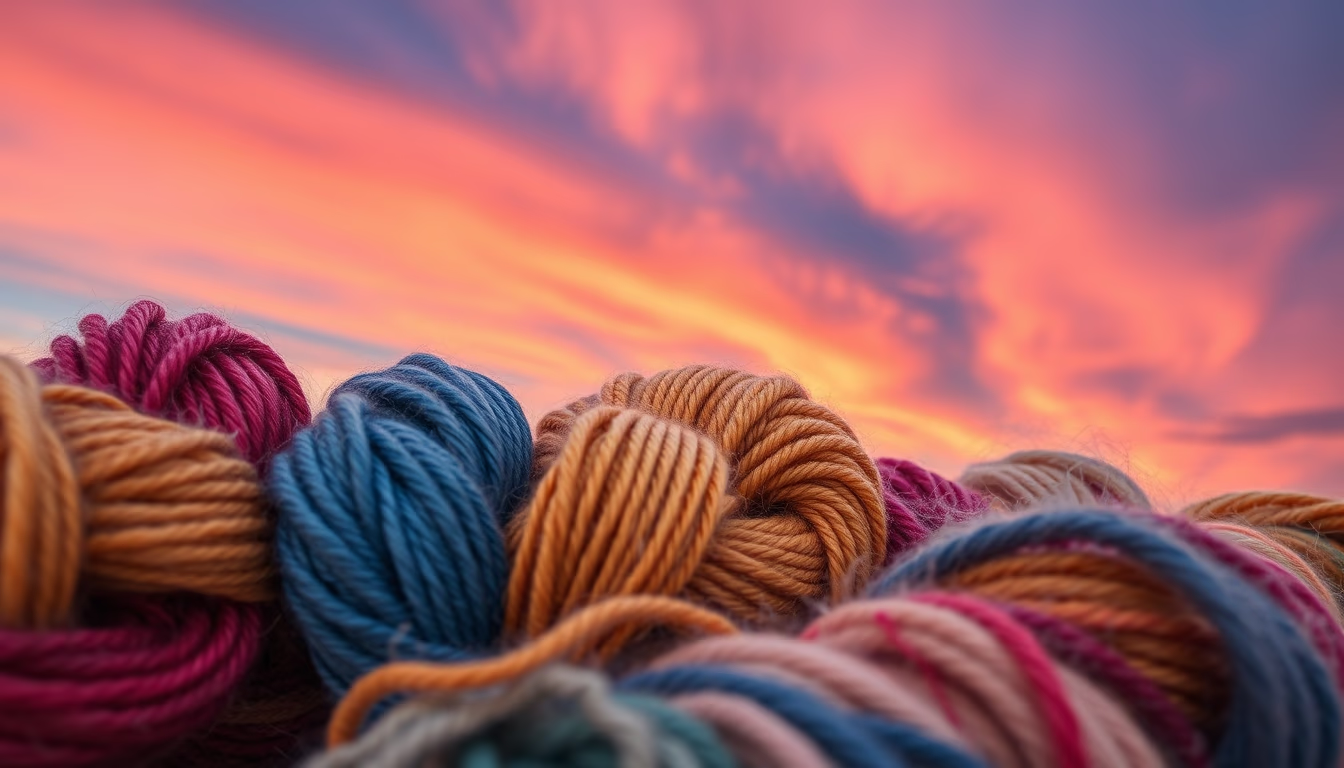
Rainbow-colored wool yarn skeins: a burst of hues inspiring textile artisans worldwide.
About this subject
Wool is a natural fiber obtained from sheep, valued for its elasticity, thermal insulation, and dye absorption. When dyed in vibrant rainbow colors, it becomes a prime material for expressive handmade pieces. The production of rainbow skeins involves batch or gradient dyeing techniques, requiring precision to achieve uniform or controlled color variation.
In textile crafts, these skeins are favored for projects like blankets, scarves, and amigurumi, as they eliminate the need to switch colors. The tradition of sequential colors dates back to the 1960s, influenced by hippie and psychedelic movements, and today symbolizes diversity and joy. Merino wool, finer and softer, is common in rainbow yarns, but other varieties like Corriedale or Romney sheep wool are also used.
Dyeing can be done with synthetic colorants, offering bright and fast colors, or natural dyes extracted from plants like nettle, turmeric, and cochineal. The choice impacts sustainability and cost. In Brazil, handmade wool dyeing has grown, valuing small producers and traditional Northeastern techniques, such as dyeing with tree bark and seeds.
Fun fact: the Tupi-Guarani word for 'rainbow' is 'arco da chuva', and multicolored skeins are often used in projects celebrating the LGBTQIA+ flag. Gradient continuous skeins, called 'self-striping', are an innovation that creates complex patterns effortlessly, popularized by designers like Stephen West.
Frequently Asked Questions
How to choose a rainbow wool yarn skein for a knitting project?
Consider the thickness indicated on the label and the project type. Finer yarns (fingering) are ideal for socks and shawls; thicker ones (chunky) for quick blankets and scarves. Also check if the dyeing is solid or gradient: gradients create automatic patterns, while solids require skein changes.
Does rainbow wool fade easily when washed?
It depends on the dye type: synthetic dyes are usually more colorfast, but hand washing in cold water with mild soap is essential. Natural dyes tend to fade over time and with sun exposure. Test a sample before washing the entire garment.
What projects work best with rainbow yarn?
Simple projects that showcase colors, such as straight scarves, socks, basic stitch blankets, or amigurumi. Avoid complex cable or lace patterns that may visually compete with the stripes. The rainbow effect shines in stockinette or garter stitch pieces.
Direct URL
https://pub-c7d6a6ea828543ac903a74a341ccb2e1.r2.dev/imagens/wool-yarn-skeins-rainbow-long-exposure-fresh10.avifHow to credit
Include a visible link back to UtilizAí. Copy one of the snippets below:
<a href="https://xn--utiliza-eza.com/en/midia/imagens/wool-yarn-skeins-rainbow-long-exposure-fresh10">Wool yarn skeins rainbow</a> by <a href="https://xn--utiliza-eza.com">UtilizAí</a>, licensed under <a href="https://creativecommons.org/licenses/by/4.0/">CC BY 4.0</a>.
[Wool yarn skeins rainbow](https://xn--utiliza-eza.com/en/midia/imagens/wool-yarn-skeins-rainbow-long-exposure-fresh10) by [UtilizAí](https://xn--utiliza-eza.com), CC BY 4.0
License: CC-BY-4.0