Wine glass cabernet pour
1344×768 · AVIF · CC BY 4.0
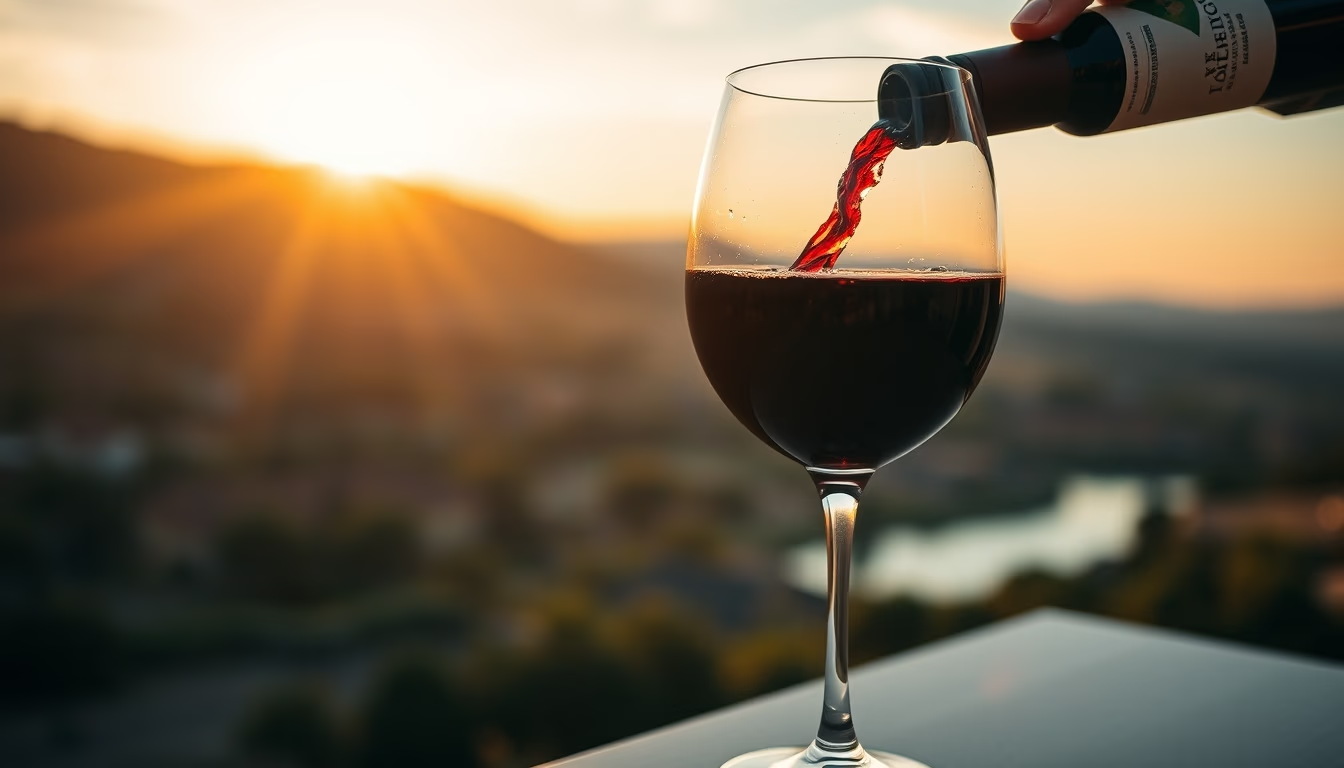
Pouring a Cabernet Sauvignon into a red wine glass involves techniques that enhance its aromas and flavors. Learn more about this experience.
About this subject
Cabernet Sauvignon is one of the most widely planted and respected red wine grapes globally, originating from the Bordeaux region of France. Its robust structure, with firm tannins and balanced acidity, allows wines to age for decades, developing notes of cassis, bell pepper, cedar, and tobacco. Choosing the right glass is essential to fully appreciate this full-bodied red. Bulbous glasses with a slightly tapered rim concentrate aromas and direct the flow to the tongue, balancing tannins and acidity. The ideal serving temperature is between 16°C and 18°C, preventing alcohol from overwhelming or tannins feeling harsh.
The act of pouring, or decanting, is common for older or tannic Cabernets, separating the wine from potential sediment and aerating it to release complex aromas. When pouring directly from the bottle, swirling the glass helps oxygenate the wine. In wine tourism contexts, such as Napa Valley or Bordeaux, observing the dense color and tears on the glass is part of the sensory experience. Regions like Coonawarra (Australia), Maipo (Chile), and Tuscany (Italy) produce unique expressions of this grape variety.
Classic food pairings include grilled red meats, lamb, aged cheeses, and dishes with rich sauces. For wine photographers, the moment of pour captures the deep ruby color and initial foam, indicators of the wine's youth or evolution. Fine crystal glasses, such as those from the Riedel Vinum Cabernet series, are designed to optimize this presentation. Cabernet Sauvignon is a global icon, celebrated in competitions and high-end dinners, and its versatility makes it the most planted red grape in many countries.
Frequently Asked Questions
Why is Cabernet Sauvignon served in specific glasses?
Glasses for Cabernet Sauvignon are designed with a wide bowl and tapered rim to concentrate aromas and direct the wine to the center of the tongue, softening tannins and balancing acidity.
What is the ideal serving temperature for a Cabernet Sauvignon?
Cabernet Sauvignon should be served between 16°C and 18°C. Too high temperatures emphasize alcohol, while too low harden the tannins.
What does it mean to decant a Cabernet Sauvignon?
Decanting is pouring the wine into a glass container to separate sediment and aerate it, releasing aromas. It is recommended for older or more tannic Cabernets.
Direct URL
https://pub-c7d6a6ea828543ac903a74a341ccb2e1.r2.dev/imagens/wine-glass-cabernet-pour-travel-photography-p2.avifHow to credit
Include a visible link back to UtilizAí. Copy one of the snippets below:
<a href="https://xn--utiliza-eza.com/en/midia/imagens/wine-glass-cabernet-pour-travel-photography-p2">Wine glass cabernet pour</a> by <a href="https://xn--utiliza-eza.com">UtilizAí</a>, licensed under <a href="https://creativecommons.org/licenses/by/4.0/">CC BY 4.0</a>.
[Wine glass cabernet pour](https://xn--utiliza-eza.com/en/midia/imagens/wine-glass-cabernet-pour-travel-photography-p2) by [UtilizAí](https://xn--utiliza-eza.com), CC BY 4.0
License: CC-BY-4.0