Wine cork collection
1344×768 · AVIF · CC BY 4.0
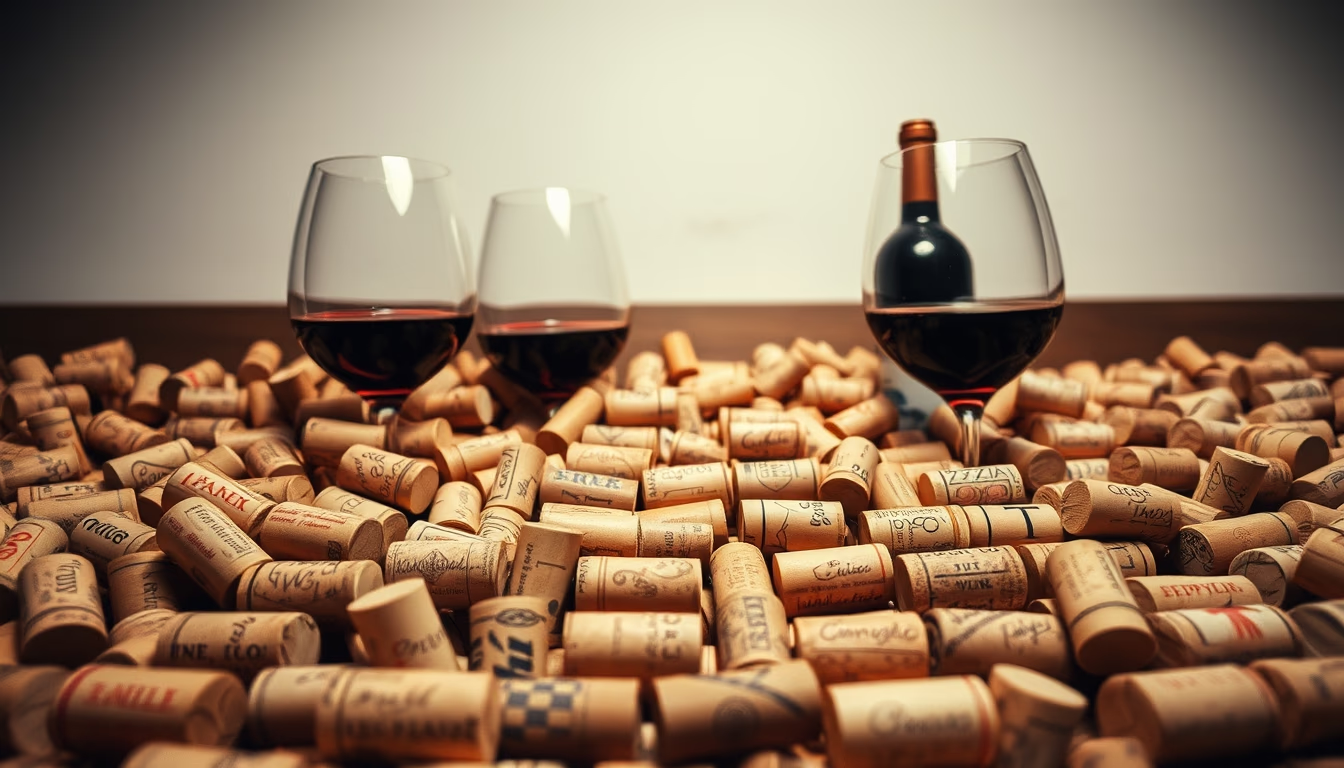
A wine cork collection tells the story of wines tasted, each cork a record of vintage, region, and producer, turning memories into a personal and aromatic archive.
About this subject
Collecting wine corks is a popular hobby among wine enthusiasts and connoisseurs. Each cork carries information such as the wine's name, vintage year, and region of origin. The most traditional corks are made from natural cork, harvested from the bark of the cork oak (Quercus suber), a tree cultivated mainly in the Mediterranean region, with Portugal being the world's largest producer. There are also synthetic and glass corks, but natural cork is preferred for its ability to allow micro-oxygenation, essential for the aging of premium red wines.
The role of the cork goes beyond sealing: it directly influences the wine's evolution in the bottle. Collectors often keep corks from special wines to remember significant moments, such as celebratory dinners or enological discoveries. Many transform these corks into art pieces, like frames, coasters, or keychains. A curiosity is the Cork Museum in Almada, Portugal, which tells the story of this material from extraction to cork production.
To start a collection, it is important to clean the corks with a damp cloth and let them dry completely to avoid mold. Organization can be by country, wine type, or date. Apps like Vivino and CellarTracker allow digital cataloging of each cork with photos and tasting notes. There are even specialized auctions for rare cork collections, especially those from iconic wines such as Château Margaux or Dom Pérignon.
Culturally, corks symbolize celebration and discovery. Each cork tells a personal story, and together they form a sensory diary of the collector. In Brazil, where wine consumption grows each year, the habit of keeping corks has gained followers, especially among young people seeking authentic experiences. Collecting corks is also a way to learn about wine geography and production techniques.
Frequently Asked Questions
How to preserve wine corks for a collection?
Clean the corks with a damp cloth to remove wine residue and let them dry completely in a ventilated, moisture-free area. Avoid direct sunlight. Store them in glass jars or organizer boxes, separated by categories if desired.
What do the markings on corks mean?
The markings usually indicate the producer's name, the wine brand, vintage year, and sometimes the region. Natural cork may have the winery's crest. This information helps identify and date the cork in the collection.
Is it possible to identify a wine just by the cork?
Yes, partially. The cork bears the wine's name and vintage, but complete identification requires the bottle label. However, experienced collectors can recognize famous wines by the cork's design and markings.
Direct URL
https://pub-c7d6a6ea828543ac903a74a341ccb2e1.r2.dev/imagens/wine-cork-collection-lo-fi-disposable-camera-p1.avifHow to credit
Include a visible link back to UtilizAí. Copy one of the snippets below:
<a href="https://xn--utiliza-eza.com/en/midia/imagens/wine-cork-collection-lo-fi-disposable-camera-p1">Wine cork collection</a> by <a href="https://xn--utiliza-eza.com">UtilizAí</a>, licensed under <a href="https://creativecommons.org/licenses/by/4.0/">CC BY 4.0</a>.
[Wine cork collection](https://xn--utiliza-eza.com/en/midia/imagens/wine-cork-collection-lo-fi-disposable-camera-p1) by [UtilizAí](https://xn--utiliza-eza.com), CC BY 4.0
License: CC-BY-4.0