Wine cork collection
1344×768 · AVIF · CC BY 4.0
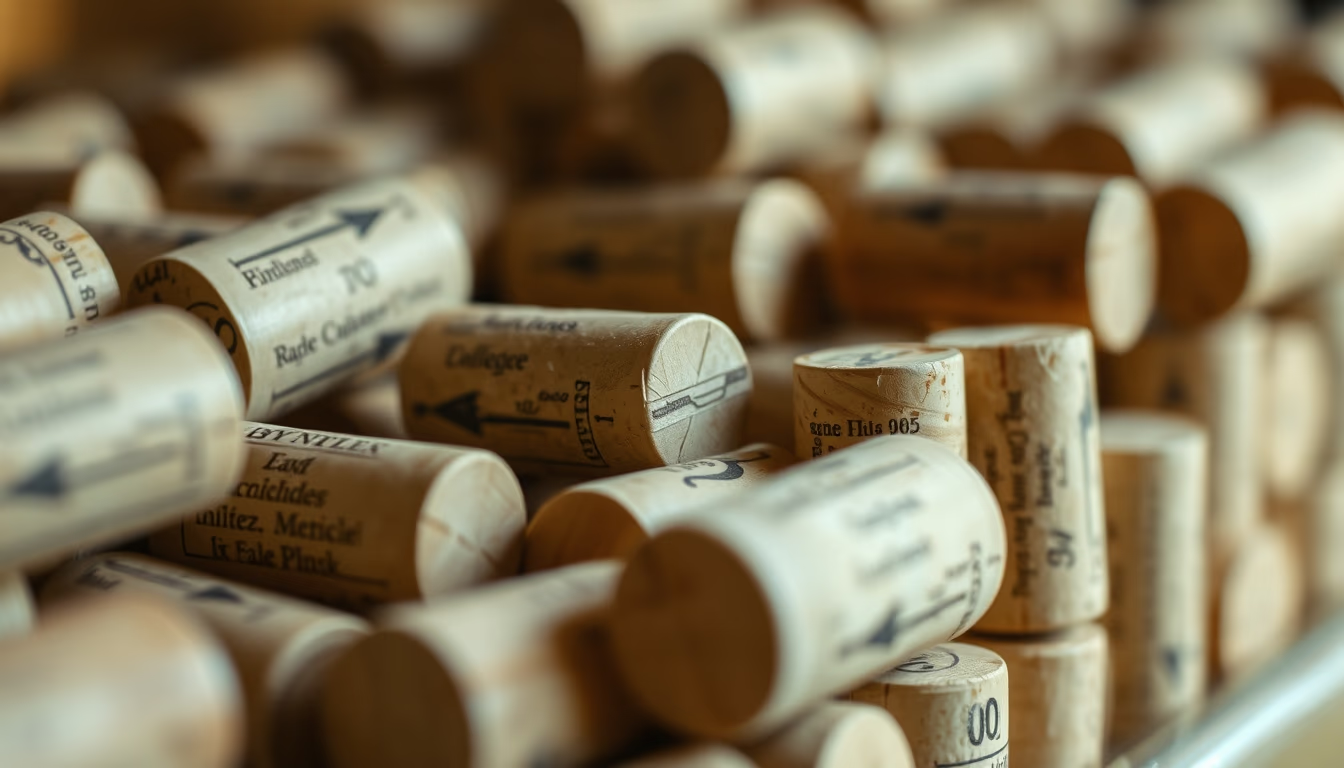
A wine cork collection reveals tradition, sustainability, and oenological passion. Discover curiosities about these small objects.
About this subject
Wine corks are more than simple stoppers; they are silent witnesses to the history and art of winemaking. A cork collection can tell the trajectory of an enthusiast through the labels and vintages that marked their life. Each cork carries information such as the producer's name, region, and year, turning into a living diary.
There are three main types of corks used in the wine world. Natural cork, made from the bark of the cork oak (Quercus suber), is the most traditional and prized for allowing micro-oxygenation that evolves the wine in the bottle. Portugal is the world's largest cork producer, accounting for about 50% of global production, and bark extraction is done sustainably without cutting down the tree. Agglomerated corks are made from pressed cork particles, and synthetic corks from polymers are popular for everyday wines.
Collecting corks is a hobby that has grown with the wine culture. Many enthusiasts keep corks from special bottles, such as those from exceptional vintages or trips to wine regions. There are even exchange clubs and dedicated events. Additionally, corks can be reused in crafts and sustainability projects, such as insulating panels or flooring.
A fascinating fact is that natural cork can last centuries and directly influence wine flavor. About 2 to 3% of bottles are affected by cork taint, caused by the compound TCA (trichloroanisole) present in some contaminated corks. Therefore, many producers seek alternatives, but the tradition of natural cork remains strong, especially for high-quality wines.
For those wanting to start a collection, it is recommended to store corks in a dry, airy place away from direct sunlight and label them with relevant information. Nowadays, mobile apps allow digital cataloging and associating corks with tasting notes.
Frequently Asked Questions
Why are natural corks preferred for quality wines?
They allow controlled micro-oxygenation essential for wine aging, and are sustainable and renewable. Tradition also plays a role.
What causes 'cork taint' in wine?
It is caused by the compound TCA (trichloroanisole), resulting from fungi reacting with cleaning agents in the cork. It affects about 2-3% of bottles.
How should I store the corks in my collection?
In a dry, airy place away from direct sunlight. Avoid excessive humidity and temperature fluctuations. Labeling them with bottle details is useful.
Direct URL
https://pub-c7d6a6ea828543ac903a74a341ccb2e1.r2.dev/imagens/wine-cork-collection-documentary-photography-p2.avifHow to credit
Include a visible link back to UtilizAí. Copy one of the snippets below:
<a href="https://xn--utiliza-eza.com/en/midia/imagens/wine-cork-collection-documentary-photography-p2">Wine cork collection</a> by <a href="https://xn--utiliza-eza.com">UtilizAí</a>, licensed under <a href="https://creativecommons.org/licenses/by/4.0/">CC BY 4.0</a>.
[Wine cork collection](https://xn--utiliza-eza.com/en/midia/imagens/wine-cork-collection-documentary-photography-p2) by [UtilizAí](https://xn--utiliza-eza.com), CC BY 4.0
License: CC-BY-4.0