Whiskey on rocks amber
1344×768 · AVIF · CC BY 4.0
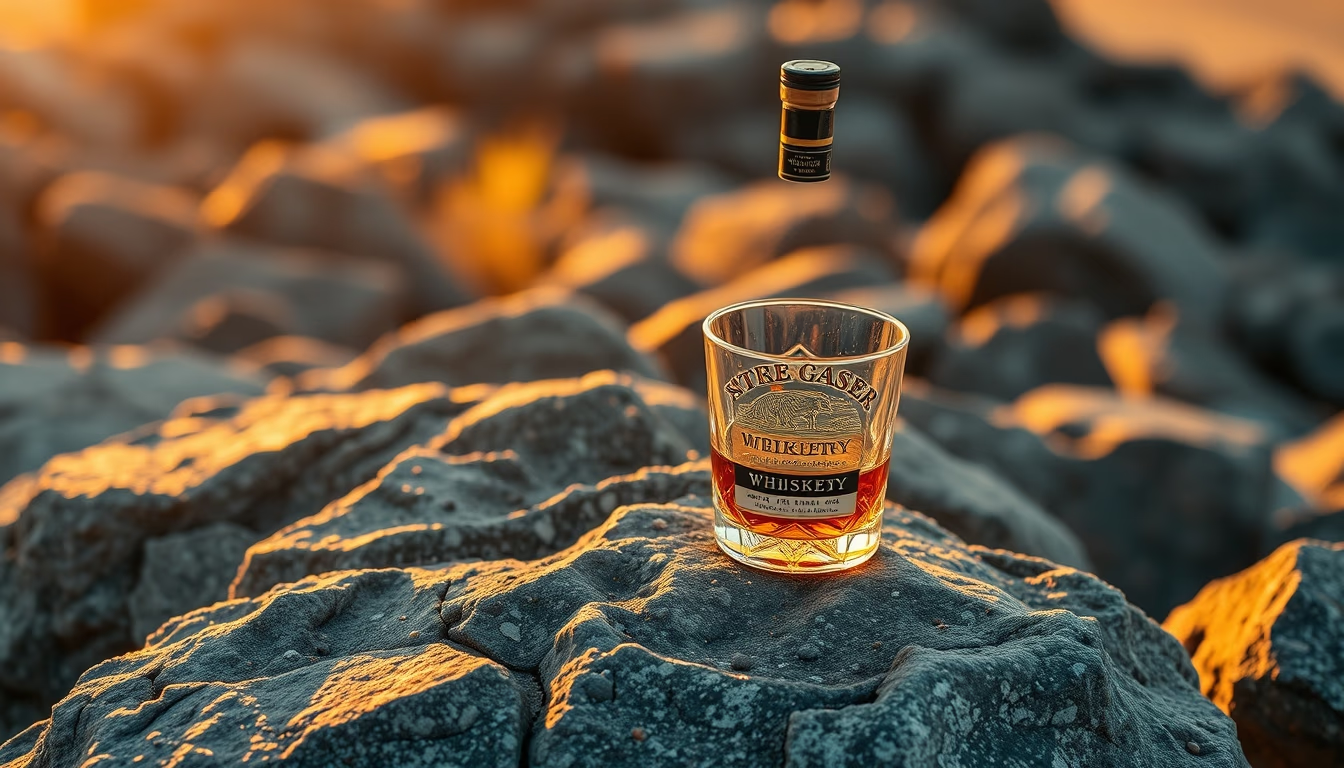
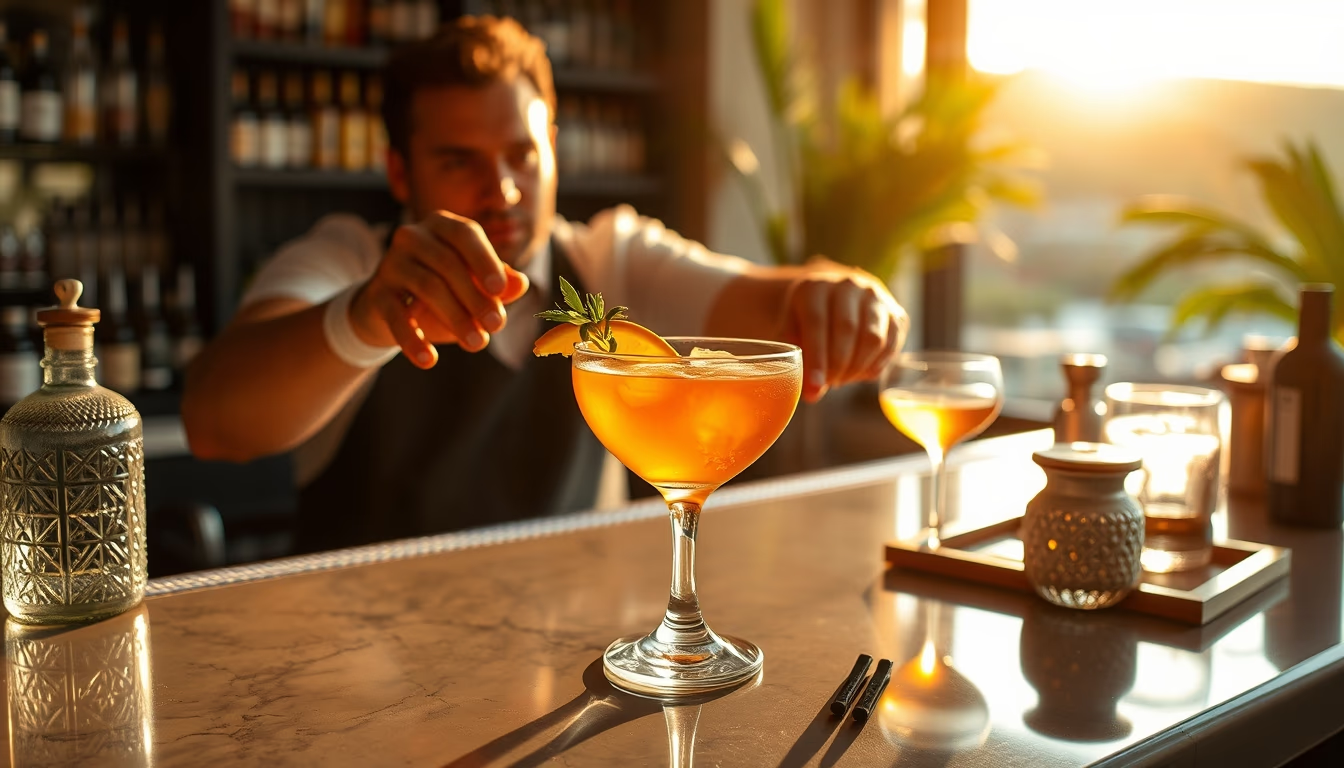
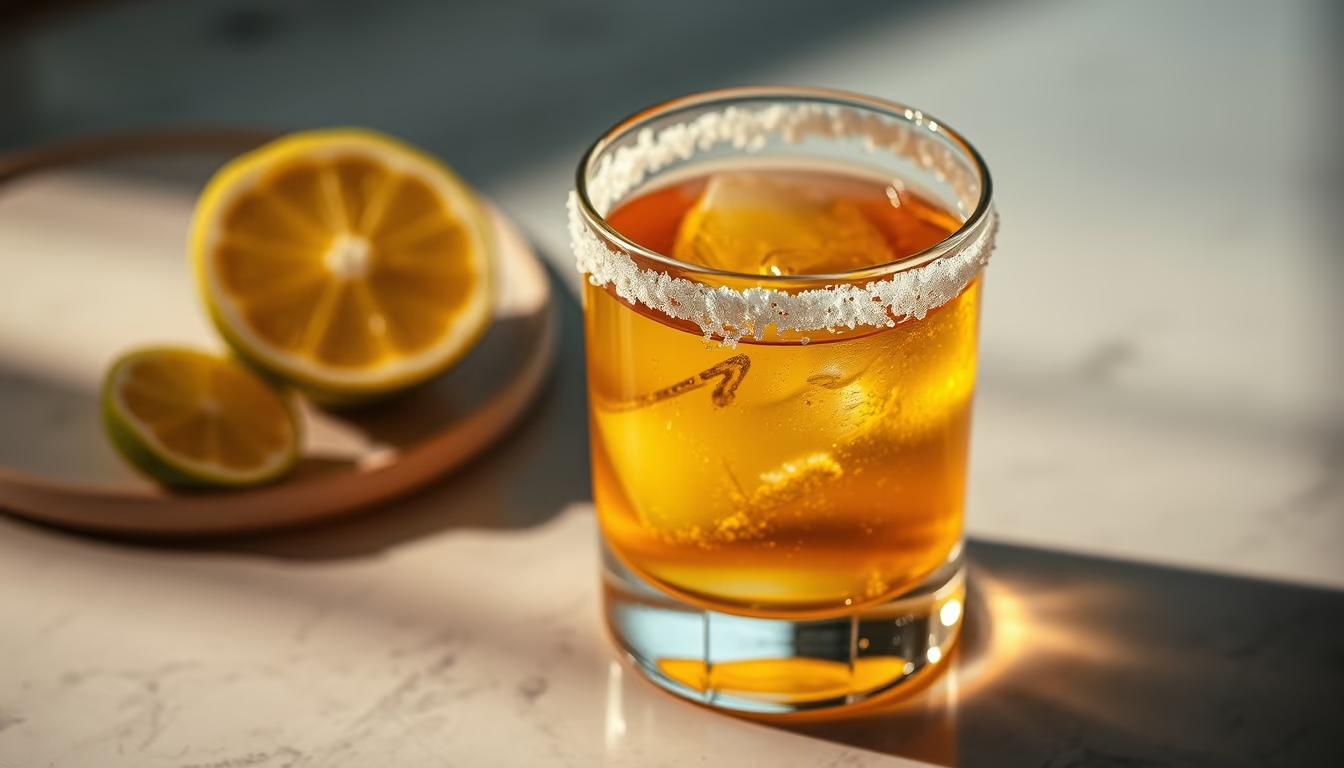
Whiskey on the rocks is a classic way to enjoy the spirit, served with ice cubes that enhance its aromas and soften the flavor.
About this subject
Whiskey served 'on the rocks' (with ice) is a tradition dating back to the 19th century. The practice emerged as a way to cool the beverage in hot climates, especially in the United States, without overly diluting the flavor. Ice not only chills but also slowly releases water, opening up the aromas and reducing the alcoholic burn, making it more approachable for new drinkers.
The characteristic amber color of whiskey comes from aging in oak barrels. Over the years, the distillate extracts compounds from the wood, such as tannins and vanillin, which impart golden to brown hues. The intensity of the color depends on the barrel type (American or European oak), maturation time, and the use of barrels previously used for bourbon or sherry. Younger whiskeys tend to be lighter, while those aged for over 10 years develop a deep amber.
Different whiskey styles behave uniquely with ice. Bourbons, with higher corn content and sweetness, retain notes of vanilla and caramel. Scotch single malts, especially from Islay and Speyside, reveal peaty or fruity nuances. Rye whiskeys, spicy and dry, become smoother. Experts recommend large, dense ice cubes that melt slowly to avoid excessive dilution.
In Brazil, whiskey on the rocks has grown in popularity for casual gathering moments. Brands like Johnnie Walker, Jack Daniel's, and Buchanan's are common. The ideal serving temperature ranges from 4 to 8°C, and tumblers or lowball glasses are preferred. A curiosity: the term 'rocks' originally referred to natural ice harvested from frozen lakes, commonly used in 19th-century bars.
Frequently Asked Questions
What does 'on the rocks' mean?
It is the English term for serving an alcoholic beverage with ice, usually in a lowball glass. The ice chills and slightly dilutes the whiskey, opening up its aromas.
Why is whiskey amber-colored?
The amber color comes from aging in oak barrels. During maturation, the whiskey absorbs pigments from the wood, such as tannins and vanillin, creating golden to brown hues.
What is the best whiskey for on the rocks?
It depends on personal taste, but bourbons like Jack Daniel's and Maker's Mark are popular for their sweetness. High-quality scotches, such as Glenfiddich, also work well. Choose a whiskey with an ABV between 40% and 46% for balanced dilution.
Direct URL
https://pub-c7d6a6ea828543ac903a74a341ccb2e1.r2.dev/imagens/whiskey-on-rocks-amber-travel-photography-p0.avifHow to credit
Include a visible link back to UtilizAí. Copy one of the snippets below:
<a href="https://xn--utiliza-eza.com/en/midia/imagens/whiskey-on-rocks-amber-travel-photography-p0">Whiskey on rocks amber</a> by <a href="https://xn--utiliza-eza.com">UtilizAí</a>, licensed under <a href="https://creativecommons.org/licenses/by/4.0/">CC BY 4.0</a>.
[Whiskey on rocks amber](https://xn--utiliza-eza.com/en/midia/imagens/whiskey-on-rocks-amber-travel-photography-p0) by [UtilizAí](https://xn--utiliza-eza.com), CC BY 4.0
License: CC-BY-4.0