Wailing wall jerusalem
1344×768 · AVIF · CC BY 4.0
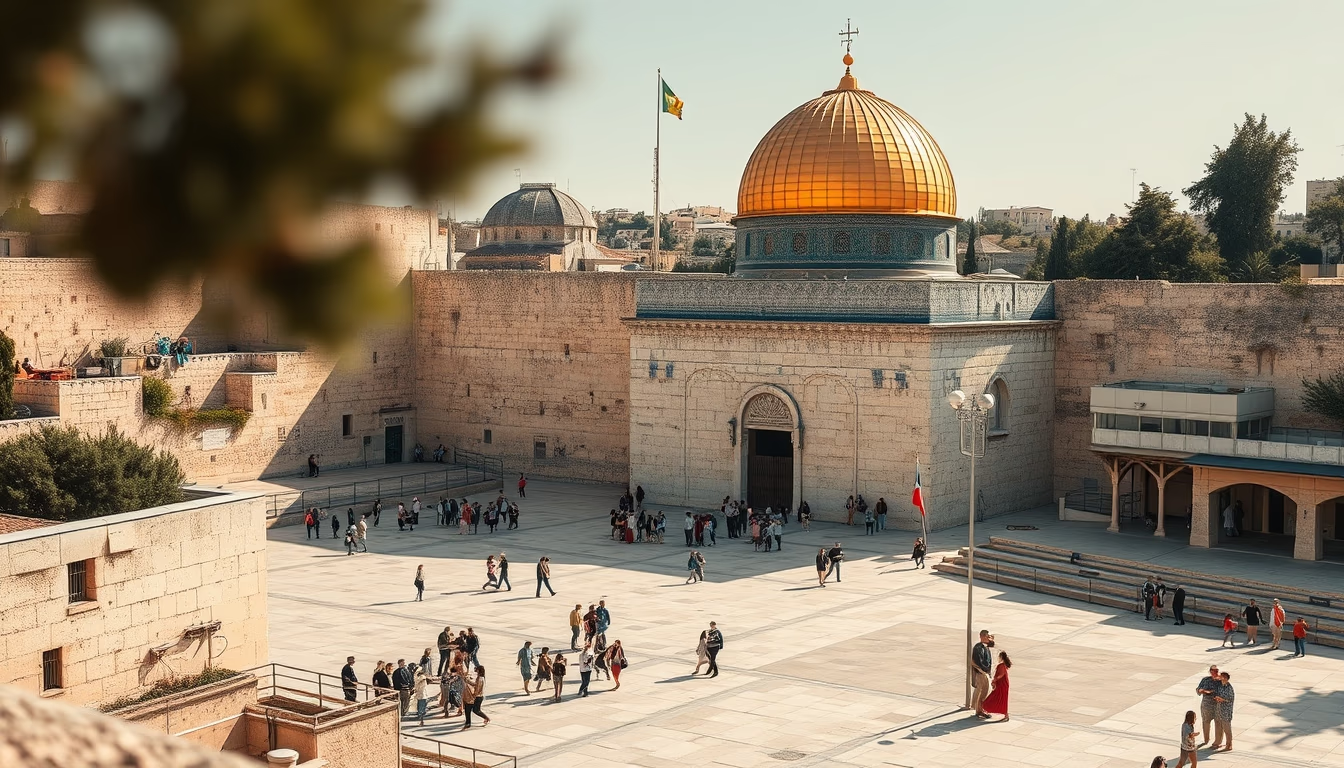
The Wailing Wall, also known as the Western Wall or Kotel, is the holiest site in Judaism, a remnant of the Second Temple in Jerusalem.
About this subject
The Wailing Wall, also known as the Western Wall or Kotel, is one of the most iconic and sacred sites in Jerusalem. It is the only visible remnant of the Second Temple, destroyed by the Romans in 70 CE, and represents the closest accessible point to the Holy of Holies, the most sacred location in the Temple. Located in the Old City of Jerusalem, the wall stretches about 488 meters, but the exposed prayer section is approximately 60 meters long and 19 meters high. Originally built by Herod the Great as part of the Temple Mount expansion, the wall served as a retaining structure for the Temple platform. After the destruction, it became the focus of Jewish prayer, symbolizing hope for rebuilding and redemption.
The religious significance of the Western Wall is immense. Jews from around the world come to pray here, especially during festivals such as Tisha B'Av (mourning the Temple's destruction) and Shavuot. A popular tradition is inserting slips of paper with prayers or requests into the wall's crevices. An estimated one million notes are placed annually; they are periodically collected and buried on the Mount of Olives. The wall is also a must-visit for pilgrims and tourists, attracting millions of visitors each year.
The site is divided into separate sections for men and women, following Orthodox norms. The plaza in front of the wall was expanded after the Six-Day War in 1967, when Israel took control of the Old City. Since then, the Western Wall has become a national and spiritual symbol, but also a point of political tension, as it lies adjacent to the Temple Mount (Noble Sanctuary), a holy site for Muslims. Despite controversies, the wall remains an icon of faith and resilience, recognized by UNESCO as a World Heritage Site.
Interestingly, the term "Wailing Wall" comes from the annual lamentation by Jews over the Temple's destruction, but its original name is "Kotel HaMa'aravi" (Western Wall). The stones are local limestone, some weighing several tons. The largest known stone, called the "Mother Stone," is about 12 meters long and weighs approximately 400 tons. The wall also serves as a venue for Bar and Bat Mitzvah ceremonies, and it is common to see Israeli soldiers being sworn in there.
Frequently Asked Questions
Why is it called the Wailing Wall?
The name "Wailing Wall" derives from the Jewish practice of mourning the destruction of the First and Second Temples, especially on Tisha B'Av. The term became popular among non-Jewish visitors, but the official name is Western Wall (Kotel HaMa'aravi).
What do people put in the cracks of the wall?
Visitors insert small slips of paper containing prayers, wishes, or thanks. This tradition holds that the papers are sacred, and they are periodically collected and buried on the Mount of Olives.
What are the visiting hours for the Western Wall?
The wall is open 24 hours a day, every day of the year. However, during Shabbat (from Friday sunset to Saturday sunset) and Jewish holidays, certain restrictions apply, such as a ban on photography or using electronic devices.
Direct URL
https://pub-c7d6a6ea828543ac903a74a341ccb2e1.r2.dev/imagens/wailing-wall-jerusalem-magazine-editorial-p8.avifHow to credit
Include a visible link back to UtilizAí. Copy one of the snippets below:
<a href="https://xn--utiliza-eza.com/en/midia/imagens/wailing-wall-jerusalem-magazine-editorial-p8">Wailing wall jerusalem</a> by <a href="https://xn--utiliza-eza.com">UtilizAí</a>, licensed under <a href="https://creativecommons.org/licenses/by/4.0/">CC BY 4.0</a>.
[Wailing wall jerusalem](https://xn--utiliza-eza.com/en/midia/imagens/wailing-wall-jerusalem-magazine-editorial-p8) by [UtilizAí](https://xn--utiliza-eza.com), CC BY 4.0
License: CC-BY-4.0