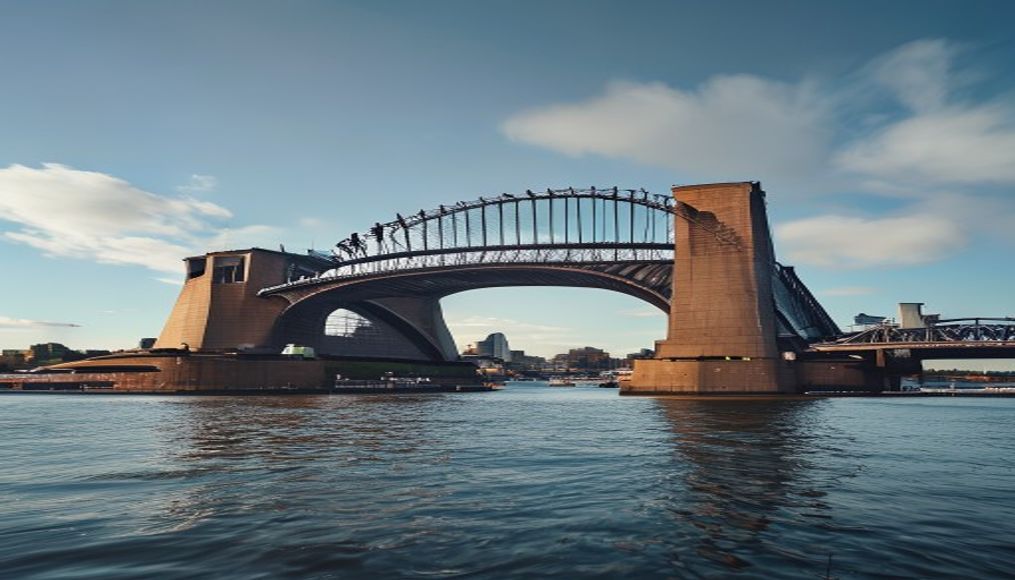
Wailing wall jerusalem
1344×768 · AVIF · CC BY 4.0
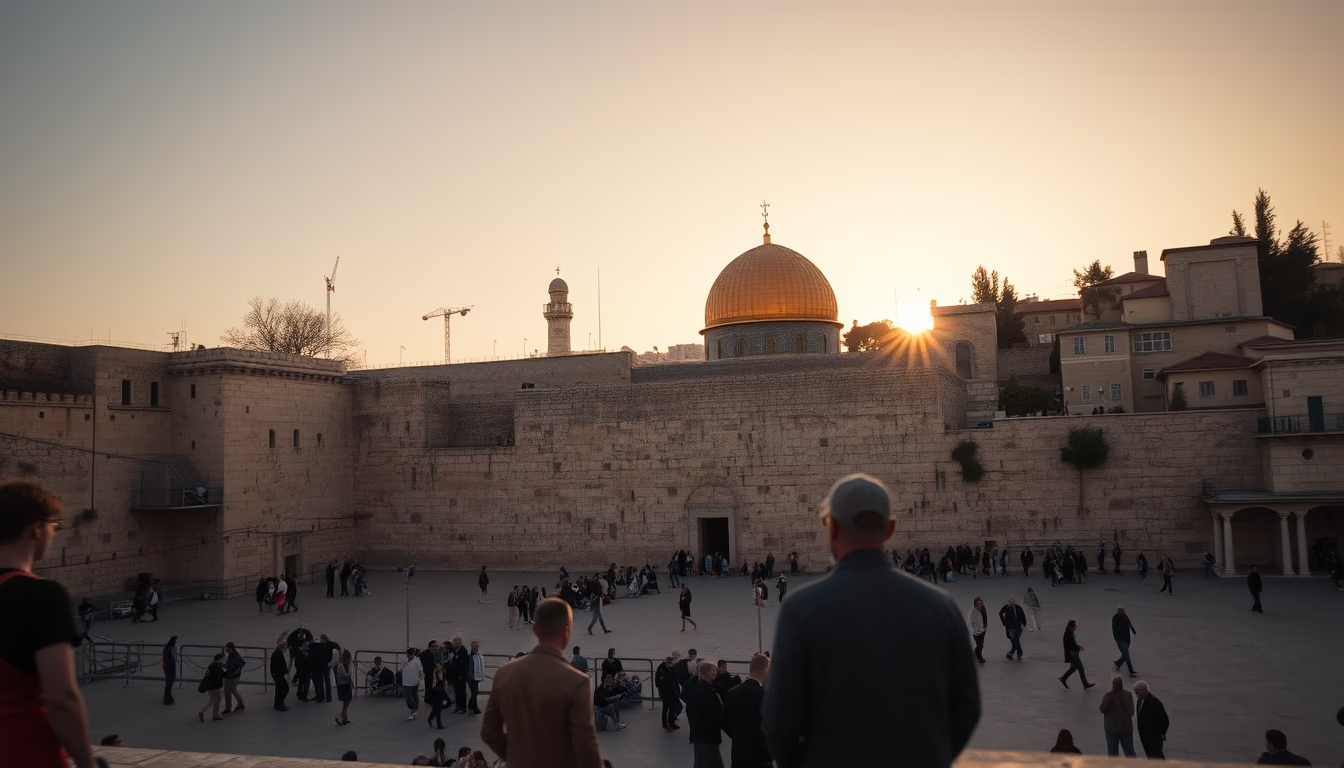
The Wailing Wall, also known as the Western Wall or Kotel, is the holiest site in Judaism, a remnant of the Second Temple in Jerusalem.
About this subject
The Wailing Wall, known in Hebrew as the Kotel or Western Wall, stands as one of the most sacred and iconic sites in Jerusalem. It is a segment of the ancient retaining wall that surrounded the Temple Mount, built by Herod the Great around 19 BCE. This wall is the last remnant of the Second Temple, which was destroyed by the Romans in 70 CE. Since then, it has become the primary place of pilgrimage and prayer for Jews worldwide, who insert written prayers into the cracks between the stones.
The name "Wailing Wall" originates from Jewish mourning over the Temple's destruction and the subsequent exile. However, among Jews, it is more commonly referred to as the Kotel HaMa'aravi, the Western Wall. The site is divided into two sections: one for men and one for women, adhering to Orthodox traditions. Thousands of visitors and worshippers flock to the site daily, especially during Jewish holidays such as Yom Kippur and Passover.
Beyond its religious significance, the Wailing Wall is a symbol of Jewish resilience and hope throughout the centuries. After the Six-Day War in 1967, Israel gained control over the Old City of Jerusalem, and the area was expanded with the creation of a large plaza to accommodate visitors. The stones of the wall, some over 2,000 years old, bear the marks of time and history, including holes and inscriptions.
Interestingly, the Wailing Wall is not exclusively a Jewish space. It is also a global tourist attraction and a site for interfaith dialogue, though political and religious tensions often surround it. The tradition of placing notes in the cracks is so widespread that thousands of messages are collected twice a year and buried on the Mount of Olives in a symbolic ceremony.
Frequently Asked Questions
Why is the Wailing Wall considered sacred to Jews?
The Wailing Wall is the last remnant of the Second Temple in Jerusalem, the center of Jewish religious life in antiquity. For Jews, it is the closest possible site to the ancient Holy of Holies, where God's presence was believed to dwell. Thus, it is the primary place for prayer and pilgrimage.
What is the tradition of placing notes in the Wall?
Visitors write prayers or requests on small slips of paper and insert them into the cracks of the Wall. This tradition dates back centuries and is seen as a way to send messages to God. The notes are collected twice a year and buried on the Mount of Olives.
Is the Wailing Wall accessible to everyone?
Yes, it is open to the public daily and free of charge. However, there is a gender division in the prayer area, following Orthodox customs. Visitors should dress modestly, and in the men's section, a skullcap is required, available at the entrance.
Direct URL
https://pub-c7d6a6ea828543ac903a74a341ccb2e1.r2.dev/imagens/wailing-wall-jerusalem-cinematic-wide-shot-p2.avifHow to credit
Include a visible link back to UtilizAí. Copy one of the snippets below:
<a href="https://xn--utiliza-eza.com/en/midia/imagens/wailing-wall-jerusalem-cinematic-wide-shot-p2">Wailing wall jerusalem</a> by <a href="https://xn--utiliza-eza.com">UtilizAí</a>, licensed under <a href="https://creativecommons.org/licenses/by/4.0/">CC BY 4.0</a>.
[Wailing wall jerusalem](https://xn--utiliza-eza.com/en/midia/imagens/wailing-wall-jerusalem-cinematic-wide-shot-p2) by [UtilizAí](https://xn--utiliza-eza.com), CC BY 4.0
License: CC-BY-4.0