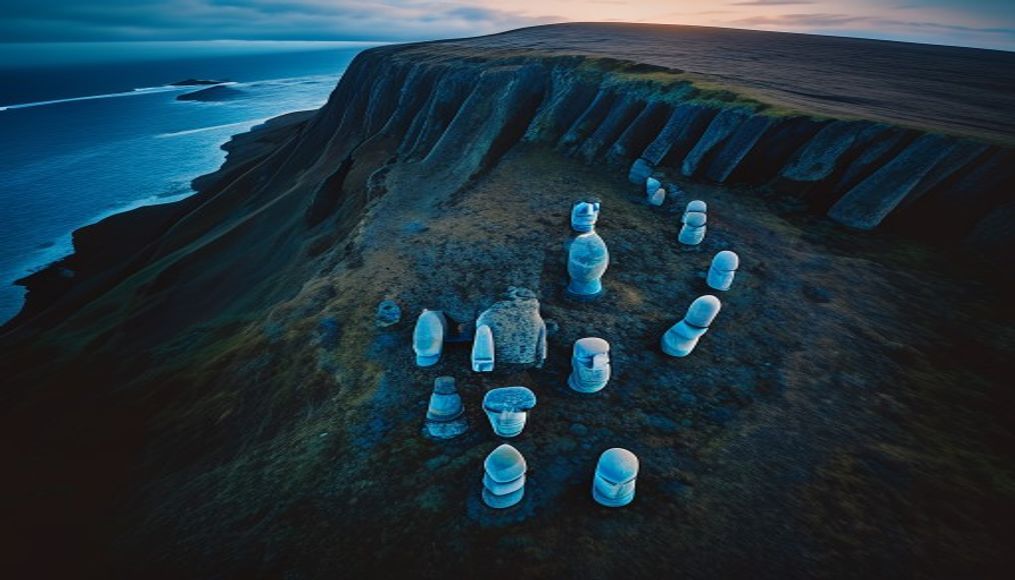
Wailing wall jerusalem
1344×768 · AVIF · CC BY 4.0
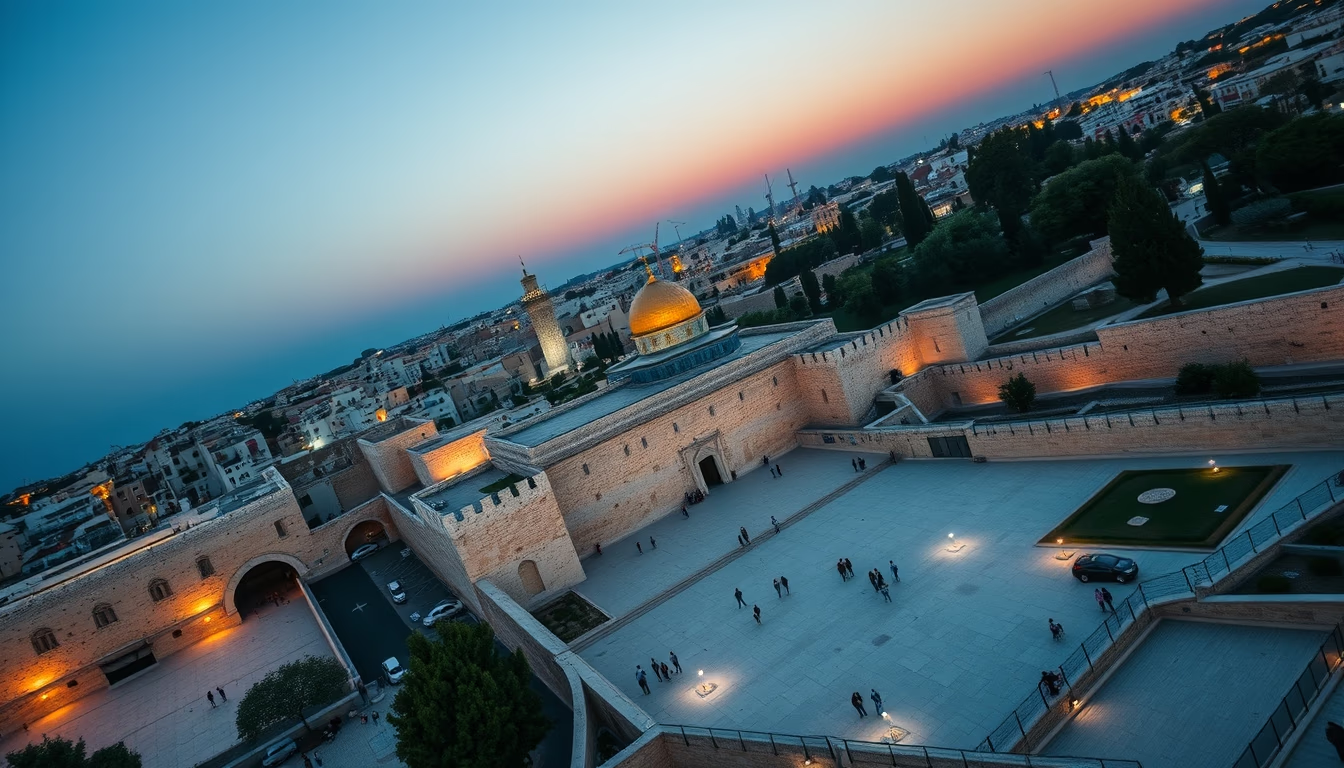
The Wailing Wall in Jerusalem is the holiest site in Judaism, a remnant of the Second Temple.
About this subject
The Wailing Wall, also known as the Western Wall or Kotel, is a limestone structure dating from the Herodian period, built approximately between 20 BCE and 10 CE. It was part of the retaining wall that supported the Temple Mount, where the Second Temple of Jerusalem stood until its destruction by the Romans in 70 CE. Since then, the wall has become the primary site of pilgrimage and prayer for the Jewish people, symbolizing hope for restoration and connection with the divine.
At the site, worshippers are commonly seen reciting prayers, weeping, and inserting notes with requests into the cracks of the stones. The tradition of placing notes dates back to the belief that the wall is a direct channel to God. Each year, thousands of visitors, both Jewish and non-Jewish, write their prayers on small pieces of paper. The area is divided into male and female sections, following Orthodox Jewish norms.
Archaeologically, the wall is a testament to Herodian engineering, with enormous stone blocks weighing up to 100 tons fitted without mortar. Excavations over the years have revealed tunnels and ancient structures, such as Robinson's Arch and the Byzantine Cardo. Access to the wall is free and controlled by security, and it serves as a gathering place for celebrations like Bar Mitzvahs and Shabbat.
Culturally, the Wailing Wall is a symbol of resilience and faith, mentioned in biblical texts such as Lamentations and Psalms. It attracts not only Jews but also Christians and Muslims, who recognize its historical and spiritual importance. Despite political tensions in the region, the site remains a space for prayer and reflection, administered by the Chief Rabbinate of Israel.
Frequently Asked Questions
Why is it called the Wailing Wall?
The name comes from the practice of Jews weeping while praying at the site, mourning the destruction of the Temple and the exile of the Jewish people. In Hebrew, it is called Kotel HaMa'aravi.
How tall is the Wailing Wall originally?
The visible wall is about 19 meters high, but excavations show its original base is about 13 meters below the current ground level, totaling 32 meters.
Are the notes placed in the Wall removed?
Yes, the notes are collected twice a year by rabbinate officials and buried on the Mount of Olives, according to Jewish tradition.
Direct URL
https://pub-c7d6a6ea828543ac903a74a341ccb2e1.r2.dev/imagens/wailing-wall-jerusalem-aerial-drone-shot-p4.avifHow to credit
Include a visible link back to UtilizAí. Copy one of the snippets below:
<a href="https://xn--utiliza-eza.com/en/midia/imagens/wailing-wall-jerusalem-aerial-drone-shot-p4">Wailing wall jerusalem</a> by <a href="https://xn--utiliza-eza.com">UtilizAí</a>, licensed under <a href="https://creativecommons.org/licenses/by/4.0/">CC BY 4.0</a>.
[Wailing wall jerusalem](https://xn--utiliza-eza.com/en/midia/imagens/wailing-wall-jerusalem-aerial-drone-shot-p4) by [UtilizAí](https://xn--utiliza-eza.com), CC BY 4.0
License: CC-BY-4.0