Wagashi sweets seasonal
1344×768 · AVIF · CC BY 4.0
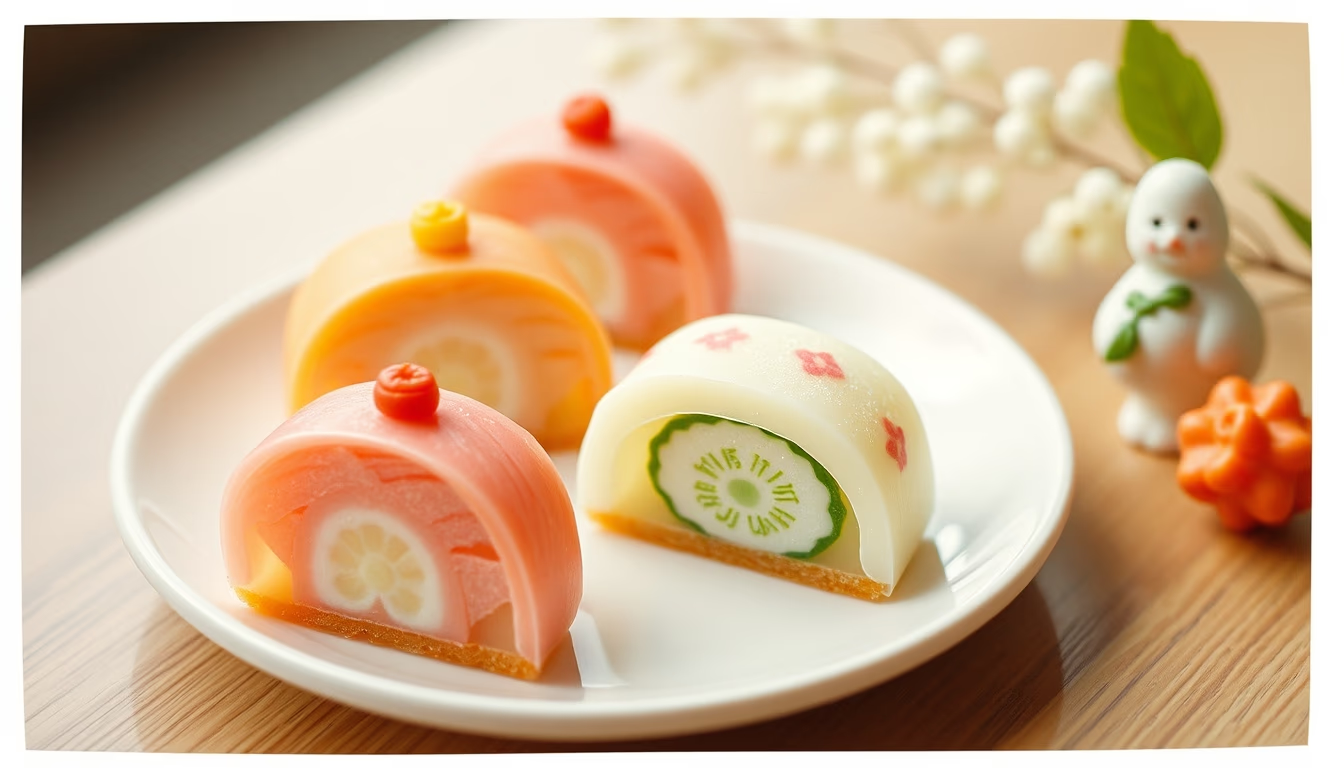
Wagashi are traditional Japanese confections that celebrate the seasons, made with natural ingredients and served in the tea ceremony.
About this subject
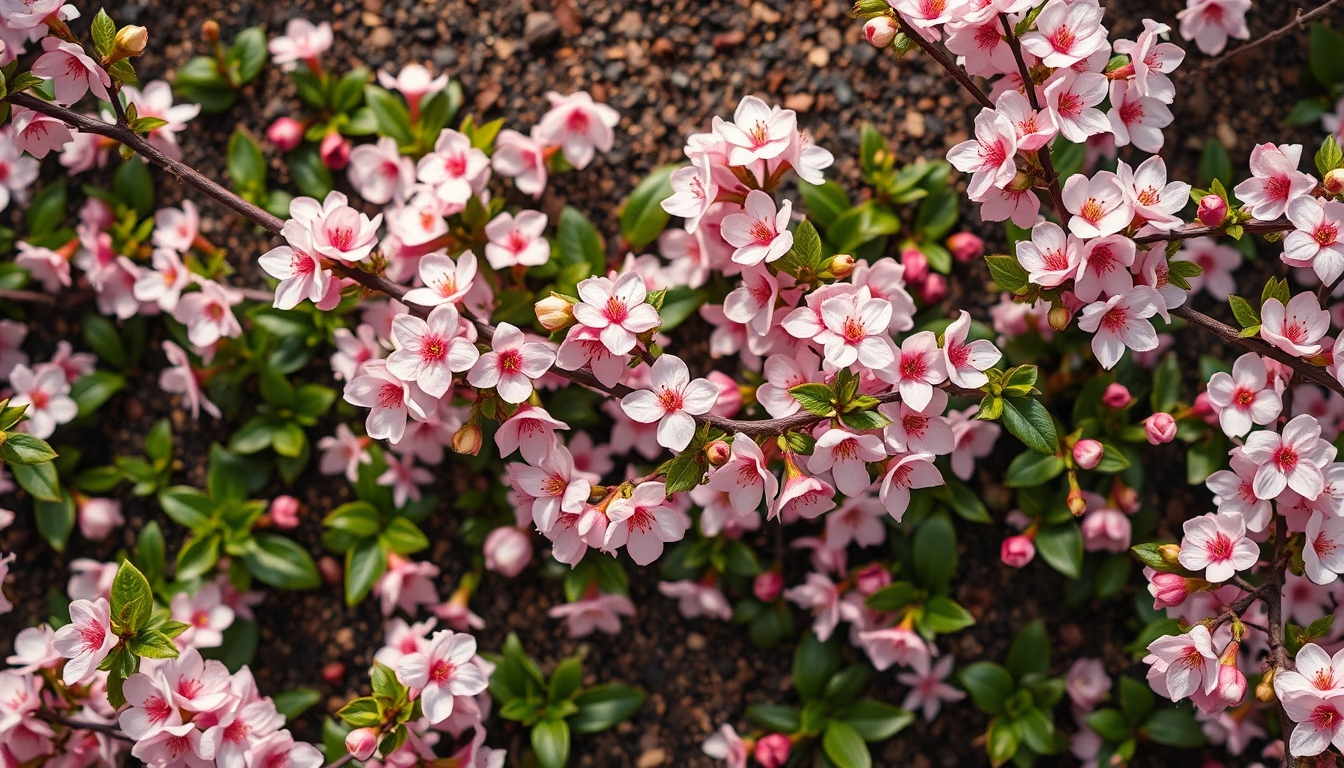
Wagashi are traditional Japanese confections that accompany the tea ceremony and reflect the seasons. Handmade from ingredients like glutinous rice, azuki beans, sugar, and fruits, they are edible works of art. Seasonal variety is immense: spring wagashi shaped like cherry blossoms, summer translucent versions with kanten jelly, autumn maple leaves in anko, and winter snowmen made of mochi.
The art of making wagashi, called wagashizukuri, requires years of training. Artisans use techniques such as nerikiri (white bean paste) and mochigome (glutinous rice). Each piece has a poetic name often inspired by classical literature or nature. For example, "Yuki no Hana" means snow flower, evoking winter.
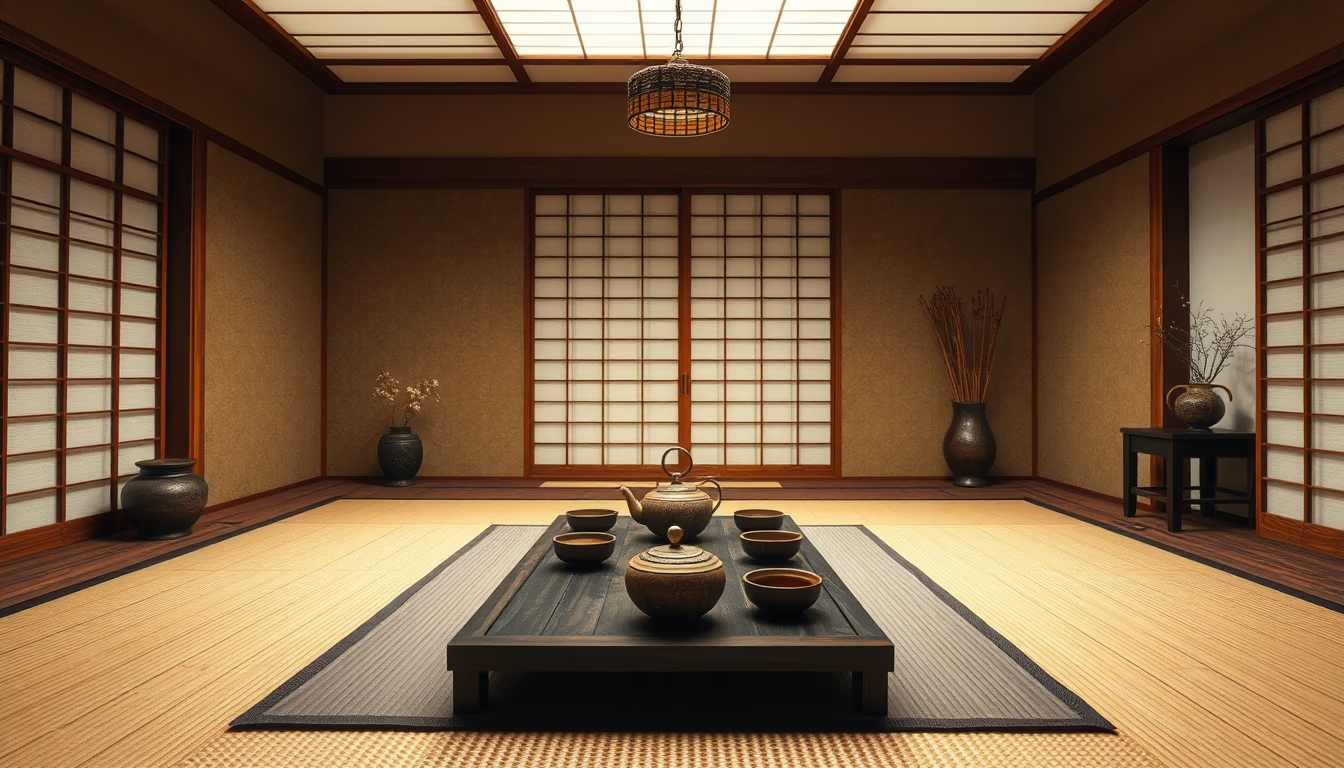
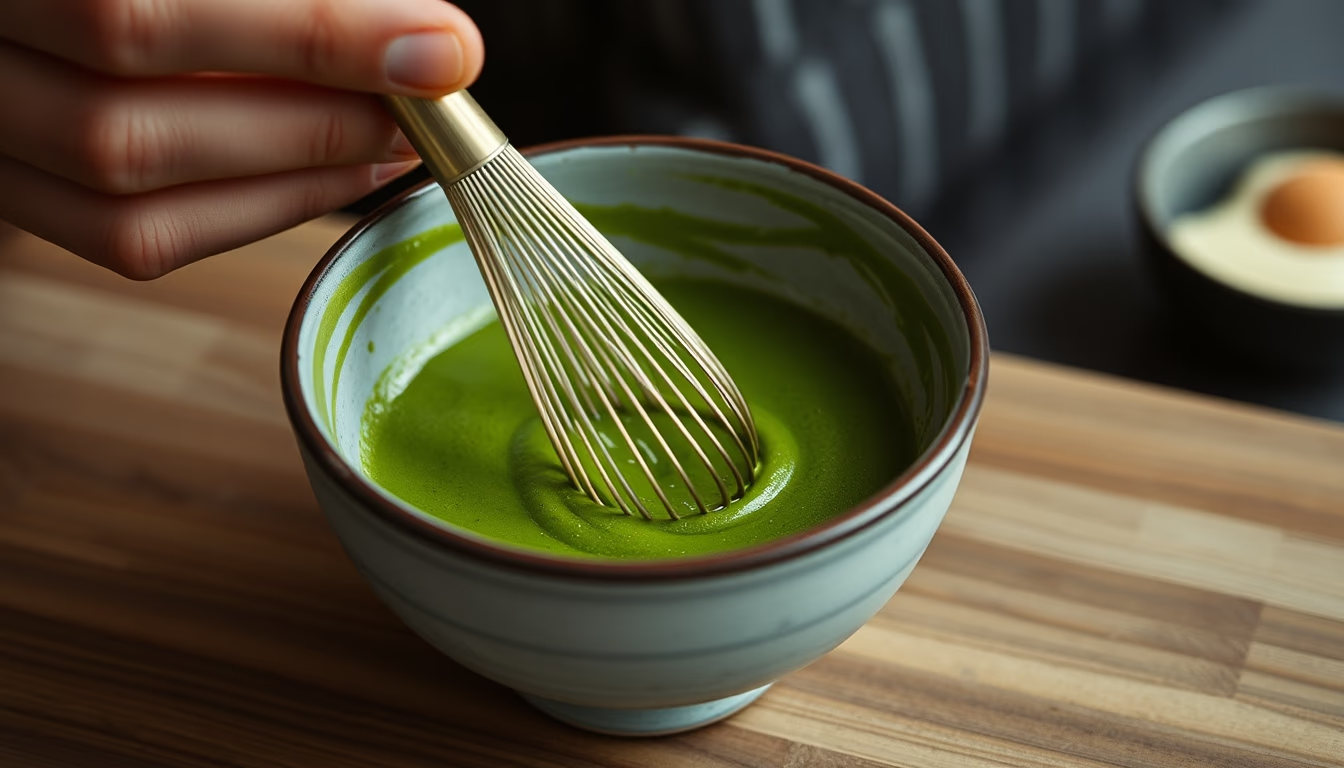
In the tea ceremony, wagashi is served before matcha to balance the bitterness of the tea. The subtle sweetness contrasts with the frothy green tea, creating a complete sensory experience. Besides aesthetics, the flavor is mild and delicate, never cloying. Many wagashi are vegan or vegetarian, as they avoid animal products.
Wagashi also have strong ties to Japanese festivals. Hanami (flower viewing) is accompanied by sakura mochi. For New Year, kagami mochi is stacked as an offering. This connection to the calendar makes wagashi a symbol of transience and the beauty of seasons, central concepts in Japanese culture.
Frequently Asked Questions
What are wagashi and what is their main characteristic?
Wagashi are traditional Japanese confections, often served in the tea ceremony. Their main characteristic is strong seasonality: each season inspires unique shapes, colors, and ingredients.
Which ingredients are common in making wagashi?
Common ingredients include glutinous rice (mochi), azuki beans (anko), sugar, plant-based jelly (kanten), and fruits. Many wagashi are vegan as they contain no eggs or dairy.
How does wagashi relate to the Japanese tea ceremony?
In the tea ceremony, wagashi is served before matcha to balance the bitterness of the tea. The subtle sweetness prepares the palate, and the delicate appearance enhances the aesthetic experience.
Direct URL
https://pub-c7d6a6ea828543ac903a74a341ccb2e1.r2.dev/imagens/wagashi-sweets-seasonal-lo-fi-disposable-camera-fresh16.avifHow to credit
Include a visible link back to UtilizAí. Copy one of the snippets below:
<a href="https://xn--utiliza-eza.com/en/midia/imagens/wagashi-sweets-seasonal-lo-fi-disposable-camera-fresh16">Wagashi sweets seasonal</a> by <a href="https://xn--utiliza-eza.com">UtilizAí</a>, licensed under <a href="https://creativecommons.org/licenses/by/4.0/">CC BY 4.0</a>.
[Wagashi sweets seasonal](https://xn--utiliza-eza.com/en/midia/imagens/wagashi-sweets-seasonal-lo-fi-disposable-camera-fresh16) by [UtilizAí](https://xn--utiliza-eza.com), CC BY 4.0
License: CC-BY-4.0