Wagashi sweets seasonal
1344×768 · AVIF · CC BY 4.0
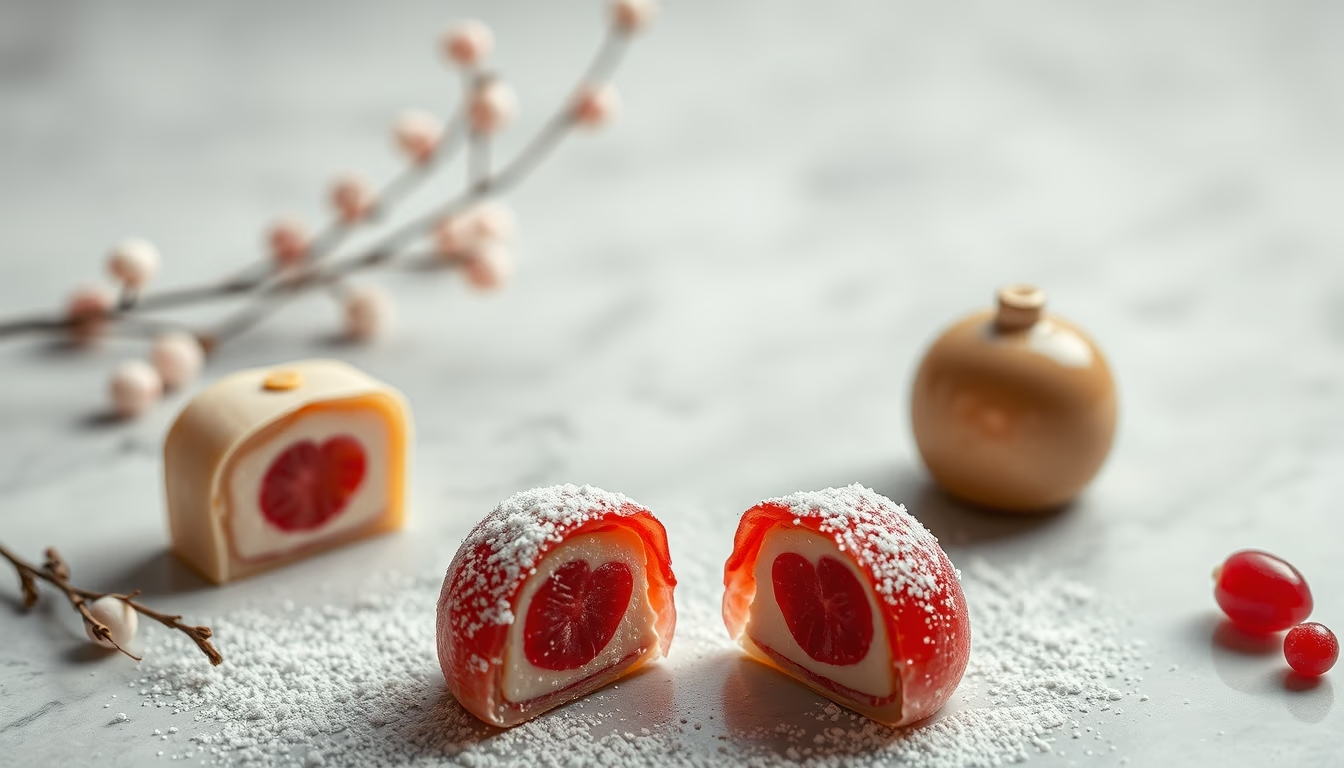
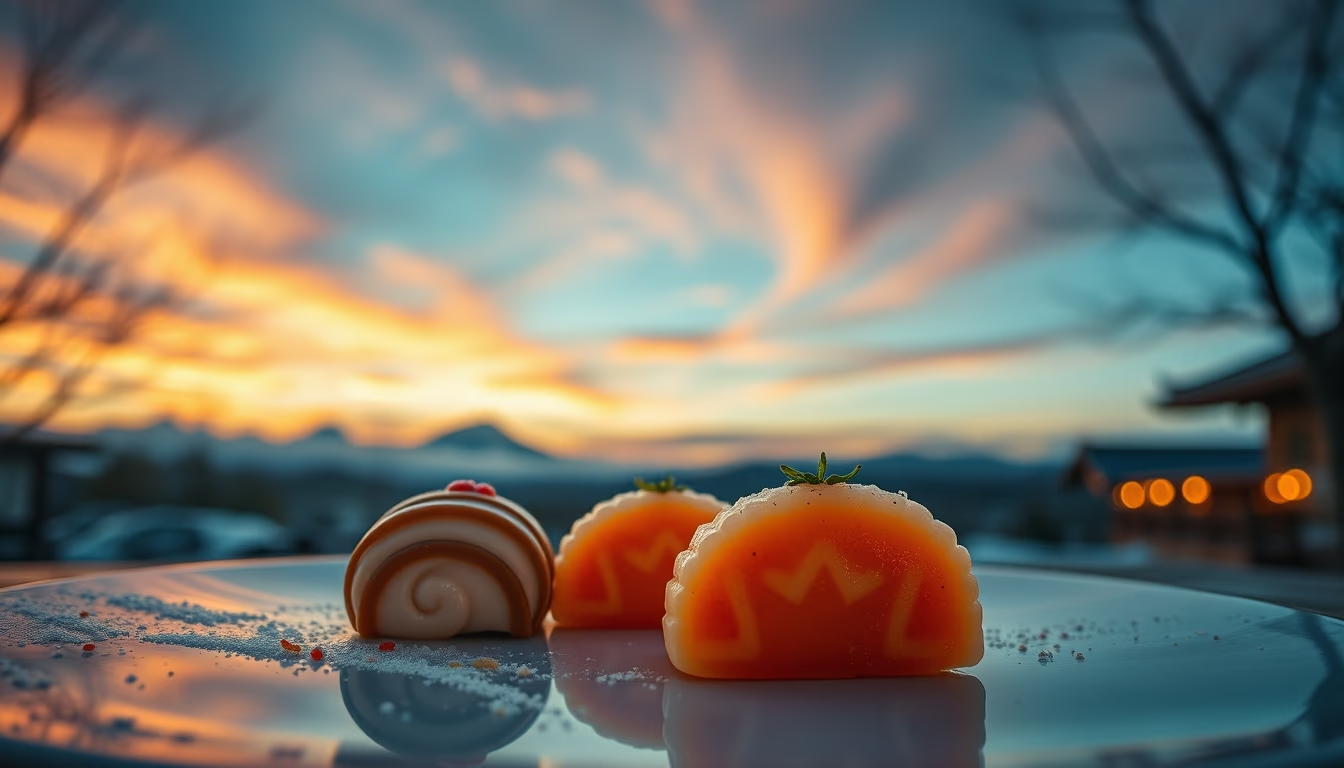
Wagashi are traditional Japanese sweets that change with the seasons, playing a key role in tea ceremonies.
About this subject
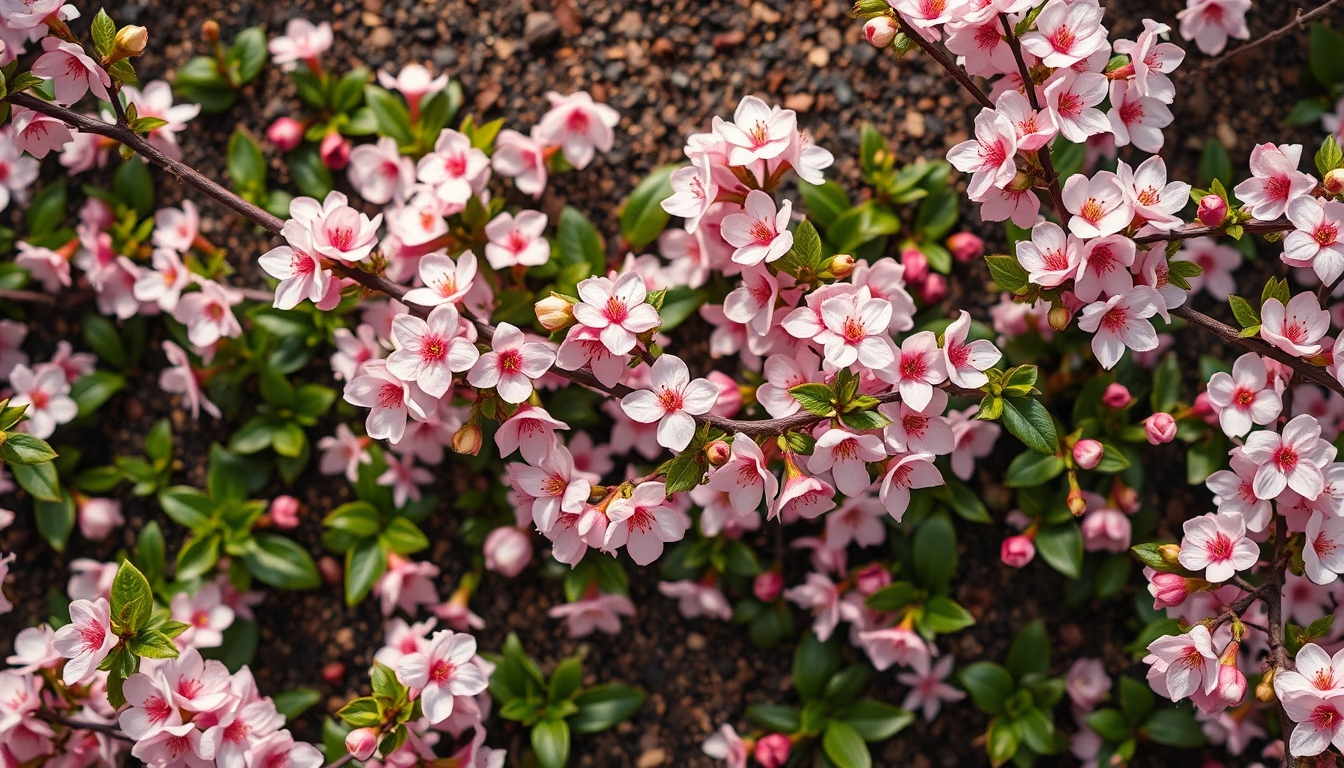
Wagashi, traditional Japanese sweets, are far more than desserts. They represent the art of Japanese confectionery and are deeply connected to seasonality. Each season inspires specific shapes, colors, and ingredients. In spring, cherry blossoms (sakura) and shiso leaves appear in sweets like sakura mochi. In autumn, chestnuts and maple leaves color the sweets in orange tones. This connection to nature reflects the Japanese aesthetic of wabi-sabi, which values impermanent beauty.
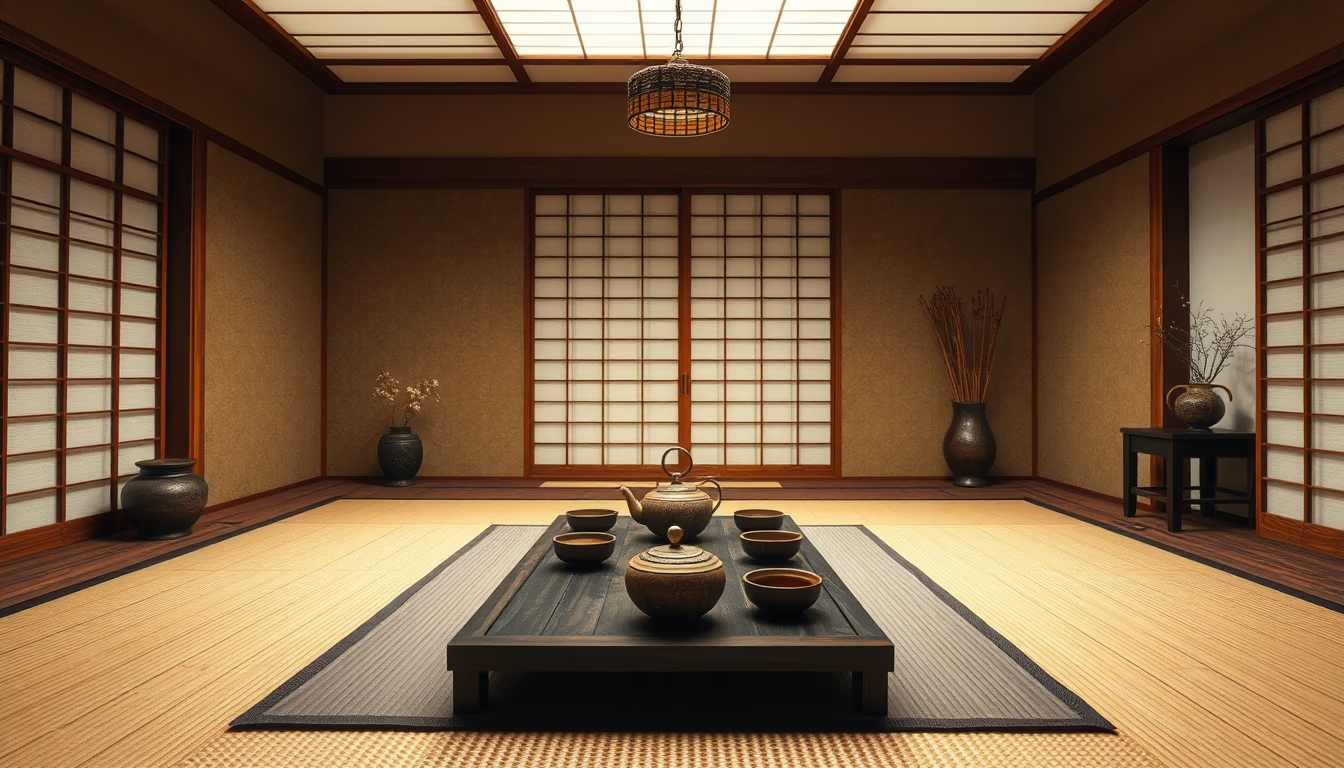
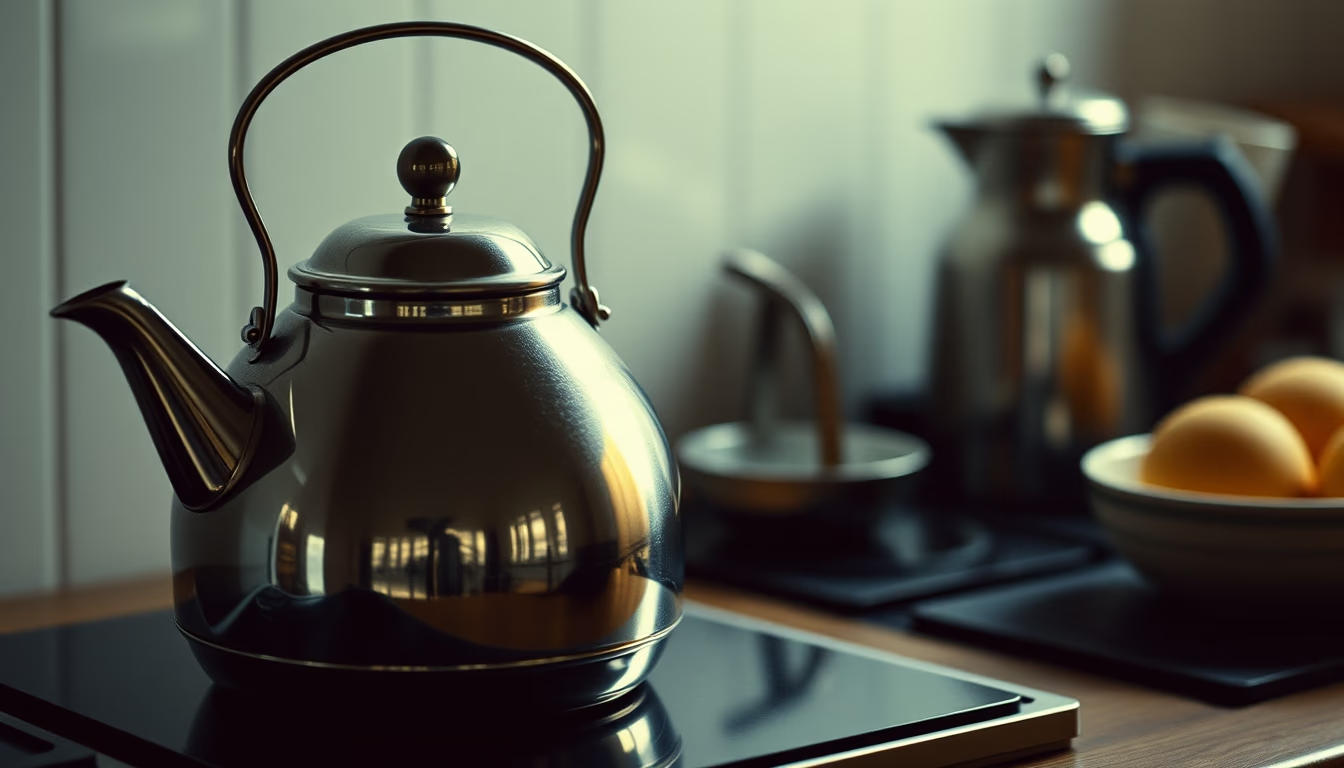
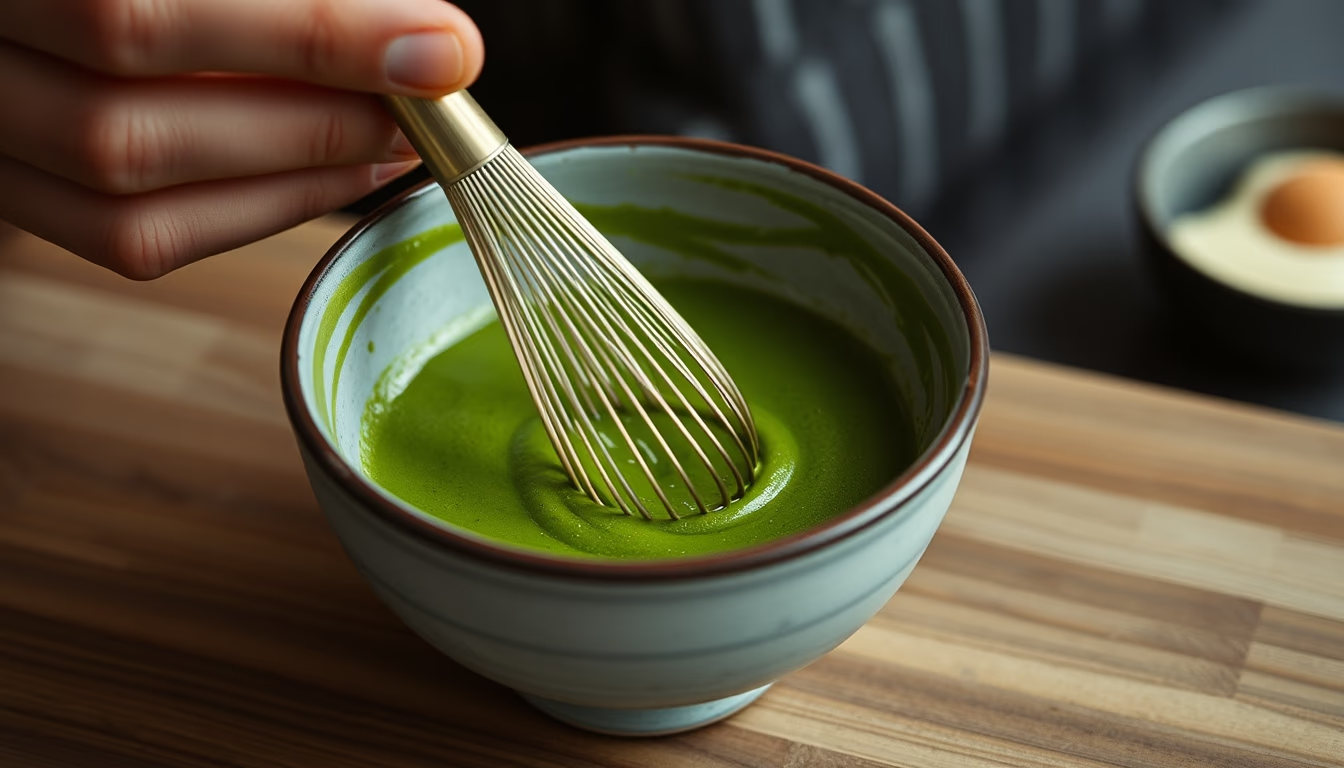
The tea ceremony (chanoyu) is the classic setting for wagashi. Served before matcha, the sweet prepares the palate for the bitterness of green tea. The confectioner (wagashishi) dedicates years to learning techniques such as hand-molding sweet paste (nerikiri) and using natural colors. Each piece is an edible sculpture, often inspired by poems or landscapes.
Interestingly, wagashi also has regional variations. In Tokyo, dorayaki is popular; in Kyoto, yatsuhashi. Textures range from gelatinous (yokan) to spongy (manju). Despite globalization, tradition remains alive in centuries-old confectioneries like Toraya (founded in 1600). Common ingredients include azuki beans, rice flour, and agar-agar. Sugar arrived in Japan via China but was adapted to create a subtler flavor, contrasting with Western sweets.
Today, wagashi is also enjoyed in modern cafes and festivals. Seasonality remains a principle: spring wagashi evoke hanami, summer ones bring coolness with shaved ice (kakigori), and winter ones feature warm treats like zenzai (sweet red bean soup). This centuries-old tradition proves that Japanese sweetness is an edible art form celebrating nature's cycles.
Frequently Asked Questions
What are wagashi?
Wagashi are traditional Japanese sweets, typically made from natural ingredients like azuki beans, rice flour, and sugar. They are known for their seasonal variations and are often served during tea ceremonies.
How does seasonality influence wagashi?
Each season inspires specific shapes, colors, and ingredients. For example, spring features cherry blossoms, autumn uses chestnuts and maple leaves. This reflects the Japanese aesthetic of celebrating nature's beauty in each moment.
What is the relationship between wagashi and the tea ceremony?
In the tea ceremony, wagashi is served before matcha. The sweet prepares the palate for the bitterness of green tea, balancing flavors. Additionally, the visual appearance of wagashi complements the ceremony's atmosphere.
Direct URL
https://pub-c7d6a6ea828543ac903a74a341ccb2e1.r2.dev/imagens/wagashi-sweets-seasonal-high-fashion-editorial-fresh13.avifHow to credit
Include a visible link back to UtilizAí. Copy one of the snippets below:
<a href="https://xn--utiliza-eza.com/en/midia/imagens/wagashi-sweets-seasonal-high-fashion-editorial-fresh13">Wagashi sweets seasonal</a> by <a href="https://xn--utiliza-eza.com">UtilizAí</a>, licensed under <a href="https://creativecommons.org/licenses/by/4.0/">CC BY 4.0</a>.
[Wagashi sweets seasonal](https://xn--utiliza-eza.com/en/midia/imagens/wagashi-sweets-seasonal-high-fashion-editorial-fresh13) by [UtilizAí](https://xn--utiliza-eza.com), CC BY 4.0
License: CC-BY-4.0