Wagashi sweets seasonal
1344×768 · AVIF · CC BY 4.0
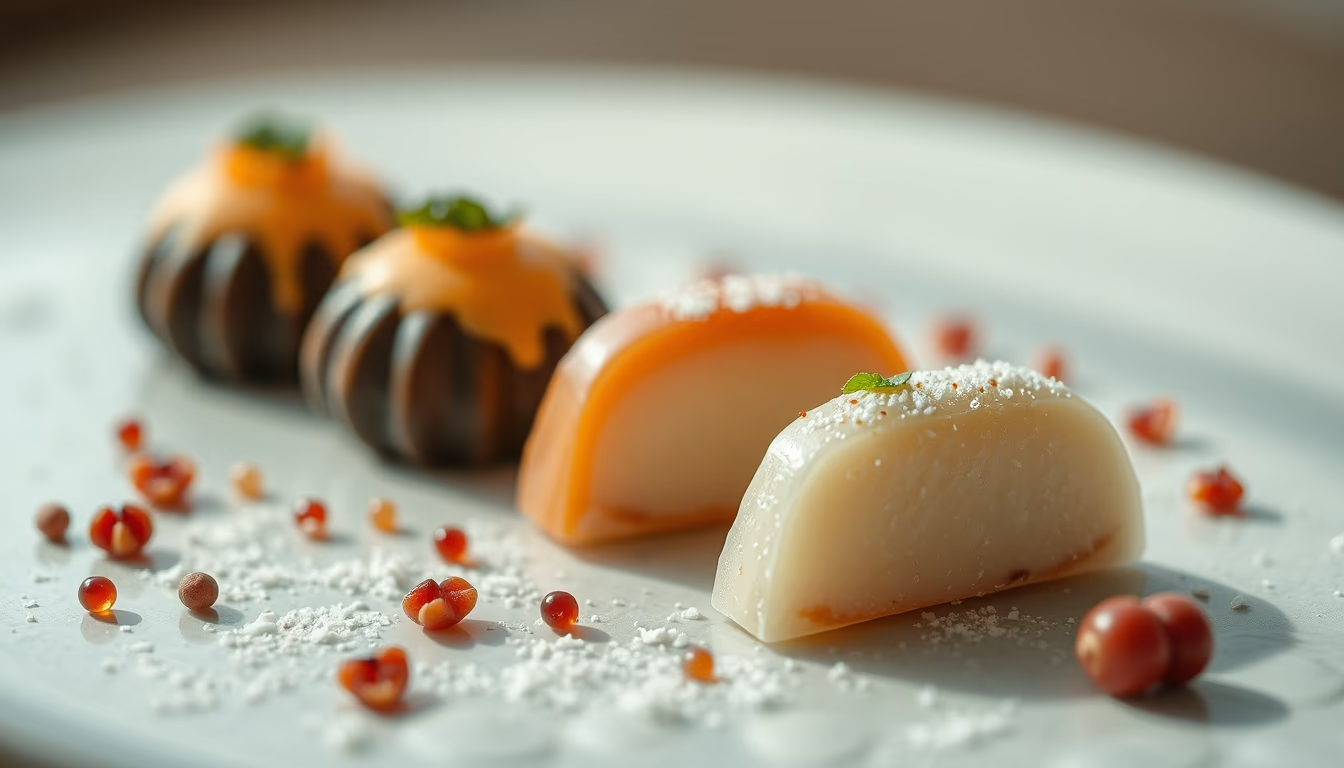
Wagashi are traditional Japanese confections made with natural, seasonal ingredients, served during tea ceremonies and celebrating the changing seasons.
About this subject
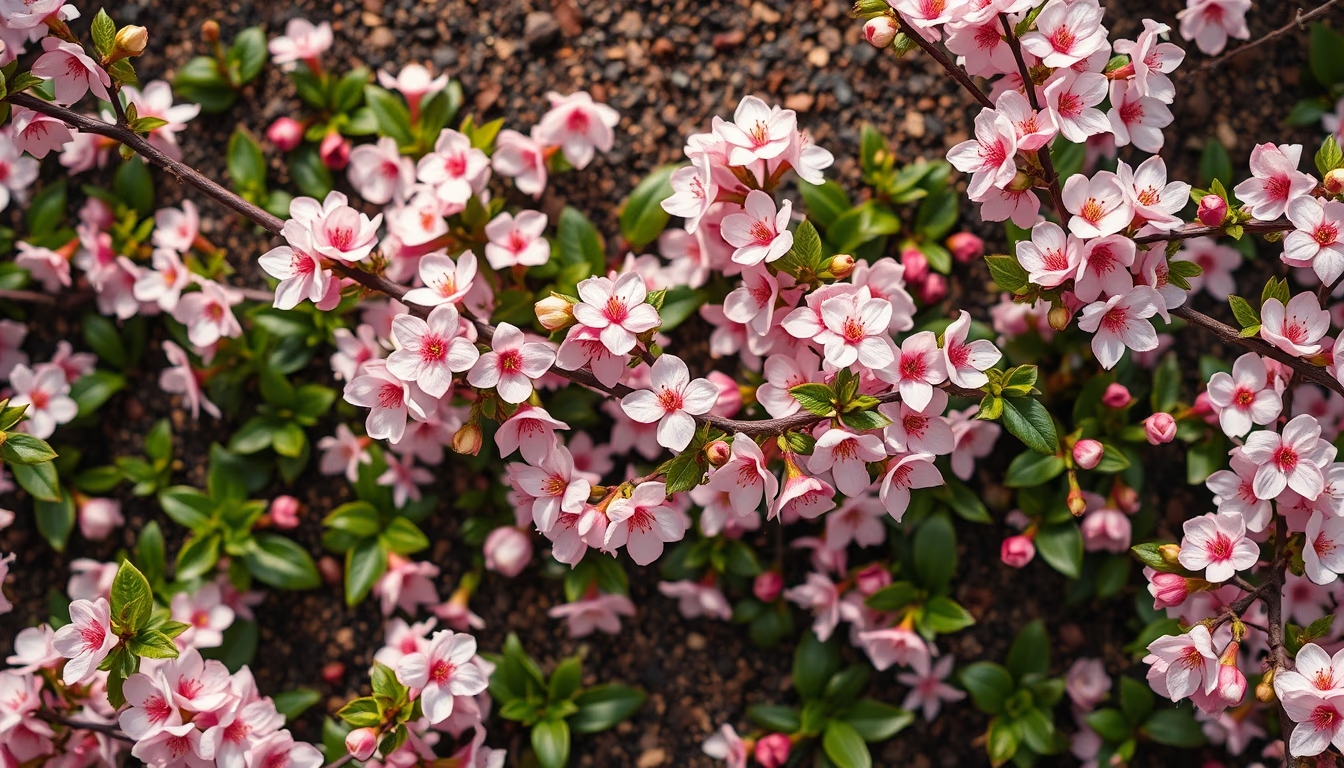
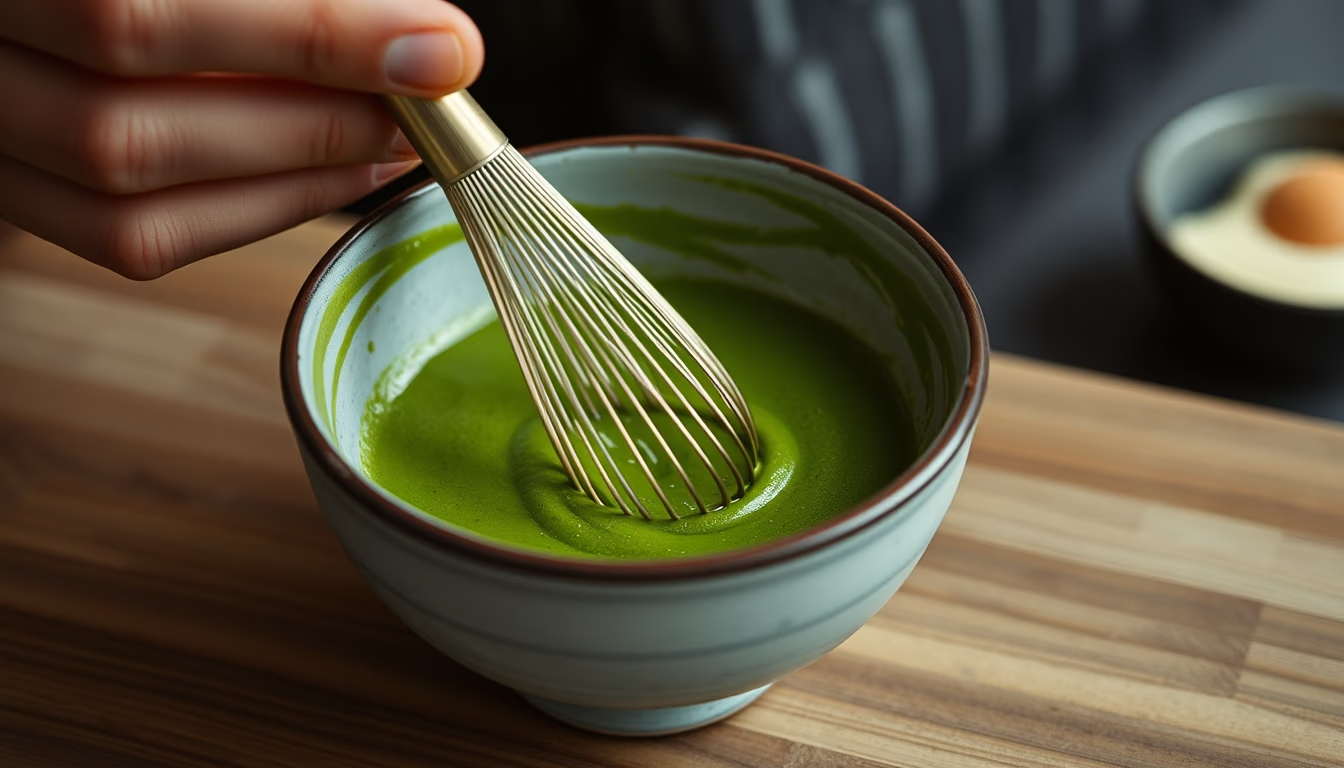
Wagashi are traditional Japanese sweets that go beyond mere desserts: they are artistic expressions reflecting nature and the delicacy of Japanese culture. Made from glutinous rice, azuki beans, sugar, and kanten (agar), these confections are meticulously shaped to represent seasonal elements: cherry blossoms in spring, maple leaves in autumn, or snowflakes in winter. The preparation technique, known as wagashi tsukuri, is passed down through generations, and traditional tea houses often serve wagashi alongside matcha to balance the bitter taste of green tea.
Seasonality is a core principle in wagashi. Each season inspires specific shapes, colors, and flavors; master confectioners use fresh seasonal ingredients such as sweet potato paste in autumn or white bean paste in summer. Beyond tea ceremonies, wagashi are consumed during festivals like Hanami (cherry blossom viewing) and Tsukimi (moon festival), where moon-shaped sweets are offered. The word "wagashi" combines "wa" (Japan) and "kashi" (sweet), distinguishing these confections from Western influences (yōgashi).
Historically, wagashi originated in the Heian period (794, 1185), when dried fruits and rice dumplings were used as religious offerings. With the introduction of tea to Japan in the Kamakura period (1185, 1333), sweets were refined to pair with the beverage. During the Edo period (1603, 1868), production expanded and became an art form, leading to specialized schools. Today, wagashi are valued not only for their taste but for their aesthetics, evoking the transience of natural beauty.
Interestingly, wagashi contain no dairy or eggs, making them naturally vegan. Textures range from soft (nerikiri) to jelly-like (yōkan), with a mild sweetness that highlights the azuki bean. For visitors to Japan, enjoying seasonal wagashi at a traditional tea house offers a complete sensory experience.
Frequently Asked Questions
What does the word 'wagashi' mean?
Wagashi (和菓子) combines 'wa' (Japan, harmony) and 'kashi' (sweet). It refers to traditional Japanese confections, distinguishing them from Western sweets (yōgashi).
How is wagashi related to the tea ceremony?
In the tea ceremony (chanoyu), wagashi is served before matcha to balance the bitterness of the tea. The sweetness and seasonal presentation complement the aesthetic and gustatory experience.
Is wagashi always vegan?
Yes, most traditional wagashi contain no dairy, eggs, or animal gelatin. Common ingredients are azuki beans, rice, sugar, and kanten (agar-agar), making them naturally vegan.
Direct URL
https://pub-c7d6a6ea828543ac903a74a341ccb2e1.r2.dev/imagens/wagashi-sweets-seasonal-documentary-photography-fresh3.avifHow to credit
Include a visible link back to UtilizAí. Copy one of the snippets below:
<a href="https://xn--utiliza-eza.com/en/midia/imagens/wagashi-sweets-seasonal-documentary-photography-fresh3">Wagashi sweets seasonal</a> by <a href="https://xn--utiliza-eza.com">UtilizAí</a>, licensed under <a href="https://creativecommons.org/licenses/by/4.0/">CC BY 4.0</a>.
[Wagashi sweets seasonal](https://xn--utiliza-eza.com/en/midia/imagens/wagashi-sweets-seasonal-documentary-photography-fresh3) by [UtilizAí](https://xn--utiliza-eza.com), CC BY 4.0
License: CC-BY-4.0