Wagashi sweets seasonal
1344×768 · AVIF · CC BY 4.0
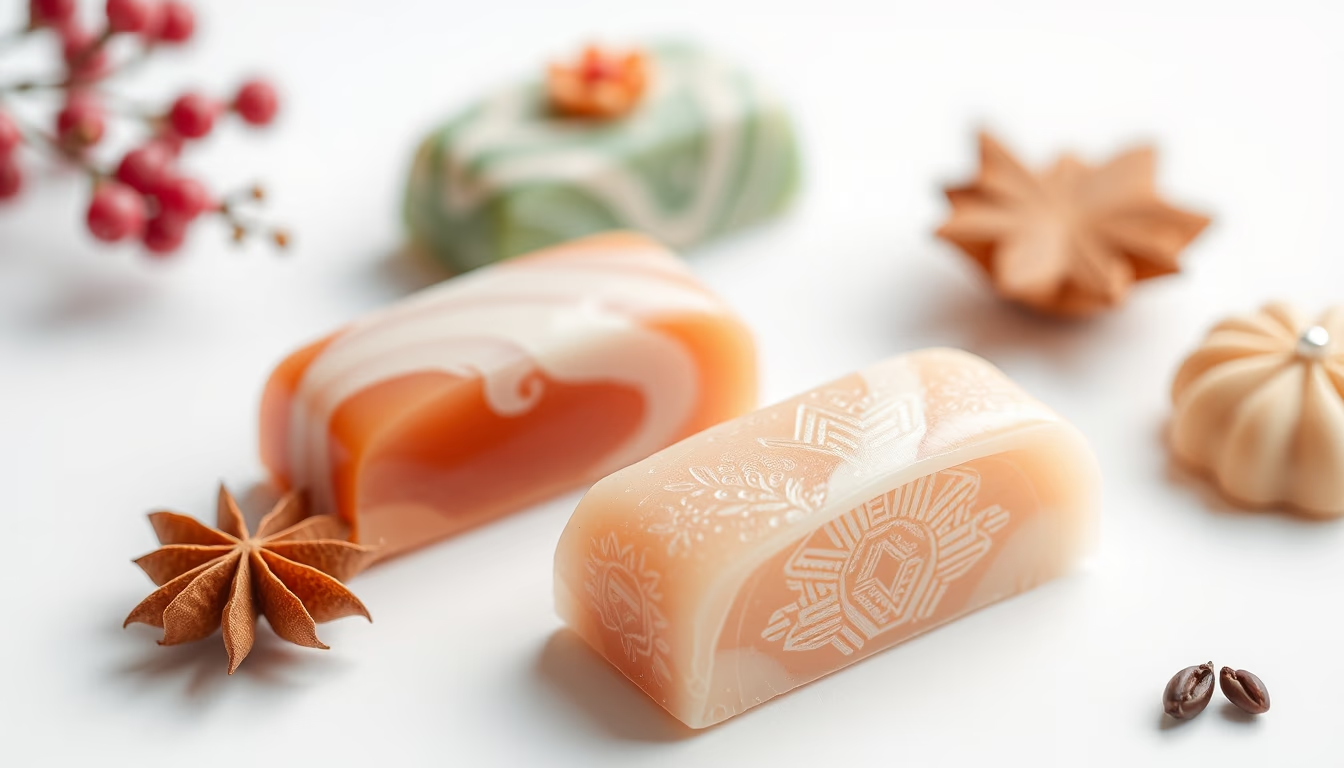
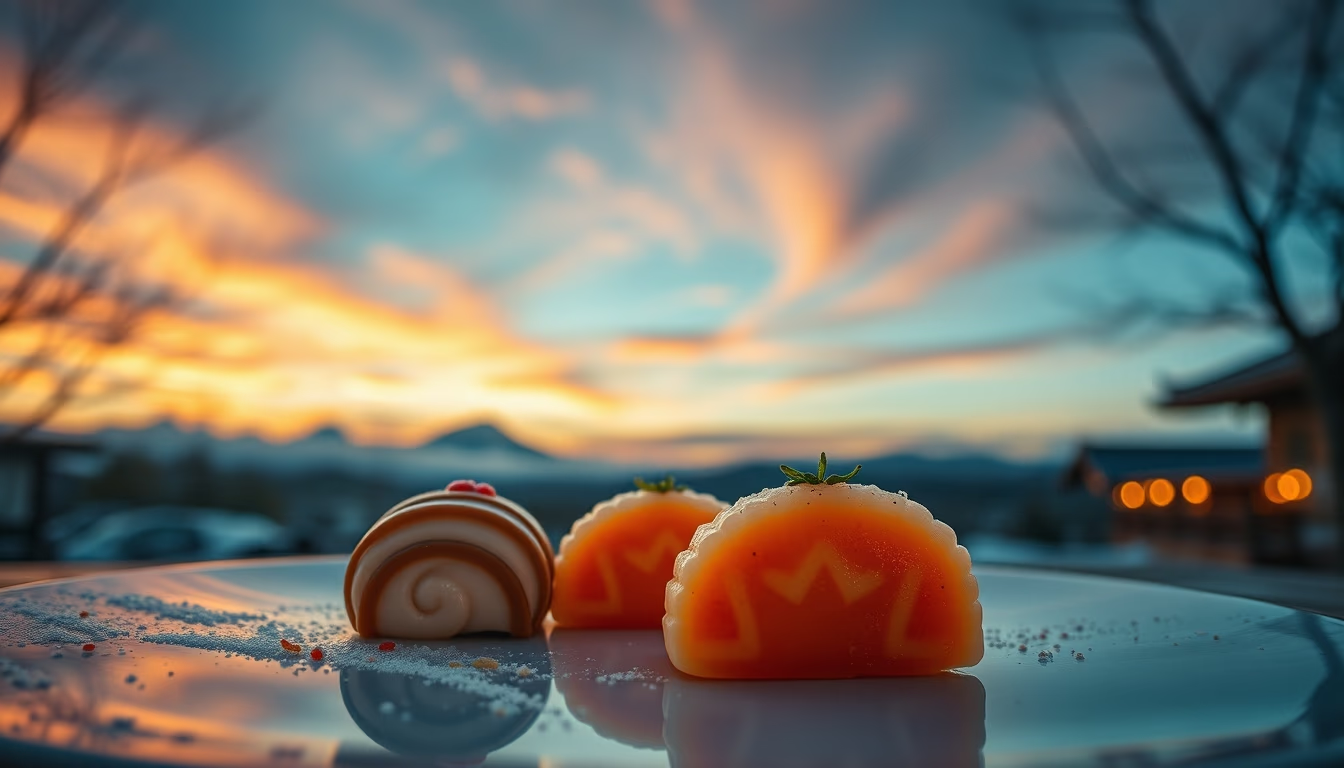
Wagashi are traditional Japanese seasonal sweets, essential in tea ceremonies, combining natural ingredients with cultural symbolism and craftsmanship.
About this subject
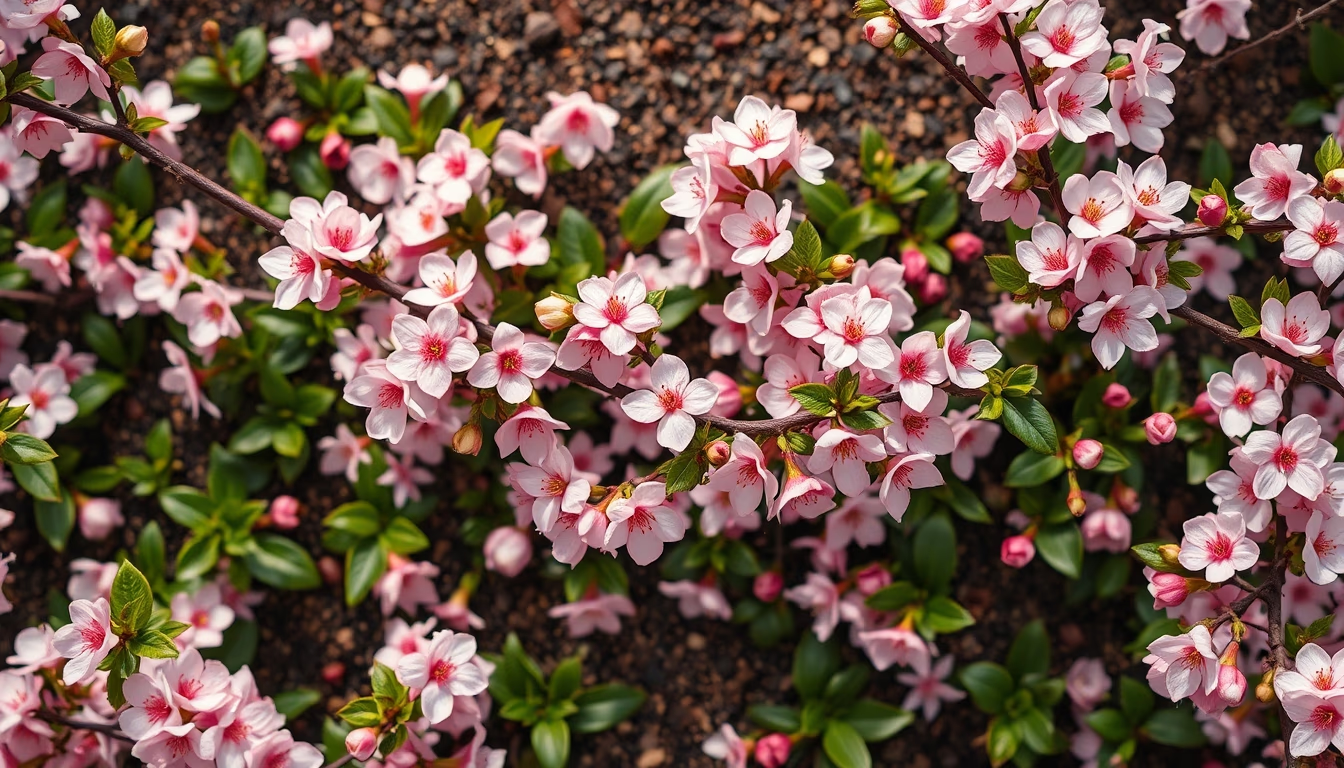
Wagashi are Japanese confections served with green tea, especially in the tea ceremony (chanoyu). Their production follows the seasonal calendar, using ingredients and shapes that evoke the current season. In spring, wagashi shaped like cherry blossoms (sakura) and white bean paste wrapped in cherry leaves. Summer features translucent varieties made from kuzu (arrowroot) or agar-agar, reminiscent of water and coolness. Autumn brings wagashi with chestnut, persimmon, or maple leaf motifs, while winter presents snowflake, pine, or snowball designs.
The history of wagashi dates back to the Nara period (8th century), when they were introduced from China. They evolved alongside the development of the tea ceremony in the 16th century, when Sen no Rikyū established principles of simplicity and seasonality. Wagashi are categorized into three types: namagashi (fresh, high moisture), han namagashi (semi-dry), and higashi (dry, pressed into molds). Azuki bean paste (anko) is a common base, sweetened with sugar and sometimes mixed with fruits or nuts.
Beyond taste, wagashi engage the five senses: sight (seasonal colors and shapes), touch (texture), smell (subtle aromas), hearing (poetic names), and taste. Each piece expresses ephemeral nature, aligned with the concept of ichigo ichie (each encounter is unique). Many artisanal wagashi are handcrafted by masters (wagashishi), who spend years perfecting techniques such as nerikiri (molding white bean paste).
Today, wagashi are enjoyed worldwide, with contemporary adaptations that preserve seasonal essence. They remain symbols of Japanese hospitality, served not only in ceremonies but also at festivals, celebrations, and as gifts. Seasonality dictates not only ingredients but also colors, shapes, and names, creating a deep connection between the sweet and the time of year.
Frequently Asked Questions
What are the main types of wagashi?
The main types are namagashi (fresh, like nerikiri), han namagashi (semi-dry, like manju), and higashi (dry, like rakugan). Each category has different texture and shelf life.
How does seasonality influence wagashi?
Each season inspires ingredients, shapes, and colors. For example, spring uses sakura, summer prefers kuzu and agar-agar for a refreshing feel, autumn brings chestnut, and winter features snow motifs.
Can I make wagashi at home?
Yes, simple recipes like ohagi (rice balls with anko) are accessible. They require ingredients like glutinous rice flour, sweet bean paste, and sugar. Advanced techniques like nerikiri demand practice.
Direct URL
https://pub-c7d6a6ea828543ac903a74a341ccb2e1.r2.dev/imagens/wagashi-sweets-seasonal-commercial-product-photography-fresh11.avifHow to credit
Include a visible link back to UtilizAí. Copy one of the snippets below:
<a href="https://xn--utiliza-eza.com/en/midia/imagens/wagashi-sweets-seasonal-commercial-product-photography-fresh11">Wagashi sweets seasonal</a> by <a href="https://xn--utiliza-eza.com">UtilizAí</a>, licensed under <a href="https://creativecommons.org/licenses/by/4.0/">CC BY 4.0</a>.
[Wagashi sweets seasonal](https://xn--utiliza-eza.com/en/midia/imagens/wagashi-sweets-seasonal-commercial-product-photography-fresh11) by [UtilizAí](https://xn--utiliza-eza.com), CC BY 4.0
License: CC-BY-4.0