Wagashi sweets seasonal
1344×768 · AVIF · CC BY 4.0
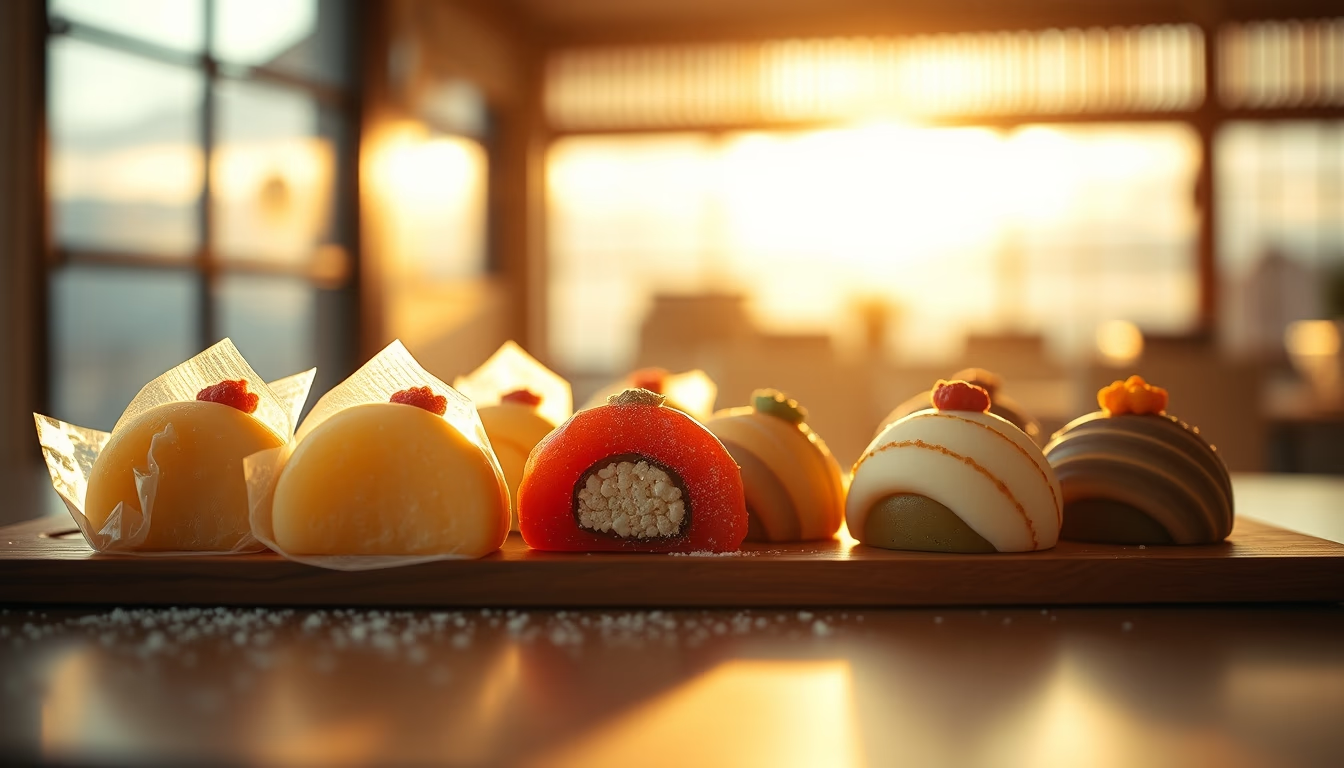
Wagashi are traditional Japanese confections that change with the seasons, reflecting nature and the art of tea. These small masterpieces combine flavor, texture, and seasonal symbolism.
About this subject
Wagashi are artisanal Japanese confections deeply tied to the tea ceremony (chanoyu). Their origins trace back to the Heian period (794-1185), when dried fruits were served with tea. During the Muromachi period, the development of chanoyu led to more elaborate sweets made from glutinous rice, azuki beans, and sugar.
Seasonality is paramount. In spring, wagashi like sakura mochi (rice cake wrapped in cherry leaf) and hanami dango celebrate blooming. Summer brings refreshing flavors such as kuzukiri (kudzu jelly) and mizu yokan (bean jelly) to cool down. Autumn features kuri manju (chestnut buns) and maple-leaf motifs. Winter offers heartier sweets like yokan and mochi.
Key ingredients include anko (sweetened azuki bean paste), mochi (rice dough), and kanten (agar-agar). Techniques range from neri-kiri (hand-molding paste) to higashi (dry pressed sweets). Each wagashi aims for flavor and aesthetic harmony with the tea bowl and season.
Symbolically, wagashi often have poetic names evoking nature, such as "dew drops" or "morning snow." In the tea ceremony, the sweet is served before strong tea to balance the palate, and its ephemeral beauty reflects wabi-sabi, appreciating the imperfect and transient.
Frequently Asked Questions
What are wagashi?
Wagashi are traditional Japanese confections often served with tea. They are made from plant-based ingredients like rice, azuki beans, and sugar, and are known for their seasonal themes and artistic presentation.
Why are wagashi seasonal?
Seasonality is central to wagashi to reflect nature and the time of year. Seasonal ingredients, shapes, and poetic names evoking natural phenomena (flowers, fruits, snow) are used to celebrate the passage of time.
How are wagashi made?
The process varies: hand-molded sweets (neri-kiri) use colored bean paste sculpted into shapes; pressed sweets (higashi) use wooden molds. Common ingredients include anko, mochi, and kanten. Many wagashi are gluten-free and dairy-free.
Direct URL
https://pub-c7d6a6ea828543ac903a74a341ccb2e1.r2.dev/imagens/wagashi-sweets-seasonal-cinematic-wide-shot-fresh4.avifHow to credit
Include a visible link back to UtilizAí. Copy one of the snippets below:
<a href="https://xn--utiliza-eza.com/en/midia/imagens/wagashi-sweets-seasonal-cinematic-wide-shot-fresh4">Wagashi sweets seasonal</a> by <a href="https://xn--utiliza-eza.com">UtilizAí</a>, licensed under <a href="https://creativecommons.org/licenses/by/4.0/">CC BY 4.0</a>.
[Wagashi sweets seasonal](https://xn--utiliza-eza.com/en/midia/imagens/wagashi-sweets-seasonal-cinematic-wide-shot-fresh4) by [UtilizAí](https://xn--utiliza-eza.com), CC BY 4.0
License: CC-BY-4.0