Wagashi sweets seasonal
1344×768 · AVIF · CC BY 4.0
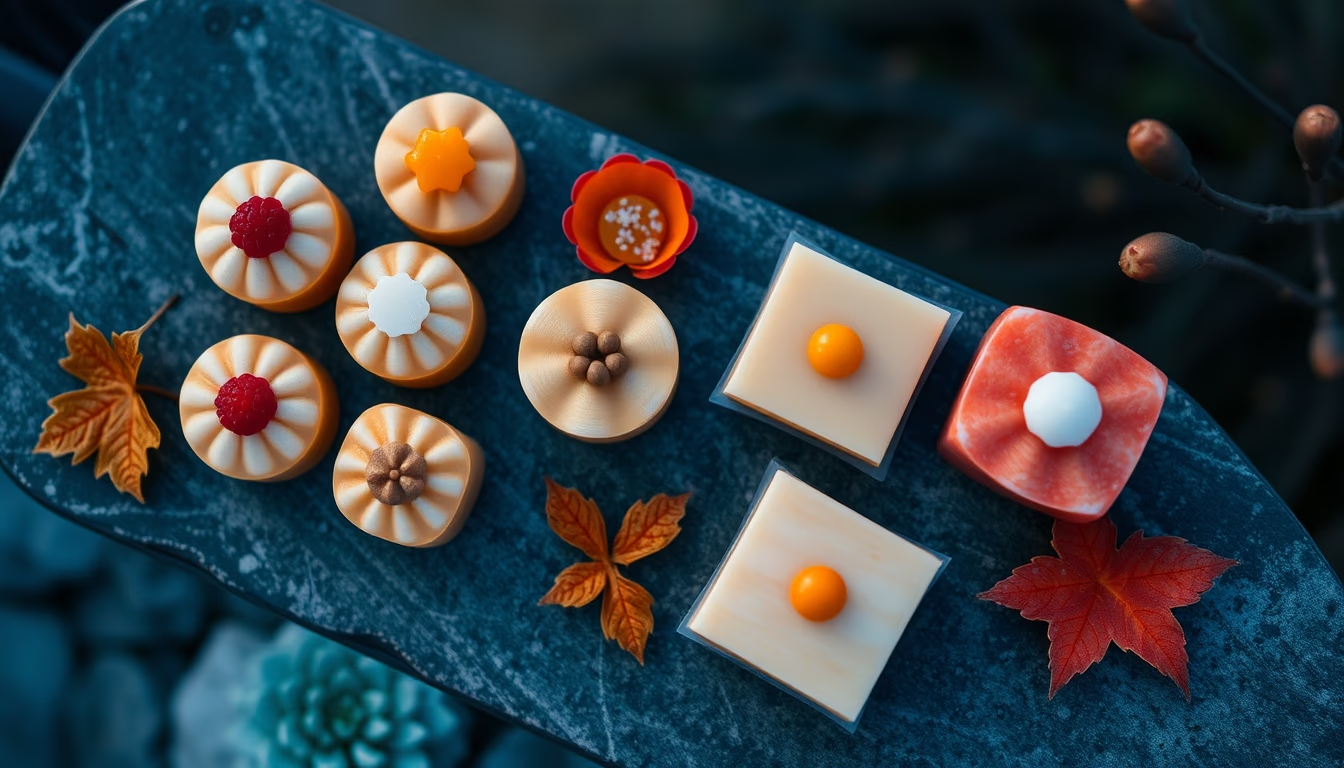
Wagashi are traditional Japanese sweets served with matcha in chanoyu, changing with the seasons to reflect nature's beauty.
About this subject
Wagashi are traditional Japanese confections intricately tied to the tea ceremony (chanoyu). Unlike Western sweets, they are made from plant-based ingredients like azuki beans, mochigome rice, sugar, and agar-agar, resulting in subtle flavors and delicate textures. Each piece is hand-molded (nerikiri) or pressed into wooden molds (kashi-gata), often depicting flowers, leaves, fruits, or natural phenomena of the season.
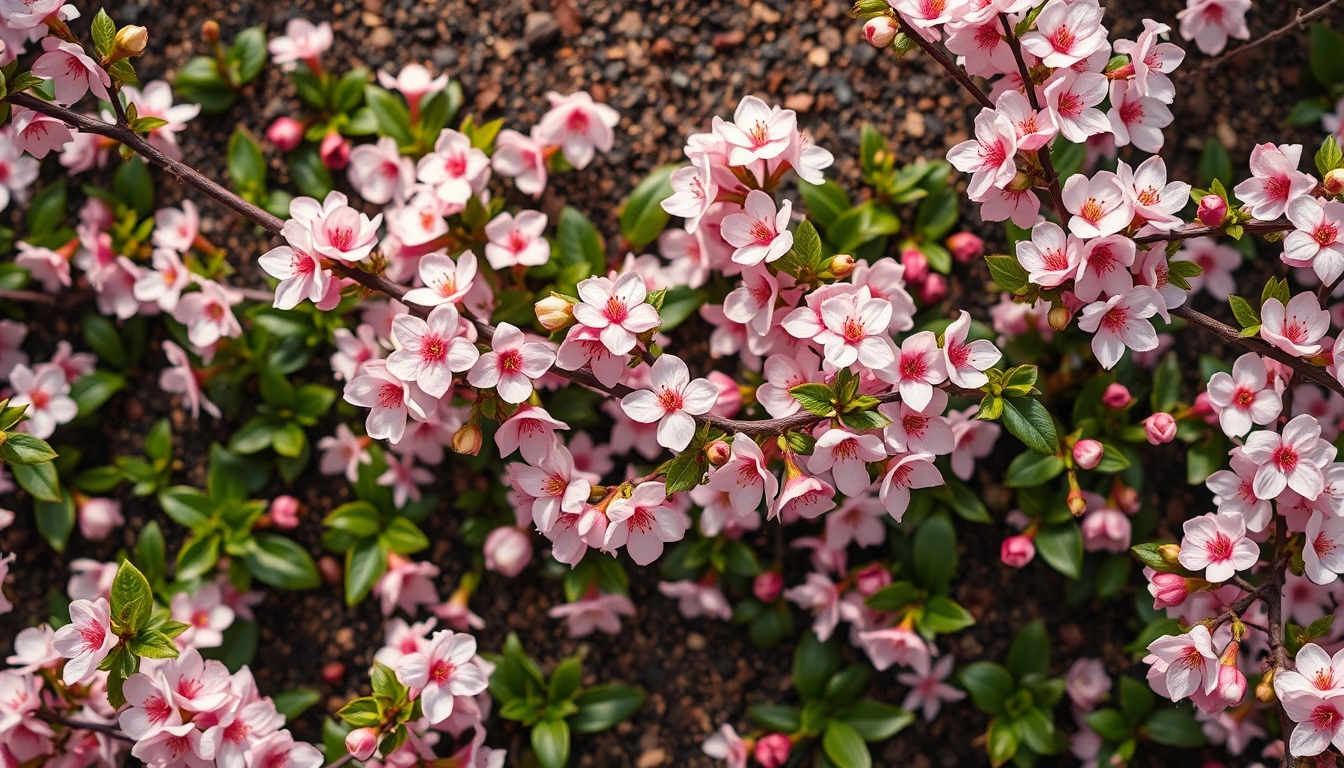
Seasonality is paramount: spring wagashi feature sakura (cherry blossom) or tsubaki (camellia) shapes; summer evokes water and wind with mizu yokan (bean jelly) and hikage (leaf shadows); autumn brings maple leaves (momiji) and matsutake mushrooms; winter shows snowflakes and plum blossoms (ume). This practice stems from the Japanese aesthetic concept of 'kisetsu kan' (awareness of seasons), essential for harmonizing the sweet with the tea and surroundings.
Beyond taste, the appearance and name of wagashi carry poetic meanings. For instance, 'sakuramochi', a rice cake wrapped in pickled cherry leaf, evokes the ephemeral blooming of flowers. Many wagashi are named after classic poems (waka) or literature like 'The Tale of Genji'. The tea ceremony places great importance on selecting the ideal wagashi for the occasion, making it a seasonal art form that delights the senses.
The production process requires years of training: master wagashishi study calligraphy, painting, and ikebana to create expressive shapes. In Japan, specialized shops (wagashiya) offer hundreds of regional varieties, such as Kyoto's yatsuhashi and bean-filled manju. Today, artisanal wagashi are enjoyed not only in ceremonies but also as gifts and in modern confectioneries that blend traditional techniques with global flavors.
Frequently Asked Questions
What is the difference between wagashi and Western sweets?
Wagashi are made mainly from plant-based ingredients (azuki beans, rice, agar-agar), low in fat, with subtle flavors. Western sweets use butter, eggs, cream, and chocolate, resulting in richer tastes and creamy textures.
Why do wagashi change with the seasons?
Seasonality reflects the Japanese concept of 'kisetsu kan' (awareness of seasons) and harmony with nature. Each season inspires specific shapes, colors, and ingredients that connect the moment to the tea ceremony environment.
Where can I find authentic wagashi?
In Japan, at specialized shops (wagashiya) and traditional confectioneries, especially in Kyoto and Tokyo. Outside Japan, some tea houses and Japanese stores import or produce artisanal wagashi.
Direct URL
https://pub-c7d6a6ea828543ac903a74a341ccb2e1.r2.dev/imagens/wagashi-sweets-seasonal-aerial-drone-shot-fresh6.avifHow to credit
Include a visible link back to UtilizAí. Copy one of the snippets below:
<a href="https://xn--utiliza-eza.com/en/midia/imagens/wagashi-sweets-seasonal-aerial-drone-shot-fresh6">Wagashi sweets seasonal</a> by <a href="https://xn--utiliza-eza.com">UtilizAí</a>, licensed under <a href="https://creativecommons.org/licenses/by/4.0/">CC BY 4.0</a>.
[Wagashi sweets seasonal](https://xn--utiliza-eza.com/en/midia/imagens/wagashi-sweets-seasonal-aerial-drone-shot-fresh6) by [UtilizAí](https://xn--utiliza-eza.com), CC BY 4.0
License: CC-BY-4.0