Voting booth with Brazilian electronic ballot machine
1344×768 · AVIF · CC BY 4.0
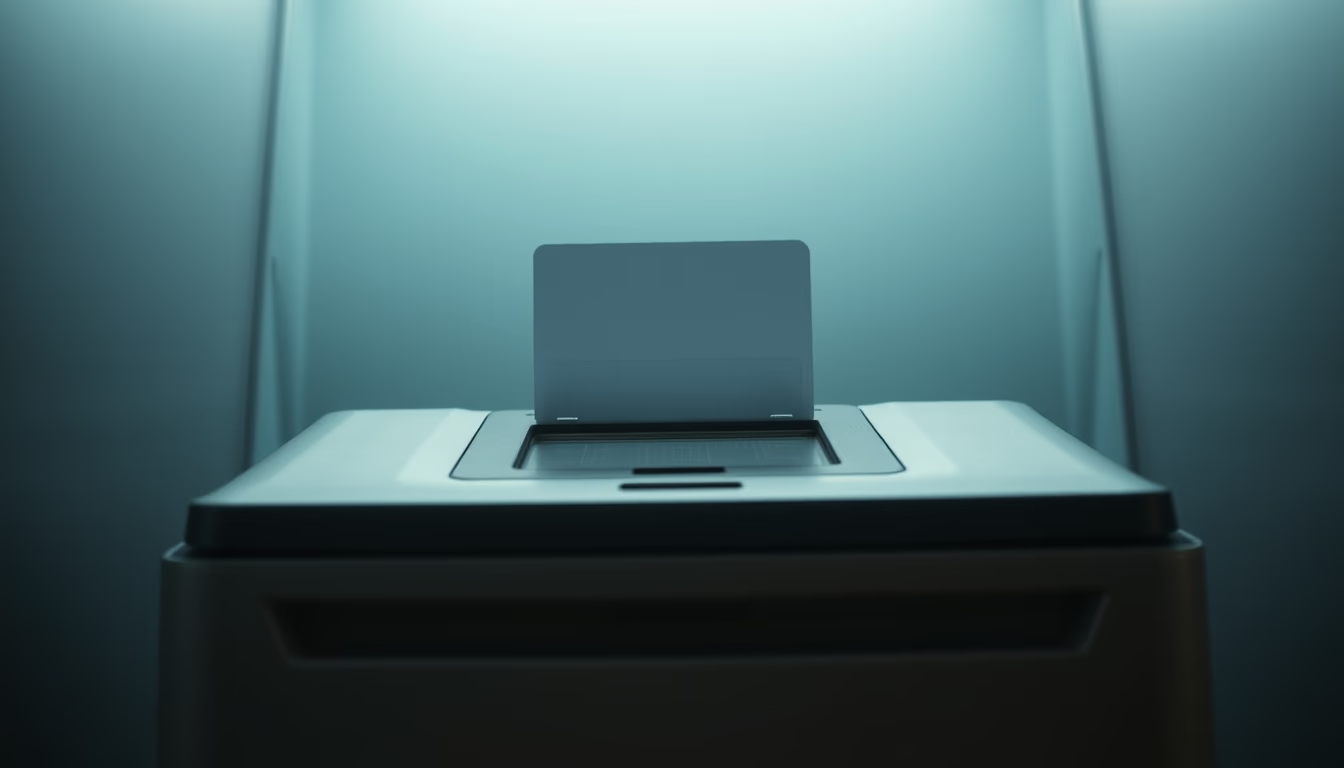
Brazilian electronic ballot machine in a voting booth at twilight, a symbol of digital democracy in the country since 1996.
About this subject
The Brazilian electronic voting machine, known as 'urna eletrônica', is a digital voting device used in all federal, state, and municipal elections in Brazil since 1996. Developed by the Superior Electoral Court (TSE) in partnership with the National Institute for Space Research (INPE) and the company OMNILINK, the machine was introduced to replace paper ballots, reducing fraud and speeding up vote counting. The system consists of a voting terminal with a numeric keypad and an LCD screen, plus a vote printer (printed vote) for later verification, although votes are stored electronically.
Brazil was the first country in the world to conduct fully computerized national elections, starting with the 1996 municipal elections. Since then, over 100 million voters have used the system. The machine is designed to be autonomous, operating on internal batteries and functioning in remote areas without electricity. Each machine runs proprietary software that is audited by political parties and oversight bodies before elections.
The voting booth, typically made of canvas or plastic, ensures ballot secrecy. The twilight setting depicts the closing time of polling stations, which occurs at 5:00 PM (Brasília time) on the first round. The image conveys the atmosphere of civic duty and the importance of popular participation in the Brazilian democratic process, which holds elections every two years.
Interestingly, the Brazilian electronic voting machine has been the subject of cybersecurity debates, but no large-scale fraud has ever been proven. The system is considered one of the most secure in the world, with multiple encryption layers and public security tests conducted by the TSE.
Frequently Asked Questions
How does the Brazilian electronic voting machine work?
The machine has a numeric keypad where the voter types the candidate or party number. The vote is recorded electronically and stored on a memory card. At the end of voting, the system tallies the votes and prints a report.
Is the Brazilian electronic voting machine secure against fraud?
Yes, the system is considered secure. The machine uses encryption, is not connected to the internet, and undergoes audits and public security tests conducted by the TSE before each election.
Since when has Brazil used electronic voting machines?
Brazil started using electronic voting machines in 1996 for municipal elections. Since 2000, all elections in the country have been conducted exclusively with this system.
Direct URL
https://pub-c7d6a6ea828543ac903a74a341ccb2e1.r2.dev/imagens/voting-booth-with-brazilian-electronic-ballot-machine-urna-eletronica-closeup-twilight.avifHow to credit
Include a visible link back to UtilizAí. Copy one of the snippets below:
<a href="https://xn--utiliza-eza.com/en/midia/imagens/voting-booth-with-brazilian-electronic-ballot-machine-urna-eletronica-closeup-twilight">Voting booth with Brazilian electronic ballot machine</a> by <a href="https://xn--utiliza-eza.com">UtilizAí</a>, licensed under <a href="https://creativecommons.org/licenses/by/4.0/">CC BY 4.0</a>.
[Voting booth with Brazilian electronic ballot machine](https://xn--utiliza-eza.com/en/midia/imagens/voting-booth-with-brazilian-electronic-ballot-machine-urna-eletronica-closeup-twilight) by [UtilizAí](https://xn--utiliza-eza.com), CC BY 4.0
License: CC-BY-4.0
Tags
Related images
 Itamaraty Palace modernist exterior with reflecting pool in Brasília
 Itamaraty Palace modernist exterior with reflecting pool in Brasília
 Itamaraty Palace modernist exterior with reflecting pool in Brasília
 Itamaraty Palace modernist exterior with reflecting pool in Brasília
 Itamaraty Palace modernist exterior with reflecting pool in Brasília
 Itamaraty Palace modernist exterior with reflecting pool in Brasília