View camera bellows
1344×768 · AVIF · CC BY 4.0
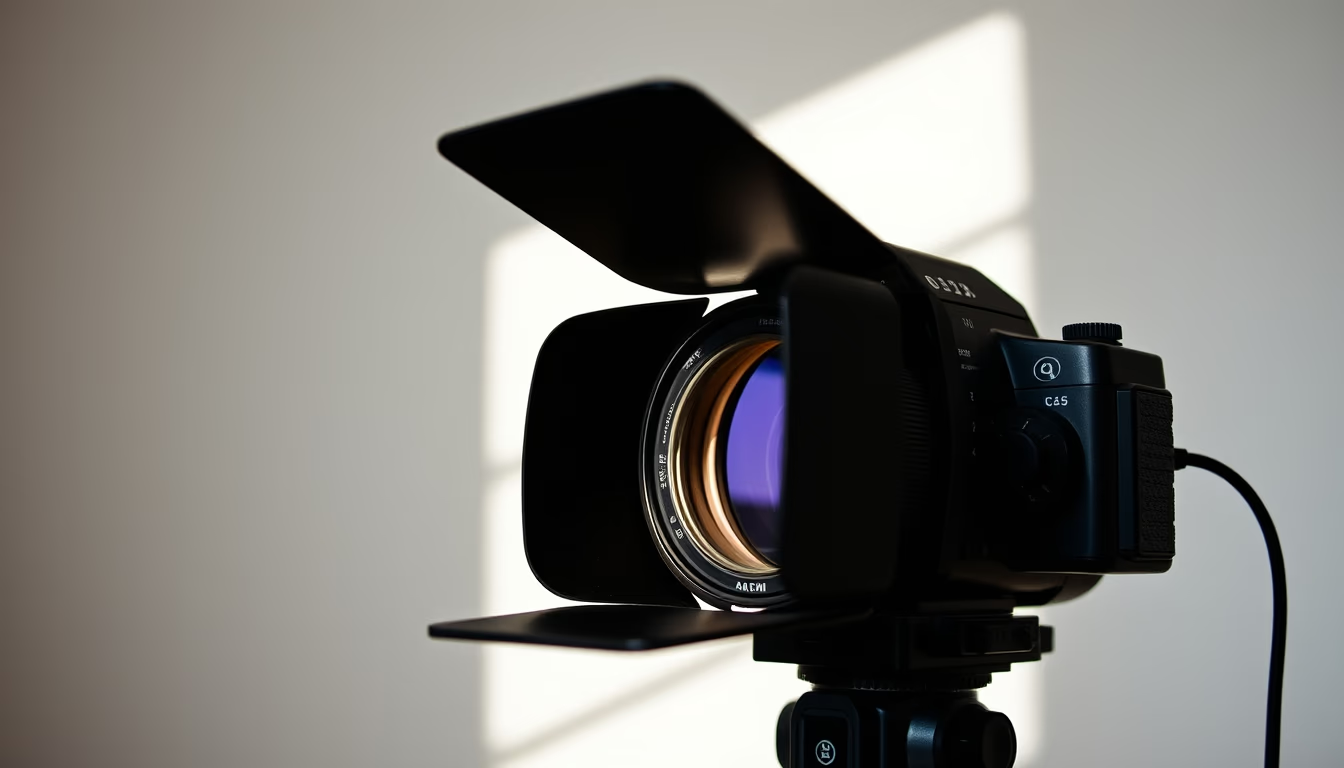
Learn all about view camera bellows, essential for perspective and focus adjustments in large format analog photography.
About this subject
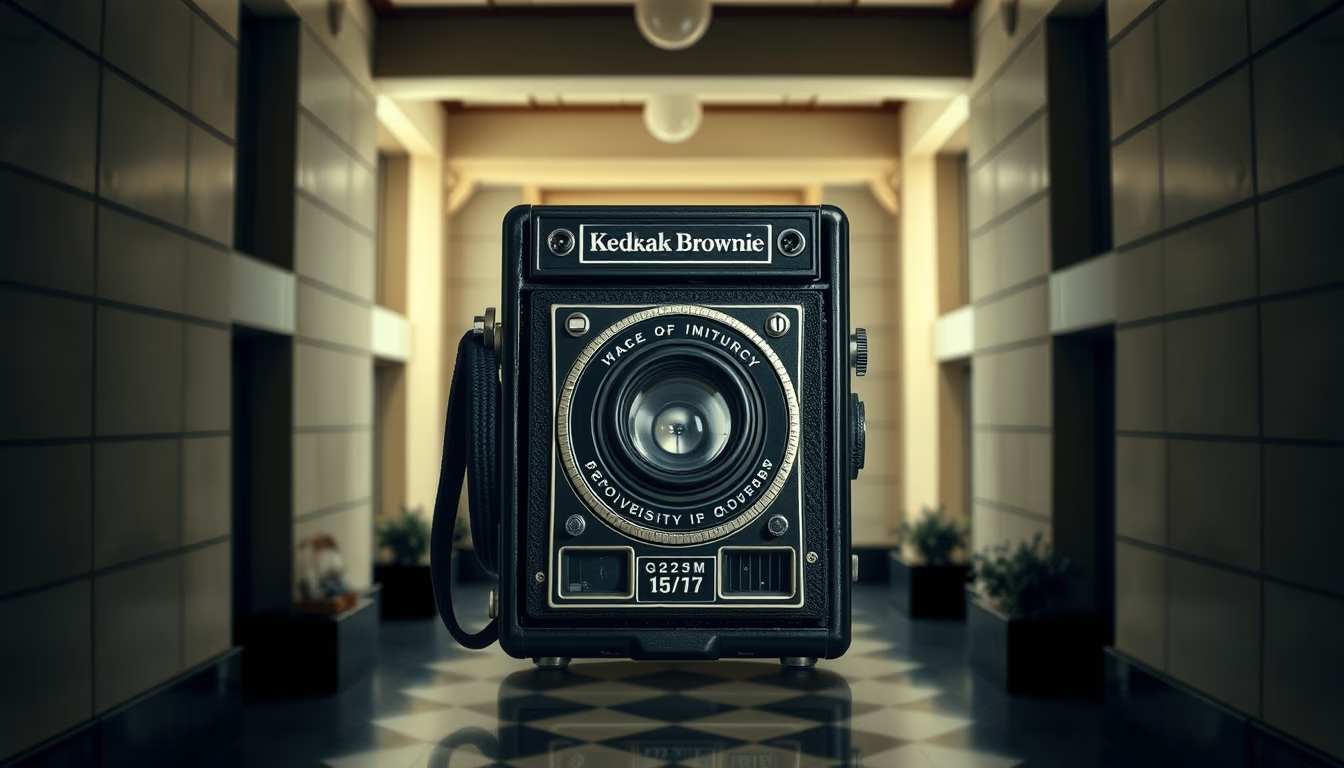
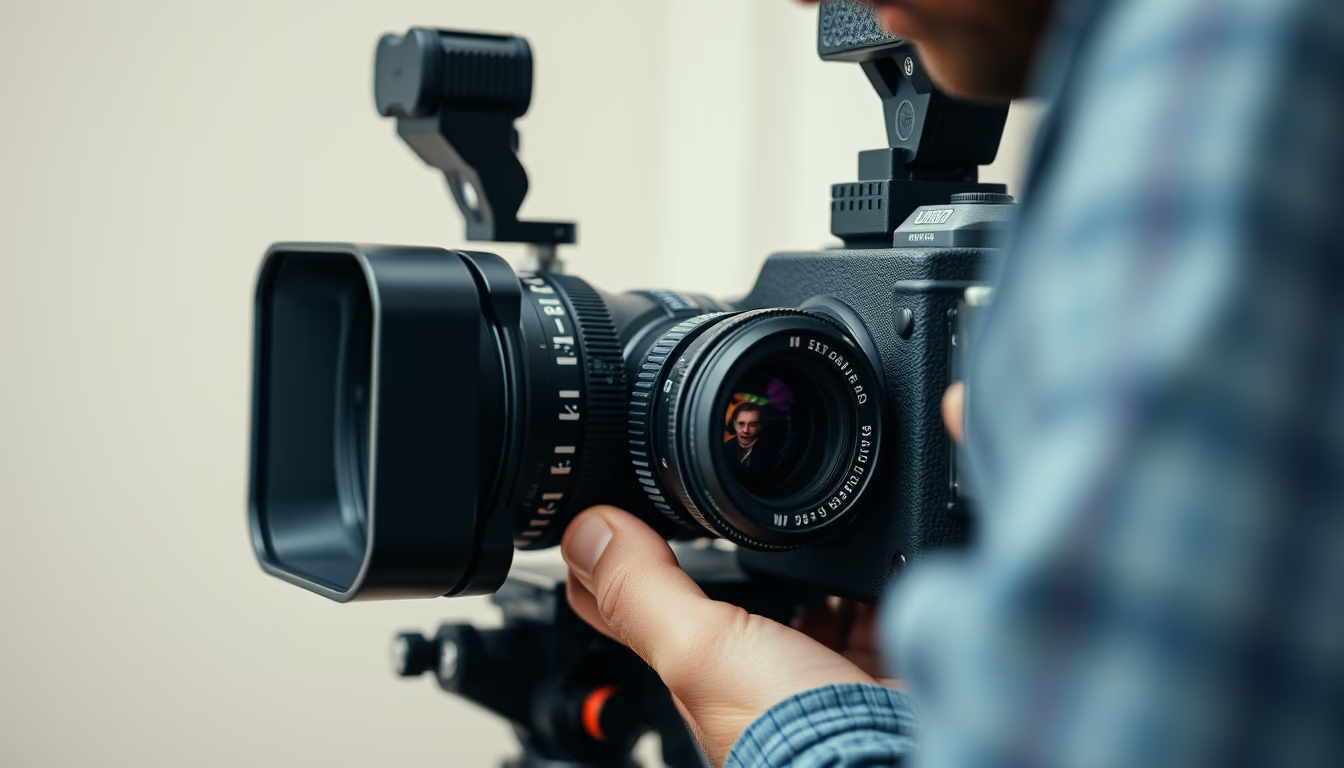
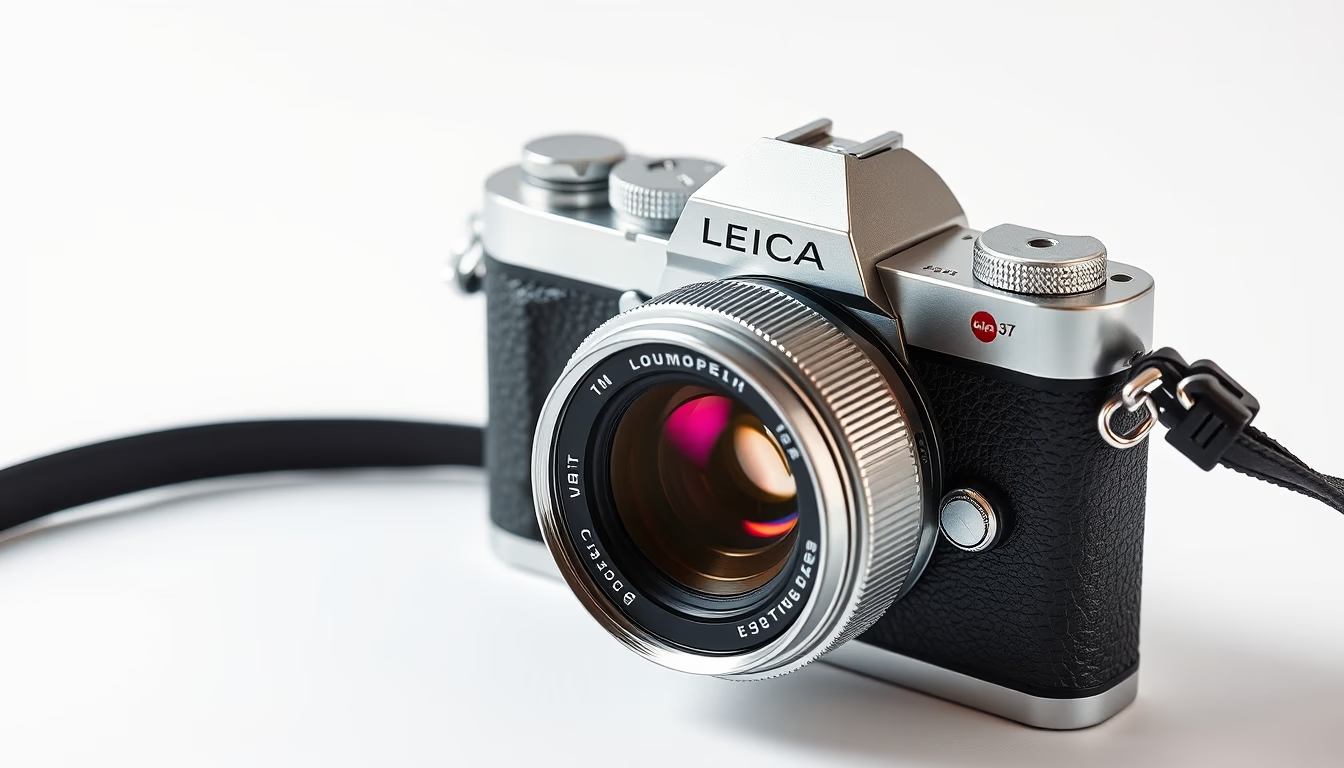
The bellows of a large format camera are flexible, extensible components connecting the front standard to the rear standard. Traditionally made of rubber-coated fabric or leather, they allow independent movement of the standards to control perspective, focus, and sharpness. This mechanism is the foundation of bellows cameras, dating back to the 19th century and famously used by photographers such as Ansel Adams and Edward Weston. The operating principle is straightforward: extending or compressing the bellows changes the distance between lens and film, adjusting focus. Tilt and shift movements enable perspective corrections, like preventing converging vertical lines in architectural photography.
Large format bellows cameras remain in use today for landscape, architecture, and art reproduction photography, offering high resolution and creative control. Bellows can be interchangeable, with different lengths for various focal length lenses. Types include bag bellows for wide-angle lenses and standard expansion bellows. Maintenance is critical, as holes or tears cause light leaks. Interestingly, the term 'bellows' derives from Old English for 'blower', due to visual similarity to blacksmith bellows.
In contemporary photography, analog practitioners and digital adapters using specialty backs keep these cameras relevant. The precision required for bellows movements demands technical expertise, appealing to photographers seeking full command over the final image. Despite the advent of compact digital systems, large format bellows cameras offer an unmatched combination of resolution, control, and historical connection.
Frequently Asked Questions
What is the purpose of bellows in a camera?
They enable perspective and focus adjustments by independently moving the lens and film plane, giving control over the final image.
What types of bellows exist?
Common types include standard bellows, bag bellows (for wide-angle lenses), and wide-angle bellows, each suited for different focal lengths.
How to maintain camera bellows?
Avoid prolonged sun exposure, store the camera with bellows partially extended, and inspect regularly for light leaks or tears.
Direct URL
https://pub-c7d6a6ea828543ac903a74a341ccb2e1.r2.dev/imagens/view-camera-bellows-minimalist-composition-fresh11.avifHow to credit
Include a visible link back to UtilizAí. Copy one of the snippets below:
<a href="https://xn--utiliza-eza.com/en/midia/imagens/view-camera-bellows-minimalist-composition-fresh11">View camera bellows</a> by <a href="https://xn--utiliza-eza.com">UtilizAí</a>, licensed under <a href="https://creativecommons.org/licenses/by/4.0/">CC BY 4.0</a>.
[View camera bellows](https://xn--utiliza-eza.com/en/midia/imagens/view-camera-bellows-minimalist-composition-fresh11) by [UtilizAí](https://xn--utiliza-eza.com), CC BY 4.0
License: CC-BY-4.0