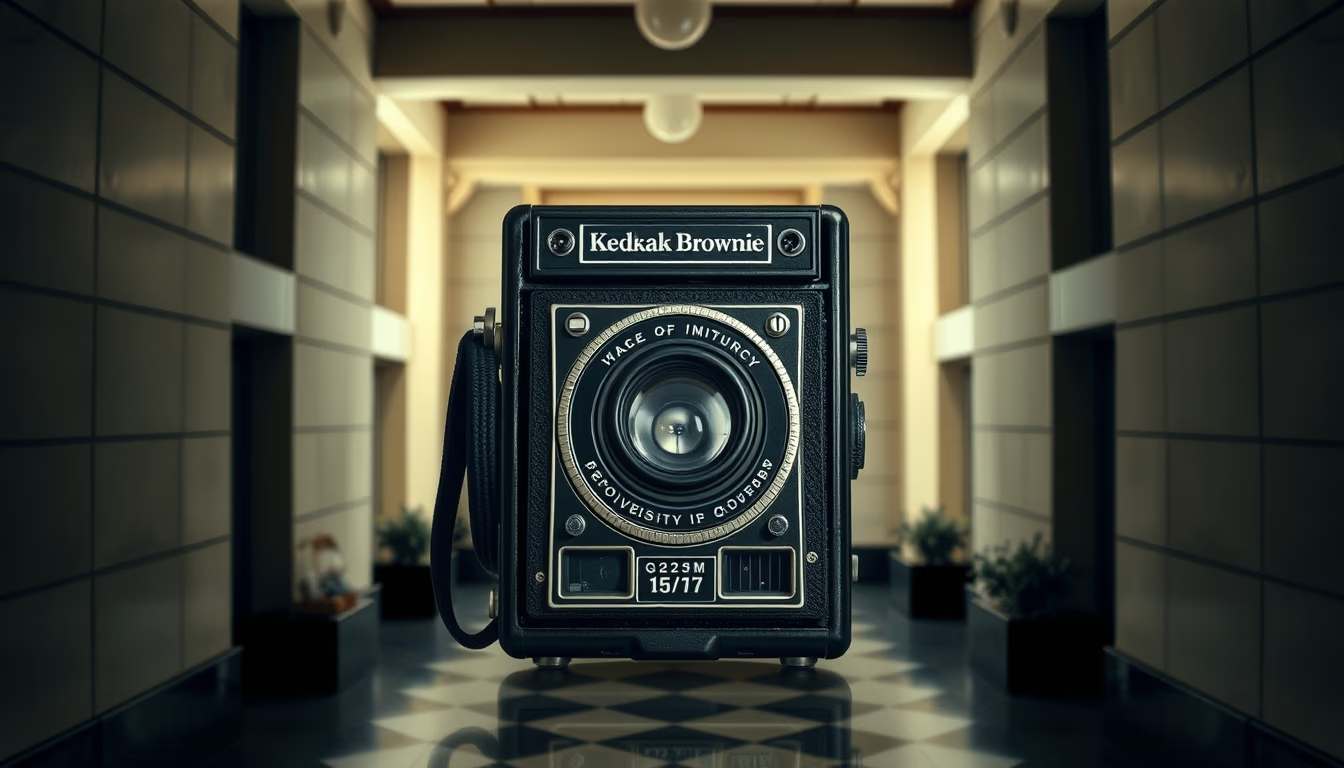
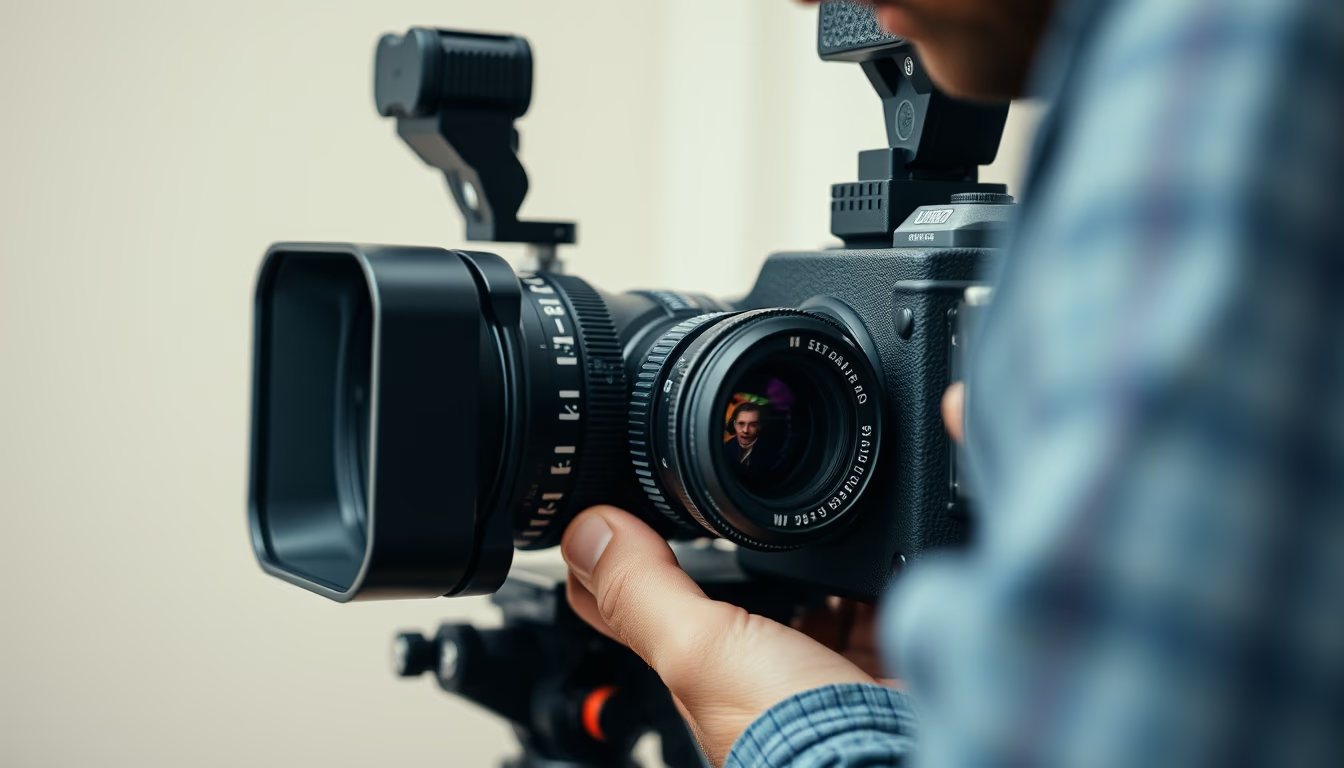
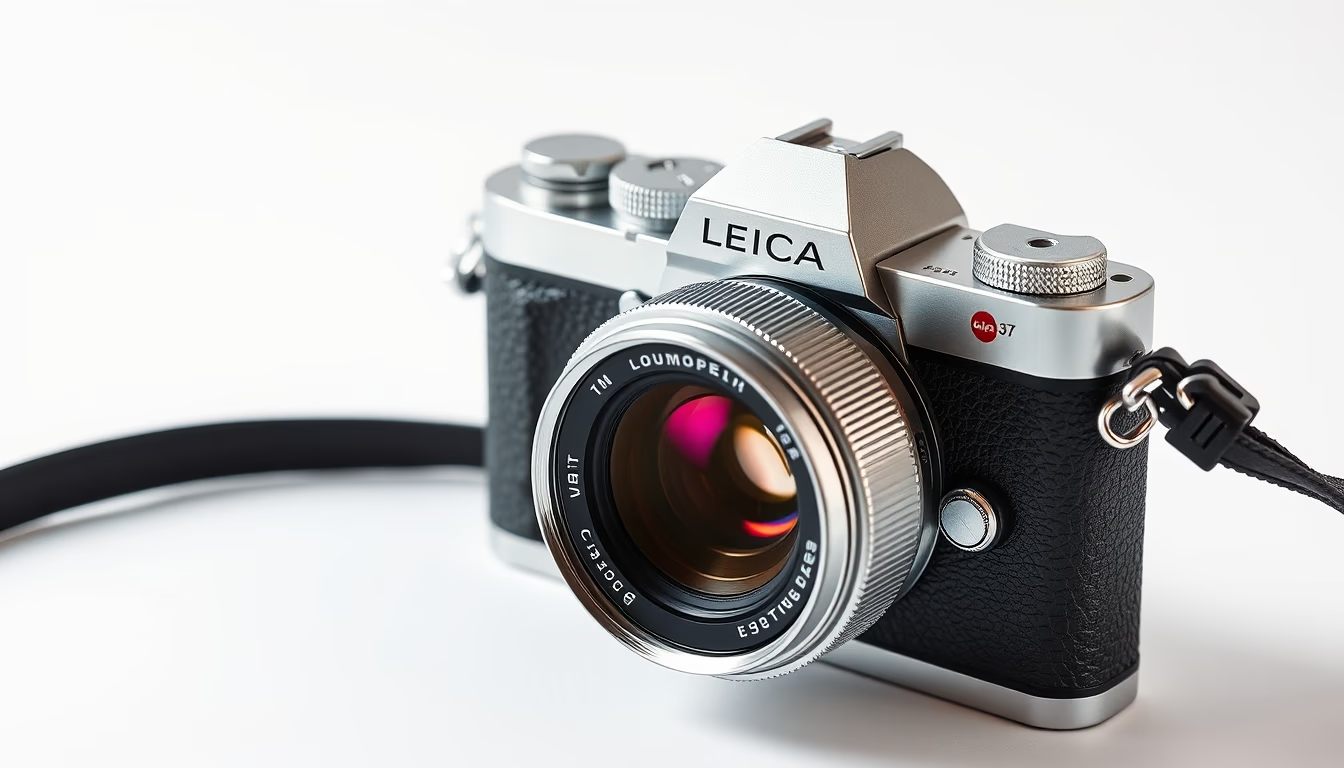
View camera bellows
1344×768 · AVIF · CC BY 4.0
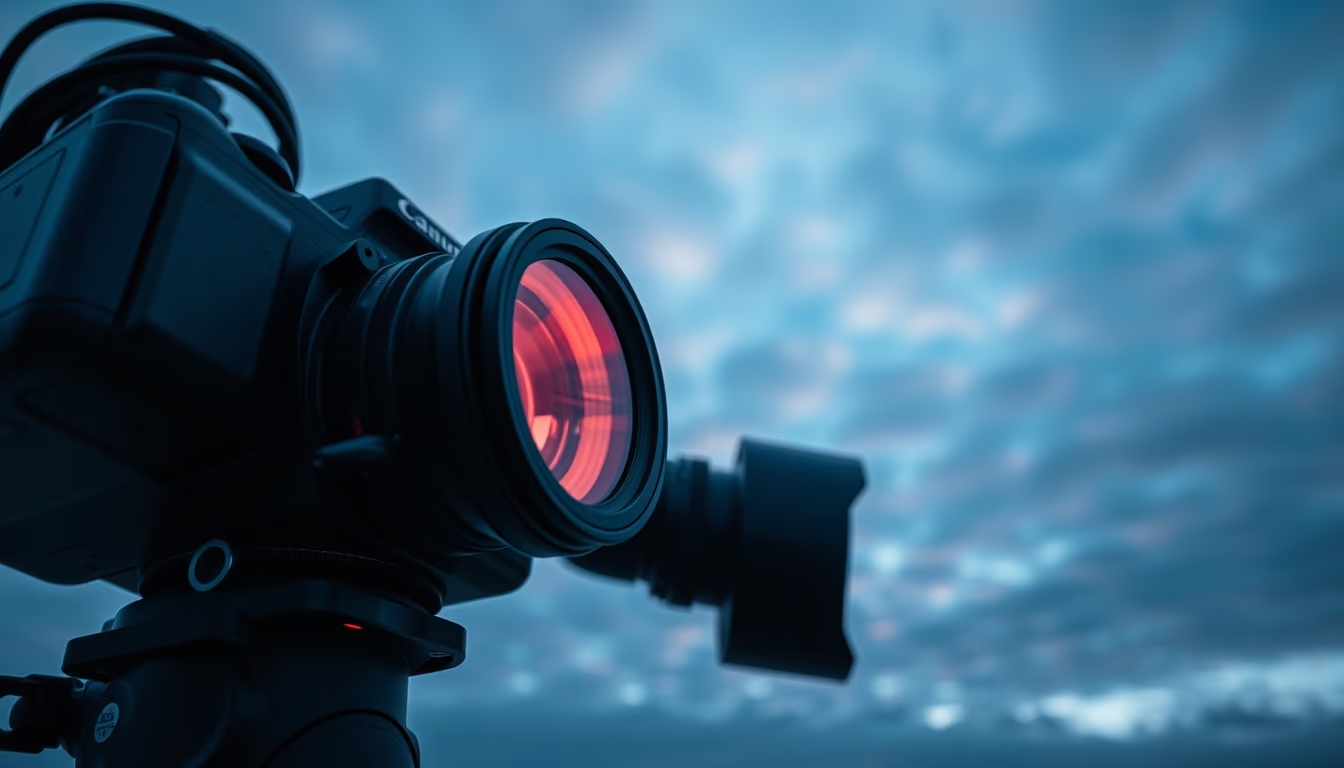
View camera bellows are flexible components that enable focus adjustments and perspective movements in large format cameras.
About this subject
View camera bellows are essential components in large format cameras, used primarily in formats such as 4x5, 5x7, and 8x10 inches. Their main function is to connect the front standard (where the lens is mounted) to the rear standard (where film or sensor is placed), forming a light-tight chamber. Meanwhile, bellows allow independent movements between these standards, including tilt, shift, swing, and rise/fall, which control perspective and depth of field. These movements are critical for correcting architectural distortions or adjusting the focus plane in landscapes and still lifes.
Historically, view cameras emerged in the 19th century, with early models using leather bellows. Over time, synthetic materials and rubber were adopted for greater durability and weather resistance. Bellows can be of single or double extension, depending on the required bellows draw for the lens focal length. Double extension bellows have two sections that expand, allowing very long focal distances without instability. The quality of bellows is crucial to prevent light leaks, which would ruin long exposures, a type of photography demanding extreme precision.
In practice, view cameras with bellows are common in long exposure photography, especially in black and white, where movement control allows meticulous compositions. Landscape photographers like Ansel Adams popularized the use of these cameras, valuing sharpness and tonal range. Even today, with digital advancements, many professionals and enthusiasts still use view cameras adapted with digital backs, preserving the classic technique. Bellows, despite seeming simple, are engineering pieces that require careful maintenance, as tears or holes compromise the entire setup.
Interestingly, bellows are also found in medium format cameras, but view cameras have the largest and most versatile ones. The word “bellows” comes from Old English, referring to a blacksmith's bellows, due to the visual and functional similarity of expanding and contracting. Artisanal bellows manufacturing still exists, with specialized companies producing custom pieces for vintage camera restoration, ensuring these historical tools remain functional.
Frequently Asked Questions
What are bellows on a view camera?
Bellows are flexible components that connect the front and rear standards of the camera, forming a light-tight chamber. They allow movements such as tilt, shift, swing, and rise/fall for focus and perspective control.
Why are bellows important for long exposures?
During long exposures, any light leak can ruin the image. High-quality bellows ensure complete sealing and allow precise adjustments to avoid reflections and unwanted distortions over the extended exposure time.
How to maintain bellows on a vintage camera?
Avoid prolonged direct sunlight and store the camera in a dry environment. If tears occur, use specific repair kits or consult a restoration specialist. Do not use lubricants, as they may attract dust.
Direct URL
https://pub-c7d6a6ea828543ac903a74a341ccb2e1.r2.dev/imagens/view-camera-bellows-long-exposure-fresh1.avifHow to credit
Include a visible link back to UtilizAí. Copy one of the snippets below:
<a href="https://xn--utiliza-eza.com/en/midia/imagens/view-camera-bellows-long-exposure-fresh1">View camera bellows</a> by <a href="https://xn--utiliza-eza.com">UtilizAí</a>, licensed under <a href="https://creativecommons.org/licenses/by/4.0/">CC BY 4.0</a>.
[View camera bellows](https://xn--utiliza-eza.com/en/midia/imagens/view-camera-bellows-long-exposure-fresh1) by [UtilizAí](https://xn--utiliza-eza.com), CC BY 4.0
License: CC-BY-4.0