Vibraphone metallic bars
1344×768 · AVIF · CC BY 4.0
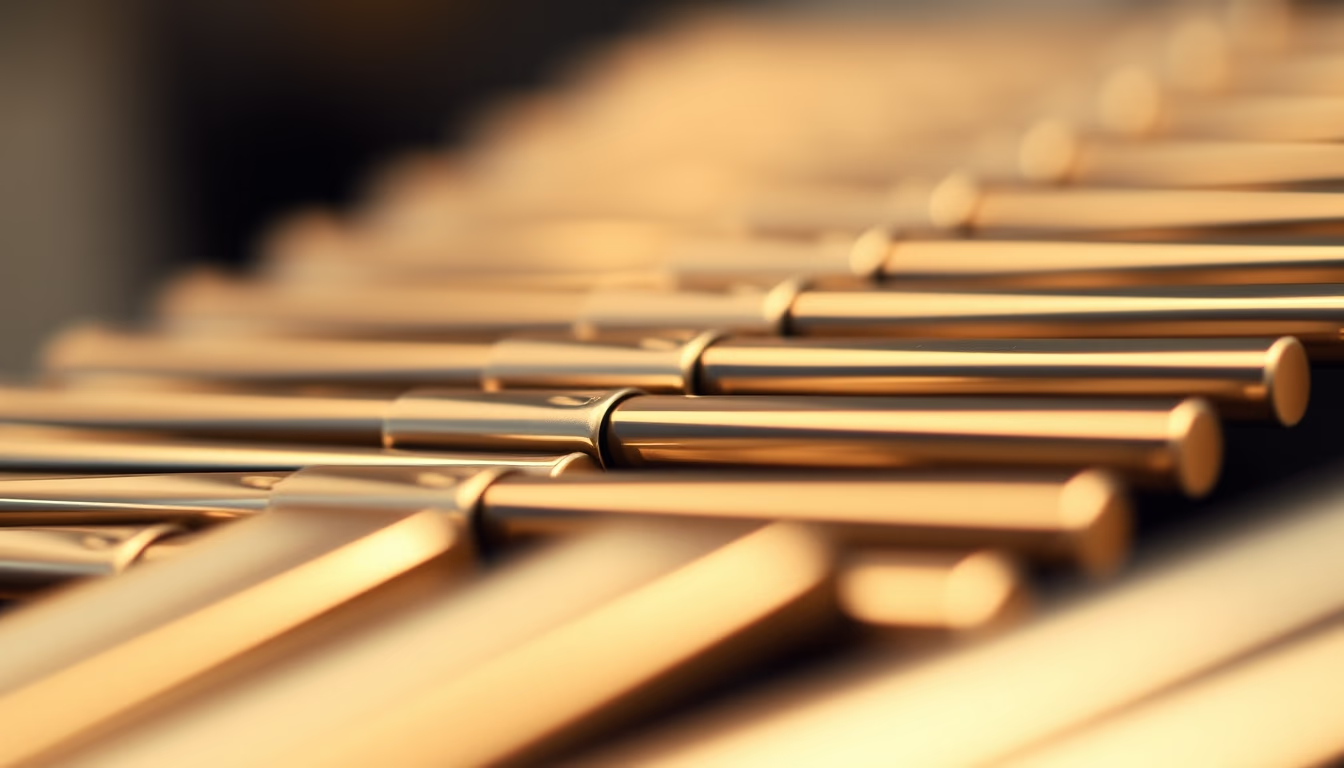
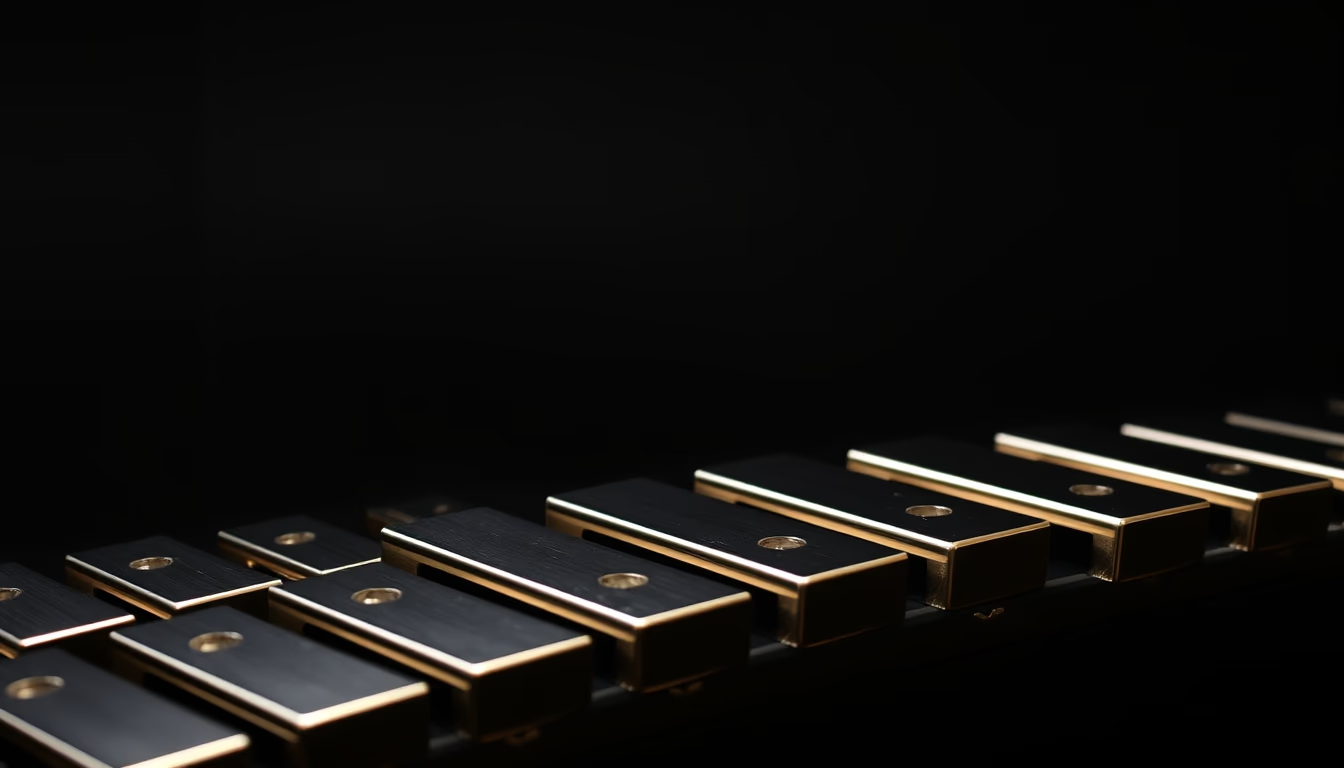
The metallic bars of a vibraphone, made of aluminum, produce musical notes when struck, with sustain controlled by a pedal.
About this subject
The vibraphone is a melodic percussion instrument invented in the 1920s by Hermann Winterhoff of the Leedy Manufacturing Company in the United States. Its aluminum bars are arranged chromatically, resembling a piano keyboard, and are struck with mallets to produce sound. Each bar has a tubular resonator attached, containing a rotating disk powered by an electric motor. When the disks spin, they create the instrument's characteristic vibrato effect.
The choice of aluminum for the bars was deliberate. Unlike steel or wood, aluminum offers a soft, bright timbre with long sustain. The bars are tuned with millimeter precision: thickness and length determine the pitch of each note. Modern vibraphones typically span three and a half octaves and are widely used in jazz ensembles, symphony orchestras, and contemporary percussion groups.
A major feature of the vibraphone is its pedal system. Pressing the pedal allows the bars to vibrate freely, producing sustained sound. Releasing the pedal causes a felt damper to stop the vibration, dampening the note. This dynamic control enables the musician to create legato or staccato phrases. Performing requires precise coordination between hands and foot, as well as mastery over the motor-driven vibrato.
The vibraphone plays a prominent role in works by composers such as Steve Reich, notably in his piece "Music for Pieces of Wood," and in improvisations by musicians like Milt Jackson, Lionel Hampton, and Gary Burton. In Brazil, instrumentalists such as Naná Vasconcelos and Marcelo Coelho have explored its possibilities in popular and experimental music. Though less common than the marimba, the vibraphone has an unmistakable timbre that enriches any musical arrangement.
Frequently Asked Questions
What is the difference between a vibraphone and a marimba?
The main difference is the bar material: vibraphones use aluminum, while marimbas use wood (usually rosewood). Vibraphones have a motor for vibrato and a sustain pedal, which marimbas lack. The vibraphone's timbre is brighter and more sustained.
Why are vibraphone bars made of aluminum?
Aluminum was chosen for its lightness and ability to produce a soft, clear sound with good sustain. Unlike steel, it is less metallic; unlike wood, it offers more projection and durability.
How does the vibraphone pedal work?
The pedal controls a felt mechanism that dampens the bars. When pressed, the felt moves away, allowing the bars to vibrate freely (sustain). When released, the felt contacts the bars, stopping the sound (staccato).
Direct URL
https://pub-c7d6a6ea828543ac903a74a341ccb2e1.r2.dev/imagens/vibraphone-metallic-bars-macro-closeup-p1.avifHow to credit
Include a visible link back to UtilizAí. Copy one of the snippets below:
<a href="https://xn--utiliza-eza.com/en/midia/imagens/vibraphone-metallic-bars-macro-closeup-p1">Vibraphone metallic bars</a> by <a href="https://xn--utiliza-eza.com">UtilizAí</a>, licensed under <a href="https://creativecommons.org/licenses/by/4.0/">CC BY 4.0</a>.
[Vibraphone metallic bars](https://xn--utiliza-eza.com/en/midia/imagens/vibraphone-metallic-bars-macro-closeup-p1) by [UtilizAí](https://xn--utiliza-eza.com), CC BY 4.0
License: CC-BY-4.0