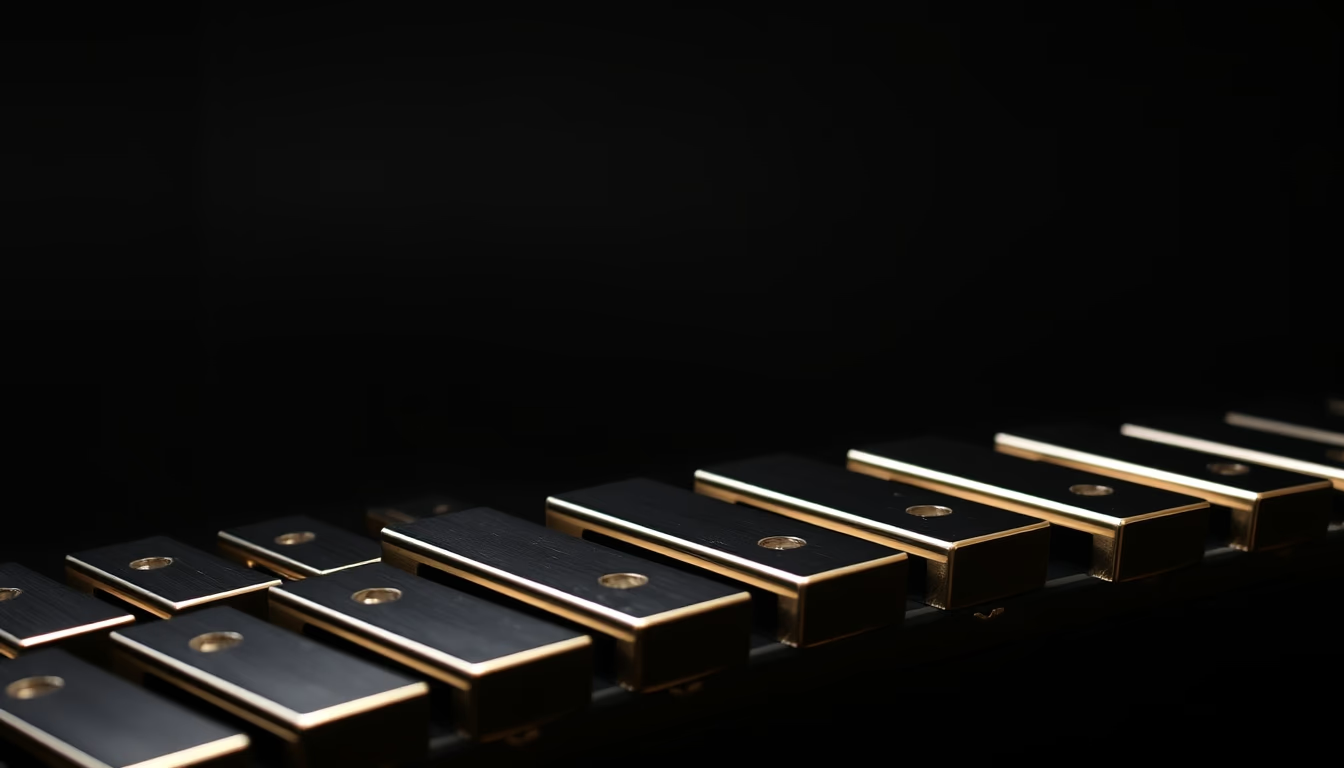
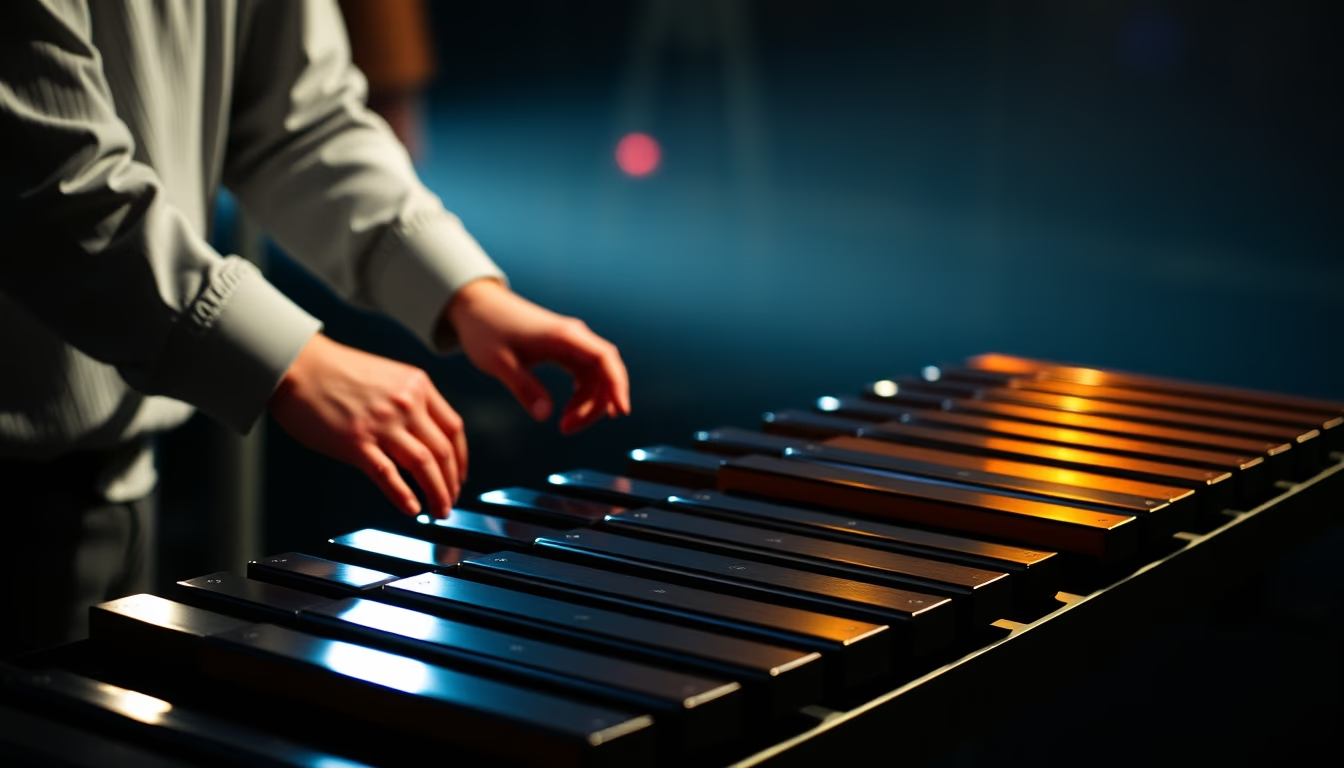
Vibraphone metallic bars
1344×768 · AVIF · CC BY 4.0
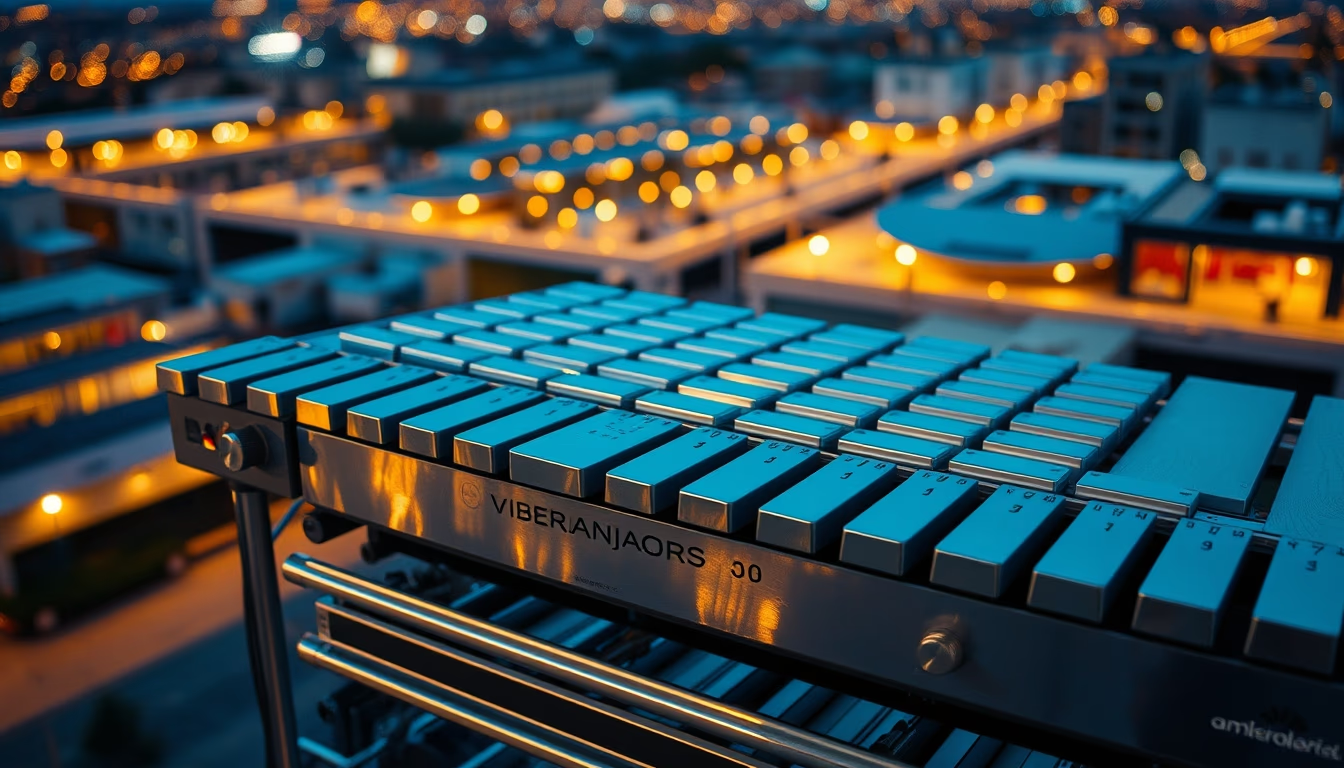
The metallic bars of the vibraphone produce a crystalline, percussive sound, an essential instrument in jazz and contemporary classical music.
About this subject
The vibraphone is a melodic percussion instrument belonging to the bar percussion family. Its metallic bars, typically made of tempered aluminum, are arranged in keyboard layout and struck with mallets. Below each bar is a resonator tube, and on the axis of each resonator there is a rotating disc driven by an electric motor, creating the characteristic vibrato effect. A pedal controls a general damper, allowing sustain or staccato.
Invented in the United States in 1921 by Hermann Winterhoffer, the vibraphone was originally called the vibratone. It was refined by the Leedy company and later by J.C. Deagan. Its adoption in jazz began mainly in the 1930s with Lionel Hampton, who popularized it by using felt mallets and exploring its soft, nuanced sonority. Later, Milt Jackson of the Modern Jazz Quartet elevated the instrument to a highly expressive solo role.
In classical repertoire, the vibraphone appears in works by composers such as Olivier Messiaen, Pierre Boulez, and Steve Reich. It differs from the marimba by having metal bars instead of wood, and from the glockenspiel by possessing resonators and a vibrato motor. Its typical range is three octaves, from F2 to F5, though three-and-a-half-octave models exist. Bar tuning is done by filing the underside, varying thickness to adjust pitch.
Maintenance of the vibraphone requires careful cleaning of the bars and lubrication of the motor. Jazz and orchestral musicians value the instrument for its ability to produce sounds ranging from sweet and ethereal to metallic and piercing. In modern recordings, the vibraphone is also used in film scores and pop music, adding a vintage, sophisticated timbre.
Frequently Asked Questions
What is the difference between a vibraphone and a marimba?
The main difference is the bar material: vibraphone uses metal bars (aluminum), while marimba uses wooden bars. Additionally, the vibraphone has a motor that spins discs inside the resonators to create vibrato, and typically a sustain pedal, features not found on the marimba.
How are vibraphone bars tuned?
Bars are tuned by filing the underside: removing material from the center lowers the pitch, while removing from the ends raises it. This is done manually by skilled technicians to ensure accuracy across the instrument's range.
Who are the most famous vibraphonists in history?
Lionel Hampton is considered the pioneer of jazz vibraphone. Milt Jackson of the Modern Jazz Quartet is one of the most influential. Other notable players include Gary Burton, Bobby Hutcherson, and in classical music, Evelyn Glennie (also a marimbist) and Brazilian Luiz D'Anunciação.
Direct URL
https://pub-c7d6a6ea828543ac903a74a341ccb2e1.r2.dev/imagens/vibraphone-metallic-bars-aerial-drone-shot-p0.avifHow to credit
Include a visible link back to UtilizAí. Copy one of the snippets below:
<a href="https://xn--utiliza-eza.com/en/midia/imagens/vibraphone-metallic-bars-aerial-drone-shot-p0">Vibraphone metallic bars</a> by <a href="https://xn--utiliza-eza.com">UtilizAí</a>, licensed under <a href="https://creativecommons.org/licenses/by/4.0/">CC BY 4.0</a>.
[Vibraphone metallic bars](https://xn--utiliza-eza.com/en/midia/imagens/vibraphone-metallic-bars-aerial-drone-shot-p0) by [UtilizAí](https://xn--utiliza-eza.com), CC BY 4.0
License: CC-BY-4.0