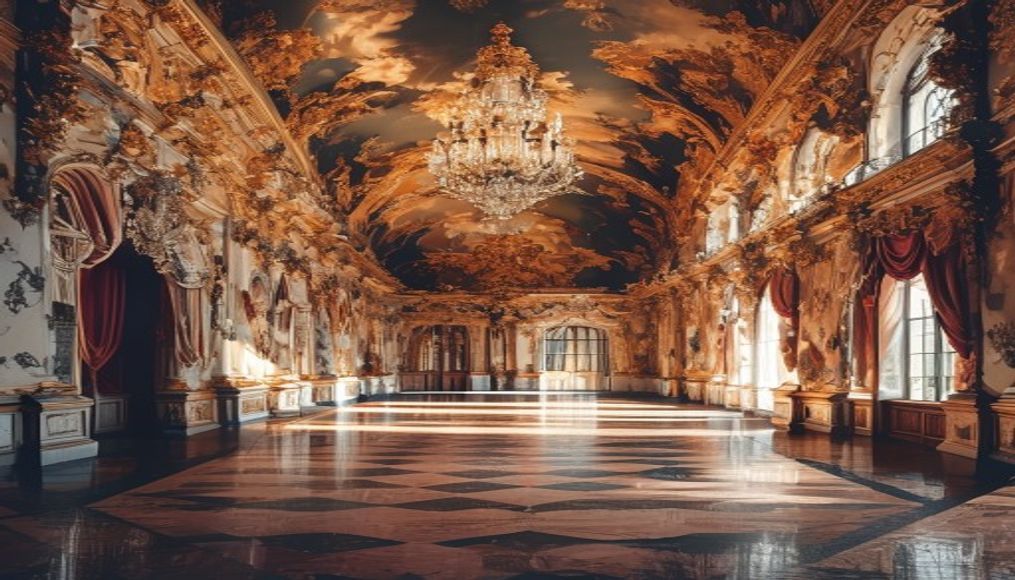
Versailles palace gardens
1344×768 · AVIF · CC BY 4.0
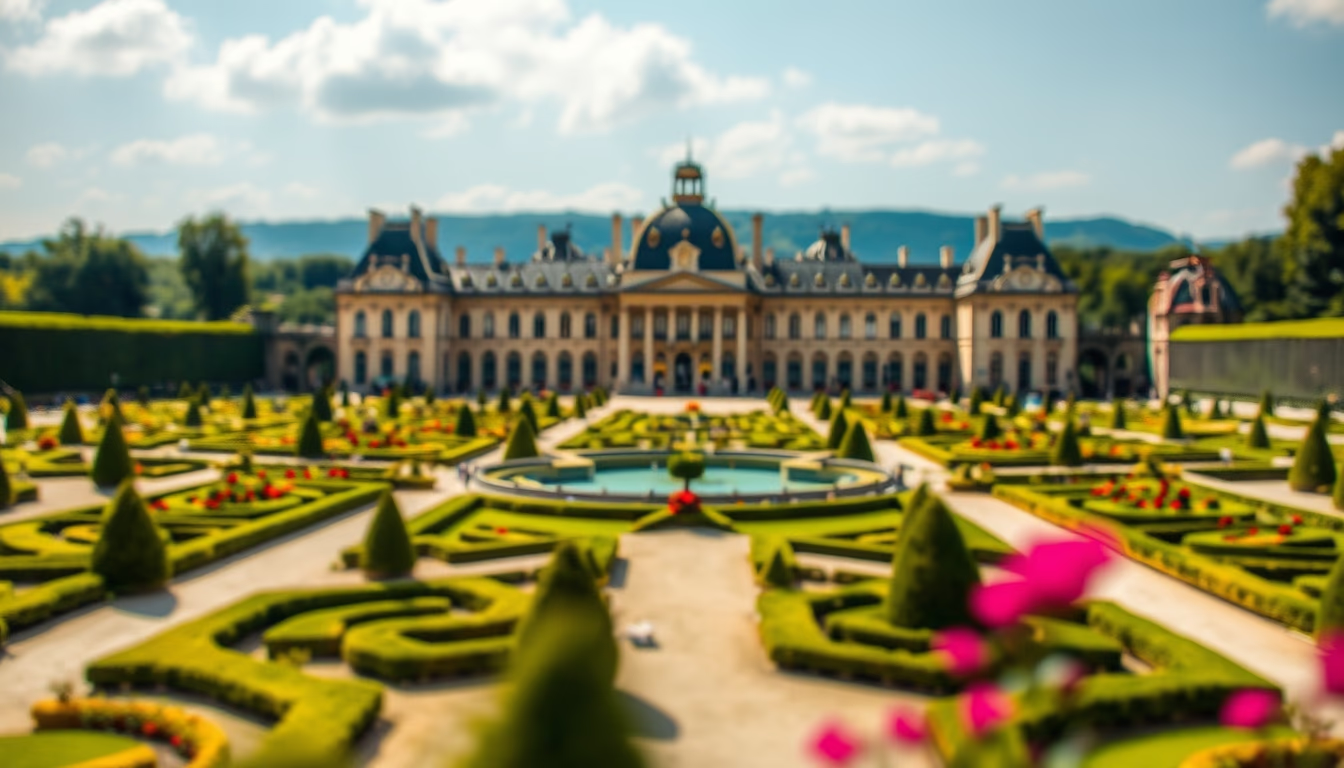
The Gardens of Versailles, designed by André Le Nôtre, are a masterpiece of French formal garden style and a symbol of Louis XIV's absolute monarchy.
About this subject
The Gardens of the Palace of Versailles represent the pinnacle of the French formal garden style (jardin à la française), designed by André Le Nôtre starting in 1661. Spanning approximately 800 hectares, the gardens were conceived to showcase Louis XIV's power and control over nature, featuring strict symmetry, long perspectives, and reflective pools. The complex includes the Grand Canal, 1.5 km long, used for boating and evening festivities. Fountains such as the Latona Fountain and the Apollo Fountain are fed by an elaborate hydraulic system that, at the time, was an engineering marvel, drawing water from the Seine and distant aqueducts.
The gardens were the setting for countless royal celebrations and ceremonies, including the famous "Grandes Eaux" (Great Waters) displays that still take place today. In addition to geometric flower beds (parterres), there are groves (bosquets) with open-air rooms, such as the Apollo Grove and the Maze Grove (later replaced by the Nightingale Grove). Maintenance involves over 50 fountains, and about 200,000 seasonal plants are replanted annually. Since 1979, the gardens have been a UNESCO World Heritage site, part of the Palace and Park of Versailles.
Interestingly, the garden layout influenced projects across Europe, such as Peterhof Palace in Russia and Queluz National Palace in Portugal. The symmetry and geometry were not merely aesthetic; they reflected the rational order the king wished to impose on France. Today, the gardens are open to the public and attract millions of visitors each year, who can walk the avenues, visit the retreats (like the Petit Trianon), and enjoy the view from the palace terrace.
Frequently Asked Questions
Who designed the Gardens of Versailles?
Landscape architect André Le Nôtre (1613-1700) was the main designer, working on the project for over 40 years.
Are the gardens free to visit?
The gardens are partly free, but access to the running fountains (Grandes Eaux) requires a ticket on specific days.
How many fountains are in the gardens?
There are about 50 fountains, including the Latona Fountain and the Apollo Fountain, fed by a historic hydraulic system.
Direct URL
https://pub-c7d6a6ea828543ac903a74a341ccb2e1.r2.dev/imagens/versailles-palace-gardens-tilt-shift-miniature-p6.avifHow to credit
Include a visible link back to UtilizAí. Copy one of the snippets below:
<a href="https://xn--utiliza-eza.com/en/midia/imagens/versailles-palace-gardens-tilt-shift-miniature-p6">Versailles palace gardens</a> by <a href="https://xn--utiliza-eza.com">UtilizAí</a>, licensed under <a href="https://creativecommons.org/licenses/by/4.0/">CC BY 4.0</a>.
[Versailles palace gardens](https://xn--utiliza-eza.com/en/midia/imagens/versailles-palace-gardens-tilt-shift-miniature-p6) by [UtilizAí](https://xn--utiliza-eza.com), CC BY 4.0
License: CC-BY-4.0